Homepage Banner

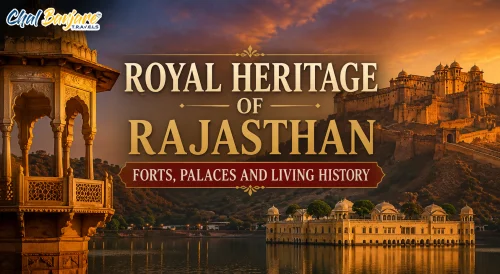
Royal Heritage of Rajasthan – Forts, Palaces and Living History

Rajasthan’s royal heritage showcases magnificent forts, grand palaces, ancient traditions, and living cultural experiences that reflect the state’s historic kingdoms and royal legacy.

Travel Guide


11 Jul, 2026 By: Radhika Shekhawat

Understanding Rajasthan’s Royal Heritage and Historical Legacy

Explore the History of Rajput Kingdoms Forts Palaces and Royal Traditions

Rajasthan's royal heritage is deeply connected with the history of the Rajput kingdoms that ruled different regions of the state for centuries. Powerful dynasties such as the Kachwahas of Jaipur, the Rathores of Marwar, the Sisodias of Mewar, and the Bhatis of Jaisalmer established magnificent capitals, constructed impressive forts, and built grand palaces that continue to define Rajasthan's identity today. These kingdoms played an important role in shaping the political, military, and cultural history of northwestern India.
Every region of Rajasthan reflects its own royal legacy through distinctive architecture, defensive fortifications, temples, royal residences, gardens, lakes, and traditional settlements. Massive hill forts protected important trade routes, while elegant palaces displayed artistic excellence through marble work, intricate carvings, painted walls, mirror decoration, and beautifully designed courtyards. Together, these monuments provide visitors with an opportunity to explore centuries of royal history while understanding the remarkable achievements of Rajasthan's rulers.
  • Rajput Kingdoms: Historic royal dynasties across Rajasthan.
  • Magnificent Forts: Symbols of military strength.
  • Royal Palaces: Architectural masterpieces.
  • Historic Capitals: Jaipur, Jodhpur, Udaipur, and Jaisalmer.
  • Traditional Architecture: Rich artistic heritage.
  • Royal Culture: Centuries of historical traditions.
  • Living Heritage: Historic monuments still admired today.
Exploring Rajasthan's royal history offers visitors much more than monument sightseeing. It reveals the remarkable story of kingdoms, architecture, warfare, diplomacy, and cultural achievements that shaped one of India's most fascinating historical regions.

Understand How Rajasthan's Heritage Shaped Its Culture and Identity

The influence of Rajasthan's royal past extends far beyond its forts and palaces. Royal patronage encouraged the development of traditional music, folk dances, miniature paintings, architecture, textiles, jewellery, literature, and handicrafts that continue to represent Rajasthan around the world. Many customs, festivals, ceremonial traditions, and artistic practices visible today evolved under the guidance and support of successive royal families.
Historic cities were carefully planned around royal residences, defensive walls, temples, markets, and water systems, creating urban landscapes that continue to function centuries after their establishment. The combination of military architecture, artistic expression, religious traditions, and community life gives Rajasthan a distinctive cultural identity that remains visible throughout its towns and villages. Visitors therefore experience history not only inside monuments but also within the everyday traditions of local communities.
Heritage Element Royal Influence Present-Day Experience
Architecture Forts and palaces Historic monuments
Arts Royal patronage Miniature paintings and crafts
Music and Dance Court traditions Cultural performances
Markets Historic trade centres Traditional shopping experiences
Understanding Rajasthan's royal heritage provides deeper appreciation for the state's cultural traditions. The legacy of its kingdoms continues to influence architecture, festivals, craftsmanship, and daily life throughout the region.

Discover Living Heritage Experiences Across Historic Cities and Regions

Unlike many historical destinations where heritage exists primarily within museums, Rajasthan continues to preserve many royal traditions as part of everyday life. Historic palaces remain active heritage hotels, royal festivals continue to attract local communities, artisans practise traditional crafts passed down through generations, and old city neighbourhoods preserve centuries-old architectural styles. This living heritage allows visitors to experience history in an authentic and engaging way.
Travelling through cities such as Jaipur, Jodhpur, Udaipur, Bikaner, and Jaisalmer introduces visitors to a variety of cultural experiences including traditional markets, heritage walks, palace museums, folk performances, local festivals, and regional cuisine. Each destination contributes a different chapter to Rajasthan's remarkable historical narrative while maintaining strong connections to its royal past.
  • Heritage Hotels: Former royal residences welcoming visitors.
  • Traditional Markets: Historic commercial districts.
  • Palace Museums: Royal collections and artefacts.
  • Cultural Performances: Folk music and dance traditions.
  • Historic Neighbourhoods: Preserved architectural heritage.
  • Royal Festivals: Continuing ceremonial traditions.
  • Authentic Experiences: Living culture throughout Rajasthan.
Rajasthan's living heritage allows visitors to experience history beyond monuments alone. Every city preserves traditions that continue to celebrate the state's extraordinary royal legacy while welcoming travellers into its vibrant cultural landscape.

Famous Forts Showcasing Rajasthan’s Royal History

Explore Amber Fort Mehrangarh Fort and Jaisalmer Fort

Rajasthan's forts rank among the finest examples of military architecture in India, reflecting centuries of engineering skill, royal ambition, and strategic planning. Amber Fort near Jaipur, Mehrangarh Fort overlooking Jodhpur, and Jaisalmer Fort rising above the Thar Desert each represent different chapters of Rajasthan's royal history while showcasing distinctive architectural styles shaped by geography and regional traditions.
Amber Fort combines defensive walls with elegant palace complexes, decorative courtyards, mirror work, and beautifully designed gateways that demonstrate the artistic refinement of the Kachwaha rulers. Mehrangarh Fort dominates the skyline of Jodhpur from a massive rocky hill and contains museums displaying royal collections, armour, paintings, textiles, and ceremonial objects. Jaisalmer Fort remains one of the world's few living forts, where residential neighbourhoods, temples, markets, and traditional homes continue to function within ancient fortifications.
  • Amber Fort: Magnificent Rajput architecture near Jaipur.
  • Mehrangarh Fort: Impressive hilltop fortress of Marwar.
  • Jaisalmer Fort: Historic living fort in the Thar Desert.
  • Royal Museums: Preserved historical collections.
  • Grand Gateways: Architectural masterpieces.
  • Historic Courtyards: Beautiful palace interiors.
  • UNESCO Heritage: Important historical landmarks.
These famous forts provide visitors with an extraordinary opportunity to explore Rajasthan's military history, royal architecture, and cultural heritage while experiencing some of India's most iconic historical monuments.

Discover Impressive Architecture Walls Gateways and Historical Landmarks

The architectural design of Rajasthan's forts reflects both defensive requirements and royal grandeur. Massive stone walls, multiple entrance gates, steep approaches, watchtowers, bastions, and elevated viewpoints were carefully planned to protect kingdoms against invasion while demonstrating royal authority. Inside the defensive structures, elegant palaces, temples, audience halls, gardens, water reservoirs, and residential complexes reveal the sophisticated lifestyles of Rajasthan's rulers.
Every fort displays unique architectural characteristics influenced by its location and ruling dynasty. Sandstone dominates desert forts such as Jaisalmer, while marble, red sandstone, carved balconies, painted chambers, latticed windows, and decorative arches contribute to the rich artistic identity of other royal complexes. Exploring these architectural details helps visitors appreciate the remarkable craftsmanship achieved centuries before modern construction techniques.
Architectural Feature Purpose Visitor Experience
Massive Walls Defence Historic fortifications
Royal Gateways Controlled entrances Architectural beauty
Palace Complexes Royal residence Historic interiors
Watchtowers Military observation Panoramic viewpoints
The remarkable architecture of Rajasthan's forts reflects centuries of innovation, craftsmanship, and strategic planning. Every wall, gateway, and palace contributes to the enduring legacy of the state's royal history.

Experience Rajasthan's Military Heritage Through Ancient Fort Structures

Rajasthan's forts were designed not only as royal residences but also as powerful military strongholds protecting kingdoms, trade routes, and strategic territories. Their elevated locations, strong defensive walls, hidden passages, water storage systems, and carefully planned layouts demonstrate the sophisticated military engineering developed by Rajput rulers. These structures played important roles during numerous historical conflicts while symbolising the independence and resilience of Rajasthan's kingdoms.
Walking through these ancient forts allows visitors to imagine the lives of soldiers, rulers, artisans, and royal families who once lived within their walls. Museums, preserved armouries, ceremonial halls, and historical exhibits further illustrate the evolution of Rajasthan's military traditions alongside its cultural achievements. Together, these experiences provide valuable insight into the state's remarkable historical legacy.
  • Military Engineering: Strategic defensive architecture.
  • Historic Armouries: Royal weapons and equipment.
  • Royal Audience Halls: Centres of administration.
  • Defensive Gateways: Designed for protection.
  • Historic Museums: Learn about Rajasthan's past.
  • Panoramic Fort Views: Overlook surrounding landscapes.
  • Royal Legacy: Experience centuries of Rajput history.
Exploring Rajasthan's ancient forts reveals the remarkable military traditions that helped shape the state's royal identity. These magnificent structures continue to preserve the courage, architectural brilliance, and enduring heritage of Rajasthan's historic kingdoms.

Famous Palaces and Royal Residences of Rajasthan

Explore City Palace Lake Palace and Other Royal Residences

Rajasthan's magnificent palaces represent the elegance, artistic vision, and refined lifestyles of its former royal families. Built over several centuries by different Rajput kingdoms, these residences combine impressive architecture with beautifully designed courtyards, gardens, audience halls, balconies, temples, and decorative interiors. Every palace reflects the traditions of its ruling dynasty while showcasing regional craftsmanship that continues to attract visitors from around the world.
Among the state's most celebrated royal residences are the City Palace in Jaipur, the City Palace in Udaipur, the iconic Lake Palace on Lake Pichola, Umaid Bhawan Palace in Jodhpur, and numerous smaller palaces preserved across Rajasthan's historic cities. Some continue to serve as museums or heritage hotels, while others remain partially occupied by former royal families, allowing visitors to experience living heritage alongside preserved historical architecture.
  • City Palace Jaipur: Historic royal residence of the Kachwaha rulers.
  • City Palace Udaipur: Overlooking Lake Pichola.
  • Lake Palace: Iconic marble palace surrounded by water.
  • Umaid Bhawan Palace: Blend of royal heritage and modern history.
  • Royal Courtyards: Elegant architectural spaces.
  • Historic Museums: Royal collections and artefacts.
  • Living Heritage: Palaces preserving royal traditions.
Exploring Rajasthan's palaces introduces visitors to the luxurious world of Rajput royalty while revealing centuries of architectural excellence, artistic creativity, and cultural refinement that continue to define the state's royal heritage.

Discover Royal Architecture Museums and Preserved Historical Interiors

The architectural beauty of Rajasthan's palaces lies in their remarkable combination of defensive planning, ceremonial grandeur, and artistic detail. Marble columns, carved balconies, painted ceilings, stained glass windows, intricate mirror work, decorative arches, lattice screens, and spacious courtyards demonstrate the extraordinary craftsmanship achieved by artisans working under royal patronage. Every section of a palace was designed with both practical and ceremonial purposes in mind.
Many royal residences now function as museums displaying historical artefacts, ceremonial costumes, royal weapons, paintings, manuscripts, antique furniture, vintage vehicles, and personal belongings of former rulers. These carefully preserved collections provide valuable insight into court life, administration, diplomacy, artistic traditions, and daily routines within Rajasthan's royal households. Visitors gain a deeper appreciation for the sophistication of the region's historical kingdoms while exploring these beautifully maintained interiors.
Architectural Feature Historical Purpose Visitor Experience
Audience Halls Royal administration Historic ceremonial spaces
Courtyards Royal gatherings Architectural elegance
Mirror Work Decorative interiors Artistic craftsmanship
Museums Preserve royal collections Historical learning
The preserved interiors of Rajasthan's palaces provide a fascinating glimpse into royal life while showcasing the remarkable artistic achievements that flourished under Rajput patronage for centuries.

Experience Palace Surroundings Reflecting Rajasthan's Royal Lifestyle

The surroundings of Rajasthan's royal residences contribute significantly to their grandeur. Many palaces overlook lakes, gardens, city walls, or elevated landscapes that were carefully selected to enhance both defence and visual beauty. Formal gardens, fountains, marble terraces, courtyards, temples, and ceremonial gateways continue to create an atmosphere that reflects the elegance associated with Rajasthan's historic ruling families.
Visitors exploring palace complexes today often enjoy heritage walks, museum galleries, traditional performances, cultural exhibitions, panoramic viewpoints, and beautifully maintained courtyards that preserve the atmosphere of earlier centuries. Several palaces have also been transformed into heritage hotels, allowing guests to experience elements of Rajasthan's royal hospitality while staying within historically significant buildings. These experiences help bring Rajasthan's royal legacy to life through architecture, culture, and carefully preserved traditions.
  • Royal Gardens: Landscaped palace surroundings.
  • Lake Views: Beautiful palace settings.
  • Historic Courtyards: Traditional royal architecture.
  • Heritage Hotels: Experience royal hospitality.
  • Museum Galleries: Explore preserved collections.
  • Cultural Performances: Traditional artistic experiences.
  • Panoramic Views: Admire Rajasthan's historic cities.
The surroundings of Rajasthan's royal palaces enhance every visit by combining magnificent architecture with beautiful landscapes, cultural traditions, and centuries of living history. Together, these remarkable residences continue to represent the timeless elegance of Rajasthan's royal heritage.

Jaipur’s Royal Heritage and Architectural Experiences

Explore Amber Fort City Palace and Hawa Mahal Attractions

Jaipur stands among India's finest heritage cities because it preserves an extraordinary collection of royal monuments built by the Kachwaha rulers. Amber Fort, City Palace, and Hawa Mahal together illustrate the evolution of Jaipur's royal history from fortified hill settlements to a carefully planned capital city. Each monument represents a different aspect of Rajput architecture while showcasing the artistic and administrative achievements of one of Rajasthan's most influential kingdoms.
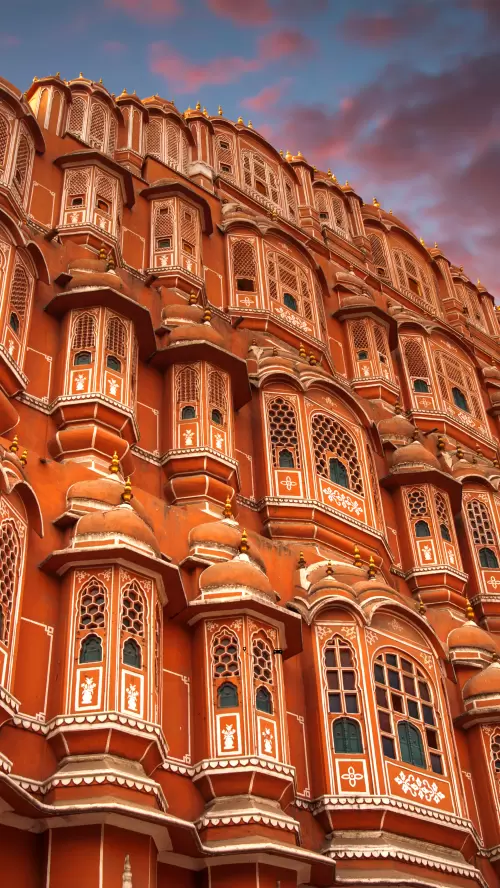
Amber Fort impresses visitors with its hilltop location, grand gateways, mirror-decorated halls, and beautifully designed courtyards overlooking Maota Lake. Within Jaipur's historic centre, the City Palace continues to preserve royal museums, ceremonial courtyards, and magnificent architectural details, while Hawa Mahal remains one of Rajasthan's most recognisable landmarks with its distinctive façade of intricately designed windows overlooking the bustling streets below.
  • Amber Fort: Magnificent hilltop royal fortress.
  • City Palace: Historic residence and museum.
  • Hawa Mahal: Iconic palace façade.
  • Mirror Work: Exceptional royal craftsmanship.
  • Historic Courtyards: Elegant palace spaces.
  • Royal Museums: Preserved historical collections.
  • Architectural Heritage: Jaipur's famous landmarks.
These remarkable monuments provide an excellent introduction to Jaipur's royal heritage while demonstrating the architectural excellence that earned the city international recognition as one of Rajasthan's greatest historical destinations.

Discover Jaipur's Connection with Rajput Rulers and Royal Planning

Jaipur was founded in the eighteenth century by Maharaja Sawai Jai Singh II, who established one of India's earliest planned cities based on principles of architecture, astronomy, administration, and urban organisation. Wide streets, organised markets, fortified walls, ceremonial gateways, and carefully designed neighbourhoods reflected advanced planning that continues to influence the city's layout today. This thoughtful urban design distinguishes Jaipur from many older medieval settlements across Rajasthan.
The royal court actively supported architecture, science, education, astronomy, trade, and artistic traditions throughout the kingdom. Important landmarks such as Jantar Mantar, royal temples, gardens, and administrative buildings demonstrate the rulers' commitment to intellectual achievement alongside architectural development. Exploring Jaipur therefore offers visitors a deeper understanding of how enlightened royal leadership shaped one of India's most successful historic capitals.
Royal Contribution Historical Importance Present-Day Legacy
Planned City Urban design Historic city layout
Royal Architecture Palaces and forts Major heritage attractions
Astronomy Scientific advancement Jantar Mantar
Traditional Markets Commercial planning Active heritage bazaars
Jaipur's carefully planned development reflects the remarkable vision of its rulers. The city's architecture, scientific achievements, and organised urban design continue to distinguish it as one of Rajasthan's most significant royal capitals.

Experience Heritage Streets Markets and Traditional Craftsmanship

Beyond its famous monuments, Jaipur preserves an active heritage environment where historic streets, colourful bazaars, artisan workshops, temples, and traditional neighbourhoods continue to reflect centuries of royal influence. Markets such as Johari Bazaar, Bapu Bazaar, and Tripolia Bazaar remain important centres for jewellery, textiles, block printing, blue pottery, handicrafts, and traditional crafts that developed under royal patronage.
Walking through Jaipur's historic streets allows visitors to experience the city's living heritage while observing beautifully preserved façades, decorative gateways, traditional architecture, and local craftsmanship. Heritage walks, museum visits, cultural performances, and artisan demonstrations further enrich the experience by connecting Rajasthan's royal history with the vibrant traditions that continue to flourish throughout the Pink City today.
  • Historic Bazaars: Traditional shopping districts.
  • Block Printing: Famous Jaipur textile tradition.
  • Blue Pottery: Distinctive local craftsmanship.
  • Jewellery Markets: Royal artistic heritage.
  • Heritage Streets: Preserved architectural beauty.
  • Cultural Experiences: Living traditions across the city.
  • Authentic Jaipur: History and craftsmanship together.
Jaipur's heritage extends beyond its royal monuments into every corner of its historic streets and traditional markets. Together, these living cultural experiences allow visitors to appreciate how the city's royal legacy continues to shape everyday life while preserving Rajasthan's remarkable architectural and artistic traditions.

Jodhpur’s Royal Heritage and Marwar Kingdom Experience

Explore Mehrangarh Fort Umaid Bhawan Palace and Historic Landmarks

Jodhpur, often called the Blue City, served as the capital of the powerful Marwar Kingdom and remains one of Rajasthan's most important centres of royal heritage. Dominating the city skyline is Mehrangarh Fort, one of India's largest and best-preserved hill forts. Rising dramatically above the surrounding landscape, the fort reflects centuries of military strength while preserving magnificent palaces, museums, courtyards, temples, and gateways built by successive Rathore rulers.
Another important landmark is Umaid Bhawan Palace, one of the world's largest private royal residences. Constructed during the twentieth century, the palace combines traditional Rajput design with Art Deco influences and continues to represent the later chapter of Rajasthan's royal history. Visitors exploring Jodhpur also encounter Jaswant Thada, old city gates, heritage markets, and traditional neighbourhoods that together illustrate the rich historical legacy of the Marwar Kingdom.
  • Mehrangarh Fort: One of India's greatest hill forts.
  • Umaid Bhawan Palace: Iconic royal residence.
  • Jaswant Thada: Elegant marble memorial.
  • Historic Gates: Preserved city fortifications.
  • Royal Museums: Artefacts and historical collections.
  • Blue City Views: Panoramic heritage landscapes.
  • Marwar Heritage: Experience centuries of royal history.
Jodhpur's remarkable landmarks introduce visitors to the architectural brilliance and royal traditions of the Marwar Kingdom while showcasing one of Rajasthan's most impressive historical landscapes.

Discover Marwar Traditions Architecture and Royal Collections

The Marwar Kingdom developed a distinctive architectural style characterised by imposing sandstone structures, intricately carved balconies, decorative courtyards, finely detailed windows, and massive defensive walls. Mehrangarh Fort preserves many of these features while housing royal apartments, audience halls, armouries, miniature paintings, textiles, ceremonial objects, and historic manuscripts that illustrate the sophistication of Marwar's royal court.
Visitors exploring Jodhpur gain insight into the customs, administration, military achievements, and artistic traditions that flourished under Rathore rule. Museum galleries display royal costumes, musical instruments, antique furniture, palanquins, weapons, and ceremonial artefacts that collectively tell the story of one of Rajasthan's most influential kingdoms. These carefully preserved collections provide a deeper understanding of Jodhpur's contribution to the state's royal heritage.
Heritage Feature Historical Importance Visitor Experience
Sandstone Architecture Regional building tradition Historic monuments
Royal Museums Preserved collections Historical learning
Audience Halls Royal administration Architectural exploration
Decorative Courtyards Royal ceremonies Artistic craftsmanship
Marwar's architectural achievements and royal collections continue to preserve the legacy of one of Rajasthan's most powerful kingdoms, allowing visitors to experience centuries of history through beautifully maintained monuments and museums.

Experience the Cultural Heritage of the Blue City

Beyond its royal monuments, Jodhpur offers visitors a vibrant cultural atmosphere where history continues to shape everyday life. The famous blue-painted houses surrounding Mehrangarh Fort create one of Rajasthan's most recognisable cityscapes, while narrow streets, traditional markets, artisan workshops, temples, and historic neighbourhoods preserve centuries-old customs and architectural styles. Walking through the old city allows travellers to experience living heritage alongside remarkable historical landmarks.
Markets such as Sardar Market near the Clock Tower remain active centres for handicrafts, spices, textiles, leather goods, and traditional Rajasthani products. Cultural performances, local cuisine, heritage walks, and artisan demonstrations further enrich the visitor experience by connecting Jodhpur's royal history with the traditions that continue to define the city today. Together, these experiences make Jodhpur one of Rajasthan's most rewarding heritage destinations.
  • Blue Houses: Iconic city landscape.
  • Sardar Market: Traditional shopping experience.
  • Clock Tower: Historic city landmark.
  • Local Handicrafts: Marwar craftsmanship.
  • Heritage Walks: Explore historic streets.
  • Traditional Cuisine: Regional food experiences.
  • Living Culture: History woven into daily life.
Jodhpur's Blue City combines magnificent royal monuments with vibrant cultural traditions that continue to flourish throughout its historic neighbourhoods. Every street, market, and monument reflects the enduring legacy of the Marwar Kingdom.

Udaipur’s Royal Heritage and Lake Palace Experiences

Explore City Palace and Royal Landmarks Around Lake Pichola

Udaipur, the historic capital of the Mewar Kingdom, is celebrated for its elegant palaces, tranquil lakes, and remarkable royal heritage. The City Palace stands as the city's most significant architectural landmark, rising above Lake Pichola with a magnificent complex of courtyards, balconies, towers, museums, and royal apartments constructed over several centuries by successive Sisodia rulers. Its commanding position provides panoramic views across the lake and surrounding hills while symbolising the strength and prestige of the Mewar dynasty.
Nearby landmarks such as Lake Palace, Jag Mandir, Fateh Prakash Palace, and other royal structures contribute to Udaipur's reputation as one of India's most beautiful heritage cities. Together, these monuments create a unique cultural landscape where water, architecture, and history blend harmoniously. Exploring these royal residences allows visitors to appreciate both the defensive planning and refined artistic traditions that shaped the Mewar Kingdom.
  • City Palace: Largest palace complex in Rajasthan.
  • Lake Palace: Iconic marble palace on Lake Pichola.
  • Jag Mandir: Historic island palace.
  • Royal Museums: Preserved Mewar collections.
  • Panoramic Lake Views: Scenic heritage landscapes.
  • Historic Architecture: Elegant palace design.
  • Mewar Heritage: Experience royal Udaipur.
The palaces surrounding Lake Pichola form one of Rajasthan's finest royal landscapes. Their architectural beauty and historical importance make Udaipur an essential destination for travellers interested in the state's royal heritage.

Discover Mewar History Art and Cultural Traditions

The Sisodia rulers of Mewar developed a proud royal tradition known for its resilience, artistic patronage, and strong cultural identity. Throughout their reign, they encouraged architecture, miniature painting, literature, temple construction, music, and craftsmanship that continue to influence Rajasthan's cultural heritage today. The City Palace Museum preserves many of these achievements through carefully curated collections of paintings, weapons, textiles, ceremonial objects, royal manuscripts, and historic artefacts.
Visitors exploring Udaipur gain valuable insight into the history of one of Rajasthan's oldest ruling dynasties while appreciating the refined artistic traditions that flourished under royal patronage. Decorative mirror work, colourful murals, carved balconies, marble pavilions, and elegant courtyards illustrate the sophistication of Mewar architecture while demonstrating the close relationship between royal life and artistic expression.
Royal Legacy Historical Importance Visitor Experience
Mewar Dynasty Historic Rajput kingdom Royal heritage exploration
Miniature Paintings Artistic tradition Museum collections
Marble Architecture Royal craftsmanship Elegant palace interiors
Royal Artefacts Historical preservation Cultural understanding
Udaipur's museums and royal monuments preserve the cultural achievements of the Mewar Kingdom while allowing visitors to experience centuries of artistic excellence and historical significance.

Experience Lakeside Heritage Landscapes and Royal Surroundings

The setting of Udaipur distinguishes it from every other royal city in Rajasthan. Lakes, surrounding hills, palace gardens, marble ghats, island palaces, and historic temples combine to create a landscape where natural beauty enhances architectural grandeur. Lake Pichola remains the centre of this heritage environment, reflecting the magnificent palaces and creating one of India's most photographed historical settings.
Visitors can experience Udaipur's royal surroundings through heritage walks, museum visits, lakeside viewpoints, cultural performances, and boat rides that reveal the city's architectural splendour from the water. Historic neighbourhoods surrounding the palace complex continue to preserve artisan workshops, traditional markets, temples, and narrow streets that connect the royal past with the city's vibrant present. Together, these experiences make Udaipur one of Rajasthan's most elegant heritage destinations.
  • Lake Pichola: Scenic royal surroundings.
  • Island Palaces: Unique architectural landmarks.
  • Heritage Walks: Explore historic neighbourhoods.
  • Marble Ghats: Beautiful lakeside architecture.
  • Traditional Markets: Local arts and crafts.
  • Cultural Performances: Experience Mewar traditions.
  • Royal Atmosphere: Heritage combined with natural beauty.
Udaipur's lakeside setting transforms its royal monuments into one of Rajasthan's most memorable cultural landscapes. The harmonious combination of architecture, history, water, and tradition continues to make the City of Lakes one of India's finest heritage destinations.

Jaisalmer’s Desert Heritage and Living Culture

Explore Jaisalmer Fort and Traditional Desert Settlements

Jaisalmer represents one of Rajasthan's most distinctive heritage destinations because its history is closely connected with the Thar Desert and the ancient trade routes that once linked India with Central Asia and beyond. Founded by the Bhati Rajputs in the twelfth century, the city grew into an important commercial centre where merchants, travellers, and royal families contributed to a prosperous desert kingdom. At its heart stands Jaisalmer Fort, one of the world's few living forts where thousands of people continue to live within centuries-old fortifications.
Constructed from golden sandstone that glows beautifully under changing sunlight, the fort contains temples, traditional homes, narrow streets, shops, restaurants, guesthouses, and historic residences that remain active today. Unlike many other historic forts that function only as monuments, Jaisalmer Fort continues to preserve everyday community life, offering visitors a rare opportunity to experience living heritage within one of Rajasthan's greatest architectural achievements.
  • Jaisalmer Fort: One of the world's living forts.
  • Golden Sandstone: Iconic desert architecture.
  • Historic Streets: Traditional residential neighbourhoods.
  • Ancient Temples: Preserved religious heritage.
  • Desert Kingdom: Historic trade centre.
  • Traditional Settlements: Living cultural heritage.
  • UNESCO Heritage: Internationally recognised landmark.
Exploring Jaisalmer Fort allows visitors to experience a remarkable blend of history, architecture, and everyday life. The fort remains one of Rajasthan's most authentic examples of living royal heritage.

Discover Ancient Havelis Markets and Local Craftsmanship

Beyond the fort, Jaisalmer is famous for its beautifully carved havelis that reflect the wealth and artistic achievements of the city's merchant families. Patwon Ki Haveli, Nathmal Ki Haveli, and Salim Singh Ki Haveli showcase intricate sandstone carvings, ornate balconies, decorative windows, courtyards, and finely detailed façades that continue to impress visitors with their extraordinary craftsmanship. These elegant mansions demonstrate how prosperous traders contributed to the city's cultural development during its golden trading era.
The markets surrounding Jaisalmer Fort continue this heritage through traditional handicrafts, embroidered textiles, leather goods, jewellery, woodwork, carpets, puppets, and desert-inspired souvenirs. Skilled artisans preserve techniques that have been passed down through generations, allowing visitors to witness living craftsmanship while exploring the city's historic commercial districts. Shopping in these markets becomes an extension of the heritage experience rather than simply a retail activity.
Heritage Attraction Historical Importance Visitor Experience
Patwon Ki Haveli Merchant residence Architectural exploration
Nathmal Ki Haveli Traditional craftsmanship Stone carvings
Historic Markets Trade heritage Shopping and local crafts
Artisan Workshops Traditional skills Handcrafted products
Jaisalmer's havelis and markets preserve the commercial and artistic heritage that once made the city one of the most prosperous trading centres in the Thar Desert. Every carved façade and traditional workshop reflects centuries of remarkable craftsmanship.

Experience Desert Culture Through Music Food and Traditions

Jaisalmer's cultural heritage extends beyond its architecture into the traditions of desert communities that have adapted to life in the Thar Desert for generations. Folk music, Kalbelia dance, Manganiyar performances, storytelling, local festivals, traditional clothing, and regional cuisine all contribute to the city's unique identity. Many cultural experiences are presented during desert camps, heritage hotels, and community events, allowing visitors to appreciate Rajasthan's living traditions within an authentic setting.
Traditional Rajasthani meals, camel safaris, desert camping, village visits, and evening cultural performances introduce travellers to the lifestyle, hospitality, and customs that continue to define western Rajasthan. These experiences complement historical sightseeing by connecting the monuments of Jaisalmer with the people and traditions that continue to preserve the city's remarkable heritage. Together, they create one of Rajasthan's most complete cultural journeys.
  • Folk Music: Traditional Manganiyar performances.
  • Kalbelia Dance: Famous desert folk tradition.
  • Camel Safaris: Historic desert transport experience.
  • Traditional Cuisine: Authentic Rajasthani flavours.
  • Desert Camps: Cultural evenings under the stars.
  • Village Traditions: Experience local lifestyles.
  • Living Heritage: Desert culture preserved today.
Jaisalmer offers one of Rajasthan's richest cultural experiences by combining remarkable historical monuments with vibrant desert traditions that continue to thrive today. Its living heritage makes every visit both educational and unforgettable.

Rajasthan’s Heritage Havelis and Traditional Architecture

Explore Beautifully Designed Havelis Across Historic Towns

Heritage havelis are among Rajasthan's finest architectural treasures, representing the prosperity of merchant families, noble households, and influential communities that flourished alongside the state's royal kingdoms. Built primarily between the eighteenth and early twentieth centuries, these grand mansions combined residential comfort with artistic excellence, showcasing remarkable craftsmanship in stone carving, woodwork, decorative painting, and structural design. Today, they remain an important part of Rajasthan's architectural identity.
Historic towns such as Jaisalmer, Shekhawati, Mandawa, Nawalgarh, Fatehpur, Bikaner, and parts of Jaipur and Jodhpur preserve outstanding collections of havelis that continue to attract architecture enthusiasts and cultural travellers. Many have been carefully restored as museums, heritage hotels, or cultural centres, while others remain privately owned. Exploring these magnificent residences allows visitors to appreciate Rajasthan's rich merchant history alongside its royal heritage.
  • Jaisalmer Havelis: Golden sandstone masterpieces.
  • Shekhawati Region: Famous painted mansions.
  • Mandawa: Historic merchant residences.
  • Nawalgarh: Rich architectural heritage.
  • Heritage Museums: Restored historic homes.
  • Traditional Architecture: Artistic residential design.
  • Cultural Preservation: Living examples of Rajasthan's history.
Rajasthan's heritage havelis provide valuable insight into the lives of wealthy merchants and noble families whose artistic contributions helped shape the state's remarkable architectural legacy.

Discover Murals Courtyards and Artistic Architectural Details

The artistic details found throughout Rajasthan's havelis demonstrate extraordinary craftsmanship developed over centuries. Colourful frescoes, decorative murals, carved sandstone façades, intricately designed balconies, lattice windows, ornamental arches, wooden doors, and spacious internal courtyards all contribute to the distinctive character of these historic residences. Every element reflects both practical design and aesthetic refinement suited to Rajasthan's climate and cultural traditions.
Many Shekhawati havelis are especially famous for their painted walls illustrating mythology, royal processions, religious themes, daily life, and scenes inspired by changing trade and cultural influences. Stone-carved havelis in Jaisalmer demonstrate equally remarkable craftsmanship through delicate sandstone detailing that appears almost lace-like in its precision. Together, these artistic achievements represent some of Rajasthan's greatest contributions to Indian architecture.
Architectural Feature Purpose Visitor Experience
Murals Decorative storytelling Historic artwork
Courtyards Ventilation and family gatherings Traditional residential design
Carved Balconies Architectural elegance Fine craftsmanship
Lattice Windows Climate control and privacy Decorative stonework
Every haveli showcases remarkable artistic achievement through carefully crafted architectural details that continue to impress visitors centuries after their construction. These masterpieces remain among Rajasthan's finest cultural treasures.

Experience the Lifestyle of Rajasthan's Merchant and Royal Communities

Beyond their architectural beauty, Rajasthan's havelis provide insight into the lifestyles of influential merchant families whose commercial success supported trade across the desert regions. Spacious courtyards, family temples, reception halls, guest rooms, storage areas, kitchens, and beautifully decorated residential quarters illustrate how prosperous households organised daily life while maintaining strong cultural and religious traditions. Many architectural features were carefully designed to provide comfort within Rajasthan's challenging desert climate.
Visitors exploring restored havelis today often encounter museums, heritage hotels, guided tours, cultural exhibitions, and artisan workshops that help explain the social history behind these remarkable buildings. The combination of architecture, craftsmanship, family history, and commercial heritage creates an engaging cultural experience that complements visits to Rajasthan's famous forts and palaces while revealing another important chapter of the state's historical development.
  • Merchant Heritage: Historic trading families.
  • Traditional Courtyards: Family living spaces.
  • Heritage Hotels: Restored historic residences.
  • Cultural Museums: Learn about historic lifestyles.
  • Architectural Tours: Explore preserved interiors.
  • Historic Craftsmanship: Appreciate traditional artistry.
  • Living Heritage: Experience Rajasthan's architectural legacy.
Rajasthan's heritage havelis preserve far more than beautiful architecture—they tell the story of prosperous merchant communities, artistic excellence, and cultural traditions that continue to enrich the state's extraordinary historical identity.

Living Heritage Experiences in Rajasthan

Experience Folk Music Dance and Traditional Cultural Performances

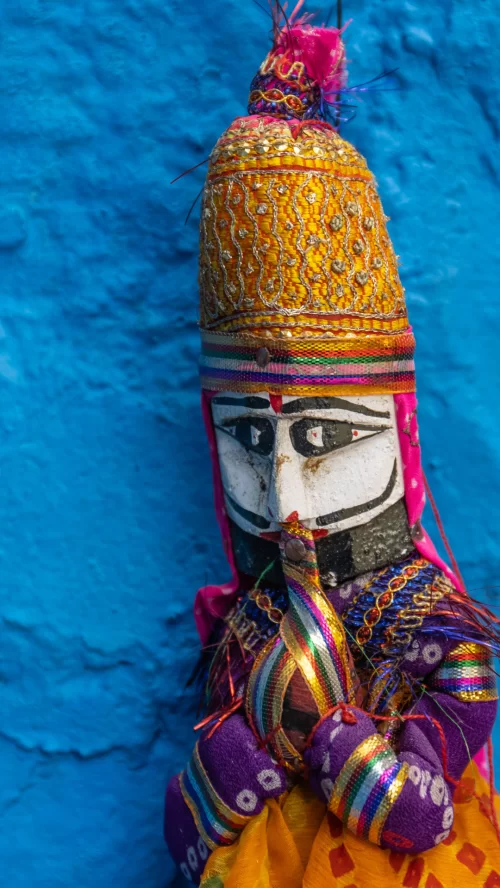
Rajasthan's royal heritage continues to thrive through its vibrant performing arts, many of which developed under the patronage of Rajput rulers. Traditional folk music, energetic dance forms, storytelling, puppet theatre, and ceremonial performances remain an important part of the state's cultural identity. Rather than existing only in museums, these artistic traditions continue to be performed at festivals, heritage hotels, desert camps, palace courtyards, and community celebrations throughout Rajasthan.
Visitors travelling across cities such as Jaipur, Jodhpur, Udaipur, Jaisalmer, Bikaner, and Pushkar frequently encounter performances by Manganiyar and Langa musicians, Kalbelia dancers, Ghoomar artists, and traditional puppet performers. These cultural experiences introduce travellers to centuries-old artistic traditions while highlighting the close relationship between Rajasthan's royal courts and local communities. Every performance reflects the history, values, and storytelling traditions that continue to define Rajasthan's cultural heritage.
  • Kalbelia Dance: Rajasthan's internationally recognised folk dance.
  • Ghoomar: Traditional royal dance performance.
  • Manganiyar Music: Historic desert musical tradition.
  • Langa Musicians: Rich folk music heritage.
  • Puppet Shows: Traditional storytelling performances.
  • Desert Camps: Evening cultural programmes.
  • Royal Courtyards: Heritage performance venues.
Experiencing Rajasthan's traditional music and dance allows visitors to appreciate a living cultural heritage that has been carefully preserved across generations. These performances remain among the state's most memorable cultural experiences.

Discover Local Festivals Handicrafts and Regional Customs

Rajasthan's festivals, handicrafts, and regional customs continue to celebrate the traditions established during centuries of royal patronage. Colourful celebrations such as Gangaur, Teej, Desert Festival, Mewar Festival, Marwar Festival, and numerous local fairs combine religious traditions with music, dance, artisan exhibitions, camel processions, and community gatherings. These events provide travellers with valuable opportunities to experience Rajasthan's living heritage beyond its historical monuments.
Traditional handicrafts remain equally important to Rajasthan's cultural identity. Skilled artisans continue producing block-printed textiles, blue pottery, miniature paintings, leather goods, carpets, jewellery, woodwork, stone carving, and embroidered fabrics using techniques that have been passed down for generations. Visiting artisan workshops and heritage markets allows travellers to witness these traditional skills while supporting local craftsmanship that continues to preserve Rajasthan's artistic legacy.
Cultural Experience Traditional Importance Visitor Opportunity
Festivals Community celebrations Cultural participation
Handicrafts Traditional craftsmanship Local shopping
Folk Traditions Regional identity Authentic experiences
Artisan Workshops Preserved skills Craft demonstrations
Local festivals and traditional crafts demonstrate that Rajasthan's heritage remains an active part of everyday life. Visitors gain a deeper appreciation for the state's cultural diversity by experiencing these traditions directly within local communities.

Explore How Rajasthan's Royal Traditions Continue in Modern Times

Although Rajasthan's royal kingdoms no longer govern the state, many traditions established during earlier centuries continue to influence modern life. Historic palaces have become heritage hotels, royal families actively support cultural preservation, traditional ceremonies remain part of community celebrations, and historic monuments continue to host festivals, exhibitions, and cultural events. These living traditions ensure that Rajasthan's royal legacy remains relevant for contemporary visitors while preserving important aspects of the state's historical identity.
Heritage walks, palace museums, traditional cuisine, artisan markets, restored havelis, cultural festivals, and community tourism all contribute to preserving Rajasthan's unique character. Rather than presenting history as something confined to the past, these experiences demonstrate how architecture, craftsmanship, hospitality, music, and customs continue to evolve while remaining closely connected with the state's remarkable royal heritage.
  • Heritage Hotels: Former royal residences welcoming guests.
  • Royal Museums: Preserved collections and traditions.
  • Cultural Festivals: Continuing historic celebrations.
  • Traditional Cuisine: Royal and regional culinary heritage.
  • Artisan Communities: Living craft traditions.
  • Historic Neighbourhoods: Preserved cultural identity.
  • Living Royal Heritage: Experience Rajasthan today.
Rajasthan's greatest strength lies in its ability to preserve history while allowing traditions to remain part of modern life. Every cultural experience reflects a heritage that continues to evolve without losing its remarkable connection to the state's royal past.

Best Time to Explore Rajasthan Royal Heritage

Understand Seasonal Conditions for Fort Palace and City Exploration

Rajasthan's climate plays an important role in planning heritage sightseeing because many forts, palaces, historic streets, and archaeological sites require extended periods of outdoor exploration. The cooler months from October to March generally provide the most comfortable conditions for walking through palace complexes, climbing fort pathways, exploring heritage markets, and participating in guided city tours. Pleasant temperatures during this period allow visitors to enjoy historical monuments without the challenges of intense daytime heat.
Summer months remain suitable for sightseeing during the early morning and evening, although midday temperatures can become considerably warmer, particularly in western Rajasthan. During the monsoon season, occasional rainfall refreshes the landscape while creating attractive photography opportunities around lakes, palaces, and gardens, especially in cities such as Udaipur. Understanding these seasonal differences helps travellers organise comfortable heritage itineraries throughout the state.
  • October to March: Comfortable heritage sightseeing season.
  • Winter Weather: Pleasant temperatures for outdoor exploration.
  • Summer Mornings: Suitable for early sightseeing.
  • Evening Visits: Cooler temperatures for monuments.
  • Monsoon Landscapes: Refreshing scenery in selected regions.
  • Walking Tours: More enjoyable during cooler months.
  • Photography: Seasonal lighting enhances monuments.
Choosing the appropriate season significantly improves the heritage experience by allowing visitors to comfortably explore Rajasthan's magnificent forts, palaces, and historic cities throughout the day.

Choose Comfortable Months for Heritage Sightseeing Experiences

Travellers planning comprehensive heritage itineraries often prefer the winter travel season because it allows multiple cities to be explored comfortably within a single journey. Visiting Jaipur, Jodhpur, Udaipur, Jaisalmer, Bikaner, and other royal destinations during pleasant weather creates opportunities to spend longer periods inside forts, museums, markets, and palace complexes without excessive heat affecting the overall experience.
The cooler months also encourage visitors to enjoy heritage walks, rooftop viewpoints, cultural performances, local markets, and evening illuminations that form an important part of Rajasthan's tourism experience. Comfortable temperatures make it easier to appreciate architectural details, museum collections, historical exhibitions, and traditional neighbourhoods while maintaining a relaxed sightseeing schedule throughout the trip.
Season Heritage Experience Visitor Comfort
Winter Excellent sightseeing Highly comfortable
Early Spring Good exploration Pleasant conditions
Summer Morning and evening visits Moderate comfort
Monsoon Scenic landscapes Variable conditions
Selecting comfortable travel months allows visitors to fully appreciate Rajasthan's remarkable heritage while enjoying relaxed exploration across its historic cities and royal monuments.

Plan Visits According to Festivals Cultural Events and Weather

Many travellers choose to visit Rajasthan during major cultural festivals because these celebrations bring royal traditions, folk performances, music, dance, and local customs to life across the state's heritage cities. Events such as the Desert Festival in Jaisalmer, Mewar Festival in Udaipur, Jaipur Literature Festival, Gangaur celebrations, Teej, and numerous regional fairs add an additional cultural dimension to historical sightseeing while showcasing Rajasthan's living heritage.
Planning travel around both seasonal weather and cultural events allows visitors to combine monument exploration with authentic community experiences. Heritage walks during pleasant mornings, museum visits in the afternoon, traditional markets during the evening, and cultural performances after sunset create a balanced itinerary that highlights the full richness of Rajasthan's royal legacy. Careful planning ensures travellers experience both the historical and living aspects of Rajasthan's remarkable cultural heritage.
  • Plan Around Festivals: Experience living cultural traditions.
  • Combine Heritage and Culture: Explore monuments and local events.
  • Include Evening Performances: Traditional music and dance.
  • Visit Heritage Markets: Discover local craftsmanship.
  • Allow Flexible Time: Explore cities comfortably.
  • Capture Seasonal Beauty: Photograph Rajasthan's landmarks.
  • Create Complete Itineraries: Balance history with cultural experiences.
Planning according to weather and cultural events transforms a heritage tour into a complete Rajasthan experience. Visitors not only explore magnificent monuments but also witness the traditions that continue to celebrate the state's extraordinary royal legacy.

Final Rajasthan Royal Heritage Travel Planning Guide

Choose Forts Palaces and Cultural Experiences Based on Interests

Planning a Rajasthan heritage journey begins with identifying the experiences that match your travel interests. History enthusiasts may focus on monumental forts such as Mehrangarh, Amber, Chittorgarh, Kumbhalgarh, and Jaisalmer Fort, while travellers interested in royal architecture can prioritise the City Palaces of Jaipur and Udaipur, Umaid Bhawan Palace, Lake Palace, and historic havelis across Shekhawati and Jaisalmer. Selecting destinations according to personal interests creates a more meaningful and enjoyable itinerary.
Rajasthan also offers numerous cultural experiences that complement monument visits. Heritage walks through old cities, museum tours, palace exhibitions, traditional folk performances, artisan workshops, local markets, desert cultural programmes, and heritage hotel stays provide opportunities to experience Rajasthan's royal traditions beyond sightseeing alone. Combining historical landmarks with living cultural experiences creates a balanced journey that reflects both the state's architectural grandeur and its vibrant traditions.
  • Choose Historic Forts: Explore Rajasthan's military heritage.
  • Visit Royal Palaces: Discover elegant architectural masterpieces.
  • Explore Heritage Havelis: Experience merchant history.
  • Attend Cultural Performances: Enjoy music and folk dance.
  • Visit Palace Museums: Learn about royal collections.
  • Experience Heritage Hotels: Stay in restored royal residences.
  • Create Personalised Itineraries: Match heritage experiences with travel interests.
Choosing attractions according to individual interests allows visitors to appreciate Rajasthan's extraordinary heritage at a comfortable pace while experiencing both its magnificent monuments and its living cultural traditions.

Plan Routes Destinations and Heritage Stays Before Visiting Rajasthan

A well-organised route helps travellers cover Rajasthan's major heritage destinations efficiently while avoiding unnecessary travel time. Popular heritage circuits often connect Jaipur, Jodhpur, Udaipur, Jaisalmer, Bikaner, Pushkar, Mount Abu, and Chittorgarh depending on the available duration. Planning realistic travel distances between cities ensures enough time to fully explore forts, palaces, museums, markets, and cultural attractions without rushing through each destination.
Accommodation also contributes significantly to the overall heritage experience. Rajasthan offers numerous heritage hotels located within restored palaces, forts, and havelis that allow visitors to experience traditional architecture, historic interiors, royal hospitality, and regional cuisine. Booking accommodation, transportation, monument entry tickets where required, and local guides in advance during the peak tourist season helps create a smooth and enjoyable journey across the state.
Planning Element Recommendation Benefit
Travel Route Plan realistic city circuits Comfortable sightseeing
Accommodation Consider heritage stays Authentic royal experience
Transportation Book in advance during peak season Smoother travel
Monument Visits Allow adequate exploration time Better heritage experience
Cultural Activities Include local performances and markets Complete Rajasthan experience
Thoughtful planning allows travellers to enjoy Rajasthan's heritage without unnecessary travel stress. A balanced itinerary combining monuments, cultural experiences, and comfortable accommodation creates a rewarding exploration of the state's royal legacy.

Final Checklist for Exploring Rajasthan's Royal Legacy

Before beginning a heritage journey through Rajasthan, travellers should confirm accommodation bookings, transportation arrangements, monument timings, photography rules where applicable, and seasonal weather conditions. Comfortable walking shoes, light clothing suitable for the season, drinking water, cameras, and sufficient time for exploring large fort complexes all contribute to a more enjoyable experience. Preparing in advance allows visitors to focus on discovering Rajasthan's remarkable history rather than managing avoidable travel concerns.
Rajasthan's royal heritage extends far beyond its famous monuments. Every palace, fort, haveli, market, temple, museum, festival, and traditional neighbourhood contributes to a continuous historical narrative that remains visible throughout the state today. By combining historical exploration with cultural experiences, local cuisine, artisan traditions, and heritage hospitality, visitors gain a comprehensive understanding of Rajasthan's extraordinary royal legacy and the traditions that continue to preserve it for future generations.
  • Plan Heritage Circuits: Connect major royal cities efficiently.
  • Book Heritage Accommodation: Enhance the cultural experience.
  • Allow Sufficient Time: Explore monuments comfortably.
  • Include Museums and Markets: Experience living heritage.
  • Attend Cultural Performances: Discover Rajasthan's traditions.
  • Travel During Pleasant Weather: Maximise sightseeing comfort.
  • Enjoy Rajasthan's Royal Legacy: Experience history, architecture, and culture together.
A carefully planned heritage journey reveals why Rajasthan remains one of India's greatest historical destinations. From majestic forts and magnificent palaces to vibrant traditions and living cultural experiences, every region preserves a unique chapter of the state's remarkable royal history, offering travellers an unforgettable exploration of India's enduring royal heritage.

Frequently Asked Questions About Royal Heritage of Rajasthan – Forts, Palaces and Living History

Explore Rajasthan Tour Packages

Explore All Packages

Latest Travel Blogs

View all Blogs →

Loved this place ? Let’s Plan Your Rajasthan Trip

Get customized Rajasthan tour planning designed around desert climate comfort, long-distance road travel flow, heritage exploration time, and realistic pacing between regions. Whether you are visiting for fort architecture, palace heritage, cultural exper

⚡ Quick Response | 💰 Free consultation | 🕒 24×7 expert support

×

Plan Your Trip