Homepage Banner

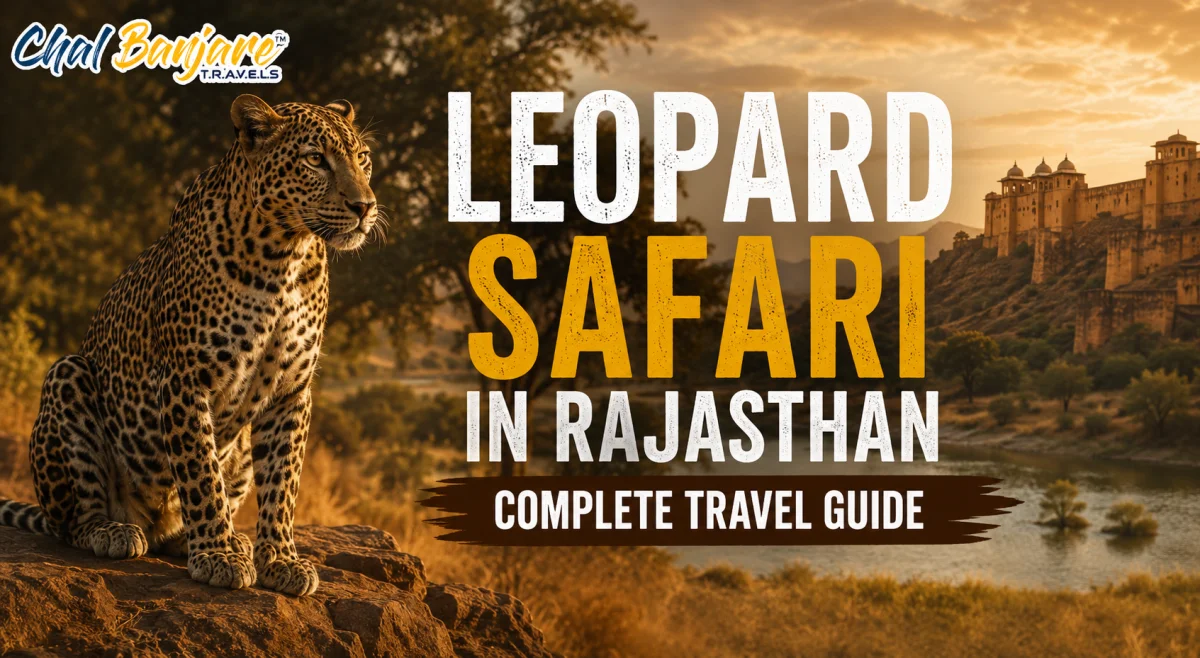
Leopard Safari in Rajasthan – Complete Travel Guide

Leopard safari in Rajasthan offers unique wildlife experiences through rocky landscapes, forest areas, and conservation zones where travellers can observe leopards and other native species.

Travel Guide


25 Jun, 2026 By: Radhika Shekhawat

Understanding Leopard Safari Experience in Rajasthan

Explore Rajasthan's Leopard Habitats and Unique Wildlife Landscapes

Rajasthan offers some of India's most remarkable opportunities to observe leopards in their natural environment. Unlike dense forest reserves, many leopard habitats in Rajasthan consist of granite hills, rocky outcrops, dry deciduous forests, scrub vegetation, and open valleys. These distinctive landscapes provide ideal shelter for leopards while creating exceptional wildlife viewing opportunities. The combination of rugged terrain and relatively open surroundings allows visitors to experience wildlife against dramatic natural backdrops unique to western India.
The state's best-known leopard destinations, including Jawai and Jhalana, each offer a different style of wildlife experience. Jawai is recognised for its impressive granite formations where leopards coexist alongside traditional rural communities, while Jhalana demonstrates how wildlife can thrive close to an urban environment. Exploring these contrasting habitats allows travellers to appreciate both Rajasthan's biodiversity and its remarkable landscapes.
  • Granite Hills: Natural leopard habitat.
  • Rocky Landscapes: Distinctive safari environment.
  • Scrub Forests: Important wildlife ecosystem.
  • Open Valleys: Scenic safari routes.
  • Unique Biodiversity: Home to diverse wildlife.
  • Natural Beauty: Dramatic Rajasthan landscapes.
  • Authentic Wildlife Experience: Explore natural leopard territory.
Rajasthan's leopard habitats combine spectacular scenery with outstanding wildlife opportunities, creating safari experiences that differ significantly from other wildlife destinations across India.

Understand How Leopard Safaris Differ from Traditional Tiger Safari Experiences

Although both leopard and tiger safaris focus on observing large wild cats, the overall experience differs considerably. Leopard habitats in Rajasthan are generally characterised by rocky terrain, hills, and open landscapes rather than dense forests. Leopards are naturally agile climbers and frequently use rocky outcrops, elevated viewpoints, and caves for resting, making the safari experience more closely connected with rugged landscapes than heavily wooded environments.
Safari routes also differ because leopard reserves are usually smaller than many tiger reserves, allowing visitors to cover varied terrain during a single safari. Wildlife sightings remain dependent on natural animal movement rather than fixed locations, making patience and observation important parts of every journey. In addition to leopards, travellers frequently encounter birds, deer, nilgai, jackals, hyenas, crocodiles in selected regions, and numerous smaller wildlife species throughout the safari.
Feature Leopard Safari Tiger Safari
Habitat Rocky hills and scrub forests Dense forests and grasslands
Landscape Granite formations and open terrain Forest ecosystems
Wildlife Focus Leopards and rocky habitats Tigers and forest wildlife
Viewing Style Observation across hills and rocks Forest trail exploration
Understanding these differences helps visitors appreciate leopard safaris for their unique landscapes and wildlife rather than comparing them directly with tiger reserves. Each offers a distinctive and rewarding wildlife experience.

Plan Leopard Safari Visits According to Location Season and Wildlife Interests

Choosing the right leopard safari depends on travel interests, available time, and preferred wildlife experiences. Travellers interested in dramatic granite landscapes and rural surroundings often choose Jawai, while visitors already exploring Jaipur frequently include Jhalana Leopard Safari Park because of its convenient location. Both destinations offer organised jeep safaris led by experienced guides who help visitors explore important wildlife habitats while interpreting animal behaviour throughout the journey.
Planning also involves selecting suitable safari timings and seasons. Morning and evening safaris generally provide more comfortable temperatures while increasing opportunities to observe active wildlife. Visitors interested in photography may prioritise sunrise or late afternoon departures when natural lighting enhances both landscapes and wildlife images. Careful planning allows travellers to combine safari experiences with the rest of their Rajasthan itinerary without unnecessary travel pressure.
  • Choose the Right Destination: Match safari with travel itinerary.
  • Select Morning or Evening Safaris: Comfortable wildlife viewing.
  • Consider Photography: Plan according to natural light.
  • Explore Diverse Habitats: Hills, forests, and valleys.
  • Include Wildlife in Rajasthan Itinerary: Balance nature and heritage tourism.
  • Travel Comfortably: Plan according to season.
  • Experience Authentic Wildlife: Discover Rajasthan beyond its monuments.
Thoughtful planning allows visitors to experience Rajasthan's extraordinary leopard habitats in the most rewarding way. Selecting the right destination, timing, and safari style creates an unforgettable wildlife adventure alongside the state's famous cultural attractions.

Best Places for Leopard Safari in Rajasthan

Explore Jawai Leopard Camp and Its Famous Leopard Landscapes

Jawai is widely recognised as Rajasthan's premier leopard safari destination because of its extraordinary combination of wildlife, granite hills, and traditional rural landscapes. Located between Jodhpur and Udaipur, the region is famous for its massive rock formations where leopards have successfully adapted to living alongside local communities. Unlike conventional wildlife reserves, Jawai presents a remarkable example of peaceful coexistence between humans and wildlife, making it one of India's most distinctive safari destinations.
Open jeep safaris travel through rocky terrain, seasonal streams, and elevated viewpoints while experienced guides search for leopards resting on granite outcrops or moving between hills. The landscape itself is equally impressive, offering panoramic desert scenery, birdlife, crocodiles around Jawai Dam, and opportunities to observe rural Rajasthan beyond the state's major cities. This combination of wildlife and dramatic scenery has made Jawai internationally known among nature enthusiasts and wildlife photographers.
  • Granite Hills: Iconic leopard habitat.
  • Jawai Dam: Wildlife and scenic landscapes.
  • Open Jeep Safaris: Explore rugged terrain.
  • Leopard Sightings: Rajasthan's most famous location.
  • Village Landscapes: Traditional rural surroundings.
  • Excellent Photography: Wildlife and panoramic scenery.
  • Unique Wildlife Experience: Human and wildlife coexistence.
Jawai offers one of India's most distinctive wildlife experiences by combining spectacular landscapes with remarkable leopard habitats. Its natural beauty and conservation success make it an essential destination for wildlife travellers visiting Rajasthan.

Discover Jhalana Leopard Safari Park Near Jaipur

Jhalana Leopard Safari Park provides an exceptional wildlife experience within close proximity to Jaipur, making it one of the most accessible leopard safari destinations in India. Located on the outskirts of the city, the reserve demonstrates how protected wildlife habitats can exist alongside expanding urban environments. Despite its location near Rajasthan's capital, Jhalana supports a healthy leopard population together with numerous bird species, deer, hyenas, foxes, and other native wildlife.
Organised jeep safaris explore forest tracks, rocky hills, dry riverbeds, and natural vegetation while experienced guides monitor wildlife movement throughout the reserve. Morning and evening safaris provide opportunities to observe leopards during periods of increased activity while also enjoying the peaceful atmosphere of the sanctuary. Jhalana's convenient location makes it particularly attractive for travellers wishing to combine heritage sightseeing in Jaipur with a rewarding wildlife experience.
Destination Main Attraction Ideal For
Jawai Granite hills and wild leopard habitat Nature enthusiasts and photographers
Jhalana Urban leopard sanctuary Travellers visiting Jaipur
Jhalana offers an excellent opportunity to experience Rajasthan's wildlife without travelling far from Jaipur. Its accessibility and healthy leopard population make it one of the state's most popular safari destinations.

Explore Other Leopard Habitats Across Rajasthan's Rocky Regions

While Jawai and Jhalana are Rajasthan's best-known leopard destinations, several other rocky landscapes across the state also support healthy leopard populations. Protected forests, hill ranges, and wildlife sanctuaries located in different districts provide suitable habitats where leopards continue to thrive alongside diverse ecosystems. Although many of these areas are less developed for tourism, they contribute significantly to Rajasthan's wildlife conservation efforts and ecological diversity.
Travellers primarily interested in organised leopard safaris generally choose Jawai or Jhalana because of their established tourism infrastructure and regular safari operations. However, understanding the broader distribution of leopard habitats helps visitors appreciate the importance of Rajasthan's rocky landscapes in supporting one of India's most adaptable large predators. These habitats also protect numerous other mammals, reptiles, and bird species that enrich the overall wildlife experience.
  • Rocky Hill Ecosystems: Important leopard habitats.
  • Protected Forests: Support diverse wildlife.
  • Conservation Areas: Preserve Rajasthan's biodiversity.
  • Scenic Landscapes: Rugged natural environments.
  • Wildlife Diversity: Beyond leopard sightings.
  • Nature Exploration: Experience Rajasthan's ecological richness.
  • Conservation Awareness: Understand the importance of protected habitats.
Rajasthan's rocky wilderness extends far beyond its famous safari destinations. Together, these habitats demonstrate the state's remarkable biodiversity while reinforcing its growing importance as one of India's leading destinations for leopard conservation and wildlife tourism.

Understanding Jawai Leopard Safari Experience

Explore Leopard Sightings Around Jawai's Granite Hills and Villages

Jawai is considered one of India's most remarkable leopard habitats because the region's massive granite hills provide ideal shelter for wild leopards. Unlike dense forests where animals often remain hidden by thick vegetation, Jawai's rocky landscape allows guides to observe movement across open terrain while carefully searching the hills for resting or travelling leopards. The natural rock formations contain numerous caves and elevated viewpoints that serve as important resting places for these elusive animals throughout the day.
One of Jawai's most distinctive features is the peaceful coexistence between wildlife and nearby rural communities. Leopards have lived alongside local villages for generations, creating an unusual conservation success where both wildlife and traditional lifestyles continue together. During a safari, visitors travel through quiet village roads, rocky valleys, seasonal streams, and elevated viewpoints while learning about this unique relationship between local communities and the surrounding wildlife.
  • Granite Hills: Natural habitat for wild leopards.
  • Rock Formations: Ideal resting and observation areas.
  • Village Landscapes: Traditional rural surroundings.
  • Open Safari Routes: Excellent visibility across rocky terrain.
  • Unique Conservation Story: Wildlife living alongside communities.
  • Scenic Valleys: Beautiful desert landscapes.
  • Authentic Wildlife Experience: One of Rajasthan's finest safari destinations.
Exploring Jawai's granite hills provides visitors with an opportunity to experience leopards within one of India's most distinctive natural environments. The dramatic landscape itself becomes an equally memorable part of every safari.

Discover the Connection Between Wildlife Communities and Local Landscapes

Jawai is internationally recognised not only for its leopard population but also for the remarkable relationship between wildlife, local communities, livestock, and the surrounding landscape. For generations, villages have shared this environment with leopards while continuing traditional agricultural and pastoral lifestyles. This coexistence has become an important example of community-supported wildlife conservation, attracting researchers, photographers, and nature enthusiasts from around the world.
During the safari, guides often explain how the granite hills, seasonal water sources, grasslands, and surrounding vegetation create suitable conditions for leopards and other wildlife. Visitors also gain insight into local customs, conservation efforts, and the importance of protecting both wildlife habitats and traditional rural communities. This educational aspect distinguishes Jawai from many other wildlife destinations.
Landscape Feature Importance Wildlife Benefit
Granite Hills Natural shelter Leopard habitat
Seasonal Water Bodies Water source Supports diverse wildlife
Open Grasslands Movement corridors Wildlife observation
Traditional Villages Cultural landscape Unique coexistence model
The relationship between Jawai's landscapes, wildlife, and local communities creates one of Rajasthan's most fascinating conservation stories. Visitors leave with a deeper appreciation of how nature and traditional lifestyles continue to exist together.

Experience Safari Routes Offering Leopards Birds and Scenic Views

A typical Jawai safari follows carefully selected routes through rocky valleys, granite hills, village surroundings, and areas where wildlife activity is regularly observed. Experienced naturalists continuously monitor animal movement while interpreting signs such as footprints, alarm calls, and recent sightings. Although leopard sightings always depend on natural conditions, the journey itself remains rewarding because of the extraordinary scenery encountered throughout the safari.
In addition to leopards, Jawai supports a rich variety of birdlife and other wildlife species. Visitors may observe peafowl, raptors, water birds around Jawai Dam, nilgai, jackals, crocodiles, and numerous smaller animals depending on the season. Combined with panoramic viewpoints overlooking the granite landscape, these wildlife encounters make every safari unique even when animal behaviour changes from one day to another.
  • Open Jeep Routes: Explore diverse natural landscapes.
  • Leopard Habitat: Search granite hills and rocky valleys.
  • Bird Watching: Observe numerous resident and migratory birds.
  • Jawai Dam: Scenic waterbody supporting wildlife.
  • Panoramic Viewpoints: Beautiful photography opportunities.
  • Experienced Guides: Learn about wildlife behaviour.
  • Complete Nature Experience: Wildlife, landscapes, and conservation together.
Jawai safari routes offer far more than leopard sightings alone. The combination of dramatic scenery, diverse wildlife, and outstanding conservation success creates one of Rajasthan's most rewarding wildlife experiences.

Understanding Jhalana Leopard Safari Experience

Explore Jaipur's Urban Wildlife Sanctuary and Leopard Habitats

Jhalana Leopard Safari Park is one of India's most unusual wildlife destinations because it protects a thriving leopard population within the outskirts of Jaipur. Despite its proximity to a large metropolitan area, the reserve contains natural forests, rocky hills, scrub vegetation, and dry valleys that provide suitable habitat for leopards and numerous other wildlife species. This successful coexistence between urban development and wildlife conservation makes Jhalana an important example of modern protected area management.
Visitors often include Jhalana as part of a Jaipur itinerary because the sanctuary can be reached conveniently from the city while offering a completely different experience from Rajasthan's historic monuments and palaces. Open jeep safaris introduce travellers to a peaceful natural environment where experienced guides search for wildlife while explaining the ecological importance of this protected reserve.
  • Urban Wildlife Sanctuary: Located near Jaipur city.
  • Healthy Leopard Population: Important protected habitat.
  • Rocky Terrain: Natural leopard environment.
  • Convenient Access: Easy addition to Jaipur itineraries.
  • Diverse Wildlife: Birds, deer, hyenas, and more.
  • Protected Forest: Conserving Rajasthan's biodiversity.
  • Educational Experience: Learn about urban wildlife conservation.
Jhalana demonstrates that wildlife conservation can succeed even near expanding cities. Its accessibility and ecological importance make it one of Rajasthan's most valuable wildlife attractions.

Discover Safari Routes Through Forests Rocky Terrain and Natural Surroundings

Safari vehicles travel along designated forest tracks that pass through dry deciduous woodland, rocky slopes, natural valleys, and open clearings where wildlife is frequently observed. The varied landscape creates excellent opportunities to appreciate Rajasthan's natural ecosystems while experienced guides monitor animal activity throughout the reserve. Every route offers slightly different scenery, ensuring that each safari provides a fresh experience regardless of previous visits.
Alongside leopards, visitors may encounter striped hyenas, desert foxes, nilgai, spotted deer, peafowl, owls, and numerous resident bird species. The diversity of wildlife ensures that every safari remains interesting even when leopard sightings depend on natural movement. Scenic viewpoints and forest trails also provide excellent opportunities for nature photography throughout the journey.
Safari Feature Experience Wildlife Opportunity
Forest Tracks Guided jeep safari Leopard searches
Rocky Hills Natural landscapes Wildlife observation
Open Clearings Scenic viewpoints Photography opportunities
Scrub Forest Diverse habitat Birdlife and mammals
The diversity of Jhalana's landscapes ensures that every safari combines wildlife observation with scenic exploration. The reserve offers an enjoyable balance of natural beauty and ecological diversity throughout the experience.

Understand Safari Timings Zones and Wildlife Viewing Opportunities

Jhalana operates organised jeep safaris during morning and evening sessions when wildlife activity is generally higher and temperatures remain comfortable. Visitors are accompanied by trained guides and drivers who follow authorised routes while interpreting animal behaviour, habitat characteristics, and conservation efforts within the reserve. Every safari follows regulated procedures designed to protect wildlife while providing visitors with meaningful observation opportunities.
Leopard sightings depend entirely on natural movement, making patience an important part of the experience. Visitors should appreciate that every safari offers different wildlife encounters depending on weather, season, and animal activity. Even when leopards remain hidden, the reserve's rich biodiversity, peaceful forests, and scenic landscapes provide a rewarding wildlife journey that complements Rajasthan's cultural attractions.
  • Morning Safaris: Pleasant temperatures and active wildlife.
  • Evening Safaris: Comfortable conditions and beautiful light.
  • Authorised Routes: Responsible wildlife tourism.
  • Experienced Guides: Wildlife interpretation throughout the safari.
  • Natural Sightings: Wildlife observed in its habitat.
  • Photography Opportunities: Landscapes and wildlife together.
  • Responsible Exploration: Respect protected ecosystems.
Jhalana offers one of Rajasthan's most accessible and rewarding wildlife experiences. Careful safari management, remarkable biodiversity, and the possibility of observing wild leopards make every visit an exciting journey into the state's natural heritage.

Best Time for Leopard Safari in Rajasthan

Understand Seasonal Conditions Affecting Leopard Activity and Sightings

Leopard safaris in Rajasthan operate throughout much of the year, but seasonal weather conditions influence both visitor comfort and wildlife activity. Leopards are naturally elusive animals whose movements depend on factors such as temperature, availability of prey, and daily activity patterns rather than any guaranteed schedule. As a result, every safari offers a unique wildlife experience shaped by natural conditions.
Cooler months generally provide more comfortable safari conditions for visitors, while warmer months may encourage wildlife to become more active during the early morning and late evening when temperatures are lower. Regardless of the season, experienced naturalists carefully monitor fresh tracks, alarm calls, and recent wildlife activity to improve opportunities for observation while respecting the natural behaviour of the animals.
  • Year-Round Safaris: Wildlife experiences available across multiple seasons.
  • Natural Animal Behaviour: Sightings depend on wildlife movement.
  • Morning Activity: Cooler temperatures encourage exploration.
  • Evening Safaris: Comfortable conditions for visitors.
  • Experienced Guides: Track wildlife activity.
  • Changing Landscapes: Different seasonal scenery.
  • Every Safari Is Unique: Wildlife experiences vary naturally.
Understanding seasonal wildlife behaviour allows visitors to approach leopard safaris with realistic expectations while appreciating every moment spent exploring Rajasthan's remarkable natural habitats.

Explore Winter Months for Comfortable Wildlife Exploration

Winter, generally from October to March, is widely considered the most comfortable period for leopard safaris in Rajasthan. Pleasant daytime temperatures make jeep rides enjoyable, while cool mornings and evenings create favourable conditions for spending several hours outdoors. Clear skies also improve visibility across rocky hills and forest landscapes, allowing visitors to appreciate both wildlife and the surrounding scenery.
Winter is also Rajasthan's busiest tourism season, making advance safari reservations advisable for popular destinations such as Jawai and Jhalana. Comfortable weather encourages travellers to combine wildlife experiences with visits to forts, palaces, desert destinations, and other cultural attractions, creating balanced Rajasthan itineraries that include both heritage and nature tourism.
Season Visitor Comfort Safari Experience
Winter Excellent Comfortable outdoor conditions
Early Spring Very Good Pleasant wildlife exploration
Summer Warm daytime conditions Morning and evening preferred
Monsoon Variable weather Changing natural conditions
Winter offers an excellent combination of pleasant weather, beautiful landscapes, and enjoyable safari conditions, making it the preferred season for many wildlife enthusiasts visiting Rajasthan.

Plan Summer Visits Based on Wildlife Movement and Safari Conditions

Summer safaris present a different but equally interesting wildlife experience. Although daytime temperatures become considerably warmer, early morning and late afternoon safaris continue to operate when conditions are more comfortable. During these cooler periods, wildlife often becomes more active before temperatures rise later in the day, making careful timing particularly important for visitors travelling during warmer months.
Travellers visiting during summer should prepare for stronger sunlight by carrying suitable clothing, drinking water, sunglasses, hats, and sunscreen. Planning additional sightseeing during the middle of the day while reserving safari activities for cooler hours creates a more comfortable itinerary. With proper preparation, summer remains a rewarding season for experiencing Rajasthan's leopard habitats and spectacular rocky landscapes.
  • Choose Early Morning: Cooler temperatures and pleasant conditions.
  • Select Evening Safaris: Comfortable wildlife exploration.
  • Carry Sun Protection: Prepare for strong sunlight.
  • Stay Hydrated: Bring sufficient drinking water.
  • Wear Breathable Clothing: Suitable for outdoor activities.
  • Plan Activities Carefully: Avoid midday heat where possible.
  • Enjoy Seasonal Wildlife: Experience Rajasthan's changing landscapes.
Planning safari timings carefully allows visitors to enjoy Rajasthan's leopard habitats comfortably even during warmer months. Good preparation ensures a rewarding wildlife experience regardless of the season.

Leopard Safari Cost and Booking Guide

Understand Safari Charges Based on Location Vehicle and Duration

Leopard safari costs in Rajasthan vary according to the destination, safari duration, vehicle type, and the services included within the booking. Destinations such as Jawai and Jhalana offer organised jeep safaris, while some premium wildlife lodges combine accommodation with guided safari experiences. Visitors should evaluate complete package details rather than comparing prices alone because facilities, guiding services, and overall safari quality can differ significantly between operators.
Private jeep safaris generally provide greater flexibility for photographers and families, while shared safari vehicles offer a more economical option for many travellers. Premium wildlife experiences may also include accommodation, meals, birdwatching activities, or nature walks depending on the selected lodge or safari operator. Understanding these differences helps visitors choose experiences that match both their interests and travel budget.
  • Shared Jeeps: Budget-friendly safari option.
  • Private Vehicles: Greater flexibility and privacy.
  • Premium Packages: Safari combined with accommodation.
  • Professional Guides: Included with organised safaris.
  • Different Destinations: Prices vary by location.
  • Compare Inclusions: Review package details carefully.
  • Match Budget: Select suitable safari experiences.
Understanding safari pricing helps travellers compare available options more effectively. Choosing a package that balances quality, comfort, and budget contributes to a rewarding wildlife experience.

Explore Advance Booking Requirements for Popular Leopard Destinations

Popular leopard safari destinations frequently receive strong demand during Rajasthan's peak tourist season, particularly from October through March. Travellers planning to visit Jawai or Jhalana during weekends, holidays, or festival periods should consider making reservations in advance to secure preferred safari timings and accommodation. Early booking also provides greater flexibility when choosing morning or evening safari sessions.
Advance reservations become especially important for visitors staying at wildlife lodges or luxury safari camps because accommodation availability may be limited during busy travel periods. Confirming safari schedules, reporting times, pickup arrangements, and accommodation details before arrival helps create a smooth travel experience while reducing unnecessary planning after reaching the destination.
Booking Aspect Recommendation Benefit
Peak Season Reserve early Better availability
Morning Safari Book preferred time Comfortable wildlife viewing
Accommodation Confirm before arrival Smooth travel planning
Safari Operator Choose authorised providers Reliable experience
Planning bookings before travelling helps visitors enjoy organised safari experiences without unnecessary uncertainty. Early preparation allows greater flexibility while increasing the likelihood of securing preferred safari schedules.

Plan Safari Expenses According to Travel Budget and Preferences

Wildlife experiences can easily be adapted to different travel budgets because Rajasthan offers a range of safari options from standard shared jeep excursions to luxury wildlife lodges with multiple guided activities. Travellers should decide in advance whether wildlife photography, extended stays, birdwatching, or premium accommodation are priorities, as these choices influence the overall travel budget more than the safari itself.
Including accommodation, local transportation, meals, and safari charges within the overall Rajasthan itinerary helps visitors avoid unexpected expenses while ensuring enough time is available to fully enjoy the wildlife destination. Careful budgeting also allows travellers to combine leopard safaris with Rajasthan's famous forts, palaces, lakes, and desert attractions without compromising the overall travel experience.
  • Set a Wildlife Budget: Plan safari expenses in advance.
  • Compare Package Options: Match experiences with travel goals.
  • Include Accommodation: Budget for wildlife lodges if required.
  • Plan Local Transport: Consider transfers to safari locations.
  • Allow Extra Time: Enjoy multiple safari sessions if possible.
  • Balance Heritage and Wildlife: Create a complete Rajasthan itinerary.
  • Travel Comfortably: Choose experiences suited to your preferences.
Thoughtful budgeting allows travellers to enjoy Rajasthan's outstanding leopard safari destinations while maintaining a balanced itinerary. Careful planning ensures that wildlife experiences become a memorable part of the overall journey through the state.

Wildlife and Photography Experiences During Leopard Safari

Capture Leopards Birds Landscapes and Natural Surroundings

Leopard safaris in Rajasthan provide outstanding opportunities for wildlife and landscape photography because the rocky terrain, open valleys, granite hills, and dry forests create visually dramatic settings. While leopards remain the primary attraction, every safari also introduces visitors to a rich variety of birds, mammals, reptiles, and scenic landscapes that contribute to a rewarding photography experience. The diversity of subjects ensures that photographers remain engaged throughout the journey regardless of individual wildlife sightings.
Jawai's granite hills and Jhalana's forested landscapes each present distinctive photographic environments. Visitors may photograph leopards resting on elevated rocks, peafowl displaying in open clearings, birds of prey soaring above cliffs, crocodiles near Jawai Dam, and panoramic views stretching across Rajasthan's rugged countryside. The changing light throughout the day continually transforms these landscapes, allowing photographers to create varied compositions during every safari.
  • Leopard Photography: Observe wildlife in natural habitats.
  • Granite Landscapes: Dramatic rocky scenery.
  • Birdlife: Photograph resident and migratory species.
  • Open Valleys: Scenic panoramic views.
  • Jawai Dam: Waterbirds and surrounding wildlife.
  • Natural Habitats: Authentic wilderness settings.
  • Diverse Subjects: Wildlife and landscapes throughout the safari.
Wildlife photography in Rajasthan extends far beyond leopard sightings. Every safari offers opportunities to document diverse ecosystems, remarkable landscapes, and the natural beauty that defines the state's famous leopard habitats.

Explore Photography Opportunities During Morning and Evening Safaris

Morning and evening safaris are generally preferred by wildlife photographers because natural lighting remains softer and more balanced during these periods. Early morning sunlight highlights granite hills, forests, and wildlife with gentle illumination, while evening safaris often produce warm golden tones that enhance both landscapes and animal photography. Comfortable temperatures during these sessions also allow visitors to spend more time observing wildlife without the challenges of stronger midday sunlight.
The direction of natural light changes continuously throughout the safari, creating opportunities for wide landscape images, wildlife portraits, environmental compositions, and scenic photography. Visitors interested in nature photography should allow extra time before and after sightings to appreciate changing light conditions across the reserve. Every safari presents different photographic possibilities because weather, wildlife behaviour, and seasonal landscapes continually evolve.
Safari Timing Photography Benefit Suitable Subjects
Early Morning Soft natural light Wildlife and landscapes
Late Afternoon Golden-hour colours Leopards and scenery
Evening Warm lighting Landscape photography
Clear Winter Days Excellent visibility Panoramic viewpoints
Choosing the right safari timing significantly improves photography opportunities while allowing visitors to experience Rajasthan's wildlife under beautiful natural lighting conditions.

Understand Conditions Affecting Wildlife Photography Experiences

Wildlife photography always depends on natural conditions rather than guaranteed animal behaviour. Leopards remain free-ranging wild animals whose movements vary according to weather, prey activity, and habitat conditions. Successful wildlife photography therefore requires patience, observation, and an appreciation for every aspect of the safari rather than focusing solely on close leopard encounters. Experienced guides help visitors understand animal behaviour while identifying promising observation areas throughout the reserve.
Visitors should also remember that excellent wildlife photography includes landscapes, birds, vegetation, and environmental scenes that illustrate the complete ecosystem. Photographing the rocky hills of Jawai, the forests of Jhalana, or birds resting within the reserve contributes to a richer photographic story of Rajasthan's wildlife. Respecting wildlife by maintaining appropriate distances and avoiding disturbance remains essential throughout every safari.
  • Be Patient: Wildlife follows natural behaviour.
  • Respect Animals: Maintain appropriate viewing distances.
  • Photograph Landscapes: Capture the complete habitat.
  • Observe Birdlife: Expand wildlife photography opportunities.
  • Follow Guide Advice: Improve wildlife observation.
  • Enjoy Every Safari: Every journey offers different subjects.
  • Create Complete Stories: Combine wildlife with natural scenery.
Approaching wildlife photography with patience and realistic expectations creates a far more rewarding experience. Rajasthan's leopard reserves offer exceptional opportunities to document not only remarkable wildlife but also the extraordinary landscapes that support these thriving natural ecosystems.

What to Expect During a Leopard Safari

Experience Open Jeep Rides Through Forests and Rocky Landscapes

A typical leopard safari begins with an open jeep journey led by an authorised guide and driver who navigate designated safari routes through protected wildlife habitats. Visitors travel across rocky hills, scrub forests, dry riverbeds, grasslands, and natural valleys while guides carefully observe fresh animal signs and explain the ecological characteristics of the reserve. The open design of the safari vehicle provides clear views of the surrounding landscape while allowing visitors to experience the natural sounds and atmosphere of the wilderness.
Unlike conventional sightseeing tours, wildlife safaris follow flexible routes influenced by natural animal movement rather than predetermined sightseeing stops. Every safari therefore develops differently depending on recent wildlife activity, weather conditions, and observations made by experienced naturalists. Even when wildlife remains hidden, the dramatic landscapes and peaceful surroundings create an enjoyable nature experience throughout the journey.
  • Open Jeep Safaris: Comfortable wildlife exploration.
  • Rocky Landscapes: Explore natural leopard habitats.
  • Protected Forests: Experience Rajasthan's biodiversity.
  • Professional Guides: Wildlife interpretation throughout the safari.
  • Scenic Routes: Panoramic natural landscapes.
  • Flexible Exploration: Follow wildlife activity.
  • Authentic Nature Experience: Observe wildlife responsibly.
The jeep safari itself forms an essential part of the wildlife experience. Travelling through Rajasthan's protected landscapes allows visitors to appreciate the natural environment while searching for one of India's most fascinating predators.

Understand Wildlife Behaviour and Chances of Leopard Sightings

Leopards are naturally cautious and highly adaptable animals that move according to their own daily routines. Because they remain completely wild, sightings can never be guaranteed on any safari regardless of the season or destination. Experienced guides increase observation opportunities by interpreting fresh tracks, alarm calls from deer or birds, and recent animal movements, but every encounter ultimately depends on natural behaviour rather than predictable schedules.
Visitors should approach every safari as an opportunity to experience an entire ecosystem rather than focusing exclusively on leopard sightings. Deer, nilgai, hyenas, jackals, peafowl, raptors, reptiles, and numerous bird species all contribute to the richness of Rajasthan's wildlife reserves. Appreciating this broader biodiversity often makes the overall experience far more rewarding than concentrating only on one species.
Wildlife Experience What to Expect Visitor Approach
Leopard Sightings Dependent on natural movement Be patient
Birdlife Common throughout reserves Observe carefully
Other Mammals Frequently encountered Enjoy overall biodiversity
Natural Behaviour Completely unpredictable Respect wildlife
Understanding natural wildlife behaviour helps travellers develop realistic expectations while appreciating every aspect of Rajasthan's remarkable ecosystems throughout the safari.

Prepare for Outdoor Conditions and Natural Surroundings

Leopard safaris take place entirely outdoors, making preparation important for visitor comfort. Travellers should wear comfortable clothing suitable for changing temperatures, secure footwear, hats, sunglasses, and sunscreen while carrying sufficient drinking water throughout the safari. Winter mornings may feel cool, whereas afternoons can become considerably warmer, making layered clothing particularly useful during certain seasons.
Visitors should also expect dusty roads, uneven terrain, natural vegetation, and changing weather conditions as part of the wilderness experience. Remaining seated during the safari, following guide instructions, and respecting wildlife viewing distances all contribute to responsible tourism while allowing everyone to enjoy the reserve safely. Accepting these natural conditions enhances appreciation for Rajasthan's protected landscapes and wildlife conservation efforts.
  • Dress Comfortably: Prepare for outdoor activities.
  • Carry Water: Stay hydrated throughout the safari.
  • Use Sun Protection: Hat, sunglasses, and sunscreen.
  • Follow Guide Instructions: Respect reserve regulations.
  • Remain Patient: Wildlife follows natural patterns.
  • Appreciate Nature: Enjoy landscapes beyond wildlife sightings.
  • Travel Responsibly: Protect Rajasthan's natural heritage.
Preparing properly allows visitors to enjoy every aspect of Rajasthan's leopard safaris comfortably and responsibly. With realistic expectations and thoughtful planning, the journey becomes an unforgettable exploration of the state's extraordinary wildlife landscapes.

Leopard Safari Travel Tips and Safety Guidelines

Follow Safari Rules and Maintain Distance from Wildlife

Leopard safaris are conducted within protected wildlife habitats where the safety of both visitors and animals depends on responsible behaviour. Every safari is led by trained guides and authorised drivers who follow designated routes and established park regulations. Visitors should remain seated inside the safari vehicle throughout the journey unless specifically instructed otherwise by reserve authorities. Following these guidelines helps ensure that wildlife remains undisturbed while everyone enjoys the experience safely.
Maintaining a respectful distance from wild animals is essential because leopards and other species should be allowed to behave naturally without human interference. Loud conversations, sudden movements, feeding wildlife, or attempting to attract animals for photographs should always be avoided. Responsible wildlife tourism not only protects the animals but also contributes to the long-term conservation of Rajasthan's important leopard habitats.
  • Remain Inside the Vehicle: Follow all safari regulations.
  • Respect Wildlife: Observe animals from a safe distance.
  • Keep Noise Low: Avoid disturbing wildlife.
  • Do Not Feed Animals: Protect natural behaviour.
  • Follow Guide Instructions: Safety is the highest priority.
  • Stay Calm: Allow wildlife to move naturally.
  • Support Conservation: Practise responsible wildlife tourism.
Respecting safari regulations creates a safer experience for visitors while protecting Rajasthan's wildlife. Responsible behaviour allows future travellers to enjoy these remarkable habitats in their natural condition.

Carry Suitable Clothing Cameras and Essential Travel Items

Proper preparation improves both comfort and enjoyment during a leopard safari. Visitors should wear comfortable clothing in neutral or earth-toned colours that blend naturally with the environment while avoiding bright colours that may distract wildlife. Lightweight clothing is suitable for warm daytime conditions, while an additional jacket is useful during cooler mornings and winter evenings. Comfortable closed footwear is recommended because safari routes often include dusty and uneven terrain.
Essential travel items include drinking water, sunglasses, sunscreen, hats, binoculars, cameras, and spare batteries for extended photography sessions. Dust protection for cameras and lenses can also be useful, particularly during dry weather. Packing thoughtfully before the safari allows visitors to concentrate on wildlife observation rather than managing avoidable discomfort during the journey.
Essential Item Purpose Benefit
Comfortable Clothing Outdoor comfort Suitable for changing temperatures
Drinking Water Hydration Comfort throughout the safari
Binoculars Wildlife observation Better viewing opportunities
Camera Photography Capture wildlife and landscapes
Sun Protection Protection from sunlight Comfort during outdoor activities
Carrying suitable equipment ensures visitors remain comfortable while making the most of wildlife observation and photography opportunities throughout the safari experience.

Choose Authorised Safari Operators and Follow Guide Instructions

Selecting authorised safari operators is an important part of planning a safe and enjoyable wildlife experience. Official operators employ trained guides and experienced drivers who understand wildlife behaviour, reserve regulations, and responsible tourism practices. They also ensure that safari vehicles operate only on approved routes while respecting conservation guidelines established for the protected area.
Guides play a valuable educational role throughout the safari by explaining animal behaviour, identifying wildlife signs, interpreting bird calls, and sharing information about Rajasthan's ecosystems. Visitors should listen carefully to instructions regarding photography, wildlife viewing, and vehicle safety throughout the journey. Trusting the experience of trained guides enhances both the educational value and overall quality of the safari.
  • Book Authorised Safaris: Choose approved operators.
  • Travel With Experienced Guides: Learn about wildlife.
  • Follow Reserve Regulations: Respect conservation rules.
  • Stay on Designated Routes: Protect natural habitats.
  • Listen Carefully: Follow guide instructions throughout the safari.
  • Support Responsible Tourism: Encourage wildlife conservation.
  • Enjoy a Safe Experience: Explore Rajasthan's wildlife responsibly.
Choosing authorised operators and cooperating with experienced guides ensures that every leopard safari remains safe, educational, and environmentally responsible. Careful planning and responsible behaviour allow visitors to enjoy Rajasthan's remarkable wildlife while supporting long-term conservation efforts.

Common Mistakes Tourists Should Avoid During Leopard Safari

Avoid Expecting Guaranteed Leopard Sightings During Every Safari

One of the most common misconceptions about wildlife safaris is expecting guaranteed leopard sightings during every visit. Leopards are completely wild animals that move freely within their natural habitat, making every safari different. Their behaviour depends on factors such as weather, prey movement, time of day, and natural instincts rather than predictable schedules. Even experienced guides cannot promise sightings because wildlife observation always depends on nature.
Visitors who approach the safari with realistic expectations generally enjoy the experience far more because they appreciate every aspect of the ecosystem rather than focusing solely on one animal. Rajasthan's leopard reserves offer beautiful landscapes, diverse birdlife, rocky terrain, and numerous other wildlife species that contribute to an equally rewarding nature experience regardless of individual leopard encounters.
  • Accept Natural Wildlife Behaviour: Sightings cannot be guaranteed.
  • Enjoy the Complete Ecosystem: Appreciate all wildlife.
  • Value Every Safari: Each journey is different.
  • Observe Landscapes: Scenic surroundings are part of the experience.
  • Trust Natural Processes: Wildlife follows its own routines.
  • Remain Positive: Every safari offers something unique.
  • Respect Conservation: Wildlife comes before tourism.
Understanding that wildlife follows natural patterns helps visitors enjoy the safari for its complete ecological value. Every journey through Rajasthan's leopard habitats offers memorable experiences beyond individual sightings.

Understand the Importance of Patience During Wildlife Experiences

Wildlife observation rewards patience more than speed. Leopard safaris often involve careful scanning of rocky hills, listening for alarm calls from birds and deer, and waiting quietly while guides interpret fresh animal signs. Some of the most memorable sightings occur after long periods of careful observation rather than constant movement through the reserve. Remaining patient allows visitors to experience wildlife in a more authentic and meaningful way.
Patience also improves photography opportunities because animals often appear unexpectedly or remain visible only briefly. Visitors who remain attentive throughout the safari frequently observe a wide variety of birds, mammals, reptiles, and natural behaviour that might otherwise be overlooked. Appreciating every moment rather than focusing only on one expected sighting creates a richer wildlife experience.
Visitor Approach Result Experience
Patient Observation Better wildlife appreciation More rewarding safari
Listen to Guides Improved understanding Educational experience
Observe Entire Habitat More wildlife encounters Complete nature experience
Respect Wildlife Natural animal behaviour Responsible tourism
Patience transforms a wildlife safari into an immersive nature experience. The opportunity to observe animals behaving naturally is often far more rewarding than rushing through the reserve in search of immediate sightings.

Plan Safari Visits With Realistic Expectations and Proper Preparation

Planning ahead helps visitors avoid many common safari disappointments. Choosing suitable clothing, booking authorised operators, carrying essential travel items, understanding seasonal weather, and allowing sufficient time for wildlife observation all contribute to a smoother experience. Travellers should also remember that outdoor safaris involve dust, changing temperatures, uneven terrain, and natural conditions that are part of every wilderness adventure.
The most memorable leopard safaris are those approached with curiosity, patience, and respect for the natural environment. Rather than treating the experience as a guaranteed wildlife show, visitors should view it as an opportunity to explore Rajasthan's remarkable ecosystems while learning about conservation, biodiversity, and the behaviour of one of India's most fascinating predators.
  • Prepare Before Arrival: Pack suitable clothing and essentials.
  • Book Early: Reserve preferred safari timings.
  • Follow Guide Advice: Improve wildlife observation.
  • Respect Nature: Protect wildlife habitats.
  • Allow Enough Time: Avoid rushing the experience.
  • Stay Flexible: Wildlife behaviour changes naturally.
  • Enjoy the Journey: Appreciate Rajasthan's complete natural heritage.
Realistic expectations and careful preparation allow visitors to enjoy every aspect of Rajasthan's leopard safaris. The combination of wildlife, landscapes, conservation, and natural beauty creates an unforgettable experience that extends far beyond the possibility of leopard sightings alone.

Final Rajasthan Leopard Safari Planning Guide

Choose Leopard Safari Destinations Based on Interests and Travel Plans

Selecting the right leopard safari destination is the first step towards creating a rewarding wildlife experience in Rajasthan. Travellers interested in dramatic granite landscapes, rural surroundings, and one of India's most famous leopard habitats often prefer Jawai, while those visiting Jaipur can conveniently include Jhalana Leopard Safari Park within their itinerary. Each destination offers a unique combination of wildlife, landscapes, and conservation experiences that complement Rajasthan's cultural attractions.
When planning the safari, visitors should consider the available travel time, preferred accommodation, photography interests, and the overall route through Rajasthan. Combining wildlife destinations with forts, palaces, lakes, temples, and desert experiences creates a balanced itinerary that showcases both the state's rich heritage and its remarkable biodiversity. Selecting destinations according to personal interests allows travellers to enjoy a more relaxed and memorable journey.
  • Choose Jawai: Granite hills and renowned leopard habitat.
  • Choose Jhalana: Convenient wildlife experience near Jaipur.
  • Match Safari to Itinerary: Combine wildlife with sightseeing.
  • Consider Photography: Select destinations with scenic landscapes.
  • Plan Comfortable Travel: Balance safari days with city exploration.
  • Explore Rajasthan's Diversity: Wildlife alongside cultural heritage.
  • Create a Personalised Journey: Match destinations with travel interests.
Choosing destinations thoughtfully allows visitors to experience Rajasthan's finest leopard habitats while maintaining a comfortable travel schedule. Every destination contributes a unique perspective on the state's extraordinary wildlife and natural landscapes.

Plan Bookings Timing and Accommodation Before Visiting Rajasthan

Advance planning plays an important role in ensuring a smooth leopard safari experience. Booking safari permits, authorised operators, and accommodation before arrival is especially beneficial during the peak travel season when visitor demand is highest. Morning and evening safari sessions are generally the most popular because they offer pleasant weather and excellent opportunities for wildlife observation and photography.
Travellers should also coordinate accommodation according to the selected safari destination. Wildlife lodges near Jawai provide convenient access to early morning safaris, while visitors staying in Jaipur can easily reach Jhalana from city hotels. Planning transportation, reporting times, and daily schedules in advance reduces travel stress and allows more time to enjoy the wildlife experience itself.
Planning Area Recommendation Benefit
Safari Booking Reserve in advance Better availability
Accommodation Stay near safari destination Convenient early departures
Safari Timing Morning or evening Comfortable wildlife viewing
Transportation Plan transfers before arrival Smoother travel experience
Travel Schedule Allow sufficient safari time Relaxed wildlife exploration
Careful planning before reaching Rajasthan allows travellers to enjoy every aspect of the safari without unnecessary logistical concerns. Good organisation creates a more relaxed and rewarding wildlife journey.

Final Checklist for an Unforgettable Leopard Safari Experience

Before beginning the safari, visitors should confirm all bookings, carry suitable clothing for changing weather conditions, pack binoculars and cameras, bring drinking water, and review safari guidelines provided by authorised operators. Understanding that wildlife follows natural behaviour rather than fixed schedules helps travellers approach the experience with realistic expectations while appreciating every aspect of the reserve.
A leopard safari is much more than the possibility of seeing a single animal. It is an opportunity to explore Rajasthan's rugged landscapes, observe diverse wildlife, learn about conservation, and experience the peaceful atmosphere of protected natural habitats. Travellers who combine patience, preparation, and curiosity often leave with lasting memories created not only by wildlife sightings but also by the extraordinary scenery and ecological richness of Rajasthan's leopard reserves.
  • Confirm Safari Reservations: Verify bookings before arrival.
  • Carry Essentials: Water, binoculars, camera, and sun protection.
  • Dress Comfortably: Prepare for outdoor conditions.
  • Follow Safari Rules: Respect wildlife and protected habitats.
  • Remain Patient: Enjoy wildlife at its natural pace.
  • Appreciate the Entire Ecosystem: Observe birds, landscapes, and other wildlife.
  • Create Lasting Memories: Experience one of Rajasthan's finest wildlife adventures.
Rajasthan's leopard safaris offer an exceptional combination of wildlife, dramatic landscapes, and conservation success. With thoughtful planning, responsible travel, and realistic expectations, visitors can enjoy an unforgettable journey through some of India's most remarkable natural habitats while gaining a deeper appreciation for the state's rich biodiversity.

Frequently Asked Questions About Leopard Safari in Rajasthan – Complete Travel Guide

Explore Rajasthan Tour Packages

Explore All Packages

Latest Travel Blogs

View all Blogs →

Loved this place ? Let’s Plan Your Rajasthan Trip

Get customized Rajasthan tour planning designed around desert climate comfort, long-distance road travel flow, heritage exploration time, and realistic pacing between regions. Whether you are visiting for fort architecture, palace heritage, cultural exper

⚡ Quick Response | 💰 Free consultation | 🕒 24×7 expert support

×

Plan Your Trip