Homepage Banner

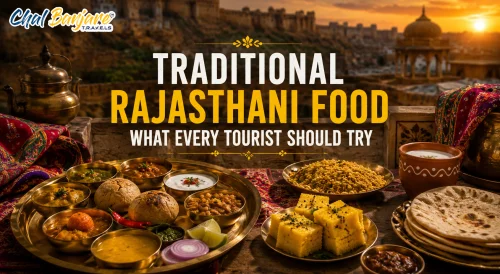
Traditional Rajasthani Food – What Every Tourist Should Try

Traditional Rajasthani food reflects royal heritage, desert influences, and regional cooking traditions, offering tourists unique dishes, flavours, and culinary experiences.

About Local Food


03 Jul, 2026 By: Radhika Shekhawat

Understanding Rajasthani Food Culture and Traditions

Explore How Climate History and Local Ingredients Shaped Rajasthan Cuisine

Rajasthani cuisine is closely connected with the state's geography, desert climate, and centuries of history. Large parts of Rajasthan receive limited rainfall, encouraging the use of ingredients that can be preserved for long periods and cooked with minimal water. Traditional recipes frequently use gram flour, lentils, millet, dried beans, spices, clarified butter, and preserved vegetables. These ingredients helped communities prepare nutritious meals despite challenging climatic conditions while creating distinctive flavours that continue defining Rajasthan's culinary identity today.
Different regions developed their own food traditions according to local agricultural practices and available ingredients. Desert districts rely heavily on dried vegetables, millet, legumes, and preserved foods, while areas with greater agricultural diversity include fresh vegetables, dairy products, and seasonal ingredients. These regional adaptations have created a remarkably diverse cuisine where every destination contributes unique dishes while maintaining a shared Rajasthani culinary heritage.
  • Desert Climate: Influenced long-lasting traditional recipes.
  • Millets and Lentils: Important ingredients across Rajasthan.
  • Gram Flour: Widely used in many traditional dishes.
  • Dried Vegetables: Practical ingredients for arid conditions.
  • Rich Spices: Create distinctive regional flavours.
  • Dairy Products: Frequently used in traditional cooking.
  • Regional Diversity: Every area contributes unique culinary traditions.
Understanding Rajasthan's climate and history helps travellers appreciate why its cuisine differs from many other regions of India. Every traditional meal reflects centuries of practical cooking methods adapted to the state's unique environment.

Understand the Influence of Royal Kitchens and Regional Cooking Styles

Rajasthan's royal history played a major role in shaping many of the dishes served today. The kitchens of Rajput rulers developed elaborate recipes using carefully selected spices, dairy products, dry fruits, clarified butter, and traditional cooking techniques suited to royal banquets and celebrations. These culinary traditions gradually spread beyond palace kitchens, influencing restaurants, heritage hotels, and family recipes throughout the state.
Alongside royal cuisine, regional communities preserved their own traditional cooking styles based on local ingredients and everyday lifestyles. As a result, Rajasthan offers both refined palace-inspired dishes and simple village recipes that continue to be prepared using time-honoured methods. This combination of royal refinement and regional authenticity makes the state's cuisine exceptionally varied and culturally significant.
Influence Contribution to Cuisine Present-Day Experience
Royal Kitchens Rich ceremonial dishes Heritage restaurants
Village Traditions Simple regional recipes Local eateries and homes
Regional Ingredients Distinctive cooking styles City-specific food experiences
Traditional Techniques Authentic preparation methods Preserved culinary heritage
The combination of royal hospitality and regional cooking traditions gives Rajasthan one of India's richest culinary identities. Exploring both styles allows visitors to experience the full diversity of the state's traditional food culture.

Discover Why Traditional Food Is an Important Part of Rajasthan Travel Experiences

Food forms an essential part of travelling through Rajasthan because every meal introduces visitors to the state's history, culture, and regional traditions. Exploring local cuisine provides a deeper understanding of everyday life while complementing visits to forts, palaces, temples, villages, and desert landscapes. Traditional recipes often reflect centuries of cultural heritage, making dining an important part of the overall sightseeing experience rather than simply a daily necessity.
Travellers can experience Rajasthan's culinary traditions through local restaurants, heritage hotels, family-run eateries, village meals, food markets, and cultural performances featuring traditional dining. Sampling regional dishes across different cities also highlights how flavours, ingredients, and cooking methods vary from one destination to another. This variety makes food exploration one of the most memorable aspects of a Rajasthan holiday.
  • Food Reflects Culture: Meals preserve Rajasthan's traditions.
  • Regional Diversity: Every city offers distinctive flavours.
  • Heritage Dining: Experience palace-inspired cuisine.
  • Village Cooking: Discover authentic local recipes.
  • Food Markets: Explore traditional snacks and sweets.
  • Cultural Connection: Cuisine complements sightseeing experiences.
  • Memorable Travel: Traditional food becomes part of the journey.
Exploring Rajasthan's cuisine allows travellers to understand the state's heritage through its flavours. Traditional food experiences enrich every itinerary by combining history, hospitality, and regional identity into one memorable culinary journey.

Famous Dal Baati Churma Experience

Explore Rajasthan's Most Iconic Traditional Dish and Its Preparation Style

Dal Baati Churma is widely recognised as Rajasthan's signature culinary experience and is often considered the state's most famous traditional meal. The dish combines baked wheat flour baatis, flavourful lentil curry known as dal, and sweet churma prepared by crushing baked wheat with clarified butter and sweeteners. Together, these three elements create a balanced meal representing Rajasthan's culinary heritage and traditional cooking methods.
Historically, baatis were practical because they could be baked with minimal water and remained suitable for travel and desert conditions. Dal added protein and rich flavours through carefully selected spices, while churma provided sweetness that balanced the savoury elements of the meal. Today, Dal Baati Churma continues to be served in homes, heritage hotels, traditional restaurants, festivals, and cultural dining experiences throughout Rajasthan.
  • Baati: Traditionally baked wheat flour bread.
  • Dal: Rich lentil preparation with regional spices.
  • Churma: Sweet crushed wheat dessert.
  • Complete Meal: Combines savoury and sweet flavours.
  • Traditional Preparation: Reflects Rajasthan's culinary heritage.
  • Popular Across Rajasthan: Served in homes and restaurants.
  • Essential Food Experience: Recommended for first-time visitors.
Dal Baati Churma represents much more than a traditional meal. It reflects Rajasthan's history, climate, and culinary creativity while remaining one of the most rewarding food experiences for travellers exploring the state.

Understand Different Variations of Dal Baati Across Regions

Although Dal Baati Churma is enjoyed throughout Rajasthan, regional variations exist in preparation methods, spice levels, ingredients, and serving styles. Some areas prepare softer baatis while others prefer firmer textures. Dal recipes also differ according to local culinary traditions, often combining several lentils with distinctive spice blends. Churma may vary in sweetness, texture, and additional ingredients depending on family recipes and regional preferences.
These regional differences make trying Dal Baati in multiple cities an enjoyable culinary experience. Heritage restaurants, village homes, traditional eateries, and cultural dining venues each prepare the dish with their own techniques while preserving its authentic identity. Sampling different versions allows visitors to appreciate the diversity within Rajasthan's most iconic meal.
Component Regional Variation Experience
Baati Texture and baking style Different regional preferences
Dal Lentil combinations and spices Distinct local flavours
Churma Sweetness and preparation Traditional family recipes
Regional variations demonstrate how one traditional dish can evolve while maintaining its cultural importance. Exploring these differences adds depth to every Rajasthan food journey.

Experience This Famous Meal at Local Restaurants and Heritage Dining Places

Travellers can enjoy Dal Baati Churma in a variety of settings across Rajasthan. Traditional restaurants specialise in authentic regional recipes, heritage hotels present the meal in elegant royal surroundings, while village dining experiences offer simple home-style preparations reflecting everyday local cooking. Many cultural programmes and traditional dining venues also include Dal Baati Churma as part of their hospitality experience.
Visitors should consider trying the dish at establishments known for traditional Rajasthani cuisine rather than choosing only modern restaurants. Experiencing Dal Baati Churma alongside other regional dishes provides a broader understanding of Rajasthan's culinary traditions while allowing travellers to appreciate the meal within its authentic cultural setting.
  • Traditional Restaurants: Authentic regional preparation.
  • Heritage Hotels: Royal-style dining atmosphere.
  • Village Experiences: Home-style cooking traditions.
  • Cultural Programmes: Meals combined with local performances.
  • Complete Food Experience: Pair with other traditional dishes.
  • Explore Regional Variations: Try the meal in different cities.
  • Essential Culinary Stop: Include Dal Baati Churma in every Rajasthan itinerary.
No Rajasthan food journey is complete without experiencing Dal Baati Churma. Whether enjoyed in a heritage palace, a local restaurant, or a traditional village setting, this iconic dish remains one of the state's finest culinary traditions and an unforgettable part of travelling through Rajasthan.

Best Traditional Rajasthani Main Course Dishes

Try Dishes Like Gatte Ki Sabzi Ker Sangri and Panchmel Dal

Beyond Dal Baati Churma, Rajasthan offers a wide variety of traditional main course dishes that reflect the state's diverse culinary heritage. Many recipes were developed using ingredients that could be preserved in Rajasthan's dry climate while still providing nutritious and flavourful meals. Gram flour, lentils, dried vegetables, yogurt, local spices, and clarified butter remain central to many of these preparations, creating distinctive flavours that are closely associated with the region.
Among the most popular dishes are Gatte Ki Sabzi, prepared using gram flour dumplings cooked in a spiced yogurt-based gravy, Ker Sangri made from traditional desert beans and berries, and Panchmel Dal, a wholesome preparation combining multiple varieties of lentils. These dishes continue to be served in homes, heritage hotels, local restaurants, and traditional dining establishments throughout Rajasthan, allowing visitors to experience recipes that have remained popular for generations.
  • Gatte Ki Sabzi: Gram flour dumplings cooked in yoghurt gravy.
  • Ker Sangri: Traditional desert vegetable speciality.
  • Panchmel Dal: Five-lentil preparation with regional spices.
  • Papad Ki Sabzi: Creative curry using traditional papad.
  • Sev Tamatar: Popular regional tomato-based curry.
  • Traditional Preparation: Recipes developed over centuries.
  • Authentic Flavours: Available across Rajasthan's cities.
Exploring these traditional dishes allows travellers to appreciate the remarkable diversity of Rajasthan's cuisine. Every recipe reflects the ingenuity of local cooking traditions while preserving flavours that continue defining the state's culinary identity.

Explore Bajra Roti Missi Roti and Other Traditional Breads

Traditional breads form an essential part of Rajasthani meals and are carefully matched with regional curries and vegetable preparations. Bajra Roti, prepared from pearl millet flour, has long been valued for its suitability to Rajasthan's climate and agricultural conditions. Missi Roti combines gram flour and wheat flour with spices to produce a flavourful accompaniment to many traditional curries. Alongside these breads, visitors may also encounter Makki Roti, Tandoori Roti, and freshly prepared wheat flatbreads depending on the region and restaurant.
These breads are often served with clarified butter, chutneys, pickles, yoghurt, and a variety of vegetable dishes, creating balanced traditional meals. Their preparation methods have remained largely unchanged for generations, allowing visitors to experience authentic regional dining that reflects everyday life across Rajasthan's villages and cities.
Traditional Bread Main Ingredient Common Pairing
Bajra Roti Pearl millet flour Ker Sangri and village curries
Missi Roti Gram flour and wheat flour Gatte Ki Sabzi
Tandoori Roti Wheat flour Traditional dals and curries
Makki Roti Maize flour Seasonal regional dishes
Traditional breads complete the authentic Rajasthani dining experience by complementing the state's famous curries and lentil dishes. Trying different varieties helps visitors understand the diversity of Rajasthan's everyday cuisine.

Discover Regional Flavours Served Across Rajasthan Cities

Although the foundation of Rajasthani cuisine remains consistent throughout the state, individual cities often introduce subtle differences in spice combinations, cooking techniques, and ingredient selection. Jaipur, Jodhpur, Udaipur, Bikaner, Jaisalmer, Ajmer, and Kota all offer regional interpretations of traditional recipes while maintaining their authentic culinary identity. This diversity encourages travellers to explore local restaurants in multiple destinations rather than repeating the same meals throughout the journey.
Sampling regional main course dishes allows visitors to appreciate how geography, climate, agriculture, and cultural traditions have influenced local cooking styles. Heritage hotels, traditional eateries, family-run restaurants, and village dining experiences each contribute unique interpretations of Rajasthan's classic recipes. Exploring these regional flavours becomes an enjoyable part of travelling across the state.
  • Jaipur: Traditional royal-style preparations.
  • Jodhpur: Rich regional flavours and local specialities.
  • Udaipur: Mewar-inspired traditional cuisine.
  • Jaisalmer: Desert cooking traditions.
  • Village Dining: Authentic home-style recipes.
  • Heritage Restaurants: Traditional meals in historic settings.
  • Regional Diversity: Different flavours across Rajasthan.
Exploring regional variations transforms every meal into a cultural experience. By trying traditional main course dishes in different cities, travellers gain a deeper appreciation of Rajasthan's rich culinary heritage and the remarkable diversity that exists within its regional cuisines.

Famous Rajasthani Snacks Every Tourist Should Try

Explore Kachori Mirchi Vada and Popular Local Snacks

Rajasthan's snack culture is as famous as its traditional main course dishes, offering visitors a wide selection of savoury treats enjoyed throughout the day. Many snacks were originally created as convenient foods that remained fresh for longer periods while providing satisfying flavours during travel and daily life. Today, these recipes continue to be prepared in traditional sweet shops, local eateries, roadside snack stalls, and well-known food markets across the state.
Among the most popular snacks are Pyaaz Kachori, Dal Kachori, Mirchi Vada, Samosa, Bikaneri Bhujia, and various namkeen preparations. These foods are commonly enjoyed with chutneys, yoghurt, tea, or traditional beverages and remain an important part of Rajasthan's everyday food culture. Visitors exploring local markets frequently encounter these snacks while walking through busy shopping streets and heritage neighbourhoods.
  • Pyaaz Kachori: Flaky pastry filled with spiced onion mixture.
  • Dal Kachori: Crispy snack with lentil filling.
  • Mirchi Vada: Stuffed chilli fritter.
  • Bikaneri Bhujia: Famous savoury snack.
  • Samosa: Traditional fried snack enjoyed throughout Rajasthan.
  • Namkeen: Wide variety of regional savoury mixtures.
  • Tea-Time Favourites: Popular across cities and towns.
Sampling Rajasthan's traditional snacks provides visitors with an enjoyable introduction to the state's everyday culinary traditions. These popular foods remain an essential part of local dining experiences across every major destination.

Discover Street Food Experiences in Jaipur Jodhpur and Udaipur

Street food plays an important role in Rajasthan's urban food culture, especially within historic city centres where traditional snack shops have served local communities for decades. Jaipur's bustling markets offer famous kachoris, sweets, and savoury snacks, while Jodhpur is widely recognised for Mirchi Vada and local snack varieties. Udaipur combines traditional Rajasthani flavours with its lakeside atmosphere, allowing visitors to enjoy regional snacks while exploring heritage streets and bustling marketplaces.
Food markets in these cities provide opportunities to experience local culinary traditions alongside shopping and sightseeing. Exploring established food streets and traditional eateries allows visitors to compare regional specialities while observing the lively atmosphere that surrounds Rajasthan's famous snack culture.
City Popular Snack Experience Food Atmosphere
Jaipur Kachori and traditional sweets Historic market food culture
Jodhpur Mirchi Vada and savoury snacks Traditional local eateries
Udaipur Regional snacks and desserts Lakeside markets and cafés
Each city offers its own distinctive street food traditions while preserving authentic regional recipes. Exploring these food markets adds another memorable dimension to a Rajasthan sightseeing itinerary.

Understand the Role of Snacks in Rajasthan's Daily Food Culture

Traditional snacks are deeply integrated into everyday life throughout Rajasthan. Families often enjoy savoury snacks during morning breakfasts, afternoon tea, evening gatherings, festivals, celebrations, and social occasions. Many recipes have remained popular for generations because they are practical to prepare, convenient to serve, and well suited to the state's climatic conditions.
Travellers who sample snacks beyond the most famous tourist dishes gain a broader understanding of Rajasthan's food traditions. Visiting established local snack shops, traditional bakeries, and market food stalls provides insight into everyday eating habits while introducing visitors to flavours enjoyed regularly by local communities. These experiences complement formal restaurant dining and create a more complete picture of Rajasthan's culinary heritage.
  • Daily Tradition: Snacks remain part of everyday life.
  • Festival Foods: Popular during celebrations and gatherings.
  • Tea-Time Culture: Enjoyed throughout the day.
  • Traditional Recipes: Passed down across generations.
  • Market Experiences: Discover authentic local flavours.
  • Regional Variety: Different cities offer different snack specialities.
  • Essential Food Journey: Include snacks alongside traditional meals.
Rajasthan's snack culture reflects the warmth, hospitality, and culinary creativity of the state. Exploring these everyday favourites allows travellers to experience authentic local flavours while discovering another important aspect of Rajasthan's remarkable food heritage.

Traditional Rajasthani Sweets and Desserts

Try Ghevar Mawa Kachori and Other Regional Sweets

Rajasthan is famous for a wide variety of traditional sweets that reflect both royal culinary traditions and everyday regional celebrations. Many recipes have been prepared for generations using ingredients such as milk, clarified butter, wheat flour, gram flour, sugar, dry fruits, and aromatic spices. These desserts remain an important part of festivals, family gatherings, religious occasions, and hospitality, making them an essential culinary experience for visitors travelling across the state.
Among the best-known sweets are Ghevar, a delicately layered dessert closely associated with Jaipur and festive celebrations, and Mawa Kachori, a rich sweet pastry popular in Jodhpur. Other traditional favourites include Moong Dal Halwa, Rabri, Churma Ladoo, Besan Chakki, Malpua, and Balushahi. Every city offers its own speciality, encouraging travellers to explore local sweet shops while discovering the diversity of Rajasthan's dessert traditions.
  • Ghevar: Traditional festive dessert associated with Jaipur.
  • Mawa Kachori: Rich sweet pastry popular in Jodhpur.
  • Moong Dal Halwa: Classic winter dessert.
  • Rabri: Thickened sweet milk preparation.
  • Churma Ladoo: Traditional sweet made from churma.
  • Malpua: Popular festive pancake-style dessert.
  • Regional Variety: Different cities offer unique sweet specialities.
Traditional sweets represent one of Rajasthan's richest culinary traditions. Sampling these desserts allows visitors to experience authentic regional flavours while appreciating recipes that continue to be celebrated across generations.

Explore Festive Desserts Prepared During Celebrations

Many of Rajasthan's famous sweets are closely connected with festivals, weddings, religious ceremonies, and seasonal celebrations. Ghevar is especially popular during festivals such as Teej and Raksha Bandhan, while Malpua, Moong Dal Halwa, and several milk-based desserts frequently appear during family gatherings and festive occasions. These recipes often represent hospitality, celebration, and community traditions that remain deeply rooted in Rajasthan's cultural identity.
Travellers visiting Rajasthan during festival seasons may find sweet shops displaying an even wider selection of traditional desserts prepared specially for local celebrations. Experiencing these seasonal sweets alongside festive decorations and cultural events provides additional insight into Rajasthan's culinary customs while making the travel experience even more memorable.
Sweet Traditional Occasion Main Ingredients
Ghevar Festival celebrations Flour, sugar, clarified butter
Malpua Religious and family events Flour, milk, sugar
Moong Dal Halwa Winter and celebrations Lentils, clarified butter, dry fruits
Rabri Festive dining Milk and sugar
Festival desserts provide travellers with an opportunity to experience Rajasthan's culinary traditions in their cultural context. These sweets remain an important symbol of celebration and hospitality throughout the state.

Discover Famous Sweet Shops and Local Dessert Experiences

Every major Rajasthan city features traditional sweet shops that continue preparing regional recipes using long-established methods. Jaipur, Jodhpur, Udaipur, Bikaner, Ajmer, and Jaisalmer all have well-known local confectioners where travellers can sample freshly prepared desserts reflecting regional culinary traditions. Visiting these establishments becomes an enjoyable part of sightseeing while introducing visitors to authentic flavours prepared by experienced sweet makers.
Rather than limiting dessert experiences to restaurants, travellers should also explore traditional sweet shops located within historic markets and old city neighbourhoods. These establishments often specialise in recipes that have remained unchanged for decades, allowing visitors to experience genuine regional flavours while supporting local businesses preserving Rajasthan's culinary heritage.
  • Traditional Sweet Shops: Authentic regional recipes.
  • Historic Markets: Combine shopping with dessert tasting.
  • Fresh Preparations: Daily handcrafted sweets.
  • Regional Specialities: Different cities offer unique desserts.
  • Festival Collections: Seasonal sweet varieties.
  • Food Exploration: Include desserts in sightseeing plans.
  • Authentic Culinary Experience: Taste Rajasthan's traditional hospitality.
Traditional desserts complete the Rajasthani dining experience by showcasing centuries of culinary craftsmanship. Exploring local sweet shops across different cities allows travellers to appreciate the remarkable diversity and richness of Rajasthan's famous confectionery traditions.

Best Rajasthan Thali Food Experience

Explore Complete Rajasthani Thali Meals with Multiple Dishes

A traditional Rajasthani thali offers one of the most comprehensive introductions to the state's cuisine because it combines numerous regional dishes into a single meal. Instead of ordering individual recipes separately, travellers can experience a carefully balanced selection of lentils, vegetable curries, breads, rice, sweets, chutneys, pickles, yoghurt, papad, and seasonal accompaniments served together according to long-established dining traditions. The thali reflects Rajasthan's hospitality by presenting variety, balance, and generous portions within one complete meal.
Most authentic thalis include classics such as Dal Baati Churma, Gatte Ki Sabzi, Panchmel Dal, Ker Sangri, Bajra Roti, Missi Roti, rice preparations, papad, traditional desserts, and locally prepared condiments. Depending on the restaurant or region, seasonal dishes and local specialities may also be included. For first-time visitors, a traditional thali provides an excellent opportunity to sample many of Rajasthan's best-known flavours during one dining experience.
  • Dal Baati Churma: Signature Rajasthani meal.
  • Regional Curries: Variety of traditional vegetable dishes.
  • Traditional Breads: Bajra Roti, Missi Roti, and more.
  • Rice and Lentils: Essential components of the meal.
  • Desserts: Sweet finish with regional specialities.
  • Complete Dining Experience: Multiple flavours served together.
  • Ideal for First-Time Visitors: Sample Rajasthan's culinary diversity.
A traditional thali captures the essence of Rajasthan's cuisine within one carefully prepared meal. It allows travellers to experience the richness, balance, and hospitality that define the state's food culture.

Understand Different Thali Styles Across Rajasthan Regions

Although the concept of a traditional thali remains consistent throughout Rajasthan, individual regions introduce their own culinary preferences and local specialities. Jaipur often includes dishes influenced by royal kitchens, Jodhpur highlights Marwar flavours, Udaipur reflects Mewar traditions, and western Rajasthan incorporates ingredients suited to desert conditions. These regional differences make trying thalis in multiple destinations an enjoyable culinary journey.
Restaurants, heritage hotels, village dining experiences, and cultural centres each present the thali in their own style while preserving its authentic identity. Some establishments focus on traditional home-style recipes, while others recreate elaborate royal dining experiences. Exploring these variations helps visitors appreciate the diversity that exists within Rajasthan's culinary traditions.
Region Typical Thali Character Dining Experience
Jaipur Royal-inspired cuisine Heritage restaurants
Jodhpur Marwar regional flavours Traditional eateries
Udaipur Mewar culinary traditions Lakeside heritage dining
Western Rajasthan Desert-inspired recipes Village and cultural meals
Regional thali variations allow travellers to experience Rajasthan's culinary diversity while discovering how local traditions influence meal preparation across different parts of the state.

Experience Traditional Dining with Authentic Flavours and Preparations

The Rajasthani thali represents much more than a collection of dishes because it reflects the state's traditions of hospitality and communal dining. Meals are often served with warmth and generosity, encouraging guests to enjoy multiple flavours while appreciating the careful balance between savoury, spicy, sweet, and tangy preparations. Traditional serving styles remain an important part of the overall experience, particularly in heritage hotels and cultural dining venues.
Travellers seeking authentic culinary experiences should include at least one traditional thali during their Rajasthan itinerary. Whether enjoyed in a heritage palace, family-run restaurant, village setting, or specialised Rajasthani dining establishment, the thali provides a memorable introduction to the state's remarkable food heritage while showcasing the diversity of its regional recipes.
  • Authentic Hospitality: Traditional serving style.
  • Balanced Meal: Sweet, savoury, spicy, and tangy flavours.
  • Regional Diversity: Different thalis across Rajasthan.
  • Heritage Dining: Royal atmosphere with traditional cuisine.
  • Village Experiences: Home-style regional meals.
  • Complete Culinary Journey: Taste multiple recipes together.
  • Essential Rajasthan Experience: Include a thali during every visit.
Experiencing a traditional Rajasthani thali is one of the best ways to understand the state's culinary heritage. The variety of dishes, regional flavours, and warm hospitality make it an unforgettable highlight of every Rajasthan food journey.


Famous Food Experiences in Rajasthan Cities

Explore Jaipur's Traditional Restaurants and Food Markets

Jaipur is one of Rajasthan's finest destinations for experiencing traditional cuisine because it combines royal culinary traditions with vibrant street food culture. The city's historic markets, heritage restaurants, family-run eateries, and traditional dining establishments serve many of Rajasthan's best-known dishes alongside recipes influenced by the royal kitchens of the former princely state. Food exploration in Jaipur naturally complements visits to attractions such as Hawa Mahal, City Palace, Jantar Mantar, and the Pink City's historic bazaars.
Visitors can enjoy authentic Rajasthani thalis, Dal Baati Churma, Gatte Ki Sabzi, Panchmel Dal, Ker Sangri, Bajra Roti, and a wide variety of traditional sweets including Ghevar. Jaipur's food markets are also known for Pyaaz Kachori, Mirchi Vada, traditional namkeen, seasonal desserts, and locally prepared beverages. Exploring both restaurants and market food allows travellers to experience the city's complete culinary identity.
  • Traditional Thalis: Complete Rajasthani dining experience.
  • Dal Baati Churma: Jaipur's signature traditional meal.
  • Historic Food Markets: Local snacks and sweets.
  • Royal Cuisine: Heritage-inspired recipes.
  • Traditional Sweet Shops: Ghevar and regional desserts.
  • Street Food: Famous kachoris and savoury snacks.
  • Cultural Dining: Food combined with Jaipur sightseeing.
Jaipur provides an excellent introduction to Rajasthan's culinary traditions. Its combination of heritage dining, vibrant markets, and traditional recipes makes the city an essential destination for food-loving travellers.

Discover Jodhpur Udaipur and Jaisalmer's Famous Local Dishes

Each major Rajasthan city contributes distinctive flavours that reflect local history, geography, and cultural traditions. Jodhpur is particularly famous for Mawa Kachori, Mirchi Vada, regional curries, and traditional Marwar cuisine. Udaipur combines Mewar culinary traditions with lakeside dining experiences, offering authentic thalis, local sweets, and traditional vegetarian recipes. Jaisalmer introduces visitors to desert-inspired cuisine featuring Ker Sangri, Bajra Roti, traditional village meals, and simple recipes influenced by life in the Thar Desert.
Exploring local restaurants in each destination allows travellers to experience how Rajasthan's cuisine changes from one region to another while preserving its overall culinary identity. Rather than repeating the same meals throughout the trip, visitors can discover regional variations that make every destination unique. This diversity is one of the reasons Rajasthan is regarded as one of India's most rewarding culinary regions.
City Popular Food Experience Regional Character
Jodhpur Mirchi Vada, Mawa Kachori, Marwar cuisine Rich regional flavours
Udaipur Traditional thalis and local desserts Mewar culinary traditions
Jaisalmer Ker Sangri, Bajra Roti, village meals Desert-inspired cuisine
Sampling food across multiple Rajasthan cities transforms the journey into a culinary exploration. Every destination offers recipes that reflect its own heritage while contributing to the remarkable diversity of Rajasthani cuisine.

Plan City Wise Food Experiences During Rajasthan Sightseeing Trips

Including food experiences within the sightseeing itinerary allows travellers to enjoy Rajasthan's culinary traditions without rushing between attractions. Morning visits to forts, palaces, museums, and markets can be followed by traditional lunches at regional restaurants, while evenings provide opportunities to experience cultural dining programmes, heritage hotels, and local food streets. Planning meals around sightseeing also allows visitors to sample each city's famous specialities at an enjoyable pace.
Travellers covering several Rajasthan destinations should reserve time for local restaurants rather than depending entirely on hotel dining. This approach introduces visitors to authentic regional recipes while supporting long-established local eateries known for preserving traditional cooking methods. Combining food with sightseeing creates a richer understanding of Rajasthan's culture and hospitality throughout the journey.
  • Plan Meals by City: Try regional specialities at each destination.
  • Combine Dining with Sightseeing: Visit nearby restaurants after attractions.
  • Explore Heritage Restaurants: Traditional palace-inspired cuisine.
  • Visit Food Markets: Sample local snacks and sweets.
  • Enjoy Evening Dining: Experience cultural performances with meals.
  • Support Local Eateries: Taste authentic family recipes.
  • Create a Culinary Itinerary: Make food part of your Rajasthan journey.
Thoughtful food planning allows visitors to experience Rajasthan beyond its monuments and landscapes. Every city offers unique culinary traditions that deserve a place alongside the state's famous forts, palaces, and cultural attractions.

Rajasthan Desert Food and Village Cuisine Experiences

Explore Traditional Meals During Desert Camping Experiences

One of the most memorable culinary experiences in Rajasthan takes place in the Thar Desert, particularly around Jaisalmer where traditional meals are often served alongside cultural performances and overnight desert camps. Dining in the open desert provides visitors with an opportunity to experience regional recipes in surroundings that closely reflect the lifestyle of western Rajasthan. Traditional meals are typically prepared using recipes suited to the desert climate while showcasing the state's famous hospitality.
Desert dining commonly includes Dal Baati Churma, Ker Sangri, Bajra Roti, Gatte Ki Sabzi, Panchmel Dal, seasonal vegetables, traditional sweets, and freshly prepared accompaniments. Meals are frequently followed by folk music and dance performances, allowing travellers to combine authentic cuisine with Rajasthan's vibrant cultural traditions. The atmosphere created by sand dunes, evening skies, and traditional entertainment makes desert dining one of the highlights of many Rajasthan itineraries.
  • Traditional Desert Meals: Authentic regional recipes.
  • Dal Baati Churma: Popular camping dinner.
  • Ker Sangri: Desert speciality prepared with local ingredients.
  • Cultural Evenings: Meals with folk performances.
  • Bajra Roti: Traditional bread suited to desert cuisine.
  • Village Hospitality: Warm regional dining traditions.
  • Memorable Atmosphere: Open-air dining among sand dunes.
Dining in the desert allows visitors to experience Rajasthan's cuisine in one of its most authentic settings. The combination of traditional food, local culture, and natural surroundings creates an unforgettable travel experience.

Discover Village Cooking Methods and Local Food Traditions

Village cuisine reflects the everyday food traditions that have sustained Rajasthan's communities for centuries. Meals are often prepared using locally grown grains, lentils, seasonal vegetables, dairy products, and preserved ingredients that suit the region's climate. Traditional cooking methods frequently involve slow preparation, handmade breads, freshly ground spices, and recipes passed from one generation to the next.
Visitors participating in rural tourism or village dining experiences gain insight into Rajasthan's agricultural heritage and family cooking traditions. Unlike elaborate restaurant presentations, village meals emphasise simplicity, freshness, and authentic regional flavours. These experiences provide travellers with a deeper understanding of Rajasthan's cultural identity while introducing recipes that are rarely found outside local communities.
Village Food Tradition Main Ingredients Experience
Bajra Roti Pearl millet flour Traditional everyday bread
Ker Sangri Desert beans and berries Regional speciality
Panchmel Dal Mixed lentils Nutritious home-style meal
Fresh Chutneys Local herbs and spices Traditional accompaniment
Village dining introduces travellers to Rajasthan's most authentic culinary traditions. These home-style meals demonstrate how local ingredients and practical cooking methods continue shaping everyday life across rural communities.

Experience Authentic Flavours Influenced by Desert Lifestyles

Life in Rajasthan's desert regions has influenced food traditions in practical and creative ways. Limited water availability encouraged the development of recipes using dried vegetables, preserved ingredients, millets, legumes, clarified butter, and spices that remain suitable for extended storage. These cooking techniques continue to define the cuisine of western Rajasthan while producing distinctive flavours unlike those found elsewhere in India.
Travellers exploring desert villages, heritage camps, and local restaurants will notice that many recipes remain closely connected with traditional lifestyles. Meals emphasise nutrition, preservation, and efficient use of available ingredients while maintaining rich flavours and satisfying textures. Experiencing these authentic preparations helps visitors appreciate the relationship between Rajasthan's environment, history, and culinary heritage.
  • Desert Ingredients: Traditional foods adapted to arid conditions.
  • Preserved Vegetables: Practical regional cooking methods.
  • Millet-Based Meals: Important part of desert cuisine.
  • Traditional Hospitality: Warm village dining experiences.
  • Authentic Recipes: Passed through generations.
  • Cultural Understanding: Food reflects desert lifestyles.
  • Unique Culinary Experience: Essential part of western Rajasthan travel.
Desert and village cuisine provides one of the most authentic introductions to Rajasthan's food heritage. By experiencing these traditional meals, travellers discover how climate, history, and local communities have shaped one of India's most distinctive regional cuisines.

Food Tips for Tourists Visiting Rajasthan

Understand Spice Levels and Regional Food Preferences

Rajasthani cuisine is known for its bold flavours, aromatic spices, and rich traditional recipes. However, spice levels vary considerably depending on the region, the restaurant, and the specific dish being prepared. While many traditional meals contain moderate levels of spices balanced with dairy products and clarified butter, certain regional specialities and street foods may be noticeably hotter than visitors are accustomed to. Understanding these differences helps travellers choose meals that match their personal preferences.
Travellers who prefer milder flavours can usually request less spicy preparations at restaurants, particularly in established dining establishments serving tourists. Those interested in experiencing authentic local cuisine should gradually explore different dishes throughout the journey rather than beginning with the spiciest options. This approach allows visitors to appreciate Rajasthan's culinary diversity comfortably while enjoying a wider variety of traditional recipes.
  • Explore Gradually: Try different regional dishes throughout the trip.
  • Ask About Spice Levels: Understand flavours before ordering.
  • Request Milder Preparation: Available at many restaurants.
  • Balance Meals: Combine spicy dishes with yoghurt and breads.
  • Sample Regional Recipes: Different cities offer different flavours.
  • Enjoy Variety: Experience both royal and village cuisine.
  • Travel Comfortably: Choose meals suited to your preferences.
Understanding regional flavour profiles allows travellers to enjoy Rajasthan's remarkable cuisine while maintaining personal dining comfort. Careful exploration often leads to a more rewarding culinary experience throughout the journey.

Choose Suitable Dining Places Based on Hygiene and Comfort

Rajasthan offers a wide variety of dining options ranging from heritage hotels and family-run restaurants to local eateries, cafés, food courts, and traditional market food stalls. Visitors should choose dining establishments according to their comfort level, travel style, and the type of culinary experience they wish to enjoy. Well-established restaurants known for traditional Rajasthani cuisine provide an excellent balance between authentic flavours and organised hospitality.
Street food forms an important part of Rajasthan's culinary culture, particularly in cities such as Jaipur, Jodhpur, and Udaipur. Travellers interested in local snacks should visit busy, established vendors with a strong reputation and freshly prepared food. Combining restaurant meals with carefully selected market food experiences allows visitors to explore regional cuisine while maintaining a comfortable dining experience throughout the trip.
Dining Option Ideal For Experience
Heritage Hotels Traditional royal dining Authentic regional cuisine
Family Restaurants Everyday traditional meals Comfortable dining
Food Markets Street food exploration Local snack culture
Village Dining Rural culinary traditions Home-style cooking
Selecting suitable dining places helps travellers enjoy Rajasthan's famous cuisine with confidence. A balanced combination of heritage dining, traditional restaurants, and carefully chosen local food experiences creates a memorable culinary journey.

Plan Food Experiences According to Travel Schedules and Locations

Food experiences are most enjoyable when planned alongside sightseeing rather than treated as separate activities. Rajasthan's major attractions are often surrounded by traditional restaurants, cafés, and local markets where visitors can enjoy authentic meals after exploring forts, palaces, temples, museums, and shopping streets. Organising dining according to the daily itinerary reduces unnecessary travel while allowing more time to experience regional cuisine.
Travellers covering multiple cities should reserve time to sample each destination's specialities instead of repeating similar meals throughout the holiday. Including traditional breakfasts, local snacks, heritage lunches, village dinners, and regional desserts within the itinerary provides a more complete understanding of Rajasthan's culinary traditions. Careful planning ensures that food becomes one of the highlights of the overall travel experience.
  • Include Food Stops: Plan meals with sightseeing routes.
  • Try City Specialities: Experience regional recipes.
  • Visit Heritage Restaurants: Enjoy traditional dining.
  • Explore Food Markets: Sample local snacks and sweets.
  • Balance Dining Styles: Combine restaurants and local eateries.
  • Allow Enough Time: Enjoy meals without rushing.
  • Create a Culinary Itinerary: Make food part of every destination.
Thoughtful food planning transforms every meal into an important travel experience. By combining regional specialities with Rajasthan's famous attractions, visitors gain a deeper appreciation of the state's remarkable culinary heritage.

Final Traditional Rajasthani Food Planning Guide

Choose Dishes and Culinary Experiences Based on Personal Preferences

Rajasthan's cuisine offers remarkable diversity, making it possible for every traveller to create a personalised culinary journey. Visitors interested in traditional village cooking can explore authentic regional recipes, while those fascinated by royal history may prefer heritage dining experiences inspired by palace kitchens. Food lovers can also focus on desserts, snacks, vegetarian meals, street food, or complete Rajasthani thalis depending on their individual interests and travel style.
Instead of trying to sample every famous dish within a short period, travellers should prioritise meals that best match their preferences while gradually exploring regional specialities throughout the journey. This approach creates a more enjoyable dining experience and allows visitors to appreciate the unique characteristics of Rajasthan's culinary traditions without feeling rushed.
  • Explore Traditional Thalis: Experience multiple dishes together.
  • Taste Regional Specialities: Different cities offer different recipes.
  • Try Local Desserts: Include sweets in your food journey.
  • Visit Heritage Restaurants: Experience royal-style cuisine.
  • Explore Village Meals: Discover authentic local traditions.
  • Enjoy Street Food: Sample famous snacks responsibly.
  • Create Your Own Culinary Journey: Match food experiences with personal interests.
Choosing food experiences according to personal preferences allows travellers to enjoy Rajasthan's cuisine at a comfortable pace while discovering the remarkable diversity that defines the state's culinary heritage.

Plan Local Restaurants Markets and Food Stops During Your Rajasthan Trip

Food planning should become an integral part of every Rajasthan itinerary rather than an afterthought. Since each major city is known for its own culinary specialities, travellers can organise restaurant visits alongside sightseeing schedules to ensure they experience authentic regional cuisine throughout the journey. Markets, heritage hotels, village dining venues, and traditional restaurants all contribute different perspectives on Rajasthan's rich food culture.
Planning meals according to destination helps visitors avoid missing famous local dishes. Jaipur offers traditional sweets and royal cuisine, Jodhpur is known for savoury snacks and regional desserts, Udaipur combines heritage dining with Mewar flavours, while Jaisalmer provides memorable desert food experiences. Organising these culinary stops before travelling creates a balanced itinerary that combines sightseeing with authentic dining.
Planning Area Recommendation Benefit
Restaurant Visits Include regional specialities Authentic dining experience
Food Markets Explore traditional snacks Local culinary culture
Heritage Dining Reserve time for palace-style meals Royal food experience
City Planning Match dishes with destinations Greater culinary variety
Travel Schedule Combine food with sightseeing Efficient itinerary
Planning restaurant visits alongside sightseeing ensures that food becomes a memorable highlight of the journey. Every destination contributes flavours that deserve to be experienced as part of Rajasthan's cultural heritage.

Final Checklist for Exploring Authentic Rajasthani Cuisine

Before completing a Rajasthan trip, travellers should ensure they have experienced the state's most important culinary traditions. Sampling a traditional thali, tasting Dal Baati Churma, exploring regional curries, trying famous snacks, enjoying authentic desserts, and visiting traditional food markets together provide a comprehensive introduction to Rajasthan's remarkable cuisine. These experiences offer insight into the state's history, hospitality, and cultural diversity.
The most memorable food journeys are created by balancing heritage dining, local restaurants, village meals, market food, and regional specialities across multiple destinations. Rather than focusing only on famous dishes, travellers should also appreciate the stories, traditions, and craftsmanship behind every recipe. Rajasthan's cuisine is ultimately a reflection of its people, climate, royal history, and enduring culinary heritage.
  • Try Dal Baati Churma: Rajasthan's signature meal.
  • Enjoy a Traditional Thali: Sample multiple regional dishes.
  • Taste Famous Snacks: Explore local market food.
  • Visit Traditional Sweet Shops: Experience regional desserts.
  • Explore Heritage and Village Dining: Compare different culinary styles.
  • Plan Meals Across Cities: Discover regional diversity.
  • Celebrate Rajasthan's Food Heritage: Let cuisine become a lasting travel memory.
Authentic Rajasthani cuisine is one of the state's greatest cultural treasures. By planning food experiences thoughtfully and exploring regional traditions with curiosity, travellers leave Rajasthan with lasting memories created not only through its magnificent forts and palaces but also through its unforgettable flavours and hospitality.

Frequently Asked Questions About Traditional Rajasthani Food – What Every Tourist Should Try

Explore Rajasthan Tour Packages

Explore All Packages

Latest Travel Blogs

View all Blogs →

Loved this place ? Let’s Plan Your Rajasthan Trip

Get customized Rajasthan tour planning designed around desert climate comfort, long-distance road travel flow, heritage exploration time, and realistic pacing between regions. Whether you are visiting for fort architecture, palace heritage, cultural exper

⚡ Quick Response | 💰 Free consultation | 🕒 24×7 expert support

×

Plan Your Trip