Explore the Influence of Royal Kitchens Desert Climate and Local Ingredients
Rajasthan's food culture has evolved over centuries under the influence of royal traditions, desert geography, local agriculture, and resourceful cooking techniques. Unlike regions with abundant water and fresh produce throughout the year, Rajasthan developed recipes that could withstand the state's dry climate and limited availability of water. Many traditional dishes use ingredients such as gram flour, lentils, millet, dried beans, spices, clarified butter, and preserved vegetables because these ingredients remain suitable for storage even in hot weather. The result is a cuisine that is both practical and remarkably rich in flavour.
The royal kitchens of Jaipur, Jodhpur, Udaipur, Bikaner, and other princely states also contributed significantly to Rajasthan's culinary identity. Maharajas and royal families encouraged skilled chefs to create elaborate recipes using aromatic spices, dry fruits, dairy products, and slow-cooking methods. While royal banquets featured luxurious preparations, village households perfected simple yet nutritious meals using locally available ingredients. Today, both traditions continue to influence restaurants, heritage hotels, family homes, and cultural dining experiences across Rajasthan.
- Desert Influence: Traditional recipes were designed to suit Rajasthan's dry climate and limited water availability.
- Royal Heritage: Palace kitchens introduced elaborate cooking methods and premium ingredients.
- Local Agriculture: Millet, gram flour, lentils, spices, and dairy remain central to regional cuisine.
- Preserved Ingredients: Dried vegetables and beans became essential because of climatic conditions.
- Traditional Cooking: Slow-cooked preparations continue to be served across Rajasthan.
- Village Cuisine: Simple homemade recipes remain an important part of local food culture.
- Balanced Flavours: Rajasthan combines rich royal cuisine with practical everyday meals.
Understanding the historical connection between climate, agriculture, and royal traditions helps travelers appreciate why Rajasthan's cuisine differs from other parts of India. Every meal reflects generations of adaptation, creativity, and cultural heritage that continue to shape the state's culinary identity today.
Understand Differences Between Food Styles Across Rajasthan Regions
Although Rajasthan is known for iconic dishes that are served throughout the state, regional variations create distinctly different culinary experiences from one city to another. Jaipur combines traditional Rajasthani cuisine with influences from royal kitchens and urban food culture. Jodhpur is famous for spicy snacks, rich curries, and traditional sweets, while Udaipur offers a blend of Mewar cuisine alongside lighter lakeside dining experiences. Jaisalmer reflects desert cooking traditions using preserved ingredients and simple yet flavourful recipes suited to the arid environment.
Eastern Rajasthan often features recipes prepared with fresh vegetables, whereas western desert districts rely more heavily on dried ingredients, gram flour, pulses, and dairy products. Pushkar, being an important pilgrimage town, is well known for its vegetarian cuisine, while regions surrounding Ranthambore and Kota present their own local specialties influenced by nearby agricultural communities. Travelers exploring multiple cities quickly discover that Rajasthan's cuisine is remarkably diverse despite sharing common culinary traditions.
| Region |
Food Characteristics |
Popular Experiences |
| Jaipur |
Royal recipes and traditional street food |
Thalis, sweets, local markets |
| Jodhpur |
Spicy snacks and rich regional dishes |
Mirchi Vada, Makhania Lassi, traditional meals |
| Udaipur |
Mewar cuisine with lakeside dining |
Traditional restaurants and heritage dining |
| Jaisalmer |
Desert-inspired cooking and preserved ingredients |
Desert camps and local family-style meals |
Exploring regional food differences adds depth to any Rajasthan itinerary. Rather than repeating the same dishes in every city, travelers can discover how local history, geography, and traditions shape unique culinary experiences across the state.
Discover How Traditional Recipes Represent Rajasthan's Culture and Heritage
Traditional Rajasthani recipes are closely connected with festivals, religious customs, family celebrations, and everyday rural life. Many dishes served today have been passed down through generations with very little change, preserving cooking methods that originated hundreds of years ago. Meals are often prepared slowly using locally sourced ingredients, allowing flavours to develop naturally while reflecting the practical lifestyle of Rajasthan's villages and royal households alike.
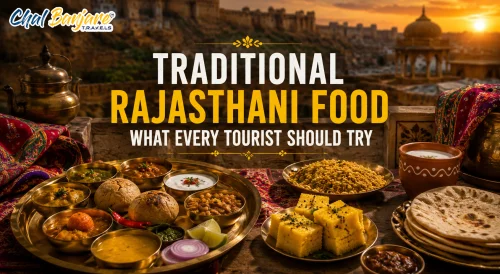
Food also plays a central role during weddings, harvest festivals, temple celebrations, and cultural gatherings throughout Rajasthan. Large traditional thalis showcase multiple regional preparations served together, allowing visitors to experience a wide variety of flavours within a single meal. Heritage hotels and cultural centres continue to preserve these culinary traditions by presenting authentic recipes alongside folk music, dance performances, and local hospitality.
- Family Recipes: Many dishes continue to follow generations-old cooking traditions.
- Festival Cuisine: Special sweets and meals are prepared during religious celebrations.
- Traditional Thalis: Offer a complete introduction to Rajasthan's regional flavours.
- Village Cooking: Homemade recipes remain an important cultural tradition.
- Royal Dining: Heritage properties preserve recipes from former palace kitchens.
- Cultural Experiences: Folk performances are often combined with traditional meals.
- Living Heritage: Food remains one of Rajasthan's strongest cultural expressions.
Rajasthan's cuisine represents much more than local flavours. Every traditional recipe reflects the state's history, geography, royal heritage, and community traditions, making food an essential part of understanding Rajasthan's cultural identity during any visit.