+91 9910402252
admin@chalbanjare.com


| Entry Fee | Free |
| Timings | Sunrise to sunset (generally 6:00 AM – 6:00 PM) |
| Altitude (m) | Approx. 450 m |
| Ideal Visit Duration | 45 minutes to 1.5 hours |
| Best Time of Day | Morning hours for comfortable walking and lighting |
| Crowd Level | Low to moderate, mostly local visitors and history enthusiasts |
| Distance from City Centre (km) | Approx. 5 km from Vidisha town |
| Walking Difficulty | Easy to moderate (uneven rock paths and steps) |
| Parking Available | Limited roadside parking near the site |
| Last Mile Access | Accessible by car or auto-rickshaw, followed by short walk |
| Suitable for Kids | Yes, with adult supervision |
| Suitable for Seniors | Yes, but uneven surfaces may require assistance |
| Wheelchair Friendly | No |
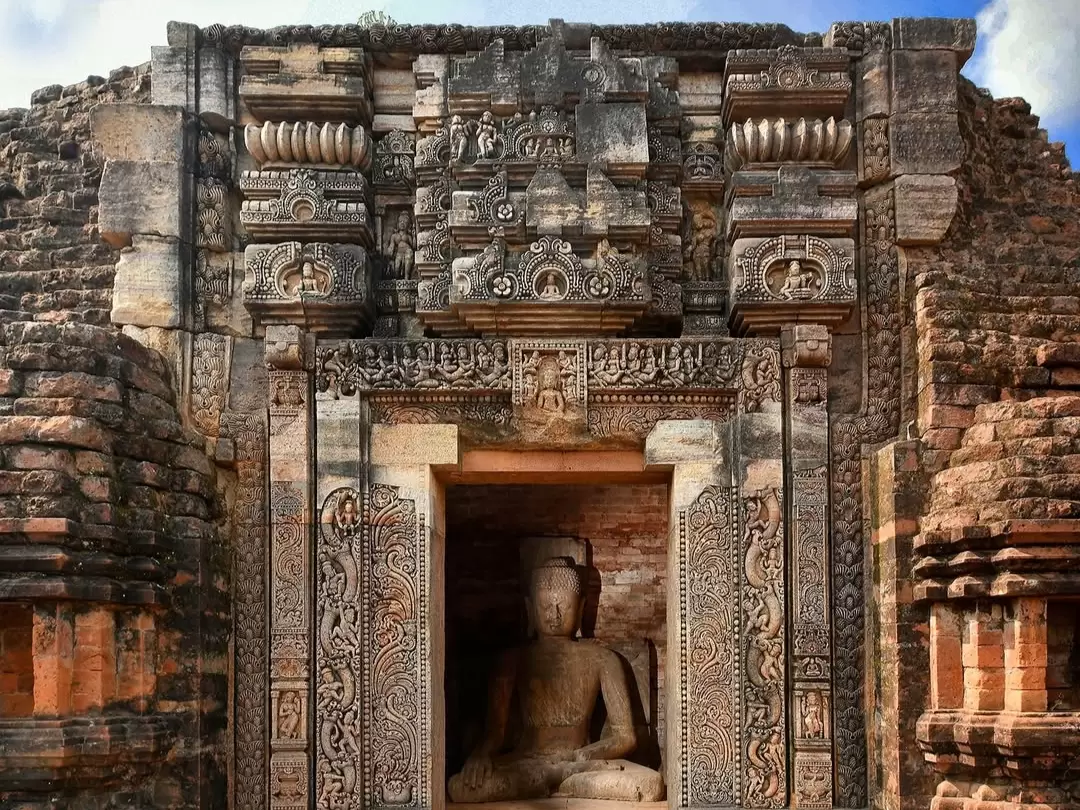
Visitors come to Udayagiri Caves to see a compact group of rock-cut caves known for their carvings, inscriptions, and stone sculptures set into a natural sandstone hillside near Vidisha.
The on-ground atmosphere is quiet and open, with rocky terrain, shaded cave entrances, and wide views of the surrounding plain, making the walk between caves calm and unhurried.
What makes Udayagiri distinct is the close clustering of multiple caves in a small area, allowing travelers to explore carvings, reliefs, and cave interiors in a short visit without long walking distances.
The Udayagiri Caves were carved during the early Gupta period in the 4th–5th century CE and are among the earliest surviving examples of Hindu rock-cut architecture in central India.
Several caves contain inscriptions and relief sculptures that record royal patronage, including references to the Gupta ruler Chandragupta II, making the site historically important for understanding early imperial governance and religion.
The caves functioned as active religious spaces, with both Hindu and Jain shrines carved into the hillside, reflecting the coexistence of religious traditions at the site during its period of use.
Udayagiri Caves are best visited during the cooler and drier months, when walking between the hill caves and exploring the open rock-cut areas is comfortable and safe.
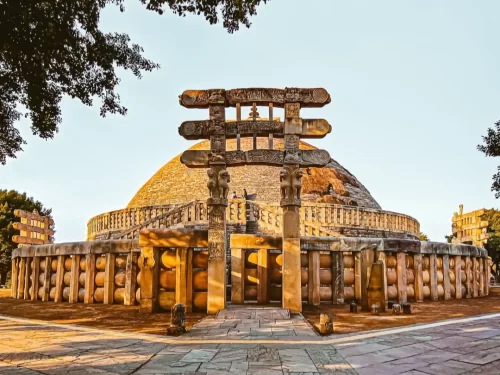 Stupa
Stupa
Sanchi Stupa is a major Buddhist monument located in Sanchi, Madhya Pradesh, within a protected archaeological complex
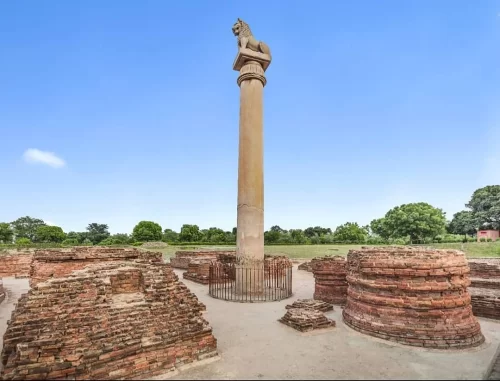 Monument
The Ashokan Pillar at Sanchi is a stone column from the Mauryan period located within the Sanchi archaeological complex in Madhya Pradesh
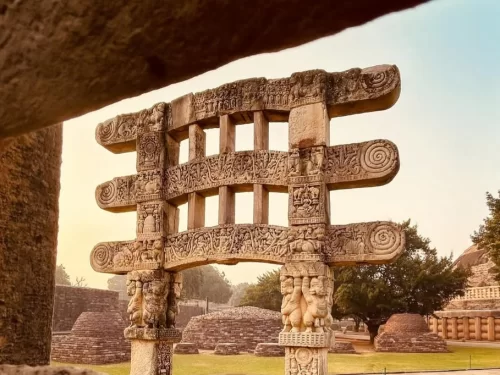 Historical Site
Toranas are traditional carved gateways found at temples and sacred sites across India
Get customized Madhya Pradesh tour planning designed around safari seasons, road travel distances, heritage site exploration time, and comfortable pacing across regions. Whether you are visiting for wildlife safaris, temple architecture, historical monume
⚡ Quick Response | 💰 Free consultation | 🕒 24×7 expert support

