+91 9910402252
admin@chalbanjare.com


| Entry Fee | Included in the Sanchi monument complex entry ticket issued by ASI |
| Timings | Open daily from sunrise to sunset as per Sanchi archaeological complex timings |
| Altitude (m) | Approximately 427 m above sea level (Sanchi hilltop complex) |
| Ideal Visit Duration | 10 to 15 minutes as part of the Sanchi complex visit |
| Best Time of Day | Early morning for better light and lower crowd density |
| Crowd Level | Moderate to high during tourist season and weekends |
| Distance from City Centre (km) | Located within Sanchi town; approx 1 km from local market area |
| Walking Difficulty | Easy, with paved and stone pathways inside the complex |
| Parking Available | Yes, at designated parking areas outside the protected zone |
| Last Mile Access | On foot from Sanchi complex entrance through marked pathways |
| Suitable for Kids | Yes, under supervision in crowded areas |
| Suitable for Seniors | Yes, with manageable walking distances and resting areas nearby |
| Wheelchair Friendly | Partially; some paved paths are accessible, but uneven stone areas limit full access |
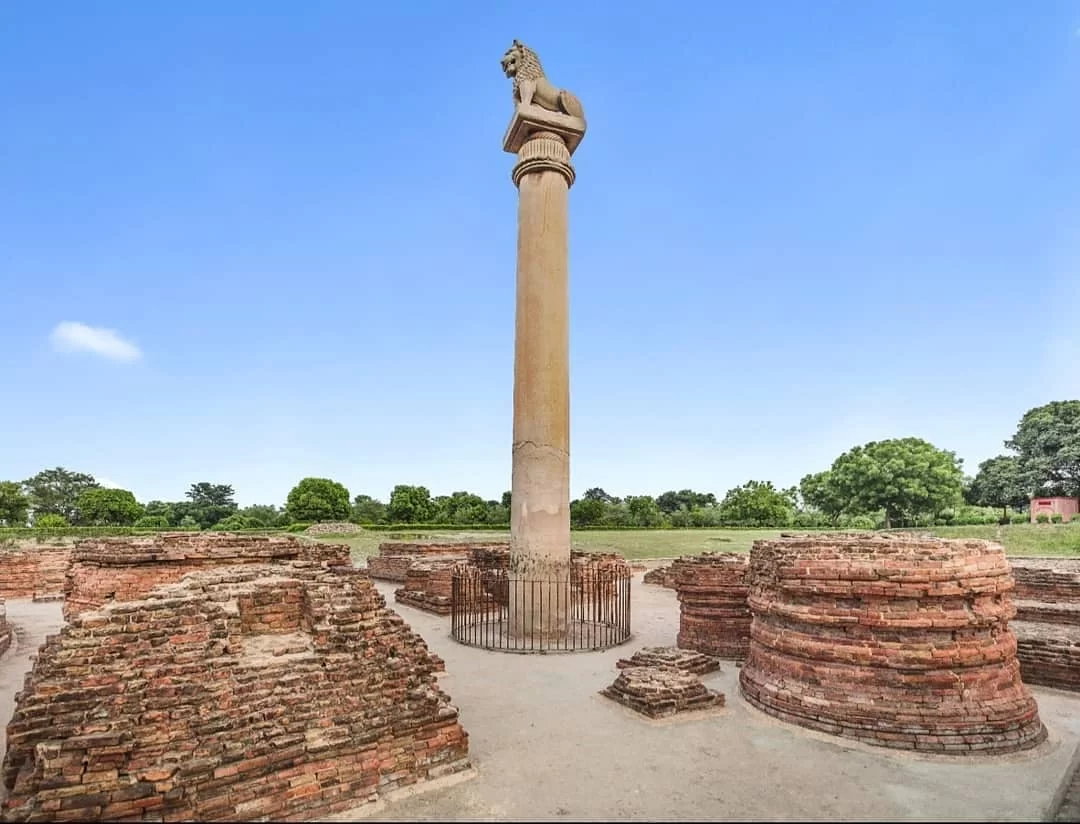
Visitors come to the Ashokan Pillar at Sanchi to see one of the most significant Mauryan era monuments within the Sanchi complex, known for its polished stone shaft, inscription fragments, and associated lion capital remains.
The on ground atmosphere is calm and open, set within the wider archaeological complex, with stone pathways, surrounding stupas, and steady visitor movement through the heritage zone.
What makes this place distinct for travelers is its direct physical connection to imperial administration and Buddhist patronage, allowing visitors to experience a monument that represents both governance and religious presence in a single site.
The Ashokan Pillar at Sanchi was erected during the reign of Emperor Ashoka in the 3rd century BCE as part of his wider program of pillar inscriptions and monuments across the Mauryan Empire.
It originally stood near the Great Stupa complex, serving as an official imperial marker associated with Buddhist establishments supported by the Mauryan state.
Fragments of the pillar, including the capital and inscription elements, remain within the Sanchi archaeological site, providing direct physical evidence of Mauryan administration and state patronage of Buddhist institutions.
The Ashokan Pillar at Sanchi is best visited during seasons when walking conditions within the open archaeological complex are comfortable and visibility of stone features is clear.
 Stupa
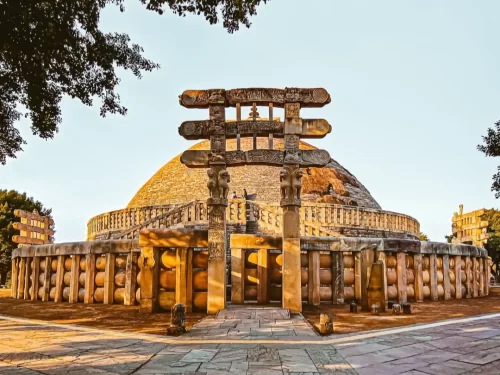
Stupa
Sanchi Stupa is a major Buddhist monument located in Sanchi, Madhya Pradesh, within a protected archaeological complex
 Historical Site
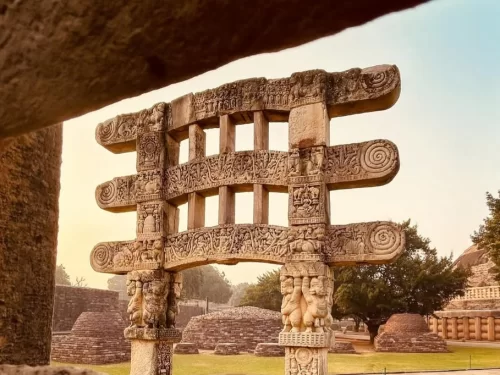
Toranas are traditional carved gateways found at temples and sacred sites across India
 Historical Site
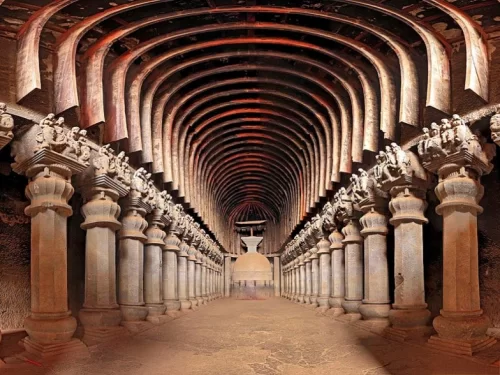
Chaitya Halls are ancient Buddhist worship spaces carved into rock across different regions of India
Get customized Madhya Pradesh tour planning designed around safari seasons, road travel distances, heritage site exploration time, and comfortable pacing across regions. Whether you are visiting for wildlife safaris, temple architecture, historical monume
⚡ Quick Response | 💰 Free consultation | 🕒 24×7 expert support