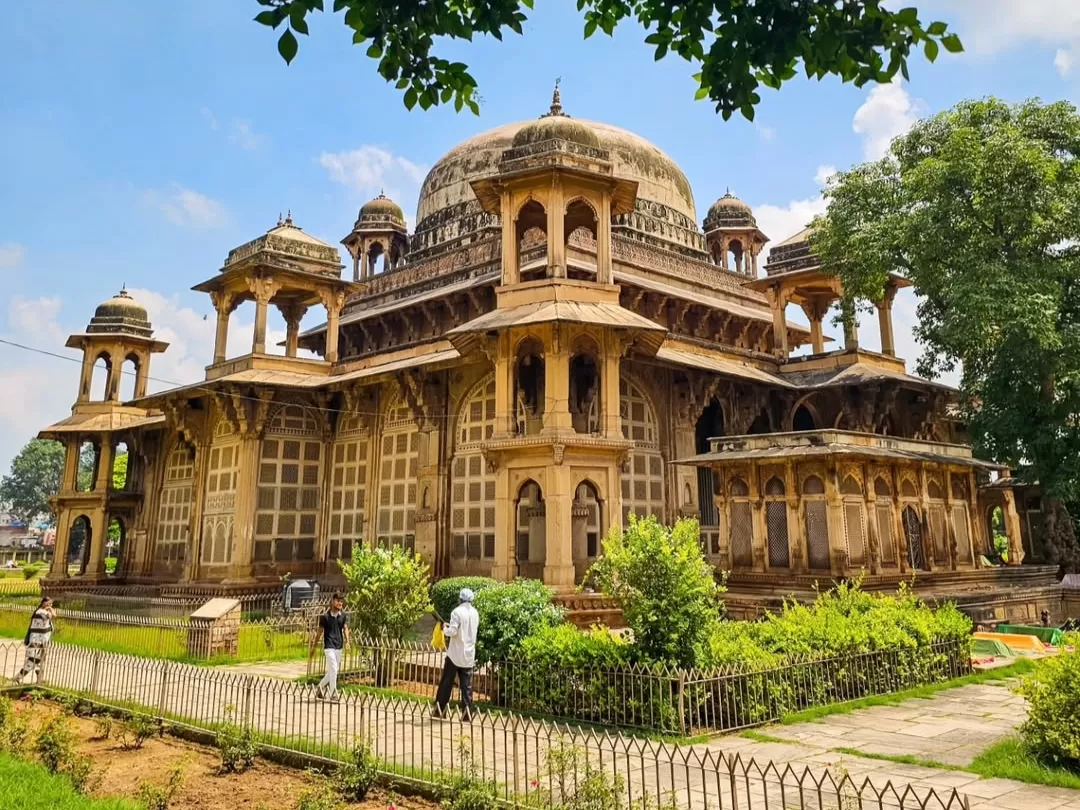
Tomb of Mohammad Ghaus in Gwalior, Madhya Pradesh, India

Tomb of Mohammad Ghaus , Gwalior
Tourists visit the Tomb of Mohammad Ghaus to admire its Mughal-inspired architecture and to learn about the spiritual significance of the site. The tomb is a peaceful place of reflection and attracts those interested in history and Sufi culture.

Quick Facts About Tomb of Mohammad Ghaus

Quick Facts for Tomb of Mohammad Ghaus

Entry Fee Free
Timings 6:00 AM - 6:00 PM
Altitude (m) 190 m
Ideal Visit Duration 30 minutes to 1 hour
Best Time of Day Morning or evening
Crowd Level Low to moderate
Distance from City Centre (km) 3 km
Walking Difficulty Easy
Parking Available Yes
Last Mile Access Accessible by foot from parking area
Suitable for Kids Yes
Suitable for Seniors Yes
Wheelchair Friendly No

Why Visit Tomb of Mohammad Ghaus

Visitors come to the Tomb of Mohammad Ghaus to pay homage to the Sufi saint and to explore a significant part of Gwalior's cultural and spiritual history. This beautifully crafted tomb, located near Gwalior Fort, is a serene and sacred site that attracts both pilgrims and history enthusiasts. The tomb’s intricate Mughal architecture and calm environment make it a peaceful place for reflection and spiritual connection.

The atmosphere at the Tomb of Mohammad Ghaus is tranquil and reverent, with visitors often seen offering prayers and admiring the architectural beauty of the structure. The tomb is surrounded by lush gardens, enhancing the sense of calm and serenity that visitors experience while at the site. The peaceful setting offers an escape from the busy surroundings of the city, making it a perfect spot for quiet contemplation.

What makes the Tomb of Mohammad Ghaus distinct for travelers is its unique blend of spiritual significance and Mughal-era craftsmanship. The tomb’s architectural elegance, coupled with its historical and cultural importance, provides visitors with a glimpse into the region’s past while offering a quiet, reflective space. It’s a must-visit for those interested in Sufi history and the architectural legacy of Gwalior.

History of Tomb of Mohammad Ghaus

The Tomb of Mohammad Ghaus, located in Gwalior, is a significant historical and architectural landmark. Built in the 16th century, it is the final resting place of Mohammad Ghaus, a renowned Sufi saint who was a key spiritual figure during the reign of the Mughal emperor, Akbar. Mohammad Ghaus is remembered for his profound influence on Islamic mysticism and his close association with Akbar.

The tomb itself is a stunning example of Mughal architecture, featuring a blend of Islamic and Persian styles. The structure is known for its elegant design, intricate carvings, and a large dome that adds to its grandeur. The tomb is set in a peaceful garden, providing a serene atmosphere for visitors who come to pay their respects and reflect on the legacy of Mohammad Ghaus.

Today, the Tomb of Mohammad Ghaus remains an important site for both pilgrims and history enthusiasts. It continues to attract visitors interested in exploring Gwalior’s rich Mughal heritage and spiritual history. The tomb not only serves as a memorial to a great saint but also stands as a reminder of the cultural and religious contributions of the Mughal period in India.

Best Time to Visit Tomb of Mohammad Ghaus, Gwalior

The best time to visit the Tomb of Mohammad Ghaus in Gwalior is between October and March, when the weather is comfortably cool for exploring this 16th-century Mughal-era mausoleum and its intricate stone latticework in detail.

  • Ideal months: October to March, especially November to February for the most comfortable daytime temperatures and clearer skies for photography.
  • Weather conditions during the best season: Daytime temperatures generally range between 12°C and 25°C, with dry air and good visibility—ideal for walking through the landscaped complex and observing the detailed jali carvings without heat fatigue.
  • Periods to avoid: April to June due to intense heat in Gwalior (often exceeding 40°C), which makes open courtyard exploration uncomfortable; July to September can bring intermittent monsoon showers that limit time spent outdoors and affect lighting for photography.

How to Reach Tomb of Mohammad Ghaus

  • Nearest Airport: The nearest airport to the Tomb of Mohammad Ghaus is Gwalior Airport (GWL), located approximately 8 kilometers away. The airport offers domestic flights, with connections to major cities like Delhi and Mumbai.
  • Nearest Railway Station: Gwalior Junction (GWL) is the nearest railway station, situated about 6 kilometers from the tomb. It is a major railway station, well-connected to cities like Delhi, Agra, and Mumbai with frequent trains.
  • Road Access: The Tomb of Mohammad Ghaus is easily accessible by road from Gwalior city center, located around 6 kilometers away. The drive typically takes about 15-20 minutes, with well-maintained roads leading to the site.
  • Last-Mile Connectivity: Visitors can hire taxis, auto-rickshaws, or use local buses to reach the Tomb of Mohammad Ghaus. The site is also accessible by walking from nearby drop-off points or parking areas.

What to Expect When You Visit Tomb of Mohammad Ghaus

The Tomb of Mohammad Ghaus in Gwalior is an important historical and architectural site, dedicated to the revered Sufi saint. Here’s what you can expect during your visit to this beautiful and serene monument.

  • Environment and Surroundings: The Tomb of Mohammad Ghaus is situated within a tranquil and peaceful part of Gwalior, surrounded by lush greenery and historical structures. The area exudes a spiritual atmosphere, making it ideal for quiet reflection. The tomb is located near the Gwalior Fort, and the surrounding landscape offers impressive views of the fort and the city. The weather in Gwalior can be hot during the summer, so visiting during the cooler months or early morning/evening is recommended for a more comfortable experience. The site remains calm, providing a serene environment for visitors.
  • Facilities and Amenities: The Tomb of Mohammad Ghaus offers basic amenities such as seating areas for visitors to rest and quiet spaces for contemplation. There are small vendors around the site selling religious offerings and light refreshments, but there are no large-scale commercial facilities nearby. Restroom facilities are available, but they may be basic. The site is not heavily commercialized, preserving the historical and spiritual character of the monument. Visitors are encouraged to bring their own water and snacks if planning to spend more time at the site.
  • Accessibility and Movement: The tomb is accessible by road, and visitors can use taxis, rickshaws, or private vehicles to reach the site. The area around the tomb is walkable, with paved paths leading to the monument. While the site is relatively flat, some uneven surfaces and steps around the tomb complex may present challenges for visitors with mobility concerns. It’s best to plan accordingly and seek assistance if necessary. Public transport options are limited, so using a private vehicle or taxi is recommended for ease of access.
  • Typical Visitor Behavior and Conditions: Visitors to the Tomb of Mohammad Ghaus typically come to pay their respects and appreciate the historical and architectural significance of the site. The atmosphere is respectful, with visitors often engaging in quiet reflection, prayer, or photography. The site is less crowded compared to other major tourist attractions, allowing for a more peaceful experience. During religious occasions, it can get busier with devotees and pilgrims. Visitors are expected to maintain decorum, such as removing shoes before entering and refraining from loud behavior. It’s important to respect the spiritual and historical importance of the tomb throughout your visit.

Important Visitor Information for Tomb of Mohammad Ghaus

  • Crowd and Weather Notes: The Tomb of Mohammad Ghaus in Gwalior remains relatively peaceful on most weekdays but sees higher footfall during weekends and the annual Tansen Music Festival, as the tomb complex also houses the Tomb of Tansen. Summers in Gwalior are extremely hot (often exceeding 40°C), while winters are mild and comfortable for exploration. During the monsoon, the sandstone pathways and garden areas can become damp and slippery.
  • Peak and Quiet Visiting Hours: Visitor numbers are typically highest between 11:00 AM and 3:00 PM. For a quieter and more comfortable experience, arrive shortly after opening in the morning or visit in the late afternoon, when temperatures are lower and the monument’s intricate jali (stone lattice) work is beautifully highlighted by angled sunlight.
  • Dress Code: As this is a historical Sufi mausoleum and an active site of reverence, modest attire is recommended. Clothing that covers shoulders and knees is appropriate. Footwear is generally removed if entering the inner sanctum area, so wearing easily removable shoes is practical.
  • Safety Notes and Practical Cautions: The monument complex is managed and generally safe, but visitors should watch their step on uneven stone flooring and raised platforms typical of 16th-century Mughal architecture. Avoid climbing on delicate jali screens or carved surfaces to prevent damage and injury. During peak summer, carry water and sun protection, as shaded areas within the garden complex are limited.

Photography and Viewpoints in Tomb of Mohammad Ghaus

The Tomb of Mohammad Ghaus in Gwalior is a striking 16th-century Mughal monument known for its intricate stone lattice screens (jali work) and balanced Persian-inspired architecture. Set within a landscaped garden complex, the site offers strong geometric compositions and detailed craftsmanship that reward careful framing.
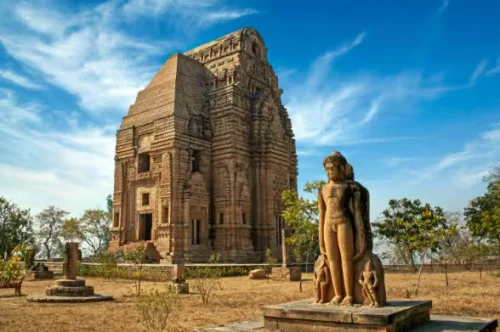
  • Best Viewpoints for Photography: The most compelling angle is from the main garden pathway aligned with the central arch, where the symmetrical façade and large dome are fully visible. Close-up shots of the delicate jali screens on the exterior walls reveal fine stone carving patterns, especially along the eastern and southern sides. Positioning yourself slightly off-center in the garden helps capture depth, with pathways leading the eye toward the tomb. The adjacent tomb of Tansen also provides contextual heritage frames within the same complex.
  • Lighting Conditions and Time-of-Day Considerations: Early morning light softly illuminates the eastern façade, highlighting the lattice details without harsh contrast. Late afternoon brings warm tones to the sandstone structure, enhancing texture and shadow definition under the arches. Midday sunlight can flatten the jali patterns and create strong glare on pale stone surfaces, making detail photography more challenging.
  • Rules and Restrictions: As an ASI-protected monument, photography for personal use is generally permitted in the open complex. Tripods, drones, and commercial shoots may require prior permission from authorities. Flash is discouraged inside shaded interior areas to protect the historic surfaces. Always follow on-site ASI signage and staff instructions.
  • Crowd and Access Factors: The complex is relatively calm compared to Gwalior Fort, though it sees increased visitors during weekends and the annual Tansen Music Festival. Visiting early in the morning provides unobstructed garden compositions and quieter interiors. The wide pathways allow flexible framing even during moderate footfall.

Near By Attraction

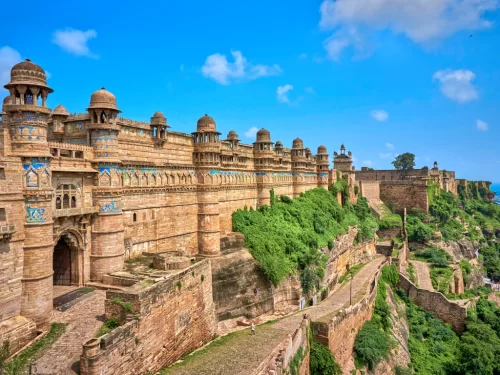
Gwalior Fort ramparts during clear afternoon, featuring turquoise tilework pavilions and domes atop cliffside with lush greenery, perfect heritage experience in Madhya Pradesh tour package. Fort

Gwalior Fort

Gwalior Fort is a major hilltop fort complex known for its palaces, temples, and long military history.
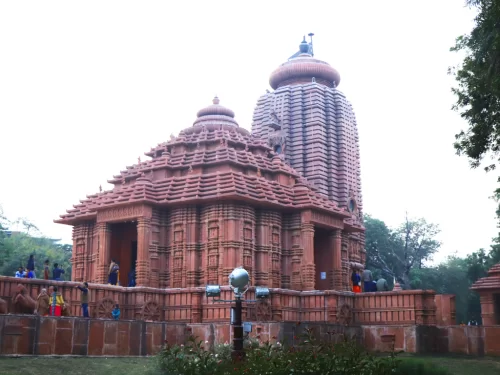
Sun Temple Gwalior temple complex during clear afternoon, featuring visitors at stepped jagamohana entrance beside towering rekha deul vimana amid lush gardens, perfect heritage experience in Madhya Pradesh tour package. Temple

Sun Temple Gwalior

The Sun Temple in Gwalior is a modern Hindu temple dedicated to Surya (the Sun God), inspired by the Sun Temple architecture of Konark.

Jai Vilas Palace Gwalior during clear afternoon, featuring white Italianate facade with domed towers before manicured gardens showcasing silver royal carriage display amid yellow flower borders, perfect heritage experience in Madhya Pradesh tour package. Palace

Jai Vilas Palace

Jai Vilas Palace is a 19th-century royal residence built by Maharaja Jayajirao Scindia and partly converted into a museum.

Frequently Asked Questions About Tomb of Mohammad Ghaus

Tomb of Mohammad Ghaus is located in Gwalior, Madhya Pradesh, near the Phool Bagh area. It is easily accessible by road from the main city center and railway station.
Tomb of Mohammad Ghaus is generally open from sunrise to sunset. Daytime visits are recommended for clear views of the architecture and garden ?????.
There is usually no major entry fee to visit Tomb of Mohammad Ghaus. Visitors can enter the monument complex without purchasing a ticket.
Visitors can reach Tomb of Mohammad Ghaus by taxi, auto rickshaw, or private vehicle in Gwalior, Madhya Pradesh. Local transport services frequently operate to this area.
Parking is available near Tomb of Mohammad Ghaus for cars and two wheelers. Space is generally sufficient on weekdays but may be limited during weekends.
The best time to visit Tomb of Mohammad Ghaus is between October and March when the weather in Gwalior, Madhya Pradesh is pleasant. Early mornings and late afternoons offer comfortable conditions.
Most travelers spend about 30 to 60 minutes exploring Tomb of Mohammad Ghaus and its surrounding gardens. Additional time may be needed for photography.
Tomb of Mohammad Ghaus is suitable for family visits and provides an open garden space for relaxed exploration. The walking paths are relatively easy for senior citizens.
Photography is generally allowed at Tomb of Mohammad Ghaus as it is an open heritage site. Visitors should avoid causing disturbance to other guests while taking pictures.
Food options are limited directly at Tomb of Mohammad Ghaus, but several restaurants are available in Gwalior city nearby. Restroom facilities may be basic or limited within the complex.

Loved this place ? Let’s Plan Your Madhya Pradesh Trip

Get customized Madhya Pradesh tour planning designed around safari seasons, road travel distances, heritage site exploration time, and comfortable pacing across regions. Whether you are visiting for wildlife safaris, temple architecture, historical monume

⚡ Quick Response | 💰 Free consultation | 🕒 24×7 expert support

×

Plan Your Trip