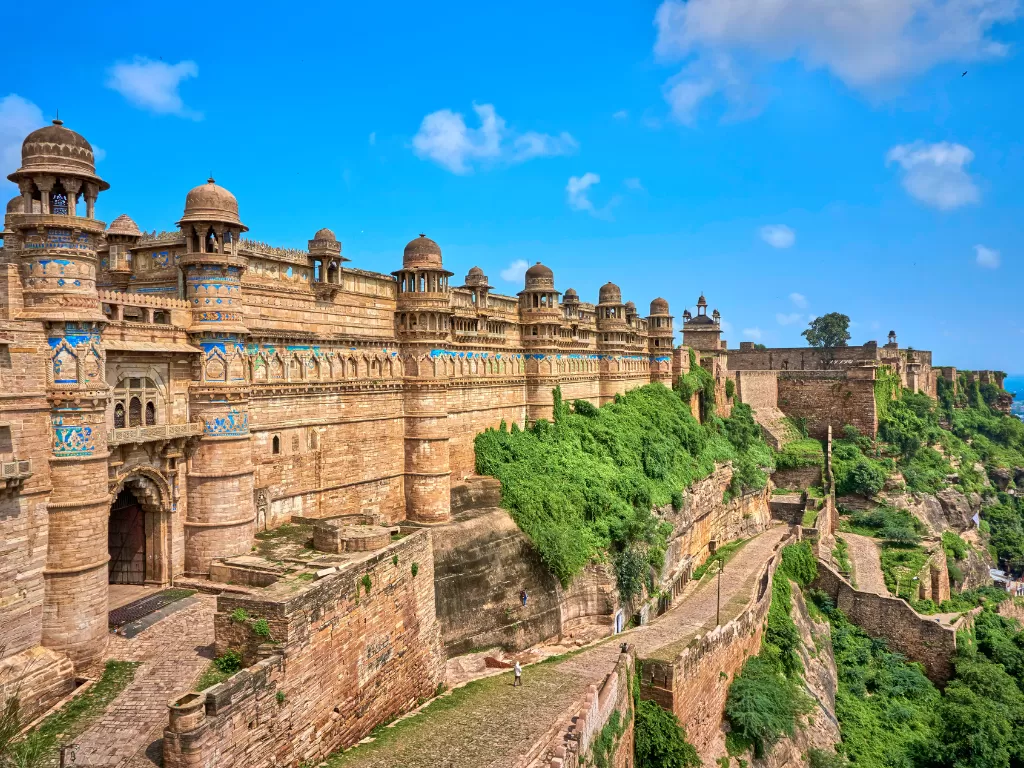
Gwalior Fort in Gwalior, Madhya Pradesh, India

Gwalior Fort , Gwalior
Tourists visit to explore key monuments such as Man Mandir Palace, Teli Ka Mandir, Sas Bahu Temple, and the fort’s rock-cut Jain sculptures. The fort is also visited for panoramic views over Gwalior city and its well-preserved gateways and walls.

Quick Facts About Gwalior Fort

Quick Facts for Gwalior Fort

Entry Fee INR 40 (Indian citizens), INR 600 (Foreign nationals); separate tickets may apply for specific monuments inside
Timings 8:00 AM - 5:30 PM (individual monuments inside may have slightly different closing times)
Altitude (m) Approx. 300 m above sea level (fort plateau)
Ideal Visit Duration 3-4 hours (longer if covering all major monuments)
Best Time of Day Morning (cooler temperatures and fewer visitors)
Crowd Level Moderate to high; peak on weekends and holidays
Distance from City Centre (km) Approx. 3 km from Gwalior Railway Station
Walking Difficulty Moderate (large area with slopes, uneven stone paths, and steps)
Parking Available Yes (designated parking areas near main entrances)
Last Mile Access Car/taxi can drive up to the fort; internal sightseeing requires walking
Suitable for Kids Yes (supervision required near edges and steps)
Suitable for Seniors Partially (vehicle access reduces climbing, but walking distances are significant)
Wheelchair Friendly Partially (vehicle access possible; many internal sections have steps and uneven surfaces)

Why Visit Gwalior Fort

Visitors come to Gwalior Fort to explore one of India’s most imposing hilltop fortresses, known for its massive sandstone walls, palace complexes, and historic temples. The fort houses key landmarks such as Man Mandir Palace, Teli Ka Mandir, and the Sas Bahu Temples, making it a multi-site destination rather than a single monument stop. It’s the central highlight of any Gwalior itinerary.

The on-ground atmosphere varies from panoramic viewpoints overlooking the city to quiet temple courtyards and museum-style palace interiors. As you move through its gates and pathways, the scale of the fort becomes clear, with wide ramparts, carved façades, and open terraces creating a sense of space. Expect moderate walking, open sun exposure, and rewarding views at multiple points.

What makes Gwalior Fort distinct for travelers is the density of architectural styles and experiences within one fortified complex. Instead of a single structure, you navigate palaces, temples, stepwells, and defensive walls spread across the plateau. It offers a layered visit where military architecture, royal residences, and active worship sites exist side by side.

History of Gwalior Fort

Gwalior Fort, rising dramatically above the city of Gwalior, is one of India’s most historic hill forts, with origins dating back over a thousand years. According to tradition, the fort was named after the sage Gwalipa, who is said to have cured a local chieftain, Suraj Sen, leading to the establishment of the early stronghold. Over the centuries, the fort came under the control of several major dynasties, including the Tomars, Mughals, Marathas, and the Scindias.

The most significant architectural contributions were made during the reign of the Tomar ruler Raja Man Singh (1486–1516), who constructed the ornate Man Mandir Palace within the fort complex. The fort also houses important monuments such as the Sas Bahu Temples, Teli Ka Mandir, and the Gurudwara Data Bandi Chhod Sahib, each reflecting different phases of Gwalior’s political and religious history.

Throughout medieval India, Gwalior Fort was regarded as a strategic military stronghold due to its elevated position and formidable sandstone walls. Today, it stands as a living record of successive empires and architectural styles, offering visitors a comprehensive glimpse into the layered history that shaped central India.

Best Time to Visit Gwalior Fort

The best time to visit Gwalior Fort is from October to March, when the cooler weather makes it comfortable to explore the vast hilltop complex on foot, including temples, palaces, and viewpoints spread across long walking routes.

  • Ideal months: October to March, with November to February being the most comfortable for full fort exploration and photography.
  • Weather conditions during the best season: Expect dry days with temperatures typically between 12°C and 25°C, making it easier to walk between monuments, climb steps, and spend time at panoramic viewpoints without heat exhaustion.
  • Periods to avoid: April to June due to extreme heat in Gwalior (often above 40°C), which makes the exposed fort paths exhausting; July to September can bring monsoon humidity and slippery stone surfaces, reducing comfort and safety while walking.

How to Reach Gwalior Fort, Gwalior

  • Nearest Airport: Gwalior Airport (GWL) is the nearest airport, located approximately 15 km from Gwalior Fort. It operates regular domestic flights to Delhi and limited other routes. From the airport, taxis and app-based cabs are available, and the drive to the fort area typically takes 30–45 minutes depending on city traffic.
  • Nearest Railway Station: Gwalior Junction (GWL) is about 4–5 km from the fort base and is one of the main railway stations in Madhya Pradesh on the Delhi–Mumbai corridor. It has frequent express and superfast trains from Delhi, Agra, Jhansi, Bhopal, and Mumbai. Auto-rickshaws and taxis are easily available for a quick 15–20 minute ride.
  • Road Access: Gwalior is well connected by NH 44, making road travel from Agra (approx. 120 km) and Jhansi (approx. 100 km) convenient. The fort sits on a steep sandstone hill; the main approach roads (including the Urvai Gate side) have sharp bends and narrow stretches, so drivers should proceed slowly, especially in larger vehicles.
  • Last-Mile Connectivity: Taxis and auto-rickshaws can take visitors up to the fort entry points, and private vehicles are allowed up to designated parking areas inside the complex. Expect short walks between monuments once inside. On weekends and public holidays, parking fills up quickly and queues at ticket counters can add extra time.

What to Expect When You Visit Gwalior Fort

Gwalior Fort is a vast hilltop fortress complex overlooking the city of Gwalior. It includes multiple palaces, temples, water tanks, and defensive structures spread across a large plateau. Visiting the fort requires time and physical effort, as it functions more like an open archaeological zone than a single monument.

  • Environment and surroundings: The fort stands on a steep sandstone hill with panoramic views of Gwalior city. Inside the complex, you’ll encounter a mix of restored structures and weathered ruins. Large open courtyards and exposed pathways mean limited shade in many areas. Summers are extremely hot, with stone surfaces radiating heat; winter months are significantly more comfortable for exploration.
  • Facilities and amenities: Entry to major monuments such as Man Mandir Palace involves ticketed access. Basic facilities like parking areas, small kiosks selling water and snacks, and limited restrooms are available near main entry points. However, facilities are not evenly distributed across the entire fort complex, so it’s advisable to carry drinking water, especially if planning to explore multiple sites within the fort.
  • Accessibility and movement: Vehicles can reach the top via a motorable road, though some visitors choose to walk up the historic ramparts route. Inside the fort, expect extensive walking on uneven stone paths and steps. Many structures involve staircases and elevated platforms. The site is not fully barrier-free, and visitors with mobility concerns may find certain monuments difficult to access.
  • Typical visitor behavior and conditions: Visitors typically explore multiple attractions within the fort, including palaces, temples, and viewpoints. Photography is common, particularly at scenic overlooks and ornate façades. Weekends, winter months, and public holidays bring larger crowds, while weekday mornings are generally quieter. The atmosphere is exploratory rather than devotional, though some temples within the fort remain active places of worship.

Important Visitor Information for Gwalior Fort

  • Crowd and Weather Notes: Gwalior Fort is the city’s primary attraction and receives heavy footfall on weekends, public holidays, and during the peak tourism season from October to March. Summers (April–June) are extremely hot, with exposed sandstone walls and open courtyards radiating heat throughout the day. Winters are the most comfortable for exploring the extensive complex. During the monsoon, certain stone pathways and ramparts can become slippery.
  • Peak and Quiet Visiting Hours: The fort is busiest between 11:00 AM and 3:00 PM when tour groups arrive and temperatures peak. For a more comfortable and less crowded experience, begin your visit soon after opening time. Early morning light also enhances views from the ramparts and reduces heat exposure.
  • Dress Code: There is no mandatory dress code, but modest, comfortable clothing is recommended due to the heritage setting. Wear sturdy walking shoes with good grip, as the fort complex involves significant walking over uneven stone surfaces, steps, and sloped pathways.
  • Safety Notes and Practical Cautions: Gwalior Fort covers a large elevated plateau with historic structures, open terraces, and steep drops in some areas. Stay within marked pathways and avoid leaning over unprotected edges. Carry sufficient water, especially in summer, as shade is limited in many sections. Follow signage inside monuments such as Man Mandir Palace and Teli Temple, and avoid climbing on fragile historic structures.

Photography and Viewpoints in Gwalior Fort

Gwalior Fort, dramatically rising above the city on a sandstone plateau, offers some of the strongest architectural and panoramic photography opportunities in Madhya Pradesh. With its long defensive walls, ornate palaces, ancient temples, and sweeping city views, the fort rewards both wide landscape framing and detailed heritage shots.
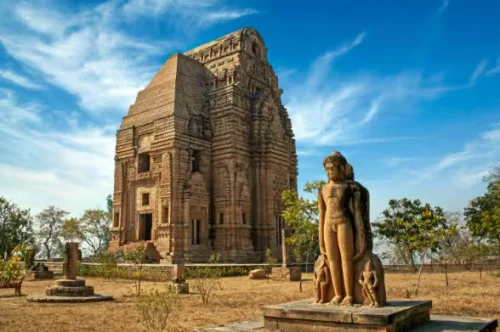
  • Best Viewpoints for Photography: The most iconic exterior perspective is from the Urvai Gate road below, where the fort walls stretch horizontally across the ridge. Inside the fort complex, the Man Mandir Palace façade is ideal for symmetrical architectural shots, especially from the central courtyard. The ramparts near the main entrance provide panoramic views over Gwalior city, particularly effective for layered skyline compositions. Teli Ka Mandir and Sas Bahu Temple offer elevated positions for framing temple architecture against open sky.
  • Lighting Conditions and Time-of-Day Considerations: Early morning is ideal for photographing the fort walls and palaces with softer light and fewer harsh shadows. Late afternoon works well for rampart viewpoints overlooking the city, as warm tones enhance the sandstone textures. Midday light can be intense on exposed stone surfaces, flattening intricate tile work and carvings, particularly on the Man Mandir Palace façade.
  • Rules and Restrictions: As an ASI-protected monument, personal photography is generally allowed in open areas. Tripods, drones, and commercial shoots may require prior permission. Flash photography may be restricted in enclosed palace interiors or museum sections within the fort complex. Always follow ASI signage and staff guidance, especially in protected temple areas.
  • Crowd and Access Factors: Gwalior Fort is one of the city’s busiest attractions, especially on weekends and during peak tourist season. For unobstructed palace façades and rampart views, arrive near opening time. The fort complex is large, and distances between monuments require walking, so planning your photography route in advance helps maximize light conditions at each site.

Near By Attraction

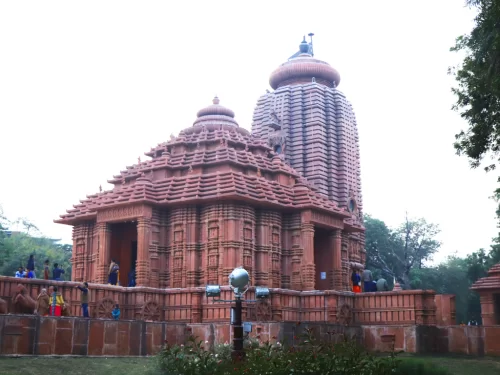
Sun Temple Gwalior temple complex during clear afternoon, featuring visitors at stepped jagamohana entrance beside towering rekha deul vimana amid lush gardens, perfect heritage experience in Madhya Pradesh tour package. Temple

Sun Temple Gwalior

The Sun Temple in Gwalior is a modern Hindu temple dedicated to Surya (the Sun God), inspired by the Sun Temple architecture of Konark.
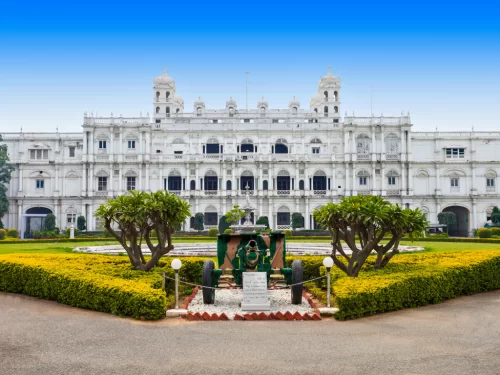
Jai Vilas Palace Gwalior during clear afternoon, featuring white Italianate facade with domed towers before manicured gardens showcasing silver royal carriage display amid yellow flower borders, perfect heritage experience in Madhya Pradesh tour package. Palace

Jai Vilas Palace

Jai Vilas Palace is a 19th-century royal residence built by Maharaja Jayajirao Scindia and partly converted into a museum.

 Aerial view of Gujari Mahal in Gwalior showcasing its fortified walls, central courtyard, and surrounding greenery, a historic attraction included in Madhya Pradesh tour packages Palace

Gujari Mahal

Gujari Mahal is a 15th-century palace in Gwalior built by Raja Man Singh Tomar for Queen Mrignayani.

Frequently Asked Questions About Gwalior Fort

Gwalior Fort is located in Gwalior, Madhya Pradesh, situated on a hill overlooking the city. It is around 3 to 4 kilometers from the Gwalior railway station.
Gwalior Fort is generally open daily from 6 AM to 6 PM, though palace and museum sections may have slightly different timings. Morning visits are more comfortable for exploring.
There is a standard entry fee for Gwalior Fort for both Indian and foreign visitors. Additional charges may apply for specific monuments and museums inside the fort complex.
Visitors can reach Gwalior Fort by auto rickshaw, taxi, or private vehicle from anywhere in Gwalior, Madhya Pradesh. The fort is well connected by road and clearly signposted.
Parking is available near the main entrances of Gwalior Fort for cars and two wheelers. Parking fees may be charged separately depending on the entry gate used.
The best time to visit Gwalior Fort is between October and March when the weather in Gwalior, Madhya Pradesh is pleasant. Summers can be extremely hot, especially during midday hours.
Most travelers spend around 2 to 3 hours exploring Gwalior Fort and its key attractions. Visitors interested in detailed exploration or photography may require additional time.
Authorized guides are available at Gwalior Fort and can be hired at the entrance. A guide helps visitors understand the layout and navigate the large complex efficiently.
Gwalior Fort is suitable for family visits, but the terrain includes slopes and steps. Senior citizens should plan for slow exploration and may avoid steep sections.
Basic food stalls and small shops are available near parts of Gwalior Fort, while full restaurants are located in the city below. Restroom facilities are available near main visitor areas.

Loved this place ? Let’s Plan Your Madhya Pradesh Trip

Get customized Madhya Pradesh tour planning designed around safari seasons, road travel distances, heritage site exploration time, and comfortable pacing across regions. Whether you are visiting for wildlife safaris, temple architecture, historical monume

⚡ Quick Response | 💰 Free consultation | 🕒 24×7 expert support

×

Plan Your Trip