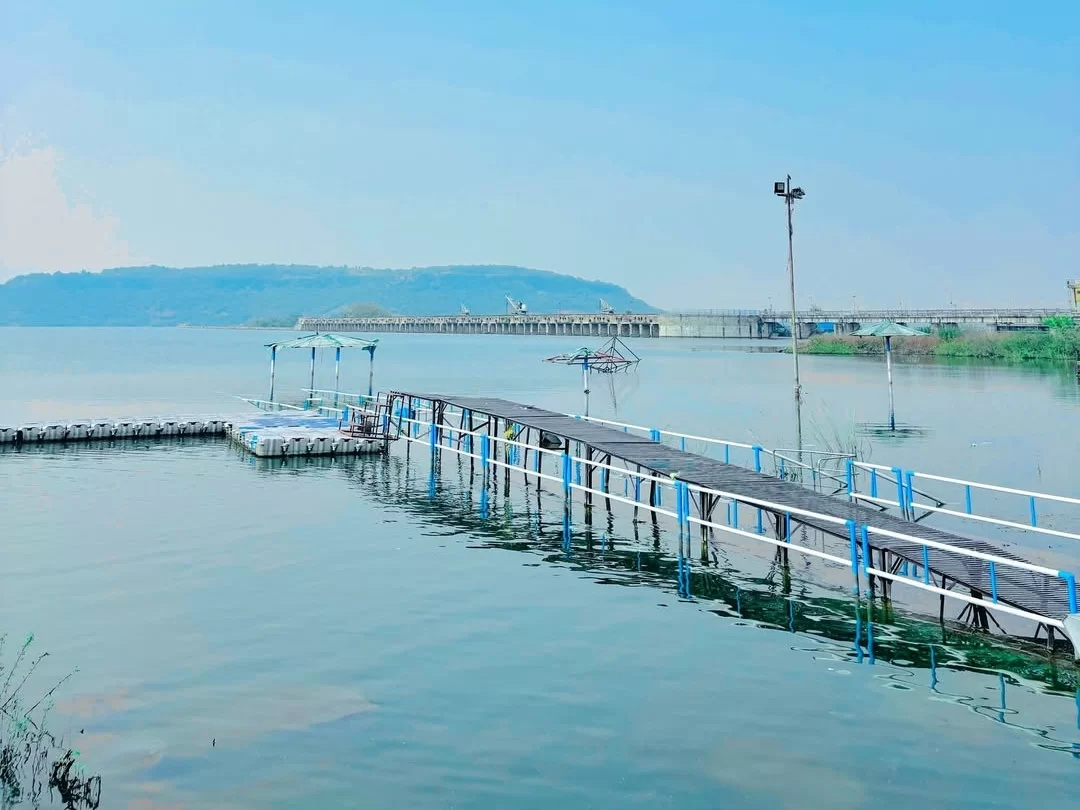
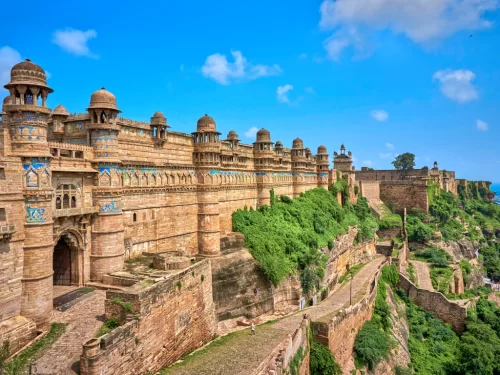
Tighra Dam in Gwalior, Madhya Pradesh, India

Tighra Dam , Gwalior
Tourists visit Tighra Dam for its picturesque surroundings, peaceful atmosphere, and opportunities for picnics and nature walks, making it a popular spot for relaxation and photography.

Quick Facts About Tighra Dam

Quick Facts for Tighra Dam

Entry Fee Free
Timings Open 24 hours, best visited during daylight
Altitude (m) 430 m
Ideal Visit Duration 2-3 hours
Best Time of Day Morning or late afternoon
Crowd Level Low to moderate
Distance from City Centre (km) 15 km
Walking Difficulty Easy
Parking Available Yes
Last Mile Access Accessible by foot or car from parking area
Suitable for Kids Yes
Suitable for Seniors Yes
Wheelchair Friendly No

Why Visit Tighra Dam

Visitors come to Tighra Dam for its picturesque views and serene surroundings, making it an ideal destination for nature lovers and photographers. The dam, located on the outskirts of Bhopal, offers a tranquil setting perfect for picnics, boat rides, and bird watching. It's a popular spot for those looking to enjoy a peaceful day in nature while exploring the natural beauty of the area.

The atmosphere at Tighra Dam is calm and refreshing, with cool waters and lush greenery surrounding the area. The peaceful environment invites visitors to unwind, making it a favorite among locals and tourists alike for a day out in nature. The gentle sounds of the water and the breeze add to the calming experience, making it an excellent spot for relaxation.

What makes Tighra Dam distinct for travelers is its blend of scenic beauty and recreational activities. While the dam offers stunning views of the water and landscape, visitors can also engage in boating and enjoy the serene ambiance. It's a perfect destination for those seeking both relaxation and outdoor adventure in a less crowded setting, away from the city’s noise.

History of Tighra Dam

Tighra Dam, located near Gwalior, is an important historical and engineering landmark. Constructed during the British colonial period in the 19th century, the dam was built to cater to the growing needs of water supply for irrigation and drinking in the region. Its strategic location near the Tighra village has made it a crucial part of Gwalior's water management system.

The dam holds both historical and functional significance, with its construction marking an important advancement in water conservation techniques for the time. The reservoir created by the Tighra Dam is not only a source of water but also offers a scenic backdrop for visitors, making it a popular site for picnics and leisurely outings.

Today, Tighra Dam continues to serve as an essential water source for the surrounding areas. It remains a symbol of Gwalior's historical commitment to sustainable water management, as well as a peaceful retreat for nature lovers and tourists exploring the region's natural beauty and history.

Best Time to Visit Tighra Dam

The best time to visit Tighra Dam is from October to March. During these months, the weather is cooler, making it ideal for outdoor activities like boating and sightseeing, while also providing the best views of the dam and surrounding landscape.

  • Ideal months: October to March, when the temperatures are moderate and comfortable, allowing visitors to enjoy the beauty of the dam and its surroundings without the extreme heat.
  • Weather conditions during the best season: Expect temperatures ranging from 15°C to 25°C, with clear skies and dry weather, perfect for spending time by the water and enjoying nature.
  • Periods to avoid: June to September, during the monsoon season, when heavy rains may make the roads to the dam difficult to navigate and the area can be prone to flooding.

How to Reach Tighra Dam

  • Nearest Airport: The nearest airport to Tighra Dam is Raja Bhoj Airport (BHO) in Bhopal, located approximately 25 kilometers away. The airport has regular domestic flights connecting Bhopal to major cities such as Delhi, Mumbai, and Indore.
  • Nearest Railway Station: The nearest railway station is Bhopal Junction (BPL), around 18 kilometers from Tighra Dam. Bhopal Junction is well-connected to major cities like Delhi, Mumbai, and Kolkata, with a variety of train services including express and superfast trains.
  • Road Access: Tighra Dam is accessible by road from Bhopal, situated approximately 25 km away. The drive takes about 45 minutes, with the road conditions being generally good. The dam is located off the [MAIN HIGHWAY NAME], with clear signs for directions.
  • Last-Mile Connectivity: From Bhopal city, you can reach Tighra Dam by taxi, auto-rickshaw, or rental vehicle. Local buses and shared taxis are also available, though they may not operate at all times, so it's best to plan ahead.

What to Expect When You Visit Tighra Dam

Tighra Dam near Bhopal is a popular destination for nature lovers and those seeking a peaceful retreat. Here's what you can expect during your visit.

  • Environment and Surroundings: Tighra Dam is situated amidst picturesque landscapes, offering stunning views of the reservoir and surrounding hills. The area is known for its calm waters and lush greenery, providing a perfect setting for nature walks and picnics. The weather is generally warm during the summer months, with cooler temperatures during the monsoon and winter seasons. The dam's peaceful surroundings make it an ideal spot for relaxation away from the hustle and bustle of the city.
  • Facilities and Amenities: While Tighra Dam offers a natural setting with scenic views, the facilities are basic. You’ll find some seating areas for relaxation and a few food vendors around the area. However, there are limited amenities like restrooms, and visitors should come prepared with their own refreshments. The area is not highly commercialized, and there are no large-scale restaurants or shops within close proximity, so it's best to carry essentials with you. During peak times, the area may become crowded with tourists and locals alike.
  • Accessibility and Movement: The dam site is accessible by road, but public transport options may be limited. You may need to travel by taxi or private vehicle to reach the dam. The area around the dam is walkable, with some paths for leisurely strolls along the water. However, parts of the area may have uneven terrain, making movement slightly challenging for visitors with mobility concerns. There are no significant accessibility provisions such as ramps, so those with physical limitations should plan accordingly.
  • Typical Visitor Behavior and Conditions: Visitors to Tighra Dam typically engage in activities such as photography, picnics, and nature walks. The atmosphere is usually calm, though it can get busier during weekends or holidays when locals flock to the area for recreation. Be prepared for possible crowds, especially on weekends. The site is generally safe, but you should exercise caution near the water’s edge and avoid venturing into restricted areas. Respect for nature and local customs is appreciated, as the area is not heavily commercialized.

Important Visitor Information for Tighra Dam

  • Crowd and Weather Notes: Tighra Dam is a peaceful destination, but it attracts more visitors during weekends and public holidays, especially in the cooler months. The climate around the dam is typically warm and dry in summer, with the possibility of light rainfall during the monsoon season. Be mindful that the area can get very hot during summer, so it’s best to visit during the cooler months or early morning and late afternoon.
  • Peak and Quiet Visiting Hours: The dam is most crowded between 10:00 AM and 2:00 PM, particularly on weekends and holidays. For a quieter visit, try to visit early in the morning, from 6:00 AM to 8:00 AM, or late in the evening, between 4:00 PM and 6:00 PM, when the surroundings are peaceful and less crowded.
  • Dress Code: There is no specific dress code for visitors to Tighra Dam, but as the area involves outdoor exploration, it is recommended to wear comfortable, breathable clothing suitable for a nature visit. Light, casual attire and sturdy footwear for walking on uneven terrain are ideal. If you plan to spend time by the water, consider wearing appropriate clothing for wet environments.
  • Safety Notes and Practical Cautions: While Tighra Dam is generally safe, visitors should exercise caution around the water. Strong currents may be present, especially during the monsoon season, so it’s important not to venture too close to the edge or engage in water activities without safety precautions. Be cautious when walking around the dam’s path, as the terrain can be uneven and slippery. Carry water to stay hydrated, and protect yourself from the sun with sunscreen and hats, particularly during the summer.

Photography and Viewpoints in Tighra Dam

Tighra Dam, located on the outskirts of Bhopal, offers a tranquil setting with expansive views of water, lush greenery, and the surrounding hills. A popular spot for nature photography, it provides countless opportunities to capture the beauty of the landscape, wildlife, and the dam itself.
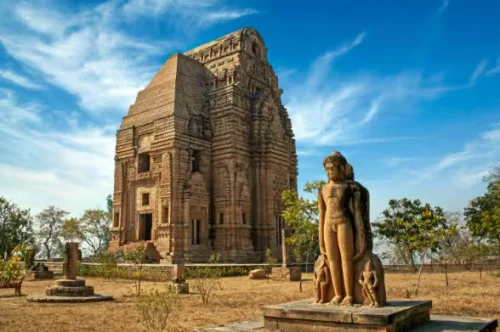
  • Best Viewpoints for Photography: The best viewpoint for capturing the full expanse of Tighra Dam is from the elevated areas surrounding the dam, which offer panoramic views of the water reservoir and hills. The dam's large spillway and the surrounding greenery also provide excellent angles for both wide-angle and close-up shots. The view from the nearby walking trail around the dam offers unique perspectives, especially at sunrise or sunset.
  • Lighting Conditions and Time-of-Day Considerations: Early mornings or late afternoons are the ideal times for photography, as the soft lighting creates stunning reflections on the water and highlights the surrounding landscape. The golden hour, just before sunset, provides beautiful light and enhances the textures of the dam and the surrounding scenery. Midday sunlight can be harsh and may lead to overexposure, so it’s best to avoid shooting during this time if possible.
  • Rules and Restrictions: Photography is allowed in most areas around Tighra Dam; however, certain sections near the dam structure may have restrictions for safety reasons. Flash photography is not recommended in the vicinity of the water due to the risk of disturbing wildlife. Always check for signage or ask local authorities for any photography restrictions before proceeding.
  • Crowd and Access Factors: While Tighra Dam is generally less crowded compared to other tourist spots, it can attract visitors during weekends and public holidays. To capture the best images without distractions, visit during early mornings or weekdays, when the area is quieter and offers more peaceful surroundings for photography.

Near By Attraction

Gwalior Fort ramparts during clear afternoon, featuring turquoise tilework pavilions and domes atop cliffside with lush greenery, perfect heritage experience in Madhya Pradesh tour package. Fort

Gwalior Fort

Gwalior Fort is a major hilltop fort complex known for its palaces, temples, and long military history.
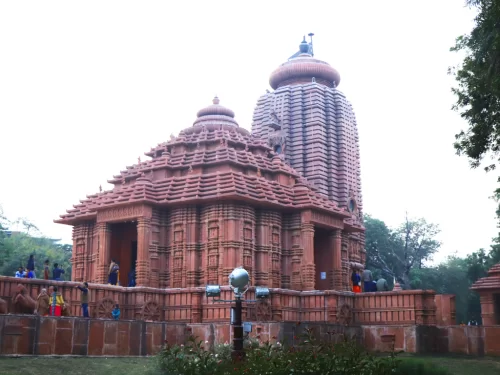
Sun Temple Gwalior temple complex during clear afternoon, featuring visitors at stepped jagamohana entrance beside towering rekha deul vimana amid lush gardens, perfect heritage experience in Madhya Pradesh tour package. Temple

Sun Temple Gwalior

The Sun Temple in Gwalior is a modern Hindu temple dedicated to Surya (the Sun God), inspired by the Sun Temple architecture of Konark.

Jai Vilas Palace Gwalior during clear afternoon, featuring white Italianate facade with domed towers before manicured gardens showcasing silver royal carriage display amid yellow flower borders, perfect heritage experience in Madhya Pradesh tour package. Palace

Jai Vilas Palace

Jai Vilas Palace is a 19th-century royal residence built by Maharaja Jayajirao Scindia and partly converted into a museum.

Frequently Asked Questions About Tighra Dam

Tighra Dam is located near Gwalior in Madhya Pradesh on the Sank River. It is situated around 20 to 25 kilometers from Gwalior city and is accessible by road.
Tighra Dam can generally be visited from morning until sunset. Daylight hours are recommended for safety and better views of the reservoir.
There is usually no major entry fee to visit Tighra Dam. Visitors may only need to pay parking charges if applicable.
Visitors can reach Tighra Dam by taxi or private vehicle from Gwalior, Madhya Pradesh. Public transport options are limited, so private travel is more convenient.
Parking is available near Tighra Dam in open designated areas close to the viewpoint. Space availability may vary during weekends and holidays.
The best time to visit Tighra Dam is between October and March when the weather in Gwalior, Madhya Pradesh is pleasant. Monsoon season offers fuller water levels and scenic views.
Most travelers spend about 1 to 2 hours at Tighra Dam enjoying the reservoir views and open surroundings. Additional time may be spent during picnics or group visits.
Boating availability at Tighra Dam depends on seasonal water levels and local management permissions. Visitors should check locally for current boating options.
Tighra Dam is suitable for family visits and offers open space for relaxation and short outings. Visitors should supervise children near the water for safety.
Food and restroom facilities are limited directly at Tighra Dam. Visitors can find better dining and amenities within Gwalior city before or after the visit.

Loved this place ? Let’s Plan Your Madhya Pradesh Trip

Get customized Madhya Pradesh tour planning designed around safari seasons, road travel distances, heritage site exploration time, and comfortable pacing across regions. Whether you are visiting for wildlife safaris, temple architecture, historical monume

⚡ Quick Response | 💰 Free consultation | 🕒 24×7 expert support

×

Plan Your Trip