+91 9910402252
admin@chalbanjare.com


| Entry Fee | Included in the Gwalior Fort/monument entry ticket; separate temple ticket is not required. |
| Timings | Generally open from sunrise to sunset (approximately 8:00 AM–6:00 PM for visitors). |
| Altitude (m) | Approximately 240 m above sea level |
| Ideal Visit Duration | 30 minutes–1 hour |
| Best Time of Day | Morning or late afternoon for comfortable weather and photography |
| Crowd Level | Moderate; generally less crowded than the main palace sections of Gwalior Fort |
| Distance from City Centre (km) | Approximately 4 km from central Gwalior |
| Walking Difficulty | Easy to Moderate; involves walking within the fort complex and on uneven heritage-site pathways |
| Parking Available | Yes, parking facilities are available near Gwalior Fort entrances. |
| Last Mile Access | Accessible by road up to Gwalior Fort, followed by a short walk within the fort complex |
| Suitable for Kids | Yes |
| Suitable for Seniors | Yes, though some walking within the fort complex is required |
| Wheelchair Friendly | Partially; accessibility is limited by uneven surfaces, slopes, and heritage-site pathways |
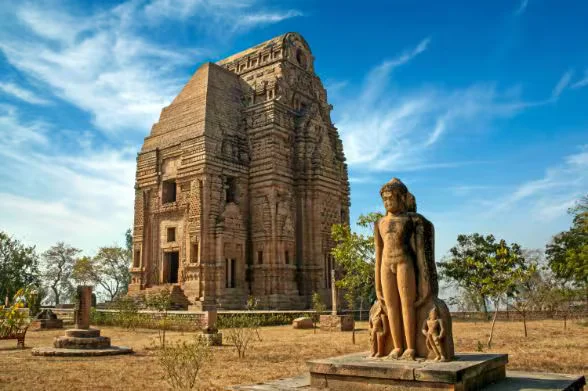
Visitors come to Teli Ka Mandir to admire one of the most distinctive temple structures within Gwalior Fort, known for its impressive height and unique architectural design.
The atmosphere is historic and tranquil, with visitors exploring the fort complex while appreciating the temple’s detailed carvings and monumental presence.
What makes Teli Ka Mandir distinct is its unusual blend of North and South Indian architectural influences, towering shikhara-like structure, and its status as one of the oldest surviving monuments within Gwalior Fort.
Teli Ka Mandir is the tallest and one of the most remarkable monuments within Gwalior Fort. The temple is believed to have been built during the 8th or 9th century under the Gurjara-Pratihara dynasty and is considered an outstanding example of early medieval Indian temple architecture.
The structure is notable for its unique blend of North Indian Nagara and South Indian Dravidian architectural influences, a rare feature that distinguishes it from most temples of its era. Although originally dedicated to a Hindu deity, the temple has undergone various phases of use and restoration throughout its long history.
Today, Teli Ka Mandir stands as an important archaeological and architectural landmark, offering visitors insight into the artistic achievements and cultural heritage of medieval central India.
Teli Ka Mandir is best visited during the cooler months when exploring the Gwalior Fort complex is comfortable and the weather is ideal for appreciating the temple's unique architecture and historical significance.
 Fort
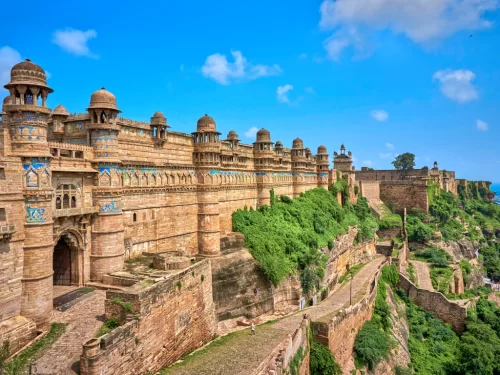
Fort
Gwalior Fort is a major hilltop fort complex known for its palaces, temples, and long military history.
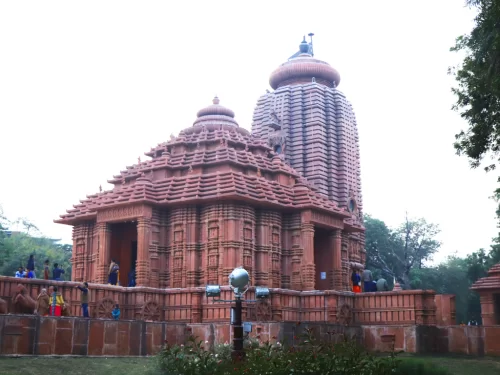 Temple
The Sun Temple in Gwalior is a modern Hindu temple dedicated to Surya (the Sun God), inspired by the Sun Temple architecture of Konark.
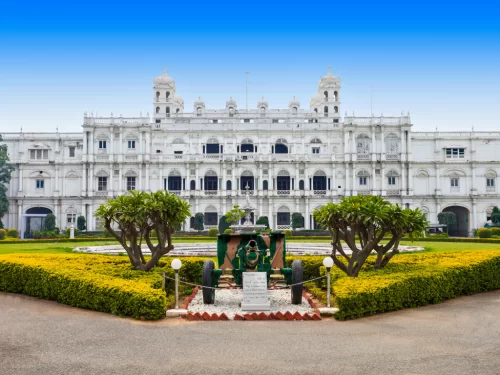 Palace
Jai Vilas Palace is a 19th-century royal residence built by Maharaja Jayajirao Scindia and partly converted into a museum.
Get customized Madhya Pradesh tour planning designed around safari seasons, road travel distances, heritage site exploration time, and comfortable pacing across regions. Whether you are visiting for wildlife safaris, temple architecture, historical monume
⚡ Quick Response | 💰 Free consultation | 🕒 24×7 expert support

