+91 9910402252
admin@chalbanjare.com


| Entry Fee | Free |
| Timings | 6:00 AM - 6:00 PM |
| Altitude (m) | 250 m |
| Ideal Visit Duration | 1-1.5 hours |
| Best Time of Day | Morning or evening |
| Crowd Level | Low to moderate |
| Distance from City Centre (km) | 2 km |
| Walking Difficulty | Easy |
| Parking Available | Yes |
| Last Mile Access | Accessible by foot from nearby parking |
| Suitable for Kids | Yes |
| Suitable for Seniors | Yes |
| Wheelchair Friendly | No |
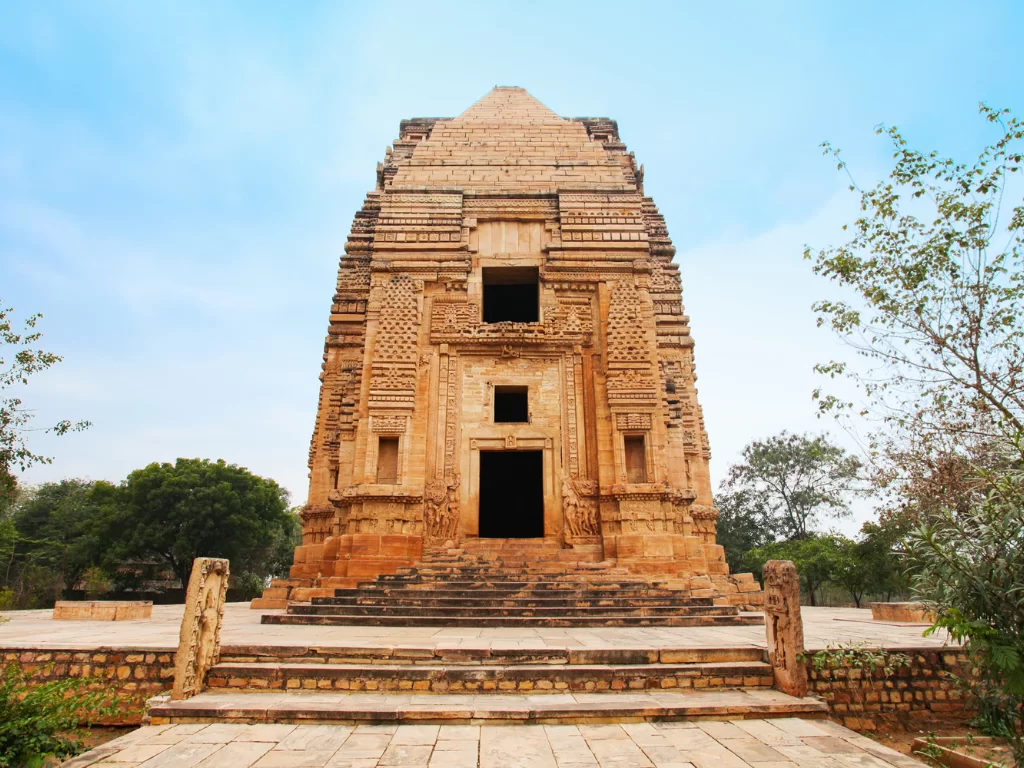
Visitors come to Teli Temple for its unique architectural style and spiritual significance. Located in Gwalior, this ancient temple is known for its distinct blend of Dravidian and North Indian architectural elements. The temple's towering spire and intricate carvings make it a fascinating site for both architecture enthusiasts and those interested in India’s rich religious heritage.
The atmosphere at Teli Temple is peaceful and reverent, with visitors often engaged in prayer and reflection. The temple’s serene surroundings, combined with its historical significance, create a calm space for spiritual exploration. The temple’s elevated position also offers panoramic views of the Gwalior Fort and the city, adding to its charm.
What makes Teli Temple distinct for travelers is its rare architectural style, which sets it apart from other temples in the region. The temple’s ancient beauty and the quiet, contemplative environment make it a perfect destination for those seeking a less crowded, authentic cultural experience in Gwalior.
Teli Temple, located in Gwalior, is an ancient and iconic structure dating back to the 9th century. Dedicated to Lord Vishnu, the temple is known for its unique blend of North Indian and South Indian architectural styles, which reflects the cultural syncretism of the period. It was built during the period of the Pratihara dynasty, and its design features distinct Dravidian influences, with a towering spire (shikhara) and intricately carved sculptures.
The temple is famous for its impressive architecture and its exquisite stone carvings that depict various deities and mythological scenes. The Teli Temple’s ornate pillars and detailed artwork make it a significant example of early medieval Indian temple architecture, showcasing the craftsmanship of the era.
Today, Teli Temple remains an important religious and architectural landmark in Gwalior. Its historical significance, along with its architectural beauty, continues to attract tourists and pilgrims alike, making it one of the must-see sites for anyone visiting the region.
The best time to visit Teli Temple in Gwalior is from October to March. During these months, the weather is cooler and more comfortable, making it ideal for exploring the temple and its surrounding historical sites.
Teli Temple, located in Gwalior, is a historical and architectural gem, offering visitors a chance to explore ancient religious and cultural significance. Here’s what you can expect when you visit this unique temple.
Teli Temple, located in Gwalior, is an ancient and magnificent example of early Hindu temple architecture. Known for its distinct design and historical significance, the temple provides photographers with excellent opportunities to capture both architectural details and panoramic views of the surrounding area.
 Temple
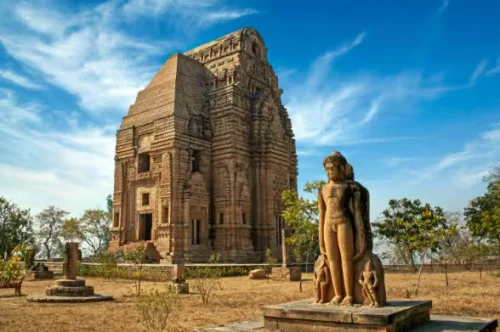
Teli Ka Mandir is an ancient Hindu temple located within the Gwalior Fort complex in Gwalior, Madhya Pradesh, and is known for its distinctive architectural style that combines North and South Indian design elements.
 Fort
Fort
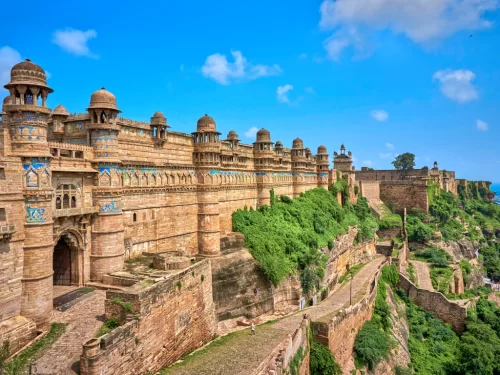
Gwalior Fort is a major hilltop fort complex known for its palaces, temples, and long military history.
 Temple
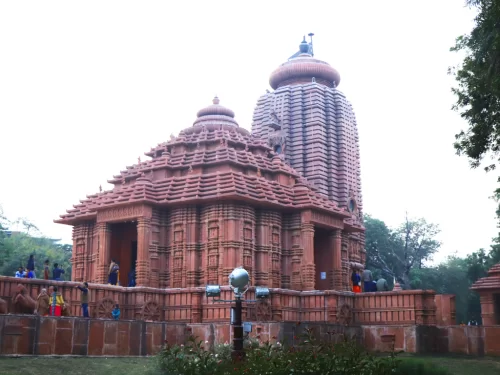
The Sun Temple in Gwalior is a modern Hindu temple dedicated to Surya (the Sun God), inspired by the Sun Temple architecture of Konark.
Get customized Madhya Pradesh tour planning designed around safari seasons, road travel distances, heritage site exploration time, and comfortable pacing across regions. Whether you are visiting for wildlife safaris, temple architecture, historical monume
⚡ Quick Response | 💰 Free consultation | 🕒 24×7 expert support

