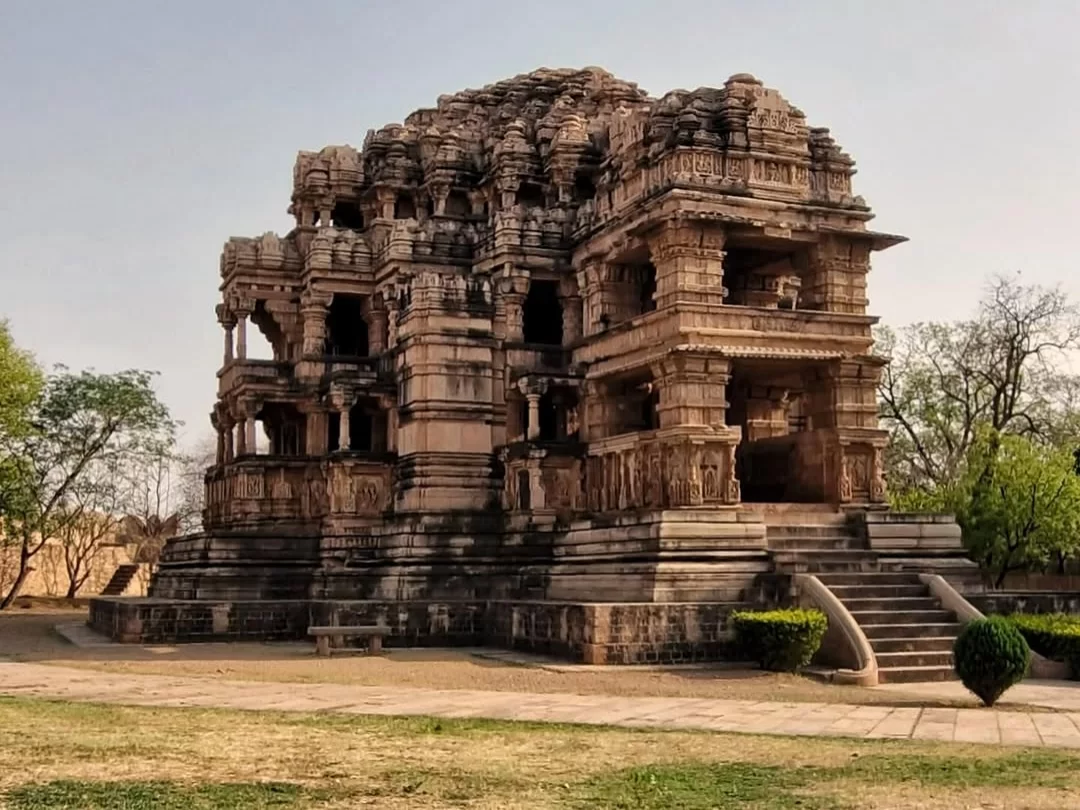
Sas Bahu Temple in Gwalior, Madhya Pradesh, India

Sas Bahu Temple , Gwalior
Tourists visit Sas Bahu Temple to admire its detailed carvings, historical relevance, and peaceful surroundings. The temple is a fine example of Indian architecture, attracting history enthusiasts and those interested in the region\'s cultural heritage.

Quick Facts About Sas Bahu Temple

Quick Facts for Sas Bahu Temple

Entry Fee Free
Timings 6:00 AM - 6:00 PM
Altitude (m) 200 m
Ideal Visit Duration 1-2 hours
Best Time of Day Morning or late evening
Crowd Level Moderate
Distance from City Centre (km) 5 km
Walking Difficulty Easy
Parking Available Yes
Last Mile Access Accessible by foot from the parking area
Suitable for Kids Yes
Suitable for Seniors Yes
Wheelchair Friendly No

Why Visit Sas Bahu Temple

Visitors come to Sas Bahu Temple for its architectural elegance and historical significance. Located in Ujjain, this ancient temple complex offers a peaceful setting for those interested in exploring the rich cultural heritage of the region. The intricately carved stonework and towering spires attract both history buffs and spiritual seekers alike, providing a glimpse into India’s medieval temple architecture.

The atmosphere at Sas Bahu Temple is serene and awe-inspiring, with the sounds of distant temple bells and chants adding to the tranquil environment. The temple's peaceful surroundings and historical charm make it an excellent spot for visitors seeking a spiritual experience, quiet reflection, or simply a deeper connection with the past.

What makes Sas Bahu Temple distinct for travelers is its blend of intricate craftsmanship and historical importance. The temple stands out for its detailed stone carvings and beautifully preserved structure, offering an authentic glimpse into the spiritual practices of the region. It’s a must-visit for those interested in exploring lesser-known yet significant cultural landmarks.

History of Sas Bahu Temple

The Sas Bahu Temple, located in Gwalior, is a significant historical and architectural landmark. Built during the 11th century, this temple complex is dedicated to Lord Vishnu and showcases the exquisite craftsmanship of the era. The name "Sas Bahu" translates to "Mother-in-law and Daughter-in-law," and it is believed that the temples were built by two rulers, one for their mother and the other for their daughter-in-law.

The temple complex is renowned for its stunning architectural style, featuring intricate carvings and sculptures that depict various deities and mythological scenes. The temples are an example of the Kalachuri style of architecture, known for their detailed ornamentation and grand structure. The Sas Bahu Temple is often admired for its precision in stone carving and the delicate artistry seen throughout the complex.

Today, the Sas Bahu Temple remains an important religious and cultural site, attracting both pilgrims and tourists who are interested in exploring the rich history and architecture of Gwalior. The temple’s spiritual significance, coupled with its architectural beauty, makes it one of the must-see attractions in the region.

Best Time to Visit Sas Bahu Temple

The best time to visit Sas Bahu Temple is from October to March. During these months, the weather is cooler, making it more comfortable to explore the temple and surrounding attractions without the intense heat of summer.

  • Ideal months: October to March, when the temperatures are moderate and pleasant, allowing for a more enjoyable visit to the temple.
  • Weather conditions during the best season: Expect temperatures between 15°C and 25°C, with dry, clear days perfect for temple visits and photography.
  • Periods to avoid: June to September, due to the monsoon season, when heavy rains can make the temple's surroundings slippery and less accessible, possibly impacting your experience.

How to Reach Sas Bahu Temple

  • Nearest Airport: The nearest airport to Sas Bahu Temple is Gwalior Airport (GWL), located approximately 10 kilometers from the temple. It offers domestic flights with connections to major cities like Delhi and Mumbai.
  • Nearest Railway Station: Gwalior Junction (GWL) is the nearest railway station, situated around 8 kilometers from Sas Bahu Temple. It is well-connected to major cities like Delhi, Agra, and Mumbai with regular train services.
  • Road Access: Sas Bahu Temple is easily accessible by road from Gwalior, located around 8 kilometers away. The drive takes approximately 15-20 minutes, and the road conditions are generally good, with smooth access from the main highways.
  • Last-Mile Connectivity: Upon reaching Gwalior, visitors can hire taxis, auto-rickshaws, or use local buses to reach Sas Bahu Temple. Walking from nearby parking areas is also an option for those who prefer to enjoy the surrounding area.

What to Expect When You Visit Sas Bahu Temple

The Sas Bahu Temple, located in Gwalior, is a historical and architectural marvel. Here’s what you can expect when you visit this ancient temple complex.

  • Environment and Surroundings: The Sas Bahu Temple is situated in a scenic and historic area, surrounded by rugged terrain and lush greenery. The temple offers a peaceful ambiance, with views of Gwalior Fort in the distance. The area is relatively quiet, though it can get busier with tourists and local visitors, especially during peak seasons. The weather in Gwalior can be hot during summer, making early morning or evening visits more comfortable. The temple complex itself is well-maintained and offers a serene atmosphere for reflection and exploration.
  • Facilities and Amenities: The Sas Bahu Temple offers basic amenities such as seating areas, a small number of restrooms, and vendors selling religious offerings. However, there are no large-scale dining or shopping options in the immediate vicinity, so visitors should come prepared with their own water and snacks. The temple does not feature extensive tourist facilities, and you may have to travel to nearby areas for meals or additional services. During peak tourist periods, the site can become crowded, leading to longer wait times for accessing the temple.
  • Accessibility and Movement: The Sas Bahu Temple is accessible by road from central Gwalior, though public transport options may be limited. The temple complex involves some walking, and visitors may need to navigate steps to access certain areas of the temple. For those with mobility challenges, it may be necessary to plan for assistance, as parts of the temple complex can be difficult to access due to uneven terrain and stairs. The site itself is compact and can be explored within a short period, but be mindful of the heat during summer visits.
  • Typical Visitor Behavior and Conditions: Most visitors come to Sas Bahu Temple to appreciate its historical and architectural significance. The temple is often less crowded compared to other major tourist attractions, allowing for a more peaceful experience. Visitors typically engage in photography, exploration, or quiet reflection. The temple attracts both history enthusiasts and spiritual pilgrims. During peak tourist seasons, it can get busier, but the atmosphere remains relatively calm. Visitors are expected to respect local customs, including removing shoes before entering the temple and maintaining decorum while inside.

Important Visitor Information for Sas Bahu Temple

  • Crowd and Weather Notes: Sas Bahu Temple in Gwalior attracts moderate crowds, particularly during festivals and weekends. The temple is located in a region with a hot, dry climate, especially in the summer, and more pleasant temperatures during winter. During the monsoon season, the area can become slippery, so it’s important to check the weather forecast before your visit.
  • Peak and Quiet Visiting Hours: The temple is busiest between 10:00 AM and 2:00 PM, especially on weekends and public holidays. For a more peaceful experience, visit early in the morning (6:00 AM to 8:00 AM) or later in the afternoon (4:00 PM to 6:00 PM), when the crowds tend to thin out, and the temperature is more comfortable.
  • Dress Code: Sas Bahu Temple is a sacred site, and visitors are expected to dress modestly. Men and women should cover their shoulders and knees, and it’s advisable to avoid wearing sleeveless tops or shorts. Comfortable, closed-toe shoes are recommended, as visitors are required to remove footwear when entering the temple.
  • Safety Notes and Practical Cautions: While Sas Bahu Temple is generally safe, visitors should remain vigilant against pickpocketing in crowded areas. The temple is located on a hill, so be cautious of slippery steps or uneven surfaces, especially during the rainy season. Carry water to stay hydrated, particularly in hot weather, and wear sunscreen to protect yourself from the sun. Be mindful of the stone steps and areas with limited shade.

Photography and Viewpoints in Sas Bahu Temple

The Sas Bahu Temple in Gwalior is a remarkable example of Indian architecture, known for its intricate carvings and majestic presence. This ancient temple offers a fascinating setting for photographers interested in capturing historical structures, detailed sculptures, and surrounding landscapes.
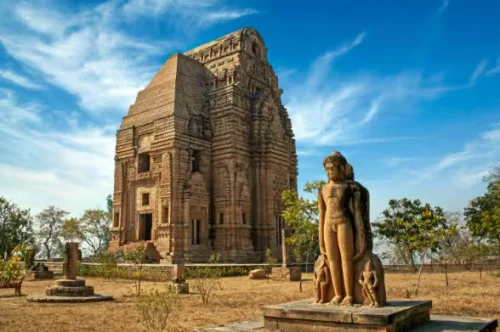
  • Best Viewpoints for Photography: The best viewpoint for photographing Sas Bahu Temple is from the elevated platform near the temple’s entrance, where you can capture the temple’s intricate carvings and spires against the sky. The courtyard inside the temple complex provides an excellent angle for showcasing the temple's architecture and the stone pillars. For a broader perspective, the nearby elevated areas offer a panoramic view of the temple and its surroundings.
  • Lighting Conditions and Time-of-Day Considerations: Early mornings or late afternoons provide the best light for photography, with the golden hour creating warm tones that highlight the temple’s carvings. Midday sunlight can be harsh on the stone surfaces, leading to overexposed shots and unflattering shadows. Avoid this time for wide-angle shots and consider focusing on the temple's smaller details during midday.
  • Rules and Restrictions: Photography is generally permitted around Sas Bahu Temple, but be mindful of the temple's sacred nature, especially during prayer times. Flash photography is discouraged inside the temple to preserve the integrity of the artwork and maintain a peaceful atmosphere. Always check with temple authorities for any specific photography rules or restrictions before entering.
  • Crowd and Access Factors: Sas Bahu Temple can become busy, particularly during weekends and religious festivals, which might impact your ability to capture quiet moments. To avoid the crowds and get the best photos, visit early in the morning on weekdays or during off-peak seasons.

Near By Attraction

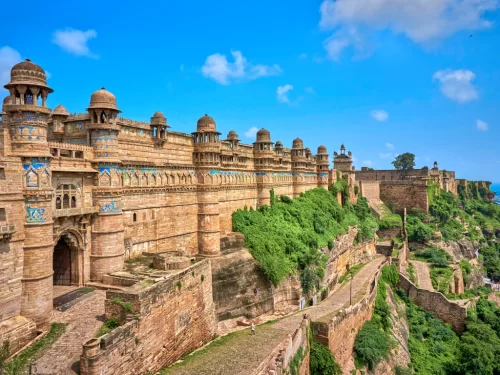
Gwalior Fort ramparts during clear afternoon, featuring turquoise tilework pavilions and domes atop cliffside with lush greenery, perfect heritage experience in Madhya Pradesh tour package. Fort

Gwalior Fort

Gwalior Fort is a major hilltop fort complex known for its palaces, temples, and long military history.
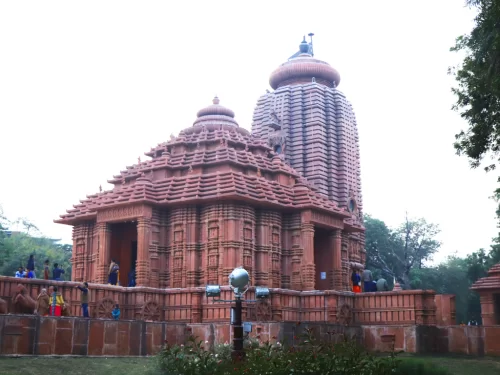
Sun Temple Gwalior temple complex during clear afternoon, featuring visitors at stepped jagamohana entrance beside towering rekha deul vimana amid lush gardens, perfect heritage experience in Madhya Pradesh tour package. Temple

Sun Temple Gwalior

The Sun Temple in Gwalior is a modern Hindu temple dedicated to Surya (the Sun God), inspired by the Sun Temple architecture of Konark.

Jai Vilas Palace Gwalior during clear afternoon, featuring white Italianate facade with domed towers before manicured gardens showcasing silver royal carriage display amid yellow flower borders, perfect heritage experience in Madhya Pradesh tour package. Palace

Jai Vilas Palace

Jai Vilas Palace is a 19th-century royal residence built by Maharaja Jayajirao Scindia and partly converted into a museum.

Frequently Asked Questions About Sas Bahu Temple

Sas Bahu Temple is located within the Gwalior Fort complex in Gwalior, Madhya Pradesh. It stands on the eastern side of the fort hill and is accessible by road leading up to the fort.
Sas Bahu Temple can generally be visited from sunrise to sunset. Daytime hours are recommended for clear views of the intricate carvings.
There is no separate entry fee specifically for Sas Bahu Temple beyond the Gwalior Fort ticket. Visitors need to purchase the standard fort access pass.
Visitors can reach Sas Bahu Temple by taxi, auto rickshaw, or private vehicle to Gwalior Fort in Gwalior, Madhya Pradesh. The temple is located inside the fort premises.
Parking is available near designated areas at Gwalior Fort from where visitors can walk to Sas Bahu Temple. Parking charges may apply depending on the entry gate used.
The best time to visit Sas Bahu Temple is between October and March when the weather in Gwalior, Madhya Pradesh is comfortable. Morning visits offer pleasant temperatures and better lighting.
Most travelers spend about 30 to 45 minutes exploring Sas Bahu Temple and observing its architecture. Additional time may be required for photography and detailed viewing.
Sas Bahu Temple is suitable for family visits, but the surrounding fort terrain includes uneven pathways and steps. Senior citizens should walk carefully while exploring.
Photography is generally allowed at Sas Bahu Temple as it is an open heritage structure. Visitors should avoid touching or damaging the carvings while taking pictures.
Food and restroom facilities are limited directly at Sas Bahu Temple. Visitors can find better amenities within the Gwalior Fort complex or in Gwalior city below the fort.

Loved this place ? Let’s Plan Your Madhya Pradesh Trip

Get customized Madhya Pradesh tour planning designed around safari seasons, road travel distances, heritage site exploration time, and comfortable pacing across regions. Whether you are visiting for wildlife safaris, temple architecture, historical monume

⚡ Quick Response | 💰 Free consultation | 🕒 24×7 expert support

×

Plan Your Trip