+91 9910402252
admin@chalbanjare.com


| Entry Fee | Indian adult 20 rupees per person, Indian child 10 rupees per person, foreign adult 100 rupees per person |
|---|---|
| Timings | Open daily generally from 10 00 AM to 5 00 PM, closed on some public holidays so check locally before visiting |
| Altitude (m) | Located at approximately 210 meters above sea level in Gwalior city |
| Ideal Visit Duration | Forty five minutes to one and a half hours to explore musical instruments and heritage displays |
| Best Time of Day | Late morning or early afternoon for comfortable indoor visit |
| Crowd Level | Low to moderate crowds, generally quieter than major tourist attractions |
| Distance from City Centre (km) | About three to four kilometers from Gwalior Railway Station and central city area |
| Walking Difficulty | Low walking difficulty with indoor galleries and short walking distances |
| Parking Available | Limited parking available near the museum premises |
| Last Mile Access | Taxi auto rickshaw and local transport available to reach the Sarod Ghar location |
| Suitable for Kids | Yes suitable for children interested in music and cultural heritage |
| Suitable for Seniors | Yes generally suitable with easy indoor access |
| Wheelchair Friendly | Partially wheelchair accessible though some sections may have steps |
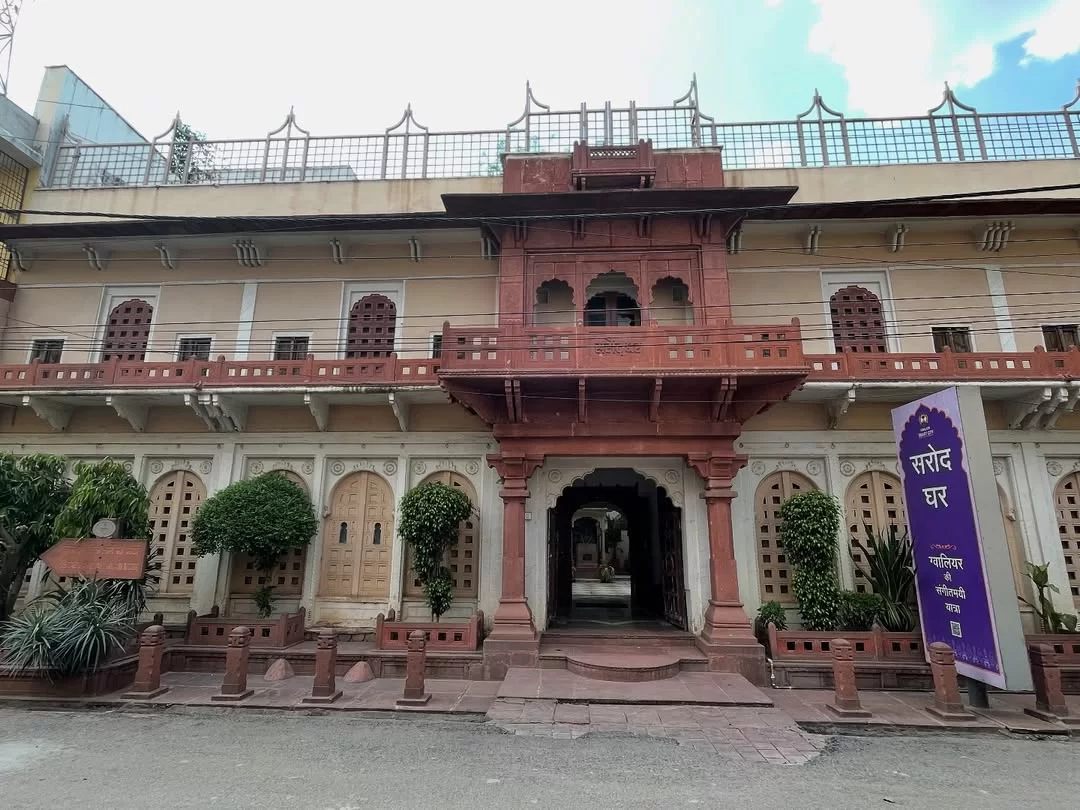
Atmosphere at Sarod Ghar in Gwalior is intimate and culturally enriching, offering visitors a deep connection to India’s classical music heritage. Located within a heritage haveli near the historic lanes of Gwalior, the setting feels authentic and nostalgic, reflecting the city’s long-standing association with Hindustani classical music. The quiet interiors, traditional décor, and display of rare instruments create an immersive environment that transports visitors into the world of legendary musicians and timeless ragas.
What makes Sarod Ghar special is its dedication to preserving the legacy of Ustad Hafiz Ali Khan and the Gwalior gharana, one of the oldest traditions of Indian classical music. The museum houses a remarkable collection of vintage musical instruments, rare photographs, manuscripts, awards, and personal belongings of renowned artists. Visitors gain valuable insight into the evolution of the sarod and the broader development of Indian classical music. The space not only serves as a museum but also as a cultural institution that occasionally hosts music events and educational programs.
Beyond its historical significance, Sarod Ghar represents Gwalior’s identity as a cradle of classical music, making it a meaningful stop for culture enthusiasts, music scholars, students, and heritage travelers. It provides an educational and inspiring experience that blends art, history, and tradition. A visit here offers a deeper appreciation of India’s musical lineage and the enduring contributions of the maestros who shaped it.
Sarod Ghar in Gwalior, Madhya Pradesh, is a distinctive museum dedicated to Indian classical music, particularly the legacy of the sarod. Established in the ancestral home of Ustad Hafiz Ali Khan, one of the most celebrated sarod maestros of the 20th century, the museum preserves the musical heritage of the Gwalior gharana and its deep contribution to Hindustani classical traditions. The building itself carries historical value, reflecting the cultural environment in which generations of musicians were nurtured.
The museum houses an extensive collection of rare musical instruments, manuscripts, photographs, awards, and personal belongings of legendary artists, including Ustad Amjad Ali Khan. These artifacts document the evolution of the sarod and highlight Gwalior’s longstanding association with classical music, which dates back to the era of Raja Man Singh Tomar and the flourishing of dhrupad traditions.
Sarod Ghar stands not merely as a museum but as a tribute to India’s living musical heritage. It continues to attract scholars, musicians, and cultural enthusiasts who seek to understand the depth of India’s classical traditions and the enduring influence of the Gwalior musical lineage.
The best time to visit Sarod Ghar in Gwalior depends on weather comfort, as the museum is located within the historic Gwalior Fort complex and may involve outdoor walking before reaching the site. Planning your visit during pleasant months ensures a relaxed cultural and musical heritage experience.
October to March is considered the ideal period to visit. During these months, Gwalior experiences cool and comfortable weather, making it convenient to explore the fort premises and spend time inside the museum appreciating the rich legacy of Indian classical music and the sarod tradition.
Summer months from April to June can be quite hot, especially during midday hours. Early morning visits are recommended during this season to avoid extreme temperatures while exploring the fort area and museum comfortably.
Monsoon season from July to September brings occasional rainfall that refreshes the surroundings of the fort. While humidity may increase, the atmosphere becomes quieter with fewer visitors, offering a peaceful cultural exploration experience.
 Temple
Teli Ka Mandir is an ancient Hindu temple located within the Gwalior Fort complex in Gwalior, Madhya Pradesh, and is known for its distinctive architectural style that combines North and South Indian design elements.
 Fort
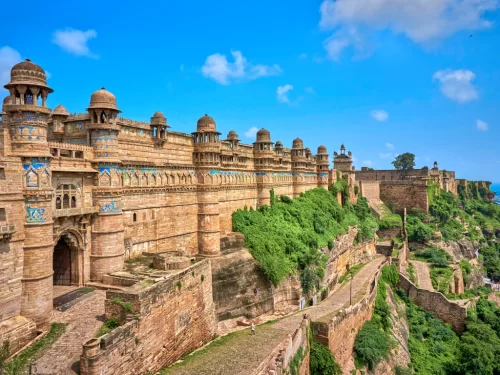
Fort
Gwalior Fort is a major hilltop fort complex known for its palaces, temples, and long military history.
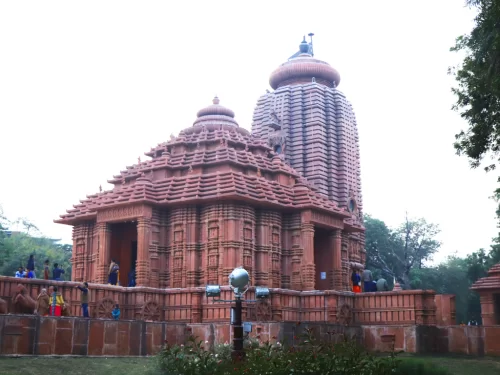 Temple
The Sun Temple in Gwalior is a modern Hindu temple dedicated to Surya (the Sun God), inspired by the Sun Temple architecture of Konark.
Get customized Madhya Pradesh tour planning designed around safari seasons, road travel distances, heritage site exploration time, and comfortable pacing across regions. Whether you are visiting for wildlife safaris, temple architecture, historical monume
⚡ Quick Response | 💰 Free consultation | 🕒 24×7 expert support

