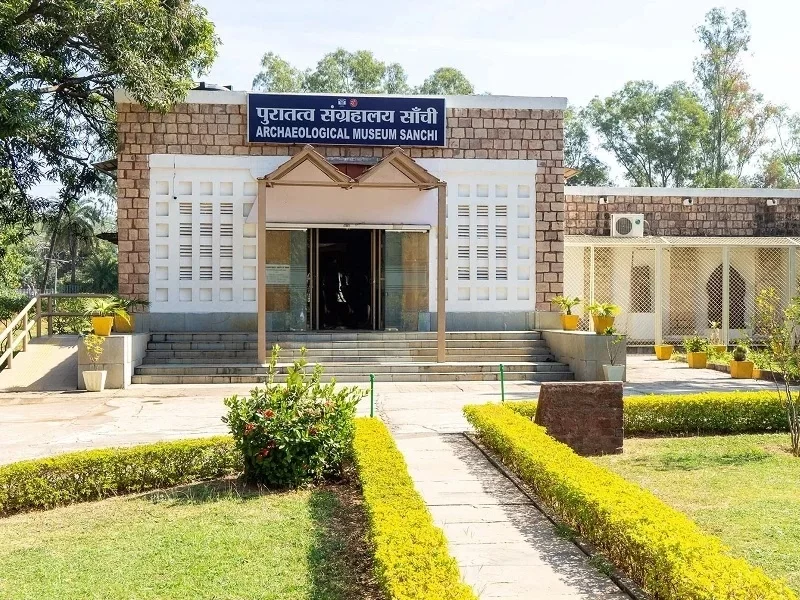
Sanchi Archaeological Museum, Sanchi, Madhya Pradesh, India

Sanchi Archaeological Museum , Sanchi
Tourists visit to understand the Buddhist heritage of Sanchi through original sculptures, inscriptions, railings, and relics removed from stupas and monuments. The museum helps visitors interpret the archaeological significance of the Sanchi World Heritage Site before or after exploring the monuments.

Quick Facts About Sanchi Archaeological Museum

Quick Facts – Sanchi Archaeological Museum

Entry Fee 5 (Indian visitors), 100 (foreign visitors); ASI ticketing norms apply
Timings 09:00 AM – 05:00 PM; closed on Fridays and public holidays as per ASI schedule
Altitude (m) Approx. 427 m above sea level
Ideal Visit Duration 30–60 minutes
Best Time of Day Morning hours for quieter galleries and easier viewing
Crowd Level Moderate; higher during peak tourist season and school group visits
Distance from City Centre (km) Approx. 0.5 km from Sanchi town centre
Walking Difficulty Easy; flat indoor movement with short walking distances
Parking Available Yes; public parking near the museum complex
Last Mile Access Walkable from Sanchi monuments area; auto-rickshaws available from town
Suitable for Kids Yes; indoor museum environment with visual exhibits
Suitable for Seniors Yes; seating available, minimal physical strain
Wheelchair Friendly Limited; basic access possible but full accessibility infrastructure is not available

Why Visit Sanchi Archaeological Museum

Visitors come to Sanchi Archaeological Museum to understand the archaeological context of the Sanchi monuments through original sculptures, inscriptions, relic caskets, and architectural fragments recovered from the site.

The on-ground atmosphere is quiet and structured, with indoor galleries, clear display labeling, and controlled movement, making it a calm stop between visits to the Great Stupa and surrounding structures.

What makes the museum distinct for travelers is the ability to see fragile and significant artefacts up close that are no longer placed at the monuments, offering direct visual insight into the craftsmanship and layout of the Sanchi complex.

History of Sanchi Archaeological Museum

Sanchi Archaeological Museum was established to preserve and display archaeological finds excavated from the Sanchi hill complex and surrounding sites, including sculptures, relic caskets, inscriptions, and structural fragments.

The museum functions as a conservation and interpretation space, housing artefacts removed from exposed monuments to protect them from weathering and damage while keeping them accessible for study and public viewing.

Its collection directly reflects the material culture of the Sanchi site, making the museum an integral part of how the archaeological history of the area is preserved and presented to visitors.

Best Time to Visit Sanchi Archaeological Museum

Sanchi Archaeological Museum is best visited during the cooler months when indoor exploration of galleries and outdoor movement between the museum and nearby monuments is comfortable and uninterrupted.
  • Ideal months: October to March
  • Weather conditions during the best season: Mild temperatures, low humidity, and stable weather suitable for combining museum visits with Sanchi hill monuments
  • Periods to avoid: April to June due to high daytime heat, and peak monsoon months (July–August) when travel and walking between sites can be inconvenient due to rain and slippery paths

How to Reach Sanchi Archaeological Museum

  • Nearest airport: Raja Bhoj Airport, Bhopal (approximately 45–50 km); taxis and private cabs are the most reliable options for direct travel to Sanchi
  • Nearest railway station: Sanchi Railway Station (around 1.5 km from the museum); limited local transport available, with auto-rickshaws and walking as common options; Bhopal Junction is the nearest major rail hub
  • Road access and last-mile connectivity: Well connected by road via NH-86 from Bhopal and Vidisha; private taxis and buses reach Sanchi town, with the museum accessible by short walk or local auto-rickshaw from the main parking and entry areas

What to Expect When You Visit Sanchi Archaeological Museum

  • Environment and surroundings: Located within the protected Sanchi monument zone, the museum sits in a quiet, landscaped area near the Great Stupa complex, with controlled access and minimal commercial activity nearby
  • Facilities and amenities: Indoor galleries with labeled displays, basic seating, washrooms within the complex, and drinking water availability; no cafeteria inside the museum building
  • Accessibility and movement: Mostly flat internal floors with wide gallery spaces; entry paths are paved, but some approach areas outside the building may have uneven stone surfaces
  • Typical visitor behavior and conditions: Visitors move slowly through galleries for viewing and reading displays; moderate footfall during peak tourist seasons and school group visits, quieter on weekdays

Important Visitor Information for Sanchi Archaeological Museum

  • Crowd and weather notes: Visitor numbers increase during winter months and peak tourist season at Sanchi; indoor galleries remain usable during hot or rainy weather, but approach areas can feel congested when tour buses arrive
  • Peak and quiet visiting hours: Late morning to early afternoon is typically busiest due to group tours; early opening hours are quieter for individual visitors
  • Dress code: No formal dress code, but modest clothing is recommended as the museum lies within a religious and heritage complex
  • Safety notes and practical cautions: Photography may be restricted inside gallery spaces; bags may be checked at entry, and visitors should follow monument area regulations set by site authorities

Photography and Viewpoints at Sanchi Archaeological Museum

  • Best viewpoints or angles: Exterior shots are best from the open forecourt and pathways connecting the museum to the main Sanchi monuments, where the building can be framed with the surrounding archaeological landscape
  • Lighting and time-of-day considerations: Natural daylight is strongest from mid-morning to early afternoon, providing even light for exterior photography; interior galleries rely on controlled lighting, which limits low-light photography
  • Rules or restrictions on photography: Photography inside the museum galleries is generally restricted or prohibited for artefact protection; signage and staff instructions should be followed strictly
  • Crowd or access factors: Group tours and school visits can limit space in entry areas and corridors, making interior movement and framing difficult during busy hours

Near By Attraction

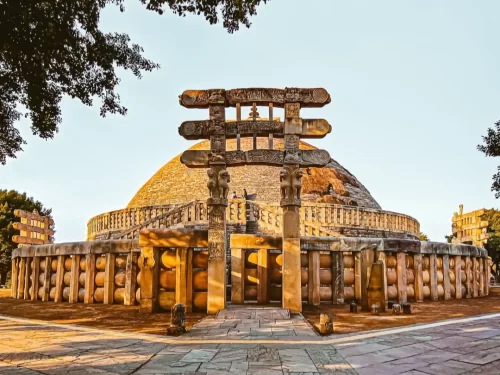
Sanchi Stupa in Sanchi, Madhya Pradesh with carved stone torana gateway and ancient Buddhist dome, featured in Madhya Pradesh tour packages Stupa

Sanchi Stupa

Sanchi Stupa is a major Buddhist monument located in Sanchi, Madhya Pradesh, within a protected archaeological complex
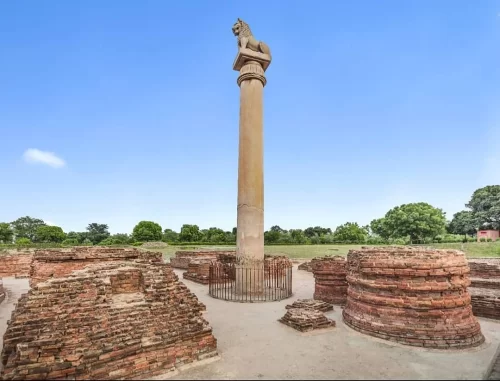
Ashoka Pillar with horse capital at Sanchi during clear afternoon, featuring monolithic shaft amid ancient ruins, perfect heritage experience in Madhya Pradesh tour package. Monument

Ashokan Pillar Sanchi

The Ashokan Pillar at Sanchi is a stone column from the Mauryan period located within the Sanchi archaeological complex in Madhya Pradesh
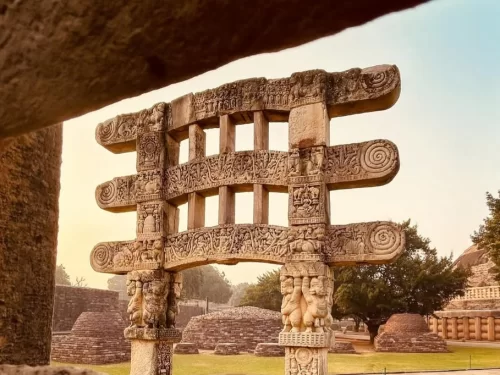
Carved stone toranas at Sanchi Stupa in Sanchi, Madhya Pradesh showcasing intricate Buddhist reliefs, featured in Madhya Pradesh tour packages Historical Site

Toranas

Toranas are traditional carved gateways found at temples and sacred sites across India

Frequently Asked Questions About Sanchi Archaeological Museum

Sanchi Archaeological Museum is located near the Sanchi Stupa complex in Raisen district of Madhya Pradesh, about 50 km from Bhopal. It houses important artifacts discovered from the surrounding Buddhist site.
Sanchi Archaeological Museum is generally open from 9 AM to 5 PM and remains closed on Fridays and certain public holidays. Timings may vary slightly depending on official regulations.
There is a separate entry fee to visit Sanchi Archaeological Museum as it is maintained by the Archaeological Survey of India. Ticket rates differ for Indian and foreign visitors.
Visitors can reach Sanchi Archaeological Museum by road from Bhopal or Vidisha. The nearest railway station is Vidisha, which is well connected within Madhya Pradesh.
Parking is available near Sanchi Archaeological Museum in designated areas close to the entrance. Availability may vary during peak tourist season.
The best time to visit Sanchi Archaeological Museum is between October and March when the weather in Madhya Pradesh remains pleasant for sightseeing.
Most travelers spend about 45 minutes to 1 hour exploring Sanchi Archaeological Museum exhibits. Additional time may be needed for detailed study of sculptures and inscriptions.
Sanchi Archaeological Museum is suitable for family visits and offers educational insights into Buddhist art and history. Children should be supervised inside gallery spaces.
Sanchi Archaeological Museum displays original sculptures, Ashokan pillar fragments, inscriptions, and artifacts recovered from the Sanchi site. Exhibits are arranged in themed galleries.
Basic restroom facilities are available near Sanchi Archaeological Museum. Food options can be found in the nearby Sanchi town area.

Loved this place ? Let’s Plan Your Madhya Pradesh Trip

Get customized Madhya Pradesh tour planning designed around safari seasons, road travel distances, heritage site exploration time, and comfortable pacing across regions. Whether you are visiting for wildlife safaris, temple architecture, historical monume

⚡ Quick Response | 💰 Free consultation | 🕒 24×7 expert support

×

Plan Your Trip