Quick Facts About Man Mandir Palace
Quick Facts for Man Mandir Palace
| Entry Fee | INR 10 for Indians, INR 100 for Foreign Nationals |
| Timings | 9:00 AM - 5:00 PM |
| Altitude (m) | 200 m |
| Ideal Visit Duration | 1-2 hours |
| Best Time of Day | Morning or late afternoon |
| Crowd Level | Moderate, high on weekends |
| Distance from City Centre (km) | 2 km |
| Walking Difficulty | Easy |
| Parking Available | Yes |
| Last Mile Access | Accessible by foot from the parking area |
| Suitable for Kids | Yes |
| Suitable for Seniors | Yes |
| Wheelchair Friendly | No |
Why Visit Man Mandir Palace
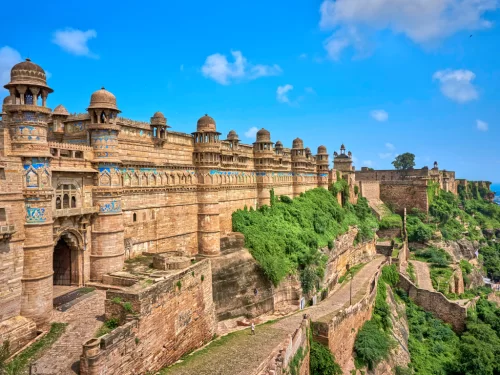
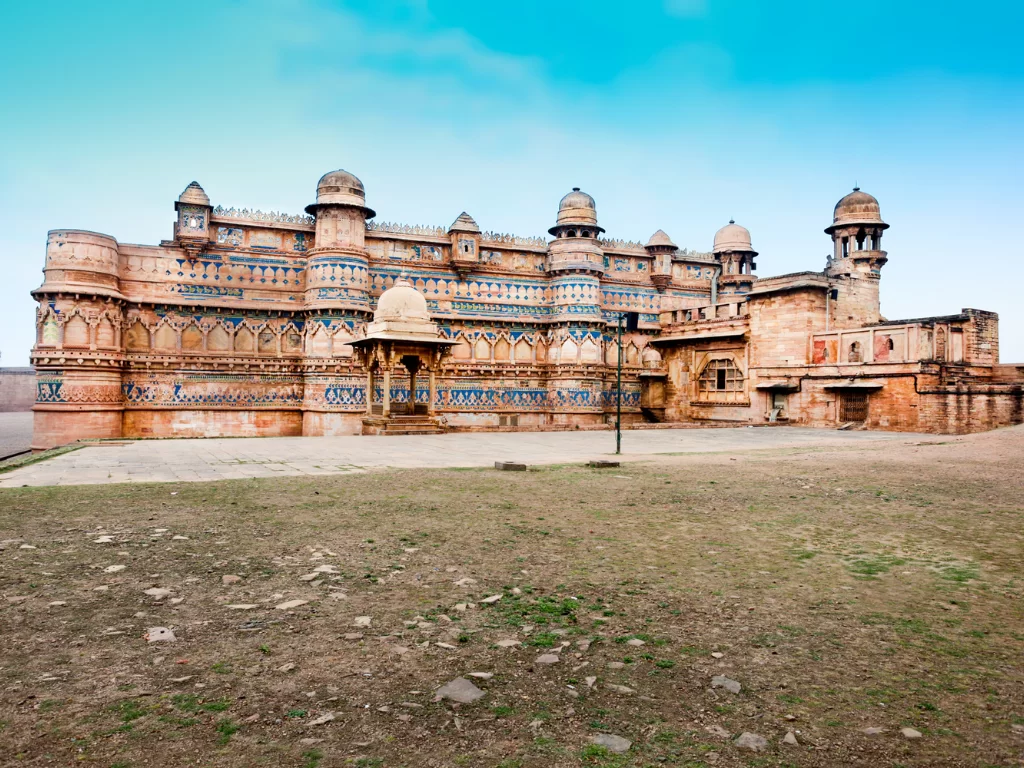
Visitors come to Man Mandir Palace for its remarkable architecture and historical importance. Located in Gwalior, this stunning palace is a fine example of Indo-Islamic architecture, offering a glimpse into the grandeur of the region’s royal past. The intricately designed walls, beautiful frescoes, and carved arches make it an appealing destination for history enthusiasts and architecture lovers.
The atmosphere at Man Mandir Palace is both majestic and peaceful, with visitors often wandering through its courtyards and exploring its various chambers. The palace is surrounded by serene gardens and offers breathtaking views of the Gwalior Fort and the city below. It provides a quiet and reflective space, allowing visitors to appreciate the royal legacy of the region.
What makes Man Mandir Palace distinct for travelers is its combination of historical charm and architectural beauty. Unlike more tourist-heavy attractions, this palace offers a chance to explore a significant yet less crowded site that showcases the opulence of Gwalior's past. It’s an ideal destination for those seeking to connect with history while enjoying the serenity of a majestic monument.
History of Man Mandir Palace
Man Mandir Palace, located in Gwalior, is a magnificent historical structure built in the 15th century by the Tomar dynasty ruler, Raja Mansingh. The palace stands as a testament to the grandeur and architectural brilliance of medieval India. Its construction marked a significant period in Gwalior’s history, symbolizing the wealth, power, and cultural achievements of the Tomar rulers.
The palace is known for its intricate design, featuring a blend of Hindu and Islamic architectural styles. The use of sandstone and the detailed carvings, along with beautiful frescoes, reflects the artistic and cultural flourishing during Raja Mansingh's reign. The palace was not only a royal residence but also a center for courtly activities, hosting various cultural events and gatherings.
Today, Man Mandir Palace is a prominent historical site, attracting visitors interested in exploring Gwalior’s rich heritage. Its strategic location within Gwalior Fort offers breathtaking views of the surrounding landscape, and the palace’s architectural splendor continues to captivate tourists, making it a must-visit landmark in the region.
Best Time to Visit Man Mandir Palace
The best time to visit Man Mandir Palace in Gwalior is from October to March. During these months, the weather is cooler and more comfortable for exploring the historical site, offering clear skies and pleasant temperatures.
- Ideal months: October to March, when the weather is perfect for sightseeing and the temperatures are ideal for exploring the palace and nearby attractions.
- Weather conditions during the best season: Expect mild temperatures ranging from 15°C to 25°C, with dry and sunny days, making it an enjoyable experience for outdoor exploration.
- Periods to avoid: June to September, as the monsoon season brings heavy rainfall, which can make the palace grounds slippery and may disrupt travel plans to the area.
How to Reach Man Mandir Palace
- Nearest Airport: The nearest airport to Man Mandir Palace is Gwalior Airport (GWL), located approximately 10 kilometers away. The airport offers domestic flights connecting Gwalior to major cities like Delhi and Mumbai.
- Nearest Railway Station: Gwalior Junction (GWL) is the nearest railway station, located around 5 kilometers from Man Mandir Palace. It is well-connected to major cities, including Delhi, Agra, and Mumbai, with frequent train services.
- Road Access: Man Mandir Palace is easily accessible by road from Gwalior, situated around 5 kilometers away. The drive typically takes about 15 minutes, and the roads are well-maintained, making the journey comfortable.
- Last-Mile Connectivity: Upon reaching Gwalior, visitors can use taxis, auto-rickshaws, or rental vehicles to reach Man Mandir Palace. Local buses also provide access, and the palace is a short walk from the nearest drop-off points.
What to Expect When You Visit Man Mandir Palace
Man Mandir Palace in Gwalior is a stunning example of Mughal and Rajput architecture, offering visitors a glimpse into the royal past. Here’s what you can expect during your visit to this historical palace.
- Environment and Surroundings: Man Mandir Palace is located within the Gwalior Fort complex, offering panoramic views of the city and surrounding landscapes. The palace is surrounded by the fort's imposing walls and has a tranquil ambiance. The area is historically significant and beautifully maintained, with a blend of lush greenery and rugged terrain. The weather in Gwalior can be hot during summer, so it’s best to visit in the cooler months or early morning. The atmosphere around the palace is serene, but it can get crowded during peak tourist seasons or weekends.
- Facilities and Amenities: The palace itself is a major tourist attraction, and basic amenities like restrooms and small food stalls can be found nearby. However, there are no large-scale restaurants within the palace complex. Visitors are advised to carry water, snacks, and other essentials, as the area can be quite hot in summer. There are some seating areas for relaxation, but expect limited facilities for extended stays. During peak tourist times, the site can get crowded, and it might take time to explore all the areas of the palace complex.
- Accessibility and Movement: Man Mandir Palace is located within the Gwalior Fort, and visitors will need to either climb up to the fort or use a vehicle to reach the entrance. While there are paved paths to the palace, some areas involve walking on uneven ground or climbing stairs. Visitors with mobility issues should plan accordingly, as some parts of the fort and palace may be inaccessible or require assistance. The site is walkable, but be prepared for physical exertion, especially if you’re exploring the fort’s many levels. Taxis or rickshaws can be used to access the fort, but there is limited public transport available to the entrance.
- Typical Visitor Behavior and Conditions: Most visitors come to Man Mandir Palace for its architectural beauty, historical significance, and to admire the intricate carvings and frescoes. Expect a mix of history enthusiasts, architecture lovers, and casual tourists. The palace can get crowded during peak hours, especially in the afternoon, but the atmosphere remains respectful and focused on exploration. Photography is popular, but be mindful of signs indicating restricted areas. Visitors are expected to follow local customs and show respect for the cultural heritage of the site, including maintaining quietness in the more sacred or historical parts of the palace.
Important Visitor Information for Man Mandir Palace
- Crowd and Weather Notes: Man Mandir Palace, located in the heart of Gwalior, attracts a steady flow of visitors, particularly during weekends and public holidays. The weather in Gwalior can be quite hot during the summer, with temperatures soaring, while winters are more pleasant. During the monsoon season, rainfall may cause the surrounding area to become slippery, so visitors should check the weather forecast before planning their visit.
- Peak and Quiet Visiting Hours: The busiest hours at Man Mandir Palace are typically from 10:00 AM to 3:00 PM, particularly on weekends and festive seasons. To avoid crowds, visit early in the morning (6:00 AM to 8:00 AM) or later in the afternoon (4:00 PM to 6:00 PM), when the temperature is cooler and the crowds are fewer.
- Dress Code: There is no formal dress code for visitors to Man Mandir Palace, but as it is a historical and cultural site, modest and comfortable clothing is recommended. Given the extensive walking involved, visitors should wear comfortable, sturdy shoes. Light, breathable clothing is best, especially during the summer months.
- Safety Notes and Practical Cautions: While the palace is generally safe, visitors should be cautious in crowded areas to avoid pickpocketing. The terrain around the palace can be uneven and may include steps, so be careful when walking, particularly after rain. It is advised to carry water, especially in the summer, and to use sunscreen for sun protection. The palace also has some elevated viewpoints, so visitors should stay cautious near edges and avoid leaning too far.
Photography and Viewpoints in Man Mandir Palace
Man Mandir Palace in Gwalior is a stunning example of Mughal architecture, known for its grandeur, vibrant tiles, and historical significance. Photographers will find plenty of opportunities to capture both the architectural beauty of the palace and the expansive views of the city and surrounding landscape.
- Best Viewpoints for Photography: The upper levels of the palace provide sweeping panoramic views of Gwalior city, perfect for wide-angle landscape shots. The intricately designed facade of the palace, especially around the windows and arches, is ideal for capturing architectural details. The courtyards and terraces of the palace also offer excellent angles for photographing the intricate tile work and carvings, adding rich textures to your photos.
- Lighting Conditions and Time-of-Day Considerations: Early morning and late afternoon are the best times to photograph the palace, with soft light highlighting the ornate details of the building and creating beautiful shadows across the palace’s architecture. The golden hour is particularly stunning, as the warm tones bring out the vivid colors of the tiles. Midday sunlight can be harsh and may cause overexposure, especially on the palace's stone surfaces, so it's best to avoid this time for wide-angle shots.
- Rules and Restrictions: Photography is permitted in most areas of Man Mandir Palace, but be mindful of the sanctity of certain sections, such as the inner courtyards or temples, where flash photography might be restricted. Always inquire with the local authorities about any specific photography guidelines or restrictions before taking photos inside the palace.
- Crowd and Access Factors: Man Mandir Palace can get crowded, especially during weekends and holiday seasons. To avoid the rush and capture the best photographs, consider visiting early in the morning or on weekdays when the palace is quieter. Additionally, visiting during the off-peak season ensures fewer tourists and better photo opportunities.