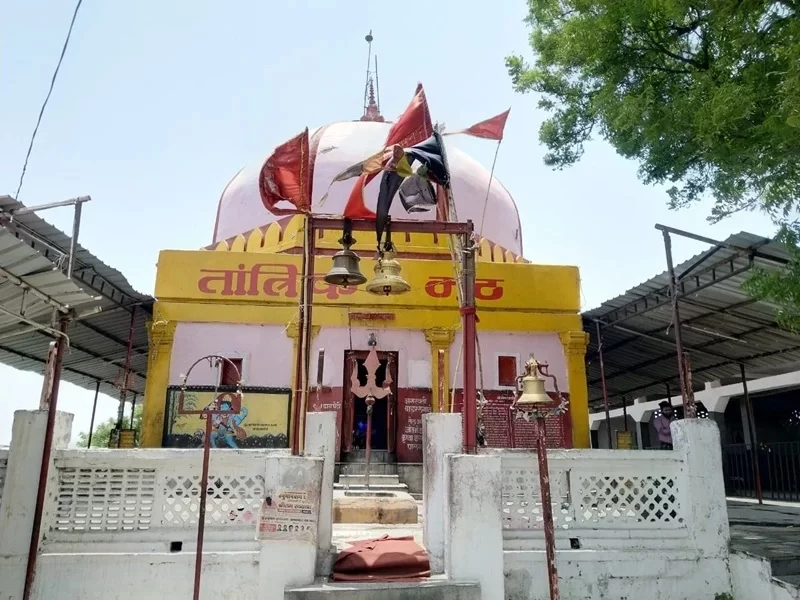
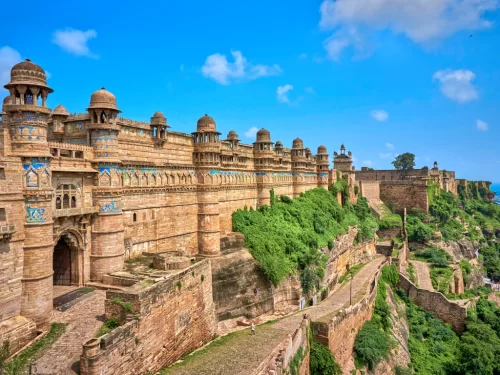
Bajnamath Mandir in Gwalior, Madhya Pradesh, India

Bajnamath Mandir , Gwalior
Tourists visit Bajnamath Mandir to experience its stunning design, historical significance, and spiritual atmosphere. The temple stands as a testament to the region\'s rich architectural heritage.

Quick Facts About Bajnamath Mandir

Quick Facts for Bajnamath Mandir, Gwalior

Entry Fee Free
Timings 6:00 AM - 8:00 PM
Altitude (m) 200 m
Ideal Visit Duration 1-2 hours
Best Time of Day Early morning or late evening
Crowd Level Moderate, high during festivals
Distance from City Centre (km) 5 km
Walking Difficulty Easy
Parking Available Yes
Last Mile Access Accessible by foot from nearby parking area
Suitable for Kids Yes
Suitable for Seniors Yes
Wheelchair Friendly No

Why Visit Bajnamath Mandir Gwalior

Visitors come to Bajnamath Mandir Gwalior for its serene atmosphere and spiritual significance. Located in the historic city of Gwalior, this temple attracts those seeking a peaceful retreat while exploring the cultural heart of India. The temple's intricate carvings and tranquil environment provide a unique experience for travelers interested in local spirituality.

The atmosphere at Bajnamath Mandir is peaceful and reflective, with local devotees often seen offering prayers and engaging in rituals. The temple offers a quiet escape from the hustle of Gwalior's busy streets, allowing visitors to immerse themselves in the calm energy of the site. The surrounding natural beauty adds to its allure, making it a perfect place for meditation and contemplation.

What makes Bajnamath Mandir Gwalior distinct for travelers is its blend of spiritual heritage and less commercialized charm. Unlike other popular tourist sites, this temple provides an authentic local experience, allowing visitors to connect with the community and gain deeper insights into the region's religious practices. Its peaceful surroundings and historic importance make it a hidden gem in Gwalior.

History of Bajnamath Mandir Gwalior

Bajnamath Mandir, located in Gwalior, is a historic temple with significant religious and cultural importance. It is dedicated to [specific deity or religious figure], and its history dates back to [specific year or period]. The temple is renowned for its architectural elegance, showcasing [specific architectural style or features], and has long been a revered site for devotees.

Bajnamath Mandir plays a key role in the religious life of Gwalior, especially during festivals like [mention specific festivals or rituals]. Visitors come to experience both the spiritual ambiance and the temple's intricate carvings and design. As a center of worship, the temple stands as a symbol of the rich cultural and religious heritage of the region.

Over time, Bajnamath Mandir has attracted not only pilgrims but also tourists interested in exploring Gwalior's rich history. The temple's serene environment and its association with ancient traditions offer a glimpse into the cultural evolution of the area. The structure is known for its detailed artwork, such as [mention any specific artwork or carvings], making it an important landmark for both historical and architectural enthusiasts.

The temple remains active throughout the year, drawing crowds during significant religious events like [mention key events]. These events not only highlight the temple's spiritual significance but also the communal spirit that thrives in Gwalior. Bajnamath Mandir stands as an enduring testament to the region's spiritual and cultural legacy.

Best Time to Visit Bajnamath Mandir Gwalior

The best time to visit Bajnamath Mandir in Gwalior is during the cooler months from October to March. This period offers a comfortable climate, making it perfect for exploring the temple and the historical city of Gwalior at its best.

  • Ideal months: October to March, with cooler temperatures and clear skies, providing a pleasant environment for sightseeing and temple visits.
  • Weather conditions during the best season: Expect temperatures ranging from 15°C to 25°C, with minimal rain and comfortable conditions for walking and exploring the temple and surrounding areas.
  • Periods to avoid: June to September, due to the monsoon season, which brings heavy rainfall that may cause disruptions to travel and make the temple surroundings slippery and less enjoyable.

How to Reach Bajnamath Mandir Gwalior

  • Nearest Airport: The nearest airport to Bajnamath Mandir in Gwalior is Gwalior Airport (GWL), located approximately 10 kilometers away from the temple. It is well-connected with major cities like Delhi and Mumbai with regular domestic flights.
  • Nearest Railway Station: Gwalior Junction (GWL) is the nearest railway station, situated about 8 kilometers from Bajnamath Mandir. It is a major railway station in Madhya Pradesh with frequent connections to cities like Delhi, Agra, and Mumbai.
  • Road Access: Bajnamath Mandir is easily accessible by road, located just off the [MAIN HIGHWAY NAME]. Gwalior is well-connected by road to nearby cities such as Agra (around 120 km away) and Kanpur (around 250 km away), with smooth highway access. Expect smooth travel, though there may be occasional traffic during peak hours.
  • Last-Mile Connectivity: Upon reaching Gwalior, visitors can hire taxis or auto-rickshaws to reach Bajnamath Mandir. Public buses and private vehicles also provide direct access to the temple from nearby areas.

What to Expect When You Visit Bajnamath Mandir Gwalior

Visiting Bajnamath Mandir in Gwalior provides a deeply spiritual experience, set in a historic and tranquil environment. Below are realistic expectations to help you prepare for your visit.

  • Environment and Surroundings: Bajnamath Mandir is situated in Gwalior, amidst scenic surroundings that offer a peaceful atmosphere. The temple is nestled in a more serene part of the city, surrounded by historical landmarks, hills, and greenery. The weather can be quite hot in summer, with cooler, more pleasant conditions during the winter months. The temple area provides a calm retreat, often filled with the sounds of prayer and religious rituals.
  • Facilities and Amenities: Bajnamath Mandir offers basic amenities such as restrooms and areas for visitors to sit and relax. There are limited options for food or refreshments within the temple premises, so it's advisable to bring your own water. The temple does not feature extensive commercial facilities, but there are small shops selling religious offerings and souvenirs. During festivals or special occasions, the temple grounds may become crowded, leading to longer waiting times for darshan (viewing of the deity).
  • Accessibility and Movement: The temple is generally accessible, with walkways leading to the temple complex. However, visitors may need to navigate a few steps to reach the inner temple areas. For those with mobility challenges, it’s best to check with local guides or temple staff about assistance and accessibility options. While public transport is available in Gwalior, the temple’s location may require a short walk or a rickshaw ride from main roads. The temple premises themselves are mostly flat, though some uneven surfaces may require caution.
  • Typical Visitor Behavior and Conditions: Bajnamath Mandir attracts a mix of local devotees and tourists. Visitors typically come for prayer, meditation, and spiritual reflection. The atmosphere within the temple is calm, and silence is observed in the main prayer hall. During peak religious festivals or special events, the temple can be quite crowded, leading to a bustling environment. Be prepared for larger crowds during these times, and follow local customs such as removing shoes before entering the temple area.

Important Visitor Information for Bajnamath Mandir Gwalior

  • Crowd and Weather Notes: Bajnamath Mandir in Gwalior attracts moderate crowds, particularly during religious festivals such as Diwali, Navratri, and on weekends. The weather in Gwalior is generally hot and dry, with scorching summers and a cooler, more comfortable winter. During the monsoon season, the area may experience heavy rainfall, making some pathways slippery.
  • Peak and Quiet Visiting Hours: The temple experiences its highest footfall between 10:00 AM and 2:00 PM, especially on weekends and religious holidays. To avoid large crowds, visit in the early morning hours between 6:00 AM and 8:00 AM or later in the afternoon, between 4:00 PM and 6:00 PM.
  • Dress Code: Bajnamath Mandir is a sacred place of worship, and visitors are expected to dress conservatively. Men and women should cover their shoulders and knees. It is advised to avoid wearing sleeveless tops, shorts, and revealing attire. Comfortable, closed-toe shoes are recommended, as visitors are required to remove footwear when entering the temple.
  • Safety Notes and Practical Cautions: The temple is generally safe for visitors, but as with any popular tourist destination, it’s important to be cautious of pickpockets. Carry only necessary valuables and keep them secure. The temple is located on a slight elevation, so be mindful of steps and uneven surfaces, especially during the rainy season when they may be slippery. It’s also advisable to carry water, as the area can get hot, especially in the summer.

Photography and Viewpoints in Bajnamath Mandir Gwalior

Explore the architectural magnificence of Bajnamath Mandir in Gwalior, a temple renowned for its intricate carvings and serene atmosphere. Perfect for both architectural and cultural photography, Bajnamath Mandir provides various angles and perspectives to capture its timeless beauty.
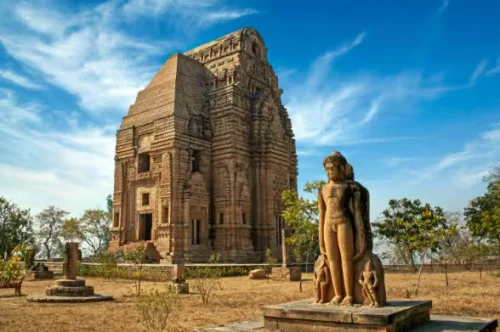
  • Best Viewpoints for Photography: The entrance steps leading to the temple offer a striking angle for wide shots, showcasing the grandeur of the temple against the backdrop of Gwalior’s skyline. The temple’s central courtyard provides an excellent opportunity for close-up shots of the temple’s carvings and pillars. Additionally, a vantage point from the nearby elevated area offers a panoramic view of the entire temple complex.
  • Lighting Conditions and Time-of-Day Considerations: The best time to photograph Bajnamath Mandir is early morning when the light is soft, creating a warm, peaceful ambiance. Sunset also provides beautiful lighting, particularly around the temple’s outer walls and sculptures. Avoid midday when the bright sun can create harsh shadows and make details less visible, especially on the temple’s intricately designed surfaces.
  • Rules and Restrictions: While photography is permitted in most parts of Bajnamath Mandir, there may be restrictions within the inner sanctum and during prayer ceremonies. Flash photography is discouraged to maintain the temple’s sanctity. Always check local signs or inquire with temple authorities about specific rules for photography.
  • Crowd and Access Factors: Bajnamath Mandir can experience moderate foot traffic during weekends and festive seasons, which could impact your ability to photograph without distractions. For the most serene experience and best photos, consider visiting early in the morning or on weekdays when the temple is less crowded.

Near By Attraction

Gwalior Fort ramparts during clear afternoon, featuring turquoise tilework pavilions and domes atop cliffside with lush greenery, perfect heritage experience in Madhya Pradesh tour package. Fort

Gwalior Fort

Gwalior Fort is a major hilltop fort complex known for its palaces, temples, and long military history.
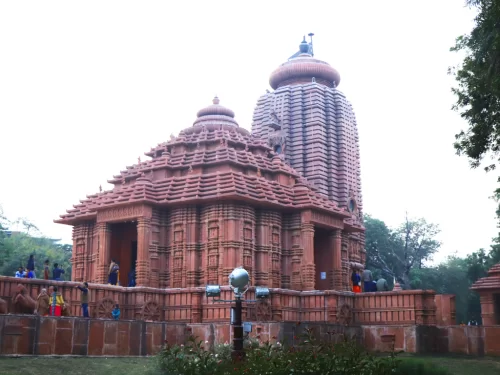
Sun Temple Gwalior temple complex during clear afternoon, featuring visitors at stepped jagamohana entrance beside towering rekha deul vimana amid lush gardens, perfect heritage experience in Madhya Pradesh tour package. Temple

Sun Temple Gwalior

The Sun Temple in Gwalior is a modern Hindu temple dedicated to Surya (the Sun God), inspired by the Sun Temple architecture of Konark.

Jai Vilas Palace Gwalior during clear afternoon, featuring white Italianate facade with domed towers before manicured gardens showcasing silver royal carriage display amid yellow flower borders, perfect heritage experience in Madhya Pradesh tour package. Palace

Jai Vilas Palace

Jai Vilas Palace is a 19th-century royal residence built by Maharaja Jayajirao Scindia and partly converted into a museum.

Frequently Asked Questions About Bajnamath Mandir

Bajnamath Mandir is located near Sangram Sagar Lake in Gwalior, Madhya Pradesh. It is situated a few kilometers from the main city area and is accessible by road.
Bajnamath Mandir is generally open from early morning until evening. Visiting between 6 AM and 7 PM is suitable for darshan and exploration.
There is no entry fee to visit Bajnamath Mandir. Visitors can enter the temple premises freely during open hours.
Visitors can reach Bajnamath Mandir by taxi, auto rickshaw, or private vehicle from anywhere in Gwalior, Madhya Pradesh. The temple is well connected by local roads.
Parking is available near Bajnamath Mandir in open designated areas close to the temple. Space availability may vary during weekends and religious events.
The best time to visit Bajnamath Mandir is between October and March when the weather in Gwalior, Madhya Pradesh is pleasant. Early mornings offer a calm atmosphere for prayer.
Most travelers spend about 30 to 45 minutes at Bajnamath Mandir for darshan and viewing the temple structure. Additional time may be needed during festivals.
Bajnamath Mandir is suitable for family visits and welcomes devotees of all age groups. The temple surroundings are manageable for children and senior citizens.
Photography is generally allowed in the outer premises of Bajnamath Mandir. Visitors should avoid taking photos inside restricted prayer areas.
Food and restroom facilities are limited directly at Bajnamath Mandir. Visitors can find better amenities within Gwalior city nearby.

Loved this place ? Let’s Plan Your Madhya Pradesh Trip

Get customized Madhya Pradesh tour planning designed around safari seasons, road travel distances, heritage site exploration time, and comfortable pacing across regions. Whether you are visiting for wildlife safaris, temple architecture, historical monume

⚡ Quick Response | 💰 Free consultation | 🕒 24×7 expert support

×

Plan Your Trip