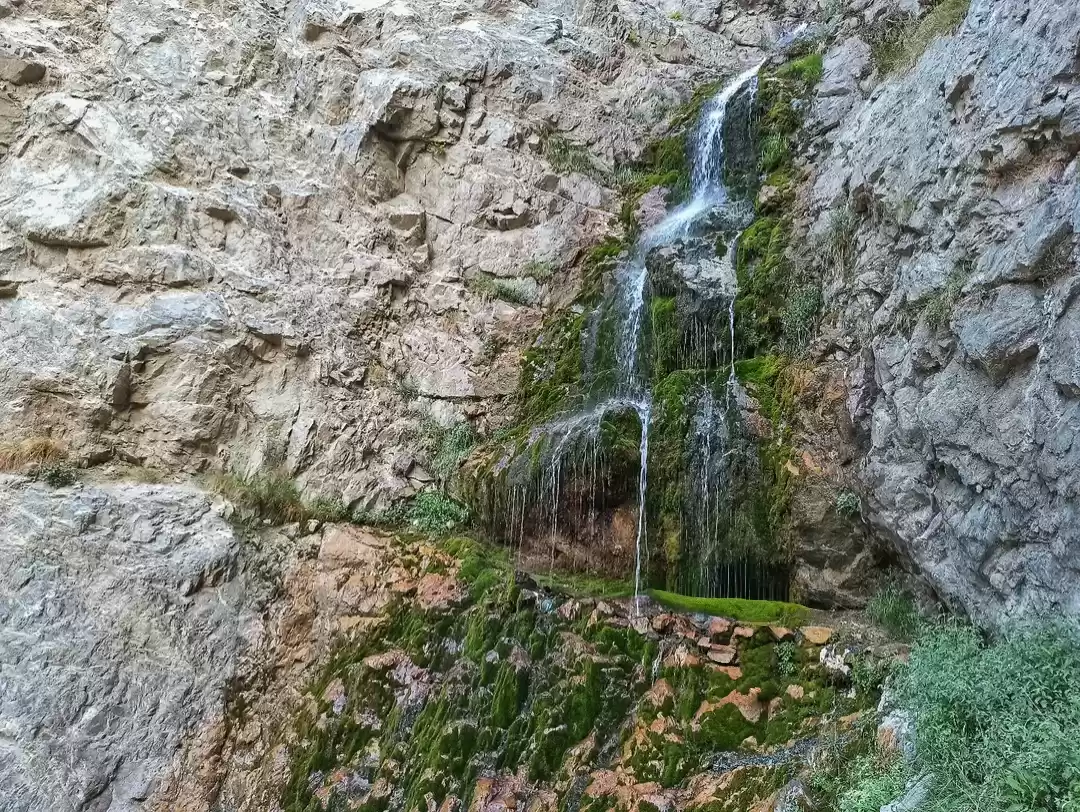
Turtuk Waterfall Nubra Valley | Natural Stream Waterfall Near Turtuk Village

Turtuk Waterfall , Turtuk
Turtuk Waterfall is located close to the village area and is fed by mountain streams from the surrounding hills. It is not a large or dramatic waterfall, but a calm natural spot often visited during village walks or short stops. The waterfall is seasonal, with stronger flow during late spring and summer due to snowmelt. There are no developed facilities, signage, or safety barriers, so the visit is informal and brief.

Quick Facts About Turtuk Waterfall

Entry Fee Free
Timings 08:00 - 17:00
Altitude (m) 3000
Ideal Visit Duration (hrs) 1
Best Time of Day Morning
Crowd Level Low
Distance from Turtuk (km) 1
Walking Difficulty Moderate
Parking Available No
Last Mile Access Walk
Suitable for Kids Yes
Suitable for Seniors No
Wheelchair Friendly No

Why Visit Turtuk Waterfall

Turtuk Waterfall is worth visiting if you want a quiet, natural pause during a walk through Turtuk village. It is not a headline attraction, but a simple landscape feature that adds context to village life, irrigation, and seasonal water flow in this border region.

Atmosphere

The atmosphere around the waterfall is calm and rural. You hear flowing water, wind through trees, and village sounds rather than tourist noise. There are no crowds, shops, or managed viewpoints, and the setting feels informal and unstructured. Weather and season strongly affect how the area looks and feels.

What Makes It Special

What makes Turtuk Waterfall special is its authenticity. It exists as part of the village environment, not as a developed attraction. The water supports local greenery and farming channels, offering insight into how mountain communities use natural resources. Its seasonal nature means every visit can look different, depending on snowmelt and rainfall.

History

Turtuk Waterfall does not have a documented historical origin or association with rulers, events, or formal heritage. Its relevance comes from long term local use rather than recorded history. The stream feeding the waterfall has traditionally been part of the village water system, supporting irrigation channels that sustain agriculture in and around Turtuk.

For generations, such natural water sources have shaped settlement patterns in the region. The waterfall reflects how villages like Turtuk developed around reliable mountain water flows, especially in an arid, high altitude environment. Its role has always been practical rather than ceremonial, tied to daily life and seasonal cycles instead of historical narratives.

Best Time to Visit Turtuk Waterfall

The best time to visit Turtuk Waterfall is from May to September, when snowmelt feeds the stream and access to Turtuk village is fully open. During this period, water flow is visible and the surrounding greenery is at its best.

June and July usually offer the strongest flow due to active snowmelt in the surrounding hills. August and early September remain pleasant, though water volume may reduce slightly as temperatures stabilize.

April and October are shoulder months. The waterfall may still be present, but flow can be weak and cold winds are common. From November to March, visits are not recommended due to freezing temperatures, low or absent water flow, and road closures in Nubra Valley.
  • Best overall season: May to September
  • Peak water flow: June and July
  • Best time of day: Late morning to afternoon
  • Avoid winter months due to frozen conditions and limited access

How to Reach Turtuk Waterfall

  • By road from Leh: Turtuk village is around 205 km from Leh and is reached via Khardung La and Nubra Valley. The drive usually takes 7 to 8 hours depending on road and weather conditions.
  • By road from Diskit or Hunder: From Diskit or Hunder in Nubra Valley, Turtuk is approximately 85 to 90 km away. Taxis and shared vehicles operate during the tourist season.
  • Permit requirement: Indian nationals must obtain an Inner Line Permit to visit Turtuk. Foreign nationals are not permitted to visit Turtuk village.
  • From Turtuk village: The waterfall is located within walking distance of the village area and is usually reached on foot through local paths.
  • Last mile access: Vehicles do not reach the waterfall directly. Expect a short walk on uneven natural ground from the nearest accessible point.
  • Parking: Limited roadside parking is available near the village. Parking closer to the waterfall is not designated.

What to Expect When You Visit Turtuk Waterfall

  • A small, natural waterfall set within the village landscape, without fences, viewing decks, or managed paths.
  • Seasonal water flow that changes noticeably through the year, with stronger streams in summer and weaker flow in shoulder months.
  • Uneven natural ground with rocks and wet patches near the water, requiring careful footing.
  • A quiet environment with village sounds rather than tourist activity, as most visitors come in small numbers.
  • No facilities on site such as seating, restrooms, or food stalls, so visits are usually short.
  • Opportunities to observe how natural water sources support local greenery and irrigation channels.
  • An informal visit experience where awareness and self responsibility matter more than signage or supervision.

Important Visitor Information

  • Crowd and weather notes: Turtuk Waterfall remains lightly visited throughout the day. Weather is strongly seasonal, with pleasant conditions in summer and cold, windy conditions in early mornings and evenings. Water flow depends on snowmelt and rainfall.
  • Peak hours: There are no fixed peak hours. Late morning to early afternoon sees slightly more visitors as part of village walks.
  • Quiet hours: Early morning and late afternoon are the quietest, often with no other visitors present.
  • Dress code: No formal dress code. Wear sturdy footwear with good grip, as the ground near the waterfall can be slippery. Carry warm layers even in summer.
  • Safety notes: There are no railings, warning signs, or lifeguards. Rocks can be wet and uneven. Visitors should avoid climbing close to the water edge, supervise children closely, and avoid visiting during heavy rain or strong winds.

Photography and Viewpoints at Turtuk Waterfall

  • Turtuk Waterfall is suitable for natural and documentary style photography rather than dramatic landscape shots.
  • The best lighting conditions are between late morning and early afternoon, when sunlight reaches the stream and surrounding greenery.
  • There are no designated viewpoints or platforms. Photographs are taken from natural ground positions around the waterfall.
  • Seasonal water flow changes the visual character of the waterfall, with fuller streams in early summer and reduced flow later in the season.
  • Close range shots require careful footing due to wet rocks and uneven surfaces.
  • Wide angle shots often include village elements such as trees, stone walls, and irrigation channels, reflecting the waterfall’s role in daily life.
  • Visitors should avoid stepping into water channels or damaging vegetation while positioning for photographs.

Near By Attraction

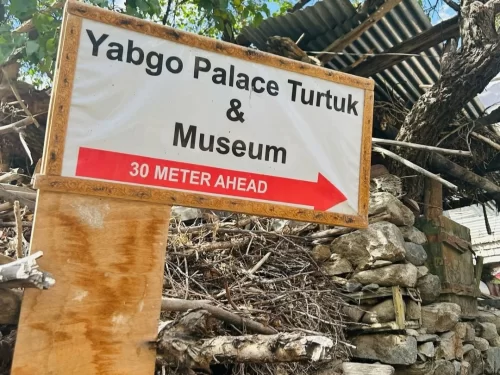
Yabgo Palace and Museum signboard in Turtuk village Nubra Valley Ladakh during sunny day, featuring 30m ahead arrow, stone wall, perfect heritage Turtuk tour package.  Museum

Royal House Yabgo Residence

The Royal House or Yabgo Residence in Diskit is the former home of the Yabgo dynasty, the traditional royal family that once ruled Nubra Valley.
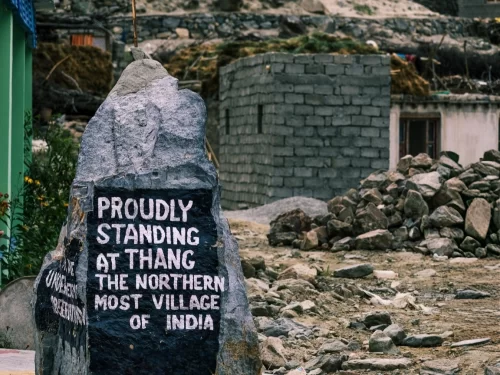
Turtuk village Ladakh Nubra Valley black stone sign Proudly standing at Thang the most northern village of India stone houses rocky hills green door, perfect border cultural tour package. Village

Thang Village

Thang Village is one of the northernmost inhabited villages of India, located just a few hundred meters from the India Pakistan border in Nubra Valley.
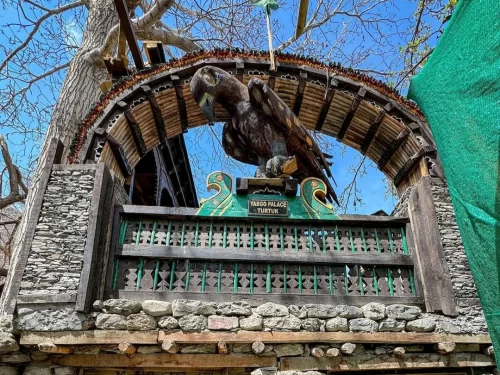
Ornate wooden eagle sculpture archway entrance at Turtuk village Nubra Ladakh with green signboard, stone walls and barren trees, perfect Balti cultural heritage gateway with Ladakh tour package. Museum

Balti Heritage House & Museum

Balti Heritage House and Museum is a preserved traditional home in Turtuk that offers insight into Balti culture, architecture, and daily life.

Frequently Asked Questions About Turtuk Waterfall

Turtuk Waterfall is located in Turtuk village in Nubra Valley, around 200 kilometers from Leh city in Ladakh near the India Pakistan border region. It is reached by walking through the inner lanes and agricultural fields of Turtuk.
Turtuk Waterfall can be accessed by road from Leh city via Khardung La and Nubra Valley in approximately 7 to 9 hours depending on road and weather conditions in Ladakh. From the Turtuk parking area, visitors walk a short distance to reach the waterfall.
Visitors require an Inner Line Permit to travel to Turtuk and visit Turtuk Waterfall as the region is a restricted border area in Ladakh. Permits are generally arranged in Leh city before starting the journey.
The best time to visit Turtuk Waterfall is between May and September when roads from Leh are typically open and weather conditions in Ladakh are stable. Daytime visits are recommended for comfortable walking.
Around 30 to 45 minutes is sufficient to explore Turtuk Waterfall and enjoy the natural surroundings. Many travelers spend additional time exploring Turtuk village nearby.
Turtuk Waterfall can be visited during winter only if road access to Turtuk remains open, though heavy snowfall in Ladakh often limits travel to this region. Checking road status from Leh city is important before planning.
Turtuk Waterfall is suitable for families, though access involves walking on village paths and slightly uneven terrain. Senior citizens can visit but should move carefully and consider altitude conditions in Nubra Valley.
Travelers visiting Turtuk Waterfall should wear comfortable walking shoes and layered clothing due to changing temperatures in Ladakh. Even in summer, mornings and evenings can feel cold in Nubra Valley.
Basic food options and small eateries are available within Turtuk village, though facilities near the waterfall itself are limited. Visitors should carry drinking water from Leh city or Nubra Valley accommodations.
Parking near Turtuk Waterfall is available at designated village entry points in Turtuk. From there, visitors walk through the village to reach the waterfall.
Turtuk Waterfall is often combined with visits to Balti Heritage House & Museum and village viewpoints in Nubra Valley. Most travelers include it as part of a two or three day Nubra Valley trip from Leh city in Ladakh.

Loved this place ? Let’s Plan Your Ladakh Trip

Get customized Ladakh tour planning designed around altitude comfort, acclimatization time, weather windows, and real Himalayan road conditions. Whether you are visiting for high mountain passes, monasteries, lakes, or remote valley experiences, our exper

⚑ Quick Response | πŸ’° Free consultation | πŸ•’ 24Γ—7 expert support

×

Plan Your Trip