+91 9910402252
admin@chalbanjare.com


| Entry Fee | Free |
| Timings | 06:00 - 18:00 |
| Altitude (m) | 3050 |
| Ideal Visit Duration (hrs) | 1 |
| Best Time of Day | Morning |
| Crowd Level | Low |
| Distance from Leh (km) | 160 |
| Walking Difficulty | Easy |
| Parking Available | No |
| Last Mile Access | Road |
| Suitable for Kids | No |
| Suitable for Seniors | No |
| Wheelchair Friendly | No |
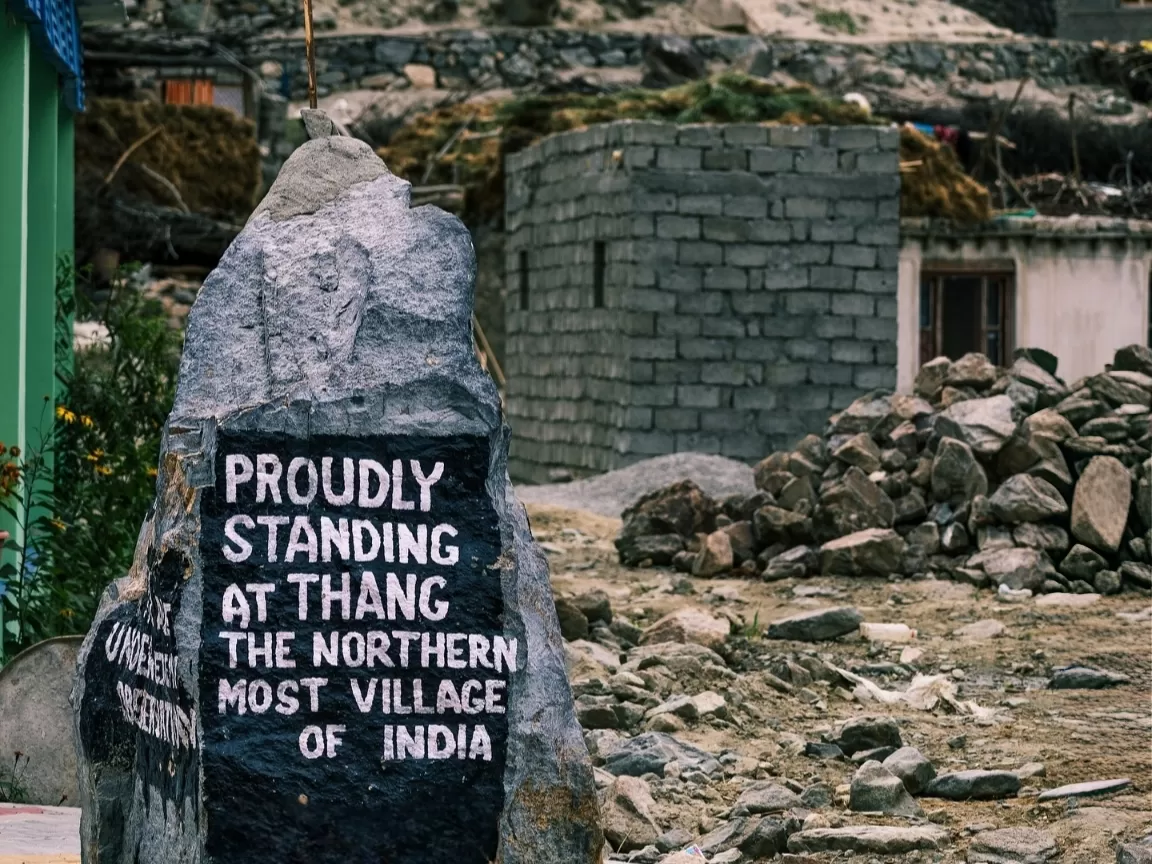
Thang Village is visited not for sightseeing comfort, but for perspective. Standing close to the India Pakistan border gives travelers a rare sense of geography, national boundaries, and the realities of life in a frontier region. It appeals to travelers who value context, awareness, and real-world understanding over scenic entertainment.
The atmosphere is quiet, controlled, and deeply shaped by its border location. Indian Army presence is visible, movement is regulated, and the village feels calm but serious. There is no tourist buzz, no shops, and no noise beyond daily village life and military activity. Weather and altitude add to the stark, exposed feeling of the place.
What makes Thang Village special is its proximity to the Line of Control and its status as one of the last civilian settlements in this direction. The experience is emotional rather than visual, offering insight into border life, national security realities, and the resilience of local communities living under constant regulation. It is a place remembered for what it represents, not what it displays.
Thang Village forms part of the Nubra region that historically lay along old trans Himalayan routes connecting Ladakh with Baltistan. Before modern borders were drawn, this area functioned as a sparsely populated frontier zone rather than a clearly defined national edge. Life here was shaped by trade movement, seasonal migration, and harsh geography rather than political boundaries.
After 1947, Thang became a sensitive border settlement following the division of territories between India and Pakistan. The Line of Control passed extremely close to the village, permanently changing its role and accessibility. Subsequent conflicts, including the wars of 1965 and 1971 and the Kargil conflict in 1999, reinforced its strategic importance, leading to a sustained Indian Army presence and strict civilian movement regulations.
Today, Thang Village stands as a reminder of post-independence border realities in Ladakh. Its history is not preserved through monuments or museums but through continued habitation under military oversight. The village represents endurance and adaptation in one of India’s most geopolitically sensitive inhabited zones, where daily life continues quietly alongside national security priorities.
The best time to visit Thang Village is during the summer travel window when Nubra Valley is accessible by road and weather conditions are relatively stable. Seasonal access, altitude, and military regulations play a bigger role here than tourism calendars, so timing should always be planned conservatively.
Even during the ideal months, weather can change quickly, and visits may be shortened or denied without prior notice. Travelers should treat Thang Village as a conditional stop rather than a guaranteed sightseeing point, aligning expectations with real on-ground conditions.
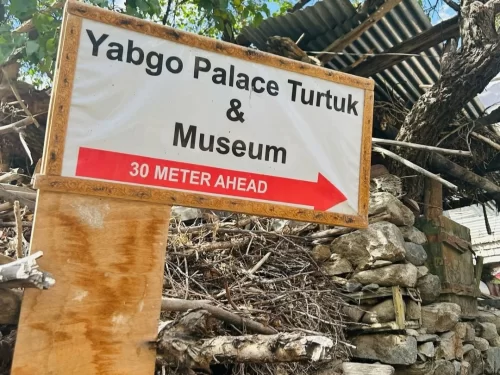 Museum
The Royal House or Yabgo Residence in Diskit is the former home of the Yabgo dynasty, the traditional royal family that once ruled Nubra Valley.
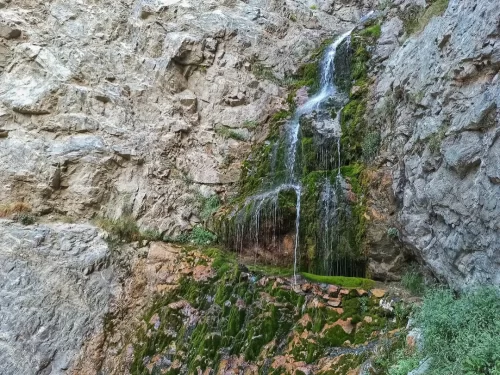 Waterfall
Turtuk Waterfall is a small natural waterfall near Turtuk village, known for its green surroundings and short walking access rather than scale.
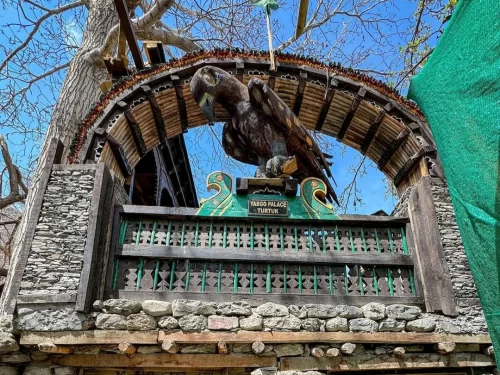 Museum
Balti Heritage House and Museum is a preserved traditional home in Turtuk that offers insight into Balti culture, architecture, and daily life.
Get customized Ladakh tour planning designed around altitude comfort, acclimatization time, weather windows, and real Himalayan road conditions. Whether you are visiting for high mountain passes, monasteries, lakes, or remote valley experiences, our exper
⚡ Quick Response | 💰 Free consultation | 🕒 24×7 expert support

