Quick Facts About Royal House Yabgo Residence
| Entry Fee | Free |
| Timings | 09:00 - 17:00 |
| Altitude (m) | 3150 |
| Ideal Visit Duration (hrs) | 1 |
| Best Time of Day | Morning |
| Crowd Level | Low |
| Distance from Leh (km) | 120 |
| Walking Difficulty | Easy |
| Parking Available | No |
| Last Mile Access | Walk |
| Suitable for Kids | Yes |
| Suitable for Seniors | Yes |
| Wheelchair Friendly | No |
Why Visit Royal House Yabgo Residence
Why Visit
The Royal House Yabgo Residence is visited for historical understanding rather than visual spectacle. It offers context about how Nubra Valley was governed before modern administration, helping travelers connect present day villages with their political past. The visit suits those interested in Ladakh history, local governance, and heritage narratives.
Atmosphere
The atmosphere is quiet and residential, blending into the everyday life of Diskit village. There is no tourist infrastructure, signage, or curated presentation. The setting feels informal and subdued, emphasizing authenticity over display.
What Makes It Special
What makes the Royal House Yabgo Residence special is its association with the Yabgo dynasty, the hereditary rulers of Nubra Valley. Rather than grand architecture, its value lies in historical continuity, representing a period when local monarchs managed Nubra under larger Ladakhi and later Dogra rule. The site stands as a living reminder of regional identity and governance.
History of Royal House Yabgo Residence
The Royal House Yabgo Residence in Diskit is associated with the Yabgo dynasty, the traditional royal lineage that governed Nubra Valley for generations. The Yabgos ruled Nubra as local monarchs under the larger authority of the Ladakhi kings, managing administration, taxation, and local affairs in this remote region.
During the 19th century, Nubra Valley came under Dogra control following the expansion of the princely state of Jammu and Kashmir. Even after the end of direct royal authority, the Yabgo family retained social and cultural influence in Nubra. The residence reflects this transition from hereditary rule to modern administration rather than a period of royal grandeur.
Today, the Yabgo Residence stands as a modest heritage structure embedded within Diskit village. Its historical importance lies in representing Nubra Valley’s political past and local governance system, offering context to travelers interested in Ladakh’s regional history rather than monumental architecture.
Best Time to Visit Royal House Yabgo Residence
The best time to visit the Royal House Yabgo Residence is during the months when Nubra Valley is easily accessible and weather conditions allow relaxed exploration of Diskit village. Since the site is not weather protected, seasonal conditions play an important role in visit comfort.
- May to September is the most suitable period, with open roads via Khardung La and stable weather
- June to August offers comfortable daytime temperatures and easier movement within Diskit village
- April and early May may see lingering snow on high passes, causing occasional travel delays
- October is quieter with fewer visitors, but colder conditions and early road closures are possible
- November to March is not recommended due to snowfall, road closures, and limited access to Nubra Valley
Late morning to early afternoon is ideal for visiting, as temperatures are milder and visibility is better. Travelers should plan with flexibility, as road and weather conditions can change without notice.
How to Reach Royal House Yabgo Residence
- The Royal House Yabgo Residence is located within Diskit village in Nubra Valley
- The journey starts from Leh city, crossing Khardung La Pass to enter Nubra Valley
- The total distance from Leh to Diskit is approximately 120 km, with travel time of 5 to 6 hours depending on road and weather conditions
- From Diskit main road, the residence is reached via village lanes and a short walk
- Private taxis or pre-booked vehicles are the most reliable transport options
- Public transport to Diskit is limited and not suitable for time-bound visits
- An Inner Line Permit is mandatory for Indian nationals traveling to Nubra Valley
- Road conditions can vary due to landslides, weather, or army movement, so buffer time is recommended
What to Expect When You Visit Royal House Yabgo Residence
- A modest heritage residence rather than a restored palace or museum
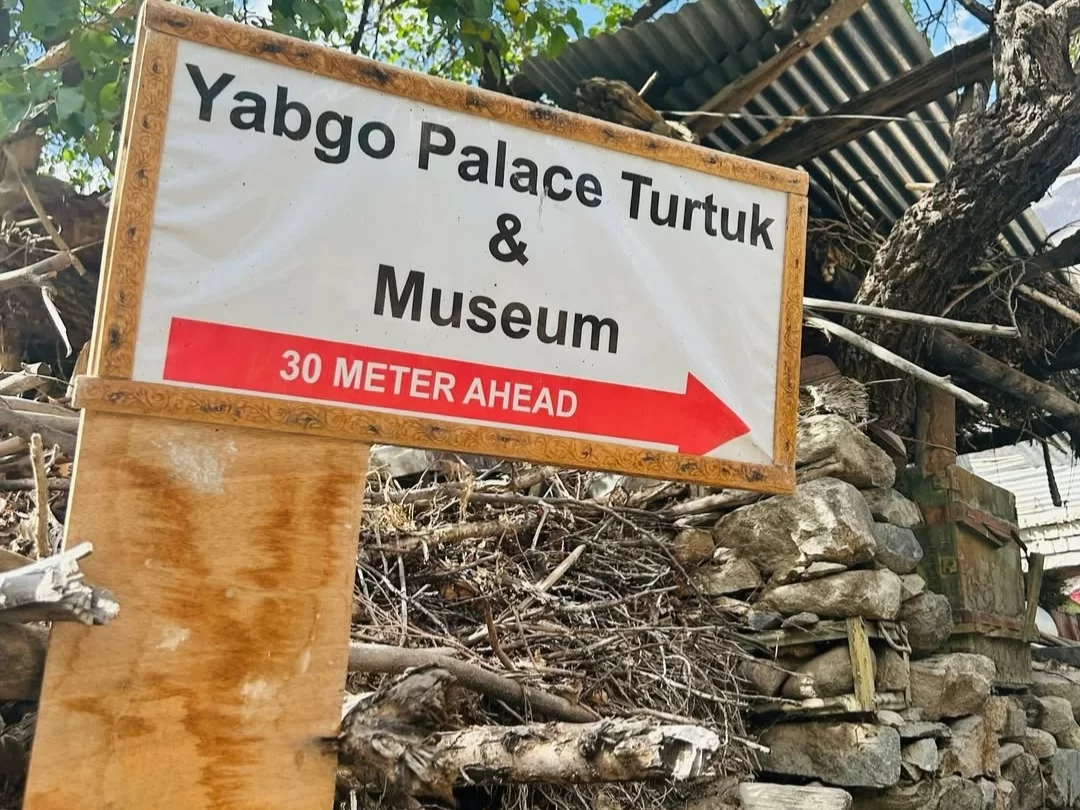
- Minimal signage and no formal visitor infrastructure
- A quiet residential environment integrated into Diskit village life
- Limited time spent on site, usually as a short stop for historical context
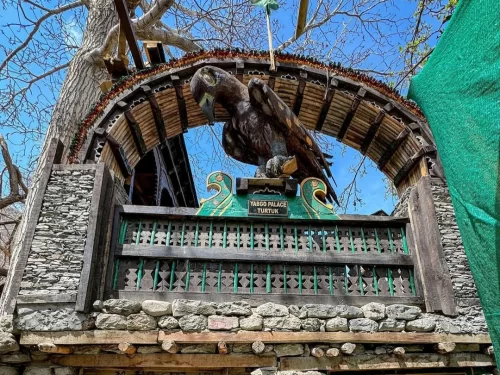
- Simple exterior architecture reflecting local construction styles
- Restricted or no access to interior areas depending on local permissions
- No guides, ticket counters, or interpretive displays on site
- An experience focused on understanding Nubra Valley’s political history rather than sightseeing
Important Visitor Information for Royal House Yabgo Residence
- Crowd levels are consistently low, as the site is not a mainstream tourist attraction
- Weather conditions follow typical Nubra Valley patterns, with strong sunlight during the day and cooler temperatures in the morning and evening
- Peak visiting hours are late morning to early afternoon when travelers combine this stop with Diskit Monastery visits
- Quiet hours are early morning and late afternoon, with minimal movement in the residential area
- Dress modestly and respectfully, as the residence is located within an active village setting
- Comfortable walking shoes are recommended due to uneven village paths
- Be respectful of local residents, as this is not a fenced or managed tourist site
- Avoid entering private areas or photographing people without permission
Photography and Viewpoint at Royal House Yabgo Residence
- Photography is permitted only in publicly visible exterior areas of the residence
- Interior photography is generally not allowed, as parts of the structure may still be privately used
- The site does not offer elevated viewpoints or panoramic views
- Visual interest comes from traditional Ladakhi architecture and village surroundings
- Morning and late afternoon light is softer and better suited for exterior photography
- Avoid photographing local residents or private courtyards without permission
- Use discretion when photographing heritage structures integrated into residential areas
- Photography here is documentary in nature rather than scenic