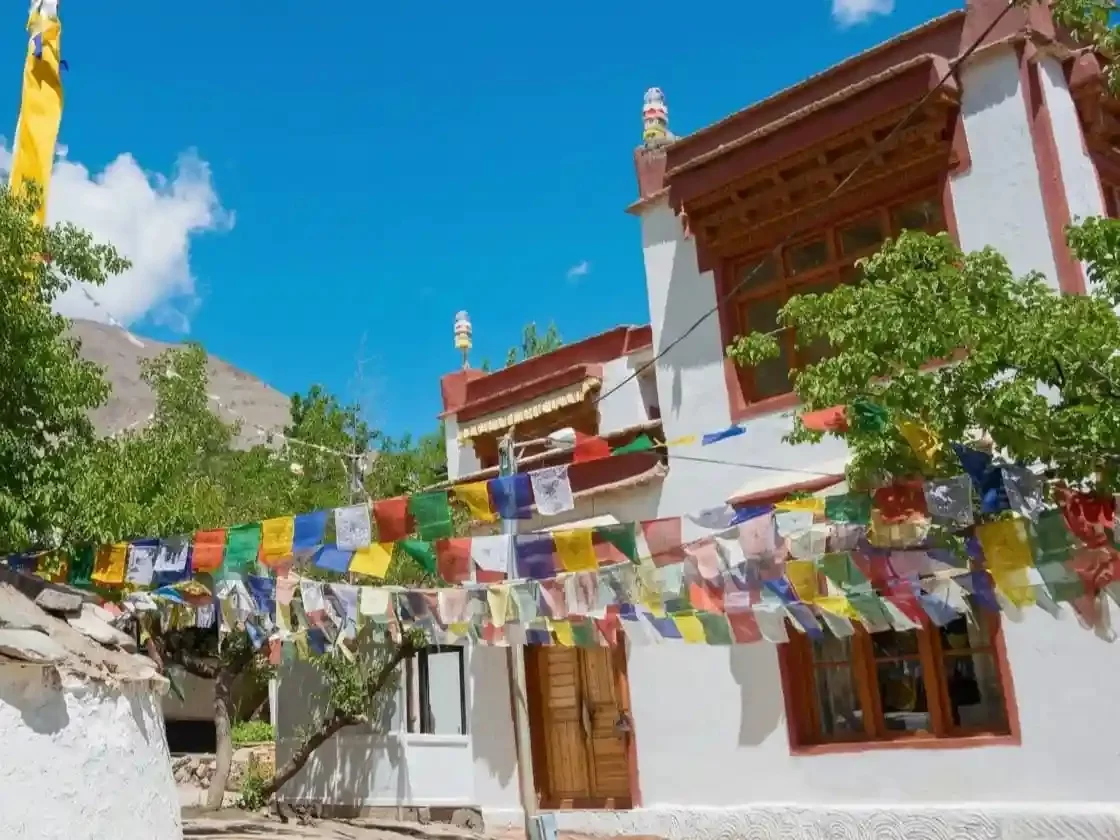
Turtuk Monastery – A Quiet Buddhist Gompa in Nubra Valley

Turtuk Monastery , Turtuk
Turtuk Monastery is a modest Buddhist monastery situated in the Nubra Valley region of Ladakh, close to the culturally distinct village of Turtuk. Unlike the larger monasteries of Ladakh, this gompa is simple and serene, reflecting the spiritual presence of Buddhism in a region otherwise known for its Balti Muslim heritage. It serves as a quiet place for prayer, reflection, and appreciating the contrasting cultural layers of Nubra Valley.

Quick Facts About Turtuk Monastery

Entry Fee Free
Timings 08:00 - 18:00
Altitude (m) 3000
Ideal Visit Duration (hrs) 1
Best Time of Day Morning
Crowd Level Low
Distance from Leh (km) 205
Walking Difficulty Easy
Parking Available No
Last Mile Access Walk
Suitable for Kids Yes
Suitable for Seniors Yes
Wheelchair Friendly No

Why Visit Turtuk Monastery

Turtuk Monastery is worth visiting for travelers seeking a quiet spiritual stop away from crowded tourist circuits. Its peaceful setting and simplicity offer a reflective experience that contrasts with the more elaborate monasteries of central Ladakh.

The atmosphere here is calm and contemplative, surrounded by mountain landscapes and the slow rhythm of village life. The absence of large crowds allows visitors to spend time observing prayer spaces, prayer flags, and traditional monastery architecture in silence.

What makes Turtuk Monastery special is its location within a predominantly Balti Muslim region, highlighting the cultural diversity of Nubra Valley. This coexistence of traditions adds depth to the visit and provides insight into Ladakh’s layered spiritual heritage.

History

Turtuk Monastery represents the quiet presence of Tibetan Buddhism in the Nubra Valley, a region better known for its Balti heritage. The monastery was established to serve the spiritual needs of the small Buddhist population living in and around Turtuk and nearby areas.

Unlike the ancient monastic centers of central Ladakh, Turtuk Monastery is relatively modest in scale and influence. Its role has primarily been that of a local place of prayer, meditation, and daily religious practice rather than a major learning center.

The monastery reflects the peaceful coexistence of different faiths in Nubra Valley. Its continued presence highlights the region’s religious diversity and the long-standing tradition of tolerance and harmony among local communities living along historic border routes.

Best Time to Visit Turtuk Monastery

The best time to visit Turtuk Monastery is between May and September, when the Nubra Valley is easily accessible and weather conditions are favorable. During these months, clear skies and mild daytime temperatures make the monastery visit comfortable and visually rewarding.

Summer months allow visitors to explore the monastery at a relaxed pace while enjoying surrounding mountain views. Early autumn offers quieter surroundings and crisp air, enhancing the peaceful spiritual atmosphere of the site.
  • May to June: Pleasant weather and good road connectivity from Leh.
  • July to August: Stable conditions with clear views, ideal for short visits and photography.
  • September: Fewer tourists and a calm environment for meditation and reflection.
  • October to April: Not recommended due to cold temperatures and possible road closures.

How to Reach Turtuk Monastery

  • By Air: The nearest airport is Kushok Bakula Rimpochee Airport, Leh. From Leh, travel by road to Nubra Valley and onward to Turtuk Village.
  • By Road from Leh: Turtuk Monastery is approximately 205 km from Leh. The route passes through Khardung La, Diskit, Hunder, and Turtuk. The journey usually takes 7–8 hours.
  • By Taxi: Private taxis are the most reliable option from Leh or Diskit due to limited public transport.
  • By Public Transport: Buses operate between Leh and Nubra Valley, but connections to Turtuk are infrequent. Shared taxis may be required for the final stretch.
  • Permits: Inner Line Permit (ILP) for Indian nationals and Protected Area Permit (PAP) for foreign nationals are mandatory to visit Turtuk.

What to Expect When You Visit Turtuk Monastery

  • A calm and intimate monastery environment, free from crowds and commercial activity.
  • Simple Buddhist prayer halls with statues, prayer wheels, and sacred symbols.
  • A deeply peaceful atmosphere ideal for meditation, quiet sitting, and spiritual reflection.
  • Scenic surroundings with views of nearby villages, fields, and mountain backdrops.
  • Limited facilities, emphasizing a respectful and mindful visit rather than tourism-driven activities.
  • A short and meaningful stop that complements a cultural visit to Turtuk Village.

Important Visitor Information

  • Crowd & Weather Notes: Turtuk Monastery remains largely uncrowded throughout the year. Weather is most favorable from May to September; however, temperatures can drop quickly in the evenings due to high altitude.
  • Peak / Quiet Hours: Late morning to early afternoon (10:00 AM – 1:00 PM) may see a few visitors. Early mornings and late afternoons are the quietest and most peaceful times.
  • Dress Code: Modest attire is recommended. Clothing should cover shoulders and knees, and shoes must be removed before entering prayer areas.
  • Safety Notes: Visitors should acclimatize properly before arrival. Walk carefully on uneven paths and steps, and maintain silence and respect within monastery premises.

Photography and Viewpoint

  • Open spaces around Turtuk Monastery provide clear views of surrounding mountains and the Nubra Valley landscape.
  • The monastery’s simple architecture, prayer flags, and spiritual symbols make for meaningful and minimalist photographs.
  • Early morning and late afternoon offer soft natural light, ideal for capturing peaceful and balanced compositions.
  • Wide-angle shots work well to frame the monastery against the dramatic Himalayan backdrop.
  • Photography inside prayer halls should only be done with permission, as some areas may restrict cameras.
  • Respect the sanctity of the space and avoid intrusive photography, especially during prayer times.

Near By Attraction

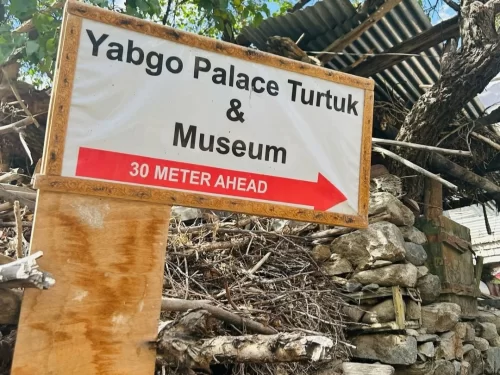
Yabgo Palace and Museum signboard in Turtuk village Nubra Valley Ladakh during sunny day, featuring 30m ahead arrow, stone wall, perfect heritage Turtuk tour package.  Museum

Royal House Yabgo Residence

The Royal House or Yabgo Residence in Diskit is the former home of the Yabgo dynasty, the traditional royal family that once ruled Nubra Valley.
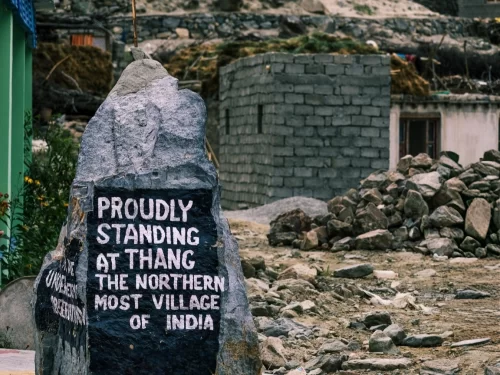
Turtuk village Ladakh Nubra Valley black stone sign Proudly standing at Thang the most northern village of India stone houses rocky hills green door, perfect border cultural tour package. Village

Thang Village

Thang Village is one of the northernmost inhabited villages of India, located just a few hundred meters from the India Pakistan border in Nubra Valley.
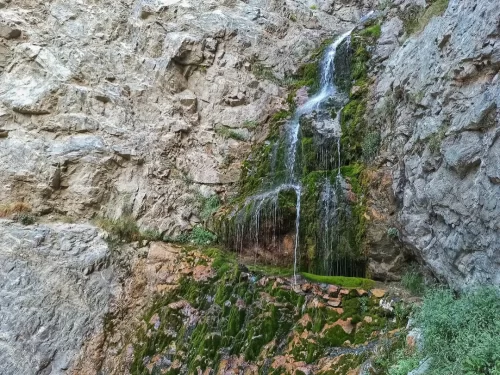
Turtuk Waterfall, scenic natural waterfall in Turtuk village near Nubra Valley, Ladakh India. Waterfall

Turtuk Waterfall

Turtuk Waterfall is a small natural waterfall near Turtuk village, known for its green surroundings and short walking access rather than scale.

Frequently Asked Questions About Turtuk Monastery

Turtuk Monastery is located in Turtuk village in Nubra Valley, around 200 kilometers from Leh city in Ladakh near the India Pakistan border. It lies in a culturally distinct area known for Balti heritage and mountain landscapes.
Turtuk Monastery can be reached by road from Leh city via Khardung La and Nubra Valley in about 7 to 9 hours depending on road and weather conditions in Ladakh. Most travelers visit Turtuk as part of an extended Nubra Valley trip.
Visitors require an Inner Line Permit to travel to Turtuk Monastery as the region is a restricted border area in Ladakh. Permits are usually arranged in Leh city before departure.
Turtuk Monastery in Nubra Valley generally remains open during daytime hours, though exact timings may vary depending on local religious practices. It is advisable to visit during regular daylight hours.
Turtuk Monastery may have a small local entry contribution, though formal ticketing is not always structured. Visitors should follow local guidance in Nubra Valley.
Around 30 to 45 minutes is sufficient to explore Turtuk Monastery, depending on walking pace and interest in the surroundings. Many visitors also spend time exploring Turtuk village itself.
The best time to visit Turtuk Monastery in Nubra Valley is between May and September when roads from Leh are generally open and weather conditions in Ladakh are stable. Clear skies provide better mountain views.
Turtuk Monastery can be visited during winter only if road access remains open, though heavy snowfall in Ladakh often restricts travel to this region. Travelers should check road conditions before planning the journey from Leh city.
Turtuk Monastery involves walking through village paths and slight elevation, so visitors should be prepared for light to moderate effort at high altitude. Senior citizens can visit but should move slowly and rest when needed.
Inside Turtuk Monastery, visitors can see prayer halls, traditional Buddhist elements, and views of surrounding mountains. The experience is closely connected to the local Balti influenced culture of Nubra Valley.
Photography at Turtuk Monastery is generally allowed in outer areas, though visitors should respect local customs and avoid photographing sensitive sections without permission.
Turtuk Monastery is usually combined with visits to Hunder Sand Dunes, Diskit Monastery, and other Nubra Valley attractions. Most travelers include it as part of a two or three day Nubra Valley trip from Leh city in Ladakh.

Loved this place ? Let’s Plan Your Ladakh Trip

Get customized Ladakh tour planning designed around altitude comfort, acclimatization time, weather windows, and real Himalayan road conditions. Whether you are visiting for high mountain passes, monasteries, lakes, or remote valley experiences, our exper

⚡ Quick Response | 💰 Free consultation | 🕒 24×7 expert support

×

Plan Your Trip