Quick Facts About Tso Moriri
| Entry Fee |
Free |
| Timings |
06:00 - 18:00 |
| Altitude (m) |
4522 |
| Ideal Visit Duration (hrs) |
48 |
| Best Time of Day |
Morning |
| Crowd Level |
Moderate |
| Distance from Leh (km) |
220 |
| Walking Difficulty |
Moderate |
| Parking Available |
Yes |
| Last Mile Access |
Road |
| Suitable for Kids |
No |
| Suitable for Seniors |
No |
| Wheelchair Friendly |
No |
Why Visit Tso Moriri
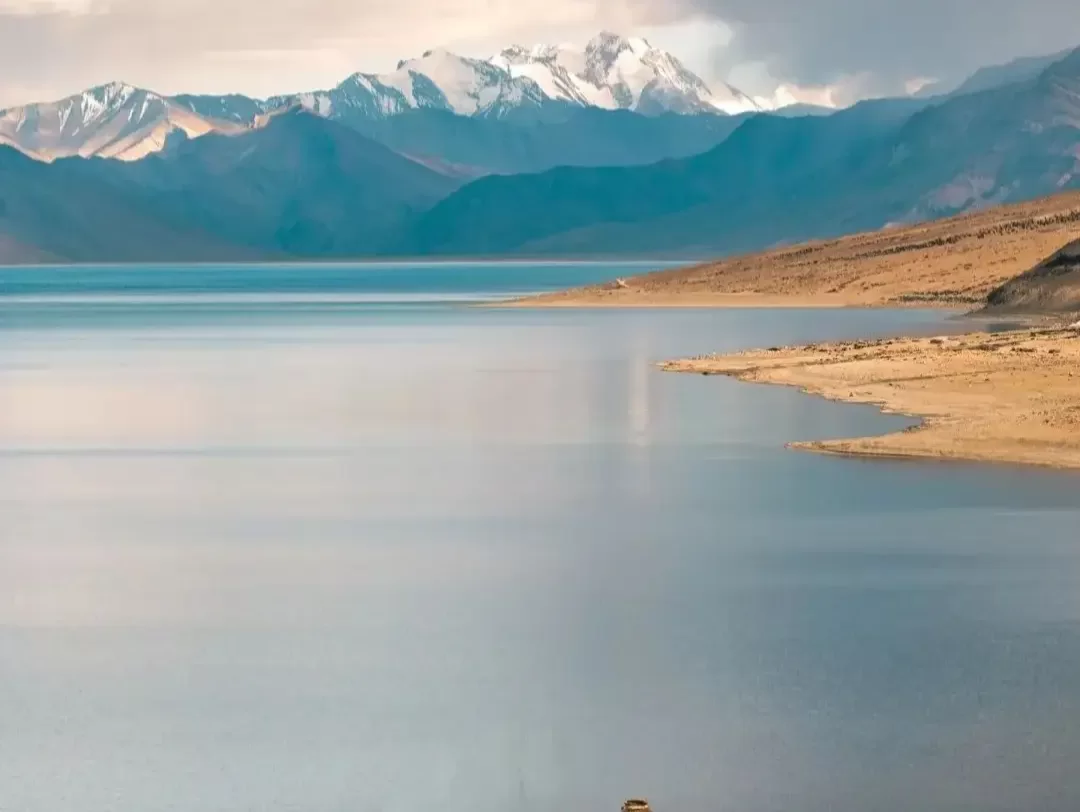
Atmosphere The atmosphere at Tso Moriri is one of profound isolation and high-altitude serenity. Situated at 4,522 meters, the air is noticeably thinner and crisper than at lower elevations, creating a sense of being on the "Roof of the World." Unlike the increasingly commercialized banks of Pangong Tso, Tso Moriri feels like a guarded sanctuary. The presence of the ancient Korzok Monastery overlooking the lake adds a spiritual weight to the silence, while the surrounding snow-capped peaks of the Chamser and Lungser Kangri massifs provide a dramatic, enclosed feel. It is a place where the passage of time is marked by the shifting shadows on the water rather than the rush of tourism.
What Makes it Special Tso Moriri is special for its status as the largest high-altitude lake entirely within Indian territory and its designation as a Ramsar site, protecting its unique biodiversity. What distinguishes it is the water’s deep, sapphire-blue color, which remains exceptionally clear due to its glacial feed and brackish nature. It is the only place in India where the rare Black-necked Crane and the Bar-headed Goose breed in such a concentrated environment. Culturally, the lake is the lifeblood of the Changpa nomads, whose lifestyle of rearing pashmina goats in one of the world's harshest inhabited climates offers a rare look at human resilience. The lack of permanent concrete structures around the lake—with the exception of the small Korzok village—ensures the landscape remains raw, prehistoric, and ecologically intact.
Meta Title: Why Visit Tso Moriri | Atmosphere, Wildlife and Cultural Significance Meta Keywords: Tso Moriri, Lake Moriri Ladakh, Korzok Monastery, Changpa nomads, Black-necked Crane, Ladakh high altitude lakes, Tso Moriri atmosphere Meta Description: Explore the unique atmosphere of Tso Moriri, Ladakh. Learn why this high-altitude sapphire lake is a must-visit for its wildlife, nomadic culture, and serene isolation.
Would you like me to draft a section on the historical and religious significance of the Korzok Monastery nearby?
History and Cultural Significance of Tso Moriri
Tso Moriri, situated at an altitude of 4,522 meters, is not merely a geographic landmark but a sacred site deeply embedded in the spiritual landscape of the Changthang region. Historically, the lake served as a vital node on the ancient trade routes connecting Ladakh with Tibet. Unlike the more commercialized routes, the paths around Tso Moriri were primarily used by the Changpa nomads for the exchange of pashmina wool and salt. The isolation of the lake ensured that the traditional socio-religious structures remained intact even as other parts of Ladakh modernized.
The spiritual heart of the lake is the Korzok Monastery, which stands on its western shore. Established approximately 300 years ago, the monastery belongs to the Drukpa Lineage of Tibetan Buddhism and was founded by Kunga Phuntsok. The history of the monastery is tied to the Korzok Rinpoche, who historically acted as both the spiritual leader and the administrative head for the nomadic tribes of the Rupshu Valley. To this day, the monastery remains one of the highest permanently inhabited settlements in the world, symbolizing the endurance of Buddhist practice in extreme environments.
- The Korzok Gustor Festival: This annual two-day event held at the monastery is the lakes most significant cultural gathering. It features sacred Cham dances (masked dances) performed by monks, representing the victory of good over evil and the protection of the local community.
- Nomadic Heritage: The Changpa people view Tso Moriri as a provider. Their oral histories and songs often reference the lake as a living entity. The grazing rights around the lake are governed by ancient tribal laws that have been passed down for centuries to prevent overgrazing.
- Sacred Waters: For the local population, the lake is considered "Lha-tso" or a spirit lake. It is common to see stone cairns and prayer flags along the banks, placed by pilgrims and herders to honor the deities believed to reside within the waters and the surrounding peaks.
- Administrative Legacy: During the reign of the Namgyal dynasty of Ladakh, the area around Tso Moriri was a strategic frontier. The local chieftains of Korzok held significant autonomy, managing the pashmina trade that eventually became the backbone of the global cashmere industry.
Best Time to Visit Tso Moriri
Tso Moriri sits at a staggering altitude of 4,522 meters, making it significantly higher and colder than Pangong Tso. The window for a safe and rewarding visit is dictated by the opening of high-altitude passes and the survival of local infrastructure in the Changthang region. For most travelers, the period from June to September is the only viable timeframe, as the lake remains frozen for nearly half the year.
- Peak Summer (June to August): This is the premier time for visiting. The ice has completely melted, revealing the deep sapphire blue the lake is famous for. Daytime temperatures range from 10C to 20C, though the sun is extremely harsh. This is also the best time for birdwatching, as Bar-headed geese and Great Crested Grebes are active.
- Autumn Transition (September): This is arguably the most beautiful month for photographers. The sky is at its clearest, and the surrounding peaks often receive a light dusting of fresh snow, creating sharp contrasts. Be prepared for night temperatures to drop below freezing even in early September.
- The Frozen Window (January to March): While some adventure travelers visit in winter to see the lake completely frozen, it requires specialized gear and extreme physical resilience. Temperatures can drop to -30C, and most homestays in Korzok are closed or offer only the most primitive survival facilities.
- Shoulder Season (May and October): These months are unpredictable. In May, the lake is often still in a semi-frozen slush state. In October, the biting winds of the Rupshu Plateau intensify, and there is a high risk of being stranded if the passes (like Namshang La) close due to early blizzards.
From an on-ground perspective, the best time to experience the cultural heart of the region is during the Korzok Gustor festival, usually held in July or August. During this time, the Korzok Monastery comes alive with Cham dances, and nomadic tribes from across the Changthang congregate at the lakeshore. Always check the lunar calendar for specific dates as they shift annually.
How to Reach Tso Moriri
Tso Moriri is located in the Changthang region of Ladakh, approximately 220 kilometers southeast of Leh. Situated at an altitude of 4,522 meters (14,836 feet), reaching this high-altitude lake requires careful planning, specific permits, and a dedicated journey of 7 to 8 hours from the capital. The route is characterized by dramatic shifts in landscape, from the Indus River gorges to the high-rolling plains of the Rupshu plateau.
The Primary Route: Leh via Chumathang
- Route Map: Leh - Karu - Upshi - Chumathang - Mahe Bridge - Puga - Sumdo - Kyagar Tso - Karzok (Tso Moriri).
- Road Conditions: This is the most reliable and common route. The road is paved up to the Mahe Bridge check post. Beyond Mahe, the terrain becomes a mix of gravel, dirt tracks, and broken tarmac as you enter the Korzok region.
- Chumathang Halt: This route follows the Indus River. Chumathang is a critical stop for lunch and is famous for its medicinal hot springs. It is also the last place with relatively stable road-side eateries before reaching the lake basin.
The Remote Route: Tso Kar to Tso Moriri
- Route Map: Tso Kar - Polo Kongka La - Puga - Sumdo - Tso Moriri.
- The High Pass: This route involves crossing Polo Kongka La (4,970 meters). It is a desolate and beautiful stretch that connects the two great lakes of the south.
- Logistics: This path is usually taken by travelers on a multi-day "Lake Circuit." It is significantly more rugged than the Chumathang route and requires a sturdy 4x4 or high-clearance SUV, especially when navigating the sandy stretches near Puga.
Permits and Regulations
- Inner Line Permit (ILP): Tso Moriri is located near the Line of Actual Control (LAC). An Inner Line Permit is mandatory for all Indian and international tourists. You must carry multiple photocopies of your permit to submit at the Mahe Bridge check post.
- Restricted Access: Foreign nationals were previously restricted from certain sections of this route, but currently, they can visit Karzok. Always check the latest LAHDC (Ladakh Autonomous Hill Development Council) guidelines before departure.
Transport and Practicalities
- Taxi Services: The most efficient way to reach is via a private taxi from the Leh Union. It is usually booked as a 2-day/1-night or 3-day/2-night package.
- Public Bus: A state-run JKSRTC/Ladakh SRTC bus operates from Leh to Karzok, typically three times a month (usually on the 10th, 20th, and 30th). However, this is unreliable for tourists with tight schedules and is often overcrowded.
- Fuel and Supplies: The last fuel station is at Karu. Ensure your vehicle has a full tank and carries extra fuel in jerry cans if you plan to explore Tso Kar as well. There is no fuel available in Karzok village.
- Winter Travel: From November to May, the lake freezes. While the road via Chumathang often stays open due to army presence, heavy snowfall at the higher reaches beyond Sumdo can cut off access for days.
Tso Moriri, or Mountain Lake, is a high-altitude sanctuary situated at an elevation of 4,522 meters (14,836 feet) in the Changthang region. As a designated Ramsar site, this endorheic lake is significantly more remote and ecologically sensitive than Pangong Tso. It is fed by springs and snowmelt from the surrounding mountains, resulting in a deep blue freshwater-to-brackish environment that supports a fragile array of Himalayan flora and fauna.
What to Expect at Tso Moriri
- Intense Cobalt Blue Waters: The lake is famous for its deep, multi-shaded blue hues that shift based on the sun's angle. Because the water is clearer and deeper than other lakes in Ladakh, the visual impact is often described as more profound and "soul-stirring."
- Proximity to Korzok Village: Unlike other lakes where you might stay in isolated camps, Tso Moriri is adjacent to Korzok, one of the highest permanent settlements in the world. You can expect a mix of ancient culture, including visits to the 300-year-old Korzok Monastery.
- Strict Ecological Regulations: As a protected wetland, driving vehicles close to the shoreline is strictly prohibited. Expect to walk the final stretch to the banks to protect the nesting grounds of migratory birds.
- Severe Altitude Sensitivity: Tso Moriri is higher than Pangong Tso. Visitors frequently report headaches or sleep disturbances here. It is essential to have spent at least three to four days in Ladakh before attempting an overnight stay at this altitude.
- Changpa Nomadic Culture: The surrounding Changthang plateau is the heartland of the Changpa people. You can expect to see their distinctive Rebo (yak-wool tents) and large herds of Pashmina goats grazing in the nearby valleys.
- Extreme Weather Volatility: Even in July, a sunny afternoon can turn into a snow squall or a heavy windstorm within minutes. The wind off the lake is piercingly cold, requiring heavy winter gear even during the "summer" months.
- Basic Living Conditions: Infrastructure in Korzok is limited. Expect simple homestays or fixed tented colonies with dry compost toilets or basic plumbing. Electricity is usually provided via solar grids and is only available for a few hours in the evening.
- Unrivaled Stargazing: Due to the lack of light pollution and the thin atmosphere, the night sky at Tso Moriri is one of the clearest in Asia. Expect a vivid view of the Milky Way, provided the skies are clear.
Important Visitor Information
Tso Moriri, or Mountain Lake, sits at a staggering altitude of 4,522 meters within the Changthang Wildlife Sanctuary. Because it is a fragile Ramsar site and an ecologically sensitive zone, visitors must adhere to strict environmental protocols. The experience here is significantly more remote and less commercialized than Pangong Tso, requiring better physical preparation and mental resilience.
Tso Moriri
Crowd and Weather Notes
- Crowd Dynamics: While Tso Moriri has gained popularity, it remains far less crowded than Pangong due to the longer travel time and higher altitude. Most visitors stay in the small village of Korzok.
- Summer Weather: From June to August, daytime temperatures fluctuate between 10C and 18C. However, once the sun sets, temperatures can drop to 3C or 5C even in mid-July.
- The Wind Factor: The lake is a high-pressure wind zone. Strong, cold gusts usually start by noon and continue through the night, making it feel several degrees colder than the actual thermometer reading.
- Winter Reality: From November to April, the lake is completely frozen, and temperatures drop to -30C. Most guesthouses in Korzok close during this period as running water becomes impossible to maintain.
Peak and Quiet Hours
- Peak Hours: 11:00 AM to 3:00 PM is when the village is busiest with arriving and departing taxis. The shores near the Korzok monastery see the most foot traffic during these hours.
- Quiet Hours: Sunrise (approx. 5:30 AM - 6:30 AM) is the most spiritual and quiet time at the lake. The water is usually still, reflecting the surrounding snow-capped peaks before the afternoon winds begin.
- Nighttime: Tso Moriri is a designated "Dark Sky" area. The hours between 10:00 PM and 3:00 AM offer unparalleled views of the Milky Way, provided you can withstand the freezing outdoor temperatures.
Dress Code and Packing
- Heavy Layering Required: Even in peak summer, you must pack a heavy down jacket, thermal inner-wear, and a woolen cap (monkey cap/balaclava) to protect against the biting wind.
- Religious Respect: Korzok is a traditional Tibetan Buddhist village. When visiting Korzok Monastery or walking through the village, ensure your shoulders and legs are fully covered. Remove hats and sunglasses before entering temple interiors.
- Footwear: Wear high-ankle trekking boots. The terrain around the lake is a mix of loose gravel and sandy patches that can be difficult to navigate in sneakers.
- Skin Care: The combination of high salt content in the air and extreme UV rays leads to cracked skin and lips. Use heavy-duty moisturizer and lip balm frequently.
Safety Notes
- Oxygen Levels: Oxygen levels are significantly lower here than in Leh. If you feel a persistent headache, nausea, or dizziness, do not ignore it. Inform your host or driver immediately; descending to a lower altitude is the only cure for AMS.
- No Camping by the Shore: To protect the nesting grounds of the Black-necked Crane and Bar-headed Geese, camping right at the water's edge is strictly prohibited. Use established campsites or homestays in Korzok.
- Restricted Access: Do not attempt to drive your vehicle off the marked tracks. The soil near the lake is often soft "quicksand" marshland where vehicles frequently get stuck, requiring expensive recovery from Leh.
- Limited Medical Support: There is a very basic Indo-Tibetan Border Police (ITBP) medical post nearby for emergencies, but the nearest fully equipped hospital is a 6-7 hour drive back to Leh.
- Permit Requirement: Ensure your Inner Line Permit (ILP) explicitly mentions Tso Moriri/Korzok, as you will be checked at the Mahe Bridge checkpoint.
Photography and Viewpoints at Tso Moriri
Tso Moriri, located at 4,522 meters, is arguably the most photogenic high-altitude lake in Ladakh due to its deep sapphire waters and the towering 6,000-meter peaks of the Gyamshung and Mentok ranges that flank its shores. Unlike Pangong Tso, which is linear, Tso Moriri is a massive mountain-locked basin that offers incredible depth of field for landscape photographers. The lighting here is exceptionally sharp, requiring careful exposure management to avoid blowing out the snow-capped peaks while maintaining the rich saturation of the lake's blue tones.
- Korzok Monastery Hilltop: This is the definitive viewpoint for a panoramic shot of the entire lake. Climbing the ridge behind the monastery provides an elevated perspective where you can capture the contrast between the green agricultural patches of Korzok village and the deep blue of the water.
- The Northern Wetlands: The area where the glacial streams enter the lake creates a network of marshes. This is the best spot for wildlife photography, specifically for capturing Bar-headed Geese and the rare Black-necked Crane against the reflection of the Mentok Kangri peaks.
- The Shoreline at Sunrise: While many focus on sunset, sunrise at Tso Moriri is spectacular as the light hits the western peaks first, casting a golden glow that reflects in the calm morning waters. The water is usually at its stillest before 8:00 AM, providing perfect mirror reflections.
- Southbound Trail Perspectives: Walking along the trail that leads toward the southern end of the lake (toward the Himachal border) offers unique angles of the lake's curves that are rarely seen in standard tourist photos. The jagged shoreline here provides excellent foreground interest with rocks and local flora.
- Night Sky and Astrophotography: Because Korzok is a remote settlement with minimal electricity, the Bortle scale rating here is near-perfect. The lake serves as a massive dark foreground for Milky Way compositions, especially when the core is visible over the Chamser and Lungser Kangri peaks.
Near By Attraction
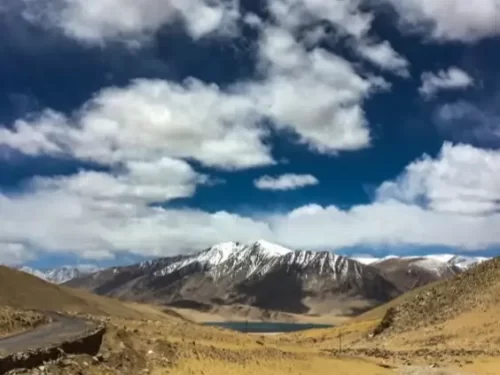 Mountain Pass
Namashang La Pass
Namashang La is a high-altitude mountain pass situated at an elevation of approximately 4,960 meters (16,273 feet) in the Leh district of Ladakh.
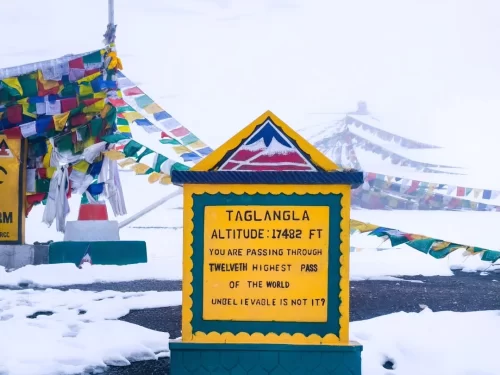 Mountain Pass
Tanglang La Pass
Tanglang La is a high-altitude mountain pass situated at an elevation of approximately 5,328 meters (17,480 feet) in the Ladakh region, often cited as the second-highest motorable pass on the Manali-Leh Highway.
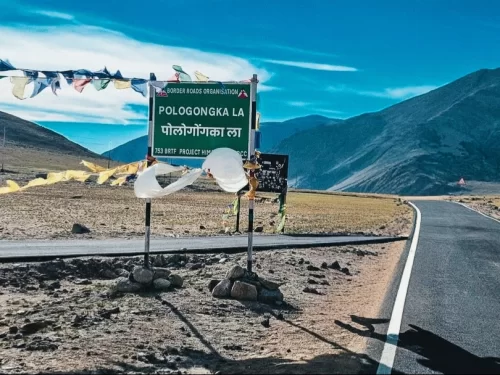 Mountain Pass
Pologongka La
Pologongka La is a mountain pass situated at an elevation of approximately 4,940 meters (16,207 feet) in the Leh district of Ladakh.