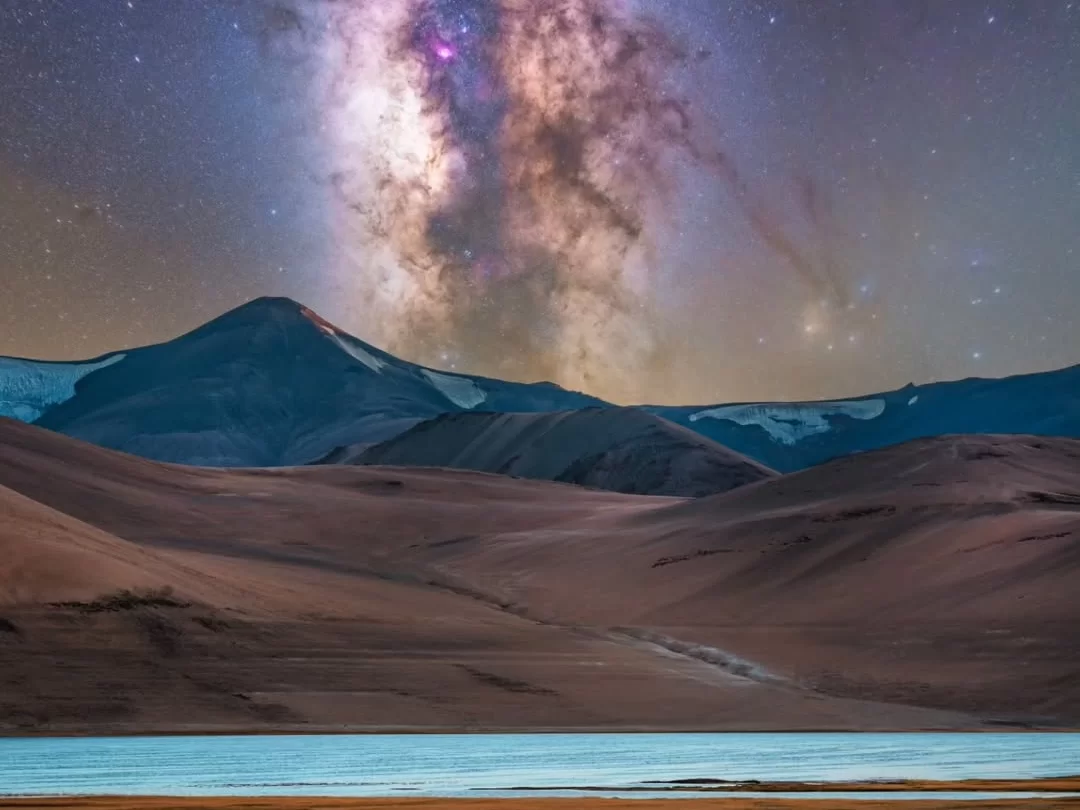
Quick Facts About Tso Kar
| Entry Fee |
Free |
| Timings |
06:00 - 18:00 |
| Altitude (m) |
4530 |
| Ideal Visit Duration (hrs) |
2 |
| Best Time of Day |
Morning |
| Crowd Level |
Low |
| Distance from Leh (km) |
150 |
| Walking Difficulty |
Easy |
| Parking Available |
Yes |
| Last Mile Access |
Road |
| Suitable for Kids |
Yes |
| Suitable for Seniors |
No |
| Wheelchair Friendly |
No |
Why Visit Tso Kar
Why Visit
Tso Kar is the definitive destination for travelers who find the crowded shores of Pangong Tso too commercialized. You visit Tso Kar for its raw, unfiltered silence and the opportunity to witness a prehistoric landscape shaped by evaporation and tectonic shifts. It is one of the few places in the world where you can observe the Tibetan Wild Ass (Kiang) roaming freely against a backdrop of shimmering white salt flats. For naturalists and photographers, the lake offers a rare chance to document the breeding cycles of the Black-necked Crane, an experience that is increasingly difficult to find elsewhere in the Himalayas.
Atmosphere
The atmosphere at Tso Kar is hauntingly desolate and profoundly quiet. Unlike the vibrant blue hues of other Ladakhi lakes, Tso Kar presents a palette of ochre, white, and deep navy. The air is exceptionally thin and dry, often carrying the scent of salt and sagebrush. There is a palpable sense of isolation here; the wind is the only constant sound, interrupted only by the distant calls of migratory birds. It feels less like a tourist spot and more like a frontier, where the nomadic Changpa lifestyle continues much as it has for centuries, dictated by the harsh rhythms of the Rupshu Plateau.
What Makes it Special
What distinguishes Tso Kar is its status as a "fluctuating lake," consisting of a hypersaline northern pool and a fresh-water southern pool (Startsapuk Tso). This unique hydrological system creates a diverse wetland ecosystem in an otherwise high-altitude desert. It is a designated Ramsar site of international importance, serving as a critical stopover on the Central Asian Flyway. Beyond the biology, the lake is the ancestral "salt bowl" of Ladakh. The sight of the crystalline white crusts—remnants of an ancient sea—merging into the dusty plains creates a visual phenomenon that looks more like the surface of the moon than a terrestrial landscape.
History and Cultural Context of Tso Kar
Historical Importance of the Salt Trade
Tso Kar has played a pivotal role in the economic history of the Ladakh and Tibet regions for centuries. Known as the "White Lake" due to the high salinity of its northern reaches, it served as the primary source of salt for the people of the Himalayas before the advent of modern transport. The local Changpa nomads would manually harvest the salt crusts from the lake's edges, packing the crystals into goatskin bags. These were then transported via massive sheep and goat caravans across the high passes to Leh and even into the Himachal valleys. This salt was a valuable currency, traded in a barter system for essential commodities like barley, flour, and tea, forming the backbone of the trans-Himalayan trade routes.
The Changpa Nomadic Culture
The area surrounding Tso Kar is the traditional grazing land of the Changpa, a semi-nomadic pastoralist community. Their culture is intrinsically linked to the harsh geography of the Rupshu Plateau. The Changpas are the traditional guardians of this landscape, living in robust yak-wool tents known as "Rebo." Their lifestyle is dictated by the seasonal availability of pasture for their livestock, which includes the famous Pashmina (Changthangi) goats, yaks, and sheep. A visit to the settlements near Tso Kar, such as Thukje, provides a rare window into a way of life that has remained largely unchanged by the outside world, centered on the resilience required to survive at 4,500 meters.
Religious Significance of Thukje Monastery
The spiritual heart of the Tso Kar basin is the Thukje Monastery, perched on a hill overlooking the lake. This small but significant Buddhist gompa belongs to the Drukpa Lineage and serves as a place of worship for the nomadic families scattered across the plateau. The monastery houses ancient frescoes and statues, reflecting the deep-seated Buddhist faith that permeates the region. For the locals, the lake and the surrounding mountains are not just geographical features but are inhabited by local deities (Lhas) who must be appeased to ensure the well-being of their livestock and protection from the brutal winter climate.
Best Time to Visit Tso Kar
The window for visiting Tso Kar is shorter than for Leh due to its extreme elevation and exposure. While the lake is technically accessible whenever the Manali-Leh highway is open, the experience varies significantly based on your interest in wildlife versus landscape photography. Being a rain-shadow region, it rarely sees heavy rainfall, but the wind chill is a constant factor regardless of the month.
- June to August (Peak Season): This is the most reliable time for access. Daytime temperatures range from 15C to 25C, though nights remain near freezing. This period is best for seeing the nomadic Changpa herds and enjoying clear road conditions.
- May and September (Shoulder Months): These months offer the crispest air and the best light for photography. September is particularly stunning as the marshes turn golden, though the risk of early snowfall at Taglang La pass increases.
- June to July (Wildlife Prime): For birdwatchers, this is the window to see the Black-necked Cranes breeding in the marshes. The Tibetan Wild Ass (Kiang) are also highly active near the fresh-water pools of Startsapuk Tso during these months.
- Winter (December to March): Extremely harsh with temperatures plunging to -40C. While the lake mostly freezes and the landscape is ethereal, most tented camps close, and only very basic homestays in Thukje remain an option for professional wildlife expeditions.
For the best balance of comfortable weather and active wildlife sightings, plan your arrival for the first two weeks of July. Always check the status of the Tanglang La pass before departing from Leh, as sudden weather shifts can temporarily close the access route even in mid-summer.
How to Reach Tso Kar
Tso Kar is located approximately 150 km south of Leh in the Rupshu region. While the distance is relatively short, the journey involves crossing one of the highest motorable passes in the world, requiring a sturdy vehicle and a driver experienced with high-altitude terrain. There is no direct public transport to the lake, making private or shared taxis the primary mode of travel.
- By Private Taxi (From Leh): The most common route is via the Manali-Leh Highway (NH3). You will drive through the Indus Valley, pass through Karu and Upshi, and then ascend the formidable Taglang La pass (5,328m). After descending the pass towards Debring, a small diversion road leads you into the Tso Kar basin.
- By Motorcycle: Many riders visit Tso Kar as a detour while riding the Manali-Leh circuit. It is roughly 250 km from Sarchu and 150 km from Leh. Ensure your bike is tuned for high-altitude performance, as the oxygen levels are significantly lower here.
- From Tso Moriri: For those on an extended circuit, a rugged back-road connects Tso Moriri (Karzok) to Tso Kar via Puga and the Polokonka La pass. This route is exceptionally scenic but requires a high-clearance 4x4 vehicle due to sandy patches and stream crossings.
- By Shared Taxi: Shared cabs departing from the Leh Bus Stand towards Tso Moriri or Manali can sometimes drop passengers at the Debring junction, from where you would need to hitchhike or walk the remaining distance to Thukje village. This is not recommended for those with heavy luggage.
- Permit Requirements: Since Tso Kar lies within a protected border zone, all visitors must carry a valid Inner Line Permit (for Indians) or a Protected Area Permit (for foreigners), which can be obtained in Leh or via the online portal. These are checked at the Upshi or Rumtse checkpoints.
What to Expect When You Visit Tso Kar
Tso Kar is a high-altitude wilderness that prioritizes ecological observation over traditional tourism. Unlike the more famous lakes in Ladakh, the infrastructure here is minimal, and the environment is significantly harsher. Travelers should prepare for a raw experience where the primary attractions are silence, wildlife, and geological anomalies rather than luxury or recreational activities.
- Extreme Weather Conditions: Expect fierce, persistent winds that sweep across the plateau. Even in mid-July, the temperature can plummet to near-zero as soon as the sun sets. Protective layers and windbreakers are mandatory.
- Sparse Infrastructure: Do not expect hotels or cafes. Accommodation is limited to basic homestays in Thukje village or seasonal eco-camps. Facilities are functional but primitive, often featuring dry toilets.
- Thin Air and Altitude: At 4,530 meters, the oxygen level is significantly lower than in Leh. Expect to feel breathless with even minor physical exertion. Physical fatigue and dehydration happen much faster here.
- Unique Landscape Aesthetics: Expect a white, saline-encrusted shoreline rather than the deep blues found at Pangong. The landscape is a mix of marshland, salt pans, and sandy desert, creating a lunar-like visual effect.
- High Probability of Wildlife Sightings: Unlike other parts of Ladakh where wildlife is elusive, herds of Kiang (Tibetan Wild Ass) are frequently seen grazing near the road. The lake is one of the few places where the Black-necked Crane is easily observable during the summer.
- Complete Digital Detox: Expect no mobile network or internet connectivity. Satellite phones in the village may be available for emergencies, but you should inform family of your "offline" status before leaving Leh.
- Challenging Terrain: The tracks around the lake are sandy and often unmarked. If you are driving, expect soft sand patches and occasional mud near the marshy edges where vehicles can get stuck.
Visiting Tso Kar is a test of endurance and a reward for those seeking true solitude. It is a place where you observe nature's resilience in one of the highest inhabited plateaus on Earth, away from the commercial noise of standard tourist circuits.
Important Visitor Information
Crowd and Weather Notes
- Low Tourist Density: Unlike Pangong Tso, Tso Kar remains largely uncrowded. You will mostly encounter serious birdwatchers, photographers, and transit travelers on the Manali-Leh route.
- Extreme Aridity: The air is exceptionally dry and thin. Dehydration happens rapidly, often without the sensation of thirst.
- Persistent High Winds: The Rupshu Plateau is a natural wind tunnel. Expect high-velocity cold winds starting from late morning and continuing well into the night.
- Drastic Temperature Swings: Even on a sunny day with temperatures at 20C, the shade or a sudden cloud cover can drop the temperature to single digits instantly.
Peak and Quiet Hours
- Peak Wildlife Hours (5:00 AM - 8:00 AM): This is the best time for spotting the Tibetan Wild Ass (Kiang) and Black-necked Cranes when they are most active near the water.
- Quiet Mid-Day (11:00 AM - 3:00 PM): This is the least productive time for wildlife photography due to harsh overhead sun and heat haze over the salt flats.
- Golden Hour (5:00 PM - Sunset): The saline crusts reflect the setting sun, providing the best conditions for landscape photography.
Dress Code and Packing
- The Three-Layer Rule: A base layer of moisture-wicking thermals, a mid-layer of fleece or wool, and a heavy windproof/waterproof outer shell.
- UV Protection: High-altitude sunlight is 25% stronger here. A broad-brimmed hat, UV-rated sunglasses, and high-SPF sunscreen are non-negotiable to prevent severe sunburn.
- Footwear: Sturdy, waterproof hiking boots are recommended if you plan to walk near the marshy edges, which can be deceptively soft and muddy.
- Extremities: Carry a woolen cap (beanie) and gloves even in mid-summer, as the wind chill can lead to rapid heat loss from the head and hands.
Safety Notes
- Acclimatization: Do not visit Tso Kar as your first stop in Ladakh. Ensure at least 48-72 hours of acclimatization in Leh (3,500m) before ascending to Tso Kar (4,530m).
- Medical Emergency: There are no hospitals or pharmacies within a 100km radius. Carry a personal medical kit including Diamox (consult a doctor), Oximeters, and basic pain relief.
- Fuel and Supplies: There are no petrol pumps at Tso Kar. Ensure your tank is full and you have at least 10 liters of spare fuel if planning to explore the interior tracks toward Tso Moriri.
- Wildlife Safety: Maintain a distance of at least 50-100 meters from wildlife. Do not track animals off-road, as vehicles can damage the fragile nesting grounds of migratory birds.
Photography and Viewpoint
Tso Kar is a high-contrast environment that demands technical precision from photographers. The combination of white salt flats, deep blue sky, and brown mountains creates a dynamic range that can easily trick camera sensors. To capture the best of this Ramsar site, one must focus on the interplay of textures—the cracked saline crusts against the soft plumage of migratory birds.
- The Thukje Viewpoint: Located on a small ridge near the Thukje Monastery, this elevated spot provides the best panoramic view of the entire lake basin. It is the ideal location for wide-angle landscape shots that capture the contrast between the white salt margins and the dark water.
- Startsapuk Tso Shoreline: The freshwater southern end of the lake is where birdlife is most concentrated. Use a telephoto lens (400mm or higher) to capture the Black-necked Cranes and Bar-headed Geese without disturbing their habitat. The reflection of the peaks in the still morning water is a primary highlight here.
- More Plains approach: On the drive toward the lake from the Manali-Leh highway, keep your camera ready for the Kiang (Tibetan Wild Ass). These animals are often seen in groups against the vast, flat horizon, providing excellent opportunities for wildlife-in-landscape compositions.
- Salt Pan Textures: For macro and abstract photography, the northern shores offer intricate crystalline formations. Getting low to the ground during the golden hour highlights the geometric patterns of the salt crusts.
- Astrophotography: With virtually zero light pollution and a high-altitude atmosphere, Tso Kar is one of India's best spots for Milky Way photography. The salt flats can act as a reflective foreground during a full moon, or a stark, dark contrast during a new moon.
Photographers should be aware of the Albedo Effect—the high reflectivity of the white salt can lead to underexposed images. It is recommended to overexpose by +0.7 or +1.0 stop to keep the salt looking white rather than grey. Additionally, the fine dust and salt particles can be corrosive; ensure you use a protective filter and clean your gear thoroughly after the shoot.
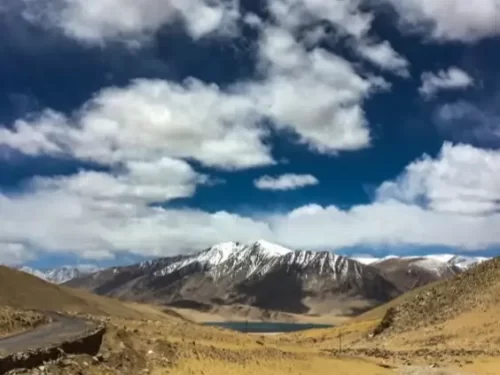
Near By Attraction
Mountain Pass
Namashang La Pass
Namashang La is a high-altitude mountain pass situated at an elevation of approximately 4,960 meters (16,273 feet) in the Leh district of Ladakh.
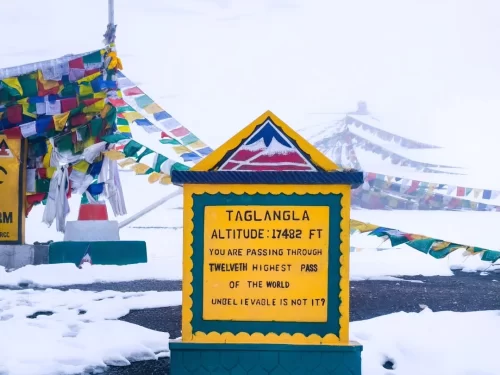
Mountain Pass
Tanglang La Pass
Tanglang La is a high-altitude mountain pass situated at an elevation of approximately 5,328 meters (17,480 feet) in the Ladakh region, often cited as the second-highest motorable pass on the Manali-Leh Highway.
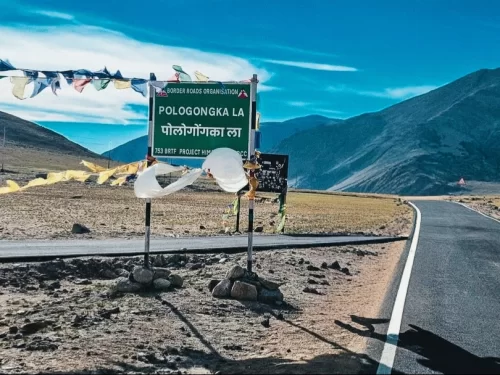
Mountain Pass
Pologongka La
Pologongka La is a mountain pass situated at an elevation of approximately 4,940 meters (16,207 feet) in the Leh district of Ladakh.