+91 9910402252
admin@chalbanjare.com


| Entry Fee | Free |
| Timings | 08:00 - 18:00 |
| Altitude (m) | 3520 |
| Ideal Visit Duration (hrs) | 1 |
| Best Time of Day | Morning |
| Crowd Level | Low |
| Distance from Leh (km) | 25 |
| Walking Difficulty | Moderate |
| Parking Available | Yes |
| Last Mile Access | Walk |
| Suitable for Kids | Yes |
| Suitable for Seniors | No |
| Wheelchair Friendly | No |
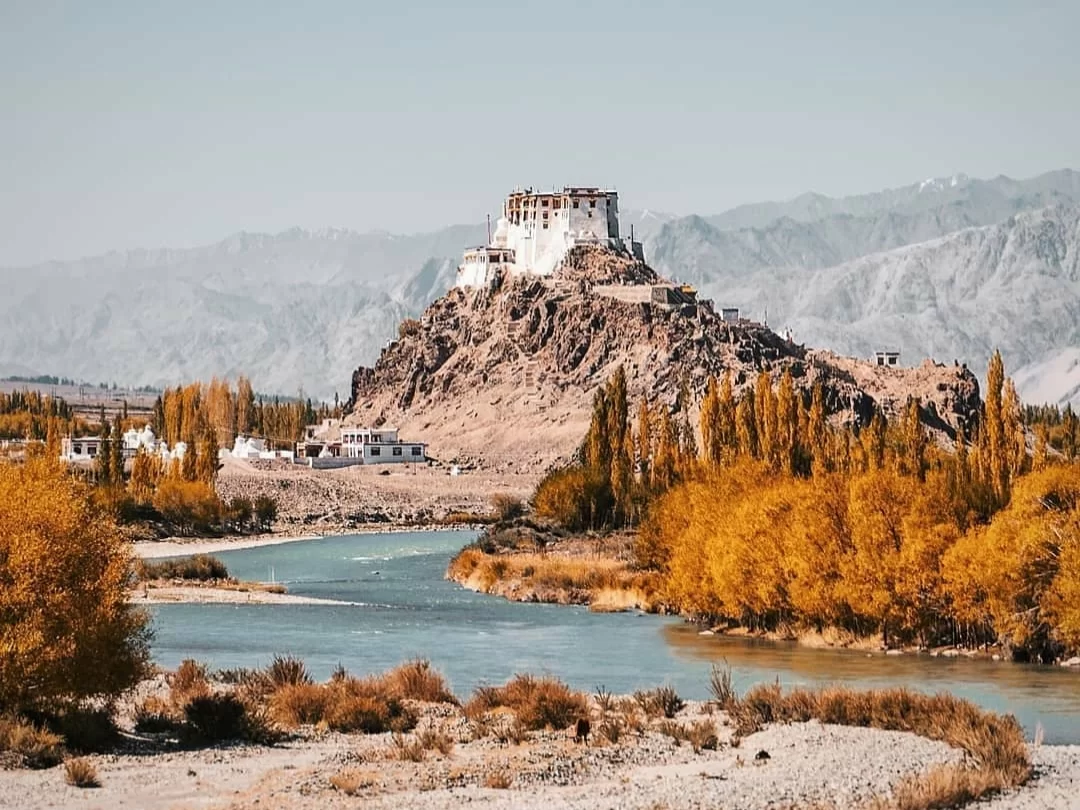
Stakna Monastery has a quiet, lived-in atmosphere shaped by its small resident monastic community and low visitor numbers. The setting feels calm and rural, with views of the Indus River flowing below and farmland surrounding the hill. Outside sounds are minimal, and the monastery rarely feels rushed, even during peak travel months. Mornings are especially peaceful, with only occasional visitors.
Stakna Monastery stands out for its riverside hilltop location and its affiliation with the Drukpa Kagyu order, which is less represented in central Ladakh compared to Gelugpa monasteries. The compact layout allows visitors to observe daily monastic life at close range without crowds. Its position above the Indus offers a different landscape perspective than valley floor monasteries, making it appealing to travelers looking for quieter, authentic religious sites rather than major tourist stops.
Stakna Monastery was founded in the late 16th century by Chosje Jamyang Palkar, a Bhutanese scholar and follower of the Drukpa Kagyu lineage of Tibetan Buddhism. The monastery was established after he received royal patronage from the Ladakhi king Jamyang Namgyal, strengthening religious ties between Ladakh and Bhutan during that period.
The name “Stakna” translates to “Tiger’s Nose,” referring to the shape of the hill on which the monastery stands. Over centuries, the monastery has functioned as an active center for Drukpa Kagyu teachings, housing monks who continue traditional rituals, prayer ceremonies, and philosophical studies. Unlike larger monasteries, Stakna has retained a modest scale, preserving its role as a living monastic institution rather than a ceremonial landmark.
The monastery is especially known for its sacred images of Avalokiteshvara and other Drukpa lineage deities, which hold spiritual importance for local communities along the Indus Valley. Its continuous use as a place of worship and learning gives it enduring religious relevance in Ladakh’s Buddhist landscape.
Stakna Monastery can be visited throughout the year, but seasonal weather plays a key role in comfort and accessibility. Located above the Indus River at high altitude, the monastery experiences cold winters and mild summers, making timing important for an enjoyable visit.
 Tourist Attraction
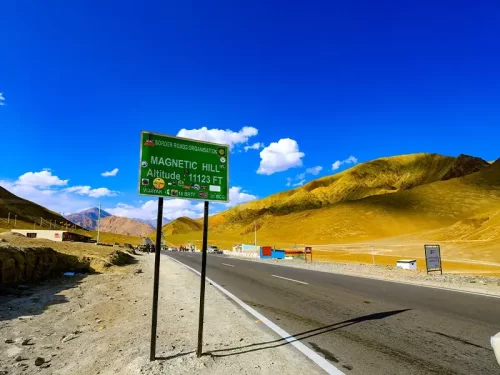
Magnetic Hill is a gravity hill located at an elevation of approximately 3,350 meters (10,991 feet) on the Leh-Srinagar National Highway.
 Monastery
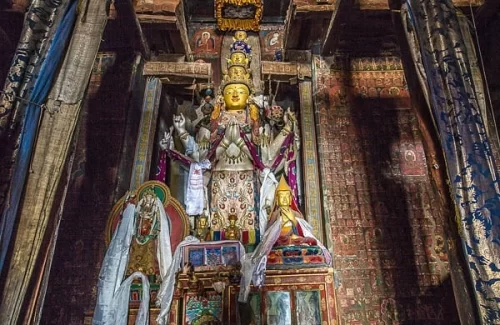
Alchi Monastery is a historic Buddhist temple complex situated at an elevation of approximately 3,100 meters (10,170 feet) on the southern bank of the Indus River.
 Mountain Pass
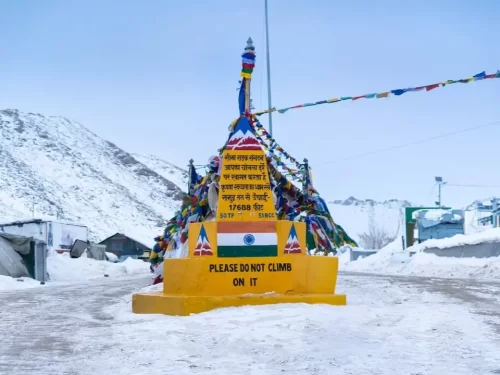
Chang La is a high-altitude mountain pass situated at an elevation of approximately 5,360 meters (17,585 feet) on the road between Leh and Pangong Tso.
Get customized Ladakh tour planning designed around altitude comfort, acclimatization time, weather windows, and real Himalayan road conditions. Whether you are visiting for high mountain passes, monasteries, lakes, or remote valley experiences, our exper
⚡ Quick Response | 💰 Free consultation | 🕒 24×7 expert support

