Quick Facts About Sirsir La
| Entry Fee | Free |
| Timings | 06:00 - 18:00 |
| Altitude (m) | 4760 |
| Ideal Visit Duration (hrs) | 1 |
| Best Time of Day | Morning |
| Crowd Level | Low |
| Distance from Leh (km) | 120 |
| Walking Difficulty | Easy |
| Parking Available | No |
| Last Mile Access | Road |
| Suitable for Kids | No |
| Suitable for Seniors | No |
| Wheelchair Friendly | No |
Why Visit Sirsir La Pass
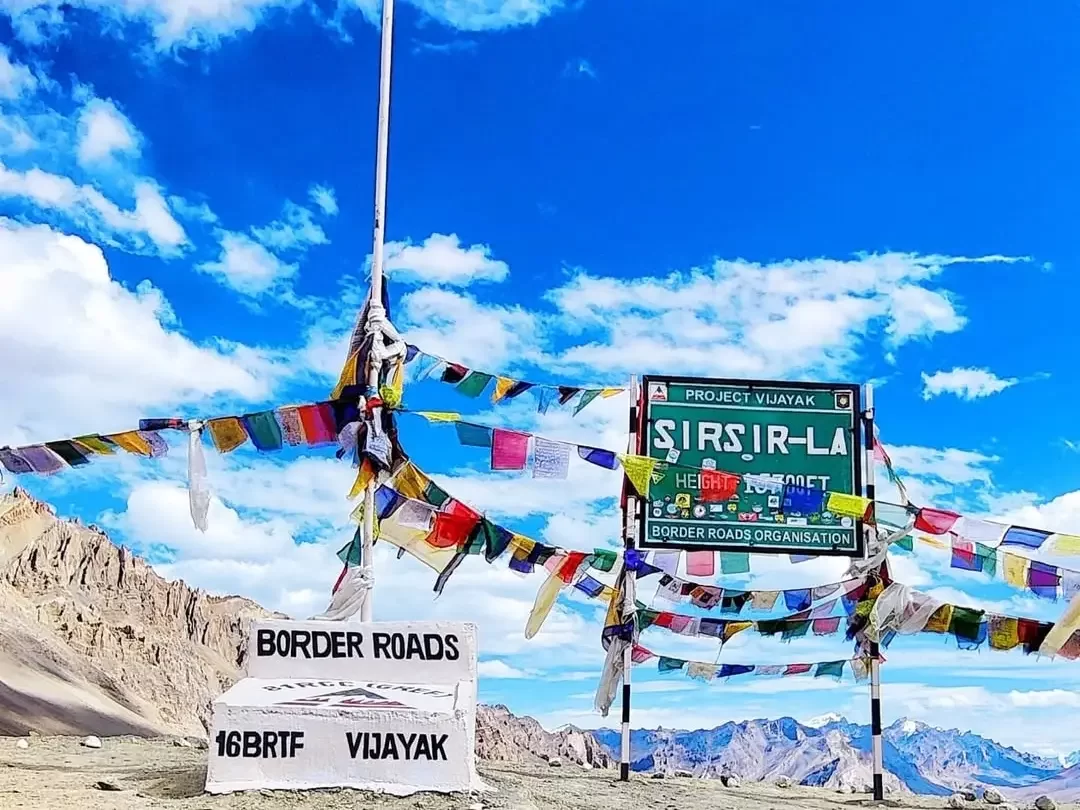
Sirsir La Pass is visited by travelers who want to experience a truly remote high altitude crossing rather than a popular tourist stop. It appeals to those interested in raw Himalayan roads, isolation, and the transition between Lamayuru and the secluded village of Photoksar. The visit is about understanding terrain, distance, and exposure, not sightseeing comforts.
Atmosphere
The atmosphere at Sirsir La is stark and overwhelming in its silence. Sheer rock faces rise close to the road, wind gusts are frequent, and the sense of remoteness is constant. There are no signs of commercial activity or crowd movement, and long stretches pass without seeing another vehicle, reinforcing the feeling of being deep inside the mountains.
What Makes It Special
Sirsir La is special because it remains untouched by tourism infrastructure despite being motorable. The pass forms a critical link on the Lamayuru to Photoksar route and sits within the historic Lamayuru Padum travel corridor. Its narrow, exposed road and absence of viewpoints or facilities highlight the realities of travel in inner Zanskar, making it a meaningful crossing for travelers who value authenticity, scale, and solitude over convenience.
Route Background of Sirsir La Pass
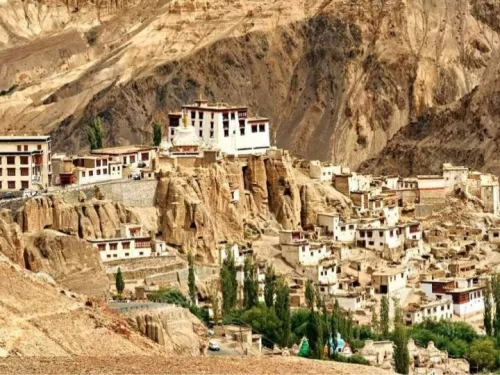
Sirsir La Pass does not have a historical monument, settlement, or religious structure located at the pass itself. Its importance comes from its long standing role as a natural mountain crossing linking Lamayuru with the isolated village of Photoksar.
For generations, this route formed part of the Lamayuru Padum travel and trekking corridor, used by villagers, monks, and traders moving between the Indus Valley side and inner Zanskar. The modern motorable track follows the same natural alignment shaped by terrain rather than planned engineering. Sirsir La remains a functional passage defined by geography, altitude, and climate, preserving its role as a practical connector rather than a destination with cultural or ceremonial significance.
Best Time to Visit Sirsir La Pass
Sirsir La Pass can be crossed safely only during a limited summer window when snow has melted and the Lamayuru to Photoksar road is accessible. Due to its altitude and exposed terrain, timing plays a critical role in safety and travel comfort.
- Late June to September is the most reliable period, with generally open roads and manageable weather conditions
- July and August offer the most stable access, though strong winds and occasional cloud cover are common
- Early September is suitable for travelers seeking fewer vehicles and clearer skies, with colder mornings
- October to May is not recommended due to snowfall, sub zero temperatures, and road closures
- Late morning to early afternoon is the safest time of day to cross, with better visibility and slightly warmer temperatures
How to Reach Sirsir La Pass
- Sirsir La Pass is reached by road on the Lamayuru to Photoksar route in Ladakh
- Lamayuru is the main access point and is connected to Leh by a motorable road on the Leh Srinagar highway
- From Lamayuru, a narrow mountain road climbs steeply toward Sirsir La before descending toward Photoksar village
- The road is fully motorable but rough, with loose gravel, sharp bends, and exposed sections
- High ground clearance vehicles are strongly recommended due to uneven surfaces and steep gradients
- There is no regular public transport on this route; travel is typically done by private taxi or self driven vehicle
- Road conditions can change quickly due to weather, so local confirmation before travel is essential
What to Expect When You Visit Sirsir La Pass
- Expect a raw high altitude mountain crossing rather than a developed tourist destination
- The road is narrow and steep, with loose gravel, broken rock sections, and exposed edges
- There are no facilities such as shops, restrooms, fuel stations, or shelters anywhere near the pass
- Strong winds are common and can make short stops uncomfortable
- Mobile network connectivity is absent across the route
- Most travelers stop only briefly due to altitude, wind exposure, and lack of safe parking space
- The surroundings are silent and isolated, offering a clear sense of wilderness rather than scenic viewpoints
- Altitude related discomfort is possible if acclimatization is inadequate
Important Visitor Information for Sirsir La Pass
- Crowd and weather notes: Sirsir La Pass remains extremely quiet with very low traffic. Weather is unpredictable, with strong winds, sudden cloud build up, and sharp temperature drops even in summer
- Peak hours: There are no defined peak hours, but late morning to early afternoon offers the safest crossing conditions with better visibility
- Quiet hours: Early morning and late evening are very quiet but not recommended due to cold, wind exposure, and reduced visibility
- Dress code: Warm layered clothing is essential, including windproof jackets, gloves, and head protection due to constant exposure
- Safety notes: Avoid stopping for long durations due to altitude and wind chill. Drive cautiously on narrow sections, loose gravel, and blind bends, and always check local road conditions before travel
- Travel should be avoided during poor weather or without sufficient fuel and supplies
Photography and Viewpoint at Sirsir La Pass
- Sirsir La Pass does not have a designated viewpoint or platform; photography is done from safe roadside spots only
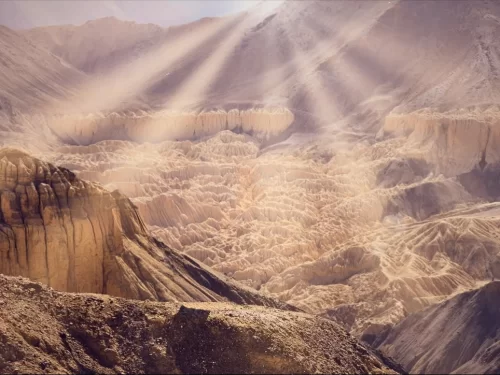
- The landscape is dramatic and enclosed, with vertical rock walls and a narrow valley feel rather than wide panoramas
- Late morning provides the best natural light, as shadows reduce and visibility improves
- Strong and unpredictable winds can affect camera stability and image sharpness
- There are no foreground structures or landmarks, so compositions rely on road curves, rock textures, and scale
- Stopping for photography should be brief due to lack of parking space and wind exposure
- Drone photography is not advised due to wind conditions, terrain constraints, and local sensitivities
- Photographers should prioritize personal safety and vehicle positioning over capturing shots