+91 9910402252
admin@chalbanjare.com


| Entry Fee (INR) | 40 |
| Timings | 09:00 - 17:00 |
| Altitude (m) | 3500 |
| Ideal Visit Duration (hrs) | 1 |
| Best Time of Day | Morning |
| Crowd Level | Moderate |
| Distance from Leh (km) | 15 |
| Walking Difficulty | Moderate |
| Parking Available | Yes |
| Last Mile Access | Road |
| Suitable for Kids | Yes |
| Suitable for Seniors | Yes |
| Wheelchair Friendly | No |
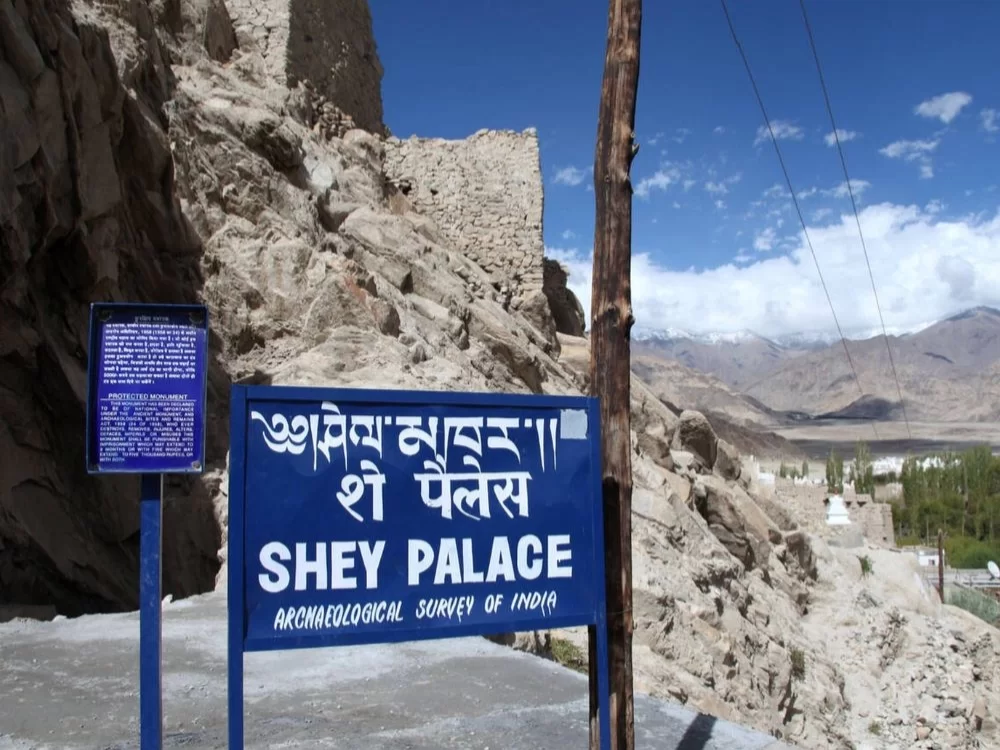
Shey Monastery has a quieter and more open atmosphere compared to monasteries closer to Leh town. The complex is spread out, with wide courtyards and fewer buildings, giving it a relaxed feel. Outside peak hours, the surroundings are calm, with views over agricultural fields and distant mountains. Midday can feel briefly busy when tour groups arrive, but the site never feels congested.
The main highlight of Shey Monastery is the large seated statue of Shakyamuni Buddha, made of copper and gilded with gold. The statue dominates the prayer hall and is one of the largest Buddha images in Ladakh. Shey also stands out because of its historical role as the former summer capital of Ladakh, which adds context to its layout and location. The combination of religious importance, historical background, and open views makes it more than just a quick stop.
Shey Monastery was established in the 17th century during the reign of King Deldan Namgyal, when Shey served as the summer capital of Ladakh. The area functioned as an important political and administrative center before the capital moved permanently to Leh. Remains of the old palace complex can still be seen above the monastery, reflecting its earlier royal role.
The most significant addition to the site was the construction of the Dresthang Lhakhang, which houses the large Shakyamuni Buddha statue. This statue was commissioned to commemorate the visit of a high-ranking Buddhist teacher and represents a period when royal patronage strongly supported religious institutions.
Over time, Shey lost its political importance, but it continued to remain a respected religious site. Today, it stands as a reminder of Ladakh's transition from royal centers to monastic influence, with its importance rooted in both governance history and ongoing religious practice.
The best time to visit Shey Monastery is between May and September, when weather conditions are stable and the road from Leh remains fully accessible. During these months, temperatures are comfortable for walking around the open complex, and daylight hours allow unhurried visits. Morning visits are particularly pleasant due to fewer visitors and better interior lighting.
From October onward, temperatures drop quickly, and strong winds can make the site uncomfortable. Winter visits are possible but limited by cold conditions and reduced accessibility. Spring in April can be quiet, but lingering cold may affect comfort.
 Tourist Attraction
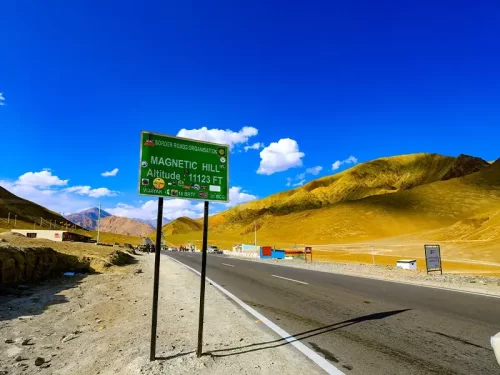
Magnetic Hill is a gravity hill located at an elevation of approximately 3,350 meters (10,991 feet) on the Leh-Srinagar National Highway.
 Monastery
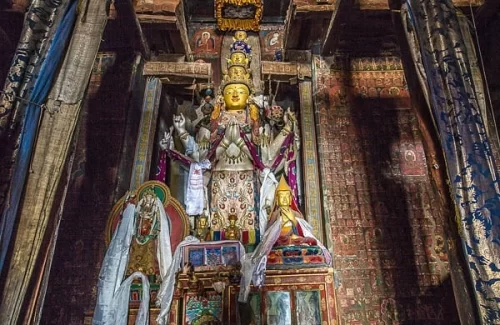
Alchi Monastery is a historic Buddhist temple complex situated at an elevation of approximately 3,100 meters (10,170 feet) on the southern bank of the Indus River.
 Mountain Pass
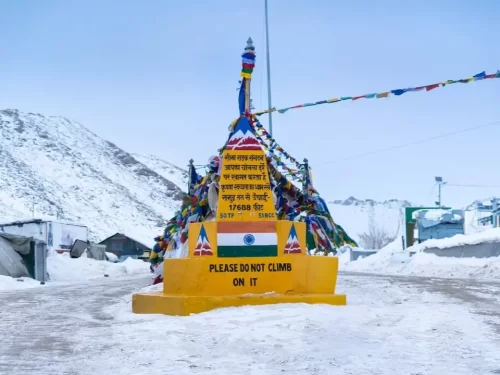
Chang La is a high-altitude mountain pass situated at an elevation of approximately 5,360 meters (17,585 feet) on the road between Leh and Pangong Tso.
Get customized Ladakh tour planning designed around altitude comfort, acclimatization time, weather windows, and real Himalayan road conditions. Whether you are visiting for high mountain passes, monasteries, lakes, or remote valley experiences, our exper
⚡ Quick Response | 💰 Free consultation | 🕒 24×7 expert support

