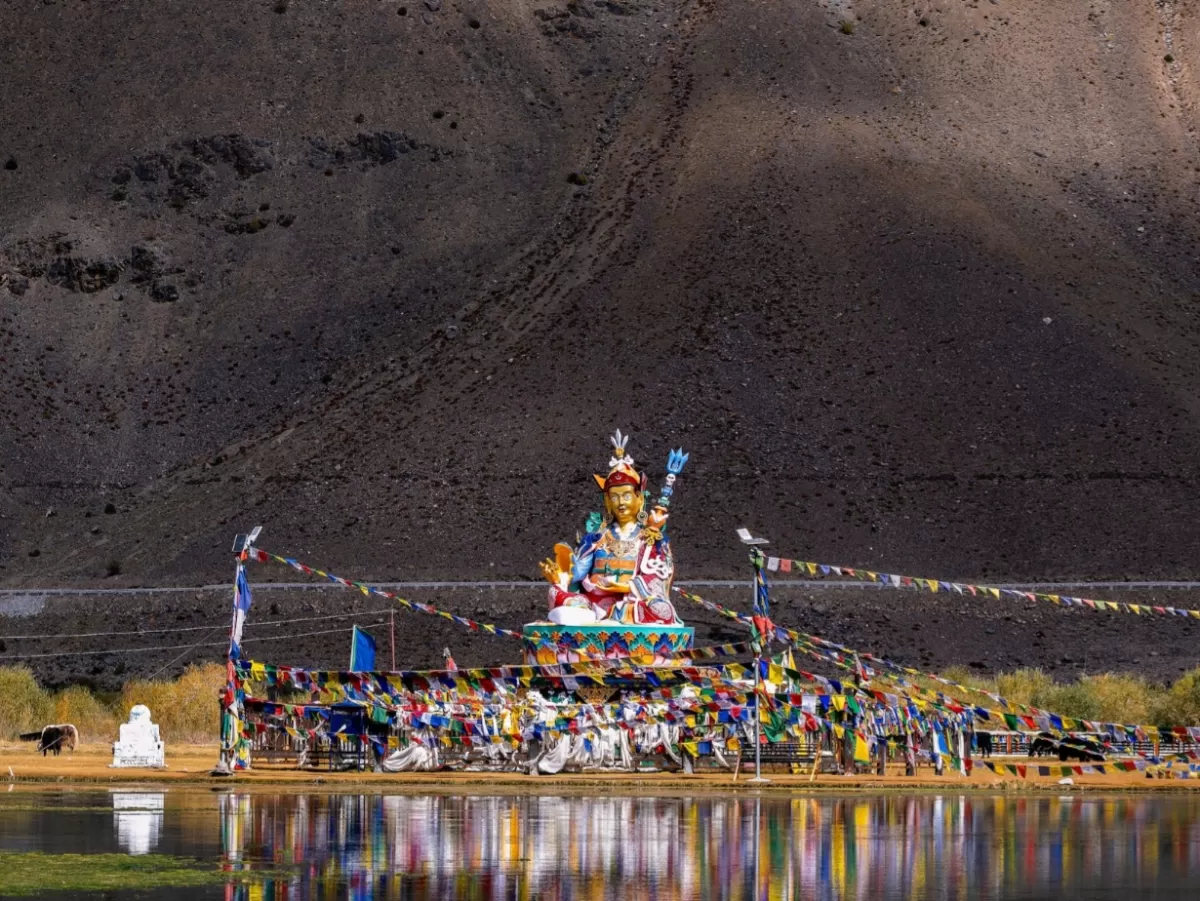
Sani Monastery Zanskar Ladakh India

Sani Monastery , Padum
Sani Monastery is located near Sani village, around 6 km from Padum in the Zanskar Valley of Ladakh. It is believed to be among the oldest monastic sites in the region, with origins linked to the Kushan period and later associations with Guru Padmasambhava. The monastery follows the Drukpa Kagyu school of Tibetan Buddhism and remains an active religious center for local communities. Unlike cliffside monasteries, Sani Monastery sits on flat land near the Sani River, making it easily accessible and culturally significant rather than visually dramatic.

Quick Facts About Sani Monastery

Quick Facts About Sani Monastery

Entry Fee Free
Timings 07:00 - 18:00
Altitude (m) 3650
Ideal Visit Duration (hrs) 1
Best Time of Day Morning
Crowd Level Low
Distance from Padum (km) 6
Walking Difficulty Easy
Parking Available Yes
Last Mile Access Road
Suitable for Kids Yes
Suitable for Seniors Yes
Wheelchair Friendly No

Why Visit Sani Monastery

Sani Monastery is visited for its age, continuity, and role in everyday religious life in Zanskar rather than for dramatic architecture. It offers insight into early Buddhist presence in the valley and remains a functioning monastery connected closely to nearby villages.

Atmosphere

The atmosphere is calm and grounded, shaped by daily prayers and local visitors rather than tourism. Being located on flat land near Sani village, the monastery feels integrated into community life, with monks, villagers, and travelers sharing the space without congestion.

What Makes It Special

What makes Sani Monastery distinct is its historical depth and accessibility. Believed to be among the oldest monastic sites in Zanskar, it is associated with early Buddhist traditions and Guru Padmasambhava. Unlike cliffside monasteries, its simple layout and open courtyards emphasize religious continuity over visual drama, making it an important spiritual landmark rather than a scenic viewpoint.

Origins and Spiritual Importance of Sani Monastery

Sani Monastery is regarded as one of the earliest Buddhist sites in the Zanskar region, with origins traditionally linked to the early spread of Buddhism in the western Himalayas. Local belief connects the site to Guru Padmasambhava, and the presence of an ancient stupa at the heart of the complex suggests religious activity here long before the present structures were established.

The monastery follows the Drukpa Kagyu lineage of Tibetan Buddhism and continues to function as a center for rituals and community gatherings. Rather than operating as a secluded monastic retreat, Sani Monastery plays an active role in the religious life of nearby villages, hosting prayers, ceremonies, and seasonal observances that draw local participation.

One of the most significant events associated with the monastery is the annual Sani Naro Nasjal festival, during which sacred masked dances are performed. This event reinforces the monastery’s ongoing spiritual relevance and reflects a living tradition that has been maintained through centuries of continuous practice rather than revival or reconstruction.

``

Best Time to Visit Sani Monastery

The best time to visit Sani Monastery is between late May and early October, when road access to Zanskar is open and weather conditions are stable. During this period, the monastery is active and easily accessible from Padum without travel disruptions.

June to September offers the most comfortable conditions, with moderate daytime temperatures and clear skies. Winter months bring extreme cold and road closures, making travel to the region difficult and often impossible.
  • Late May and June are quieter with fewer visitors and cooler temperatures
  • July and August coincide with the Sani Naro Nasjal festival, increasing local activity
  • September offers clear weather with fewer crowds after peak season
  • October sees rapid temperature drops and reduced services

How to Reach Sani Monastery

  • By Air: The nearest airport is Leh Airport. From Leh, travel by road to Kargil and then continue to Padum during the summer season.
  • By Road via Kargil: Sani Monastery is accessible by road from Kargil to Padum when roads are open, typically from late May to October. From Padum, the monastery is about 6 km away via a fully motorable road.
  • By Road via Manali: Seasonal access is possible via Manali, Darcha, Shinkula Pass, and Padum during peak summer months, subject to weather and road conditions.
  • Local Access: Taxis and private vehicles from Padum can reach the monastery directly. The approach does not require trekking.
  • Public Transport: Local shared taxis and occasional buses operate between Padum and nearby villages, but schedules are limited and irregular.

What to Expect When You Visit Sani Monastery

  • An active monastery where daily prayers and local religious practices continue without adjustment for visitors
  • A simple layout with open courtyards and prayer halls rather than dramatic cliffside structures
  • Frequent presence of local villagers, especially during prayer times and small ceremonies
  • Minimal signage or interpretation, with understanding gained through observation rather than displays
  • Basic facilities with no cafes, shops, or formal visitor services within the complex
  • A calm and uncrowded environment on most days, except during the annual festival period
  • High altitude conditions that may cause mild fatigue, especially for first time visitors to Zanskar

What to Expect When You Visit Sani Monastery

  • An active monastery where daily prayers and local religious practices continue without adjustment for visitors
  • A simple layout with open courtyards and prayer halls rather than dramatic cliffside structures
  • Frequent presence of local villagers, especially during prayer times and small ceremonies
  • Minimal signage or interpretation, with understanding gained through observation rather than displays
  • Basic facilities with no cafes, shops, or formal visitor services within the complex
  • A calm and uncrowded environment on most days, except during the annual festival period
  • High altitude conditions that may cause mild fatigue, especially for first time visitors to Zanskar

Photography and Viewpoints at Sani Monastery

  • The monastery is best photographed in the morning when soft light highlights the whitewashed walls and surrounding open landscape.
  • Wide open courtyards allow clear, unobstructed views of the main structures without crowd interference.
  • The ancient stupa at the center of the complex is a key photographic subject and should be approached respectfully.
  • Unlike cliffside monasteries, viewpoints here are ground level, focusing more on cultural context than dramatic elevation.
  • Photography inside prayer halls may be restricted, especially during active prayers or rituals.
  • Visitors should avoid photographing monks or local worshippers without clear permission.
  • Seasonal festivals provide opportunities to document ceremonial masks and dances, but photography rules may be enforced more strictly.
  • Tripods are generally manageable in open areas but should not obstruct movement or rituals.
``

Near By Attraction

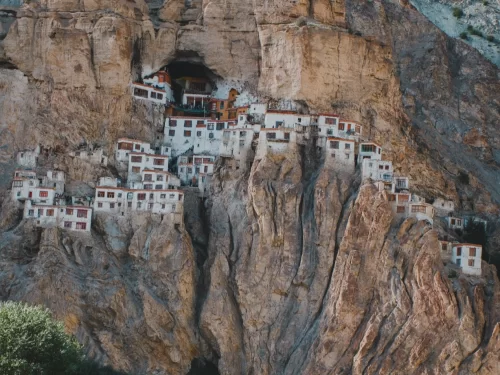
Zanskar Ladakh Phuktal Phugtal Gompa Buddhist cave monastery white buildings red roofs embedded rugged cliff cave entrance barren rocky Himalayan mountains landscape remote adventure trek pilgrimage tourism photography. Monastery

Phuktal Monastery

Phugtal Monastery is a remote cave monastery in the Zanskar region of Ladakh, built around a natural cave and known for its isolation and living Buddhist traditions.
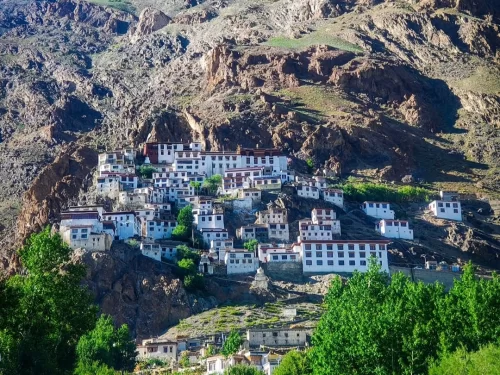
Karsha Monastery, largest Buddhist monastery in Zanskar Valley near Padum, Ladakh India. Monastery

Karsha Monastery

Karsha Monastery is a Tibetan Buddhist gompa and the largest and most important monastery in the Zanskar region of Ladakh, India.
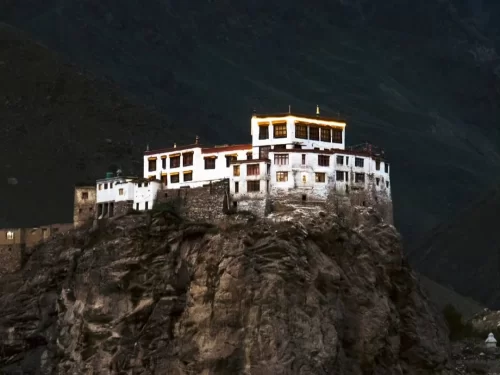
Bardan Monastery, ancient Buddhist monastery in Zanskar Valley near Padum, Ladakh India. Mountain

Bardan Monastery

Bardan Monastery is a historic 17th-century Buddhist monastery in the Zanskar Valley, known for its religious importance and remote Himalayan setting.

Frequently Asked Questions About Sani Monastery

Sani Monastery is located in Zanskar Valley near Padum and is one of the oldest religious sites in the region. It is built on relatively flat land along the river valley unlike many hilltop monasteries.
Sani Monastery is approximately 460 to 480 kilometers from Leh and the journey typically takes two days by road depending on route and weather conditions.
Travelers reach Sani Monastery by driving from Leh toward Kargil and then continuing into Zanskar Valley toward Padum. The monastery is easily accessible from the main road near Padum.
Visitors generally do not require a separate special permit specifically for Sani Monastery when traveling via the regular Zanskar route though checking current travel regulations is advisable.
Sani Monastery is usually open during daytime hours though exact visiting times may vary depending on monastic activities and local conditions.
The best time to visit Sani Monastery is between June and September when roads to Zanskar Valley are open and weather conditions are relatively stable.
Sani Monastery is generally not accessible during peak winter months because heavy snowfall blocks the passes connecting Zanskar to Leh.
Travelers typically spend 30 to 60 minutes exploring Sani Monastery including time to visit the prayer hall and walk around the courtyard.
Sani Monastery is comparatively easier to access than many other monasteries in Zanskar as it does not require steep climbing, making it more suitable for senior citizens.
There are no major food facilities at Sani Monastery itself though accommodation and small eateries are available in Padum nearby.
Road conditions toward Sani Monastery include paved sections mixed with rugged mountain stretches particularly across high altitude passes leading into Zanskar.
Sani Monastery is often combined with visits to Karsha Monastery Bardan Monastery and other Zanskar attractions as part of a multi day trip from Leh.

Loved this place ? Let’s Plan Your Ladakh Trip

Get customized Ladakh tour planning designed around altitude comfort, acclimatization time, weather windows, and real Himalayan road conditions. Whether you are visiting for high mountain passes, monasteries, lakes, or remote valley experiences, our exper

⚑ Quick Response | πŸ’° Free consultation | πŸ•’ 24Γ—7 expert support

×

Plan Your Trip