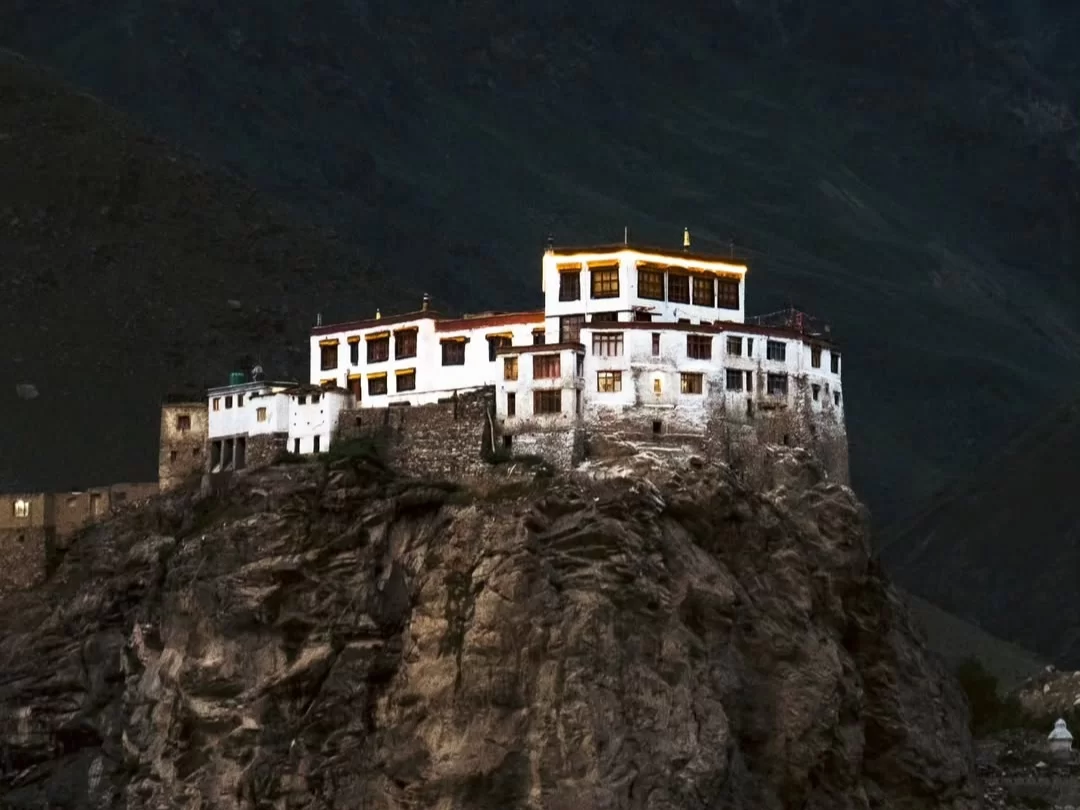
Bardan Monastery Zanskar | Bardan Gompa Near Padum Ladakh

Bardan Monastery , Padum
Bardan Monastery, also known as Bardan Gompa, is located in the Zanskar region of Ladakh near Padum. It belongs to the Gelug school of Tibetan Buddhism and was founded in the 17th century by Ngawang Namgyal. The monastery has long served as an important religious center for Zanskar, housing monks, prayer halls, and traditional Buddhist art. Due to its remote location and limited road access, Bardan Monastery receives fewer visitors compared to central Ladakh monasteries, making it a quiet and culturally significant stop for travelers exploring Zanskar.

Quick Facts About Bardan Monastery

Entry Fee Free
Timings 06:00 - 18:00
Altitude (m) 3600
Ideal Visit Duration (hrs) 1
Best Time of Day Morning
Crowd Level Low
Distance from Padum (km) 12
Walking Difficulty Moderate
Parking Available Yes
Last Mile Access Walk
Suitable for Kids Yes
Suitable for Seniors No
Wheelchair Friendly No

Why Visit Bardan Monastery

Bardan Monastery is worth visiting for travelers exploring Zanskar who want to understand the region’s living Buddhist traditions rather than crowded sightseeing spots. Its proximity to Padum makes it accessible, yet it remains quiet and rooted in daily monastic practice.

Atmosphere

The atmosphere at Bardan Monastery is calm and understated. Surrounded by open valley landscapes, the monastery feels functional rather than decorative, with monks engaged in routine prayers and study. There is little tourist movement, allowing visitors to experience the place without noise or commercial activity.

What Makes It Special

What makes Bardan Monastery special is its role as one of the important Gelugpa monasteries of the Zanskar region. Founded in the 17th century, it continues to serve local communities as an active religious center. Its simple architecture, traditional prayer halls, and continuity of practice reflect the practical and resilient character of Buddhism in Zanskar rather than grandeur or scale.

Historical and Religious Background of Bardan Monastery

Bardan Monastery was founded in the 17th century by Ngawang Namgyal, a prominent figure associated with the Gelug school of Tibetan Buddhism. Its establishment marked an important phase in the spread and consolidation of Gelugpa influence in the Zanskar Valley, particularly around Padum, which later became the administrative center of the region.

The monastery has historically functioned as a key religious institution for surrounding villages, supporting monastic education, ritual practice, and community ceremonies. Unlike monasteries built primarily as royal patronage projects, Bardan developed as a working monastic center closely tied to local life and seasonal rhythms.

Religiously, Bardan Monastery continues to operate as an active place of worship. Daily prayers, study sessions, and annual religious festivals are conducted by resident monks, maintaining traditions that have been passed down for generations. The prayer halls preserve traditional statues, thangkas, and murals representative of Gelugpa artistic and spiritual practices.

Its relative isolation and modest scale have helped preserve the monastery’s original character. Rather than architectural grandeur, Bardan’s importance lies in continuity of practice and its long-standing role in sustaining Buddhist life in the Zanskar region.

Best Time to Visit Bardan Monastery

The best time to visit Bardan Monastery is from late June to September, when the Zanskar Valley is accessible by road and weather conditions are stable enough for travel. During this period, the monastery can be visited comfortably during daylight hours, and surrounding routes from Padum remain open.

July and August are the most reliable months, with relatively warmer daytime temperatures and consistent road access. Even in peak summer, mornings and evenings can be cold due to the altitude, and sudden weather changes are possible.

From October onward, temperatures drop sharply and snowfall can cut off road access to Zanskar. Between November and May, the region is largely inaccessible by road, making visits to Bardan Monastery impractical for most travelers.
  • Late June offers fewer visitors but cooler temperatures
  • July and August provide the safest access and most predictable weather
  • September has clear skies and quiet surroundings with shorter daylight hours
  • Winter and early spring are not suitable due to road closures and extreme cold

How to Reach Bardan Monastery

  • Bardan Monastery is located around 12 km from Padum, the main town of the Zanskar Valley
  • The monastery is accessed by road from Padum, making it one of the more easily reachable monasteries in the region
  • Padum itself is reached from Kargil via the Kargil to Padum road, which is open only during the summer months
  • Another seasonal approach is via the Manali to Padum route through Shinku La, which is accessible in limited summer windows
  • No public transport directly serves the monastery; local taxis or private vehicles from Padum are used for the final approach
  • The road is generally motorable up to near the monastery, followed by a short walk
  • Road conditions can vary due to weather, with occasional landslides or rough patches
  • Fuel, repair, and medical facilities are available only in Padum, so planning ahead is essential

What to Expect When You Visit Bardan Monastery

  • A working Buddhist monastery where daily prayers and routine activities continue throughout the day
  • Simple prayer halls with traditional statues, thangkas, and wall paintings rather than ornate decoration
  • A quiet environment with very few visitors, allowing an unhurried and respectful visit
  • Open views of the surrounding Zanskar Valley, contributing to a calm and expansive setting
  • Basic facilities only, with no cafes, restrooms, or shops within the monastery complex
  • Short walks and steps within the complex, requiring moderate comfort with uneven ground
  • Cold mornings and evenings even in summer due to altitude
  • A visit best combined with other Padum area sites rather than as a standalone destination

Important Visitor Information for Bardan Monastery

  • Crowd and weather notes: Bardan Monastery remains lightly visited throughout the year, but weather in Zanskar can change quickly with sudden rain, wind, or temperature drops even in summer
  • Peak hours: Late morning to early afternoon when local activity and occasional visitors are present
  • Quiet hours: Early mornings and late afternoons are usually empty and offer a peaceful experience
  • Dress code: Modest clothing is required, covering shoulders and legs; warm layers are recommended due to cool temperatures
  • Safety notes: Paths and steps within the monastery can be uneven, requiring careful footing
  • Visitors should be mindful of altitude effects and move slowly if not fully acclimatized
  • There are no medical or emergency facilities at the site; Padum is the nearest support point
  • Silence and respectful behavior should be maintained during prayer times

Photography and Viewpoints at Bardan Monastery

  • The monastery’s elevated position offers clear views over the Zanskar Valley, suitable for wide landscape compositions
  • Late morning to early afternoon provides balanced light on monastery walls and surrounding terrain
  • The contrast between whitewashed structures, prayer flags, and rugged mountains creates strong visual depth
  • Interior photography inside prayer halls may be restricted; visitors should seek permission and avoid using flash
  • Cloud movement in the valley can change lighting conditions quickly, creating varied photographic opportunities
  • Tripods are useful for landscape shots but should be placed carefully on uneven ground
  • There are no marked viewpoints or platforms; all photography is done from natural vantage points around the complex
  • Drone photography is not appropriate due to religious sensitivity and local norms

Near By Attraction

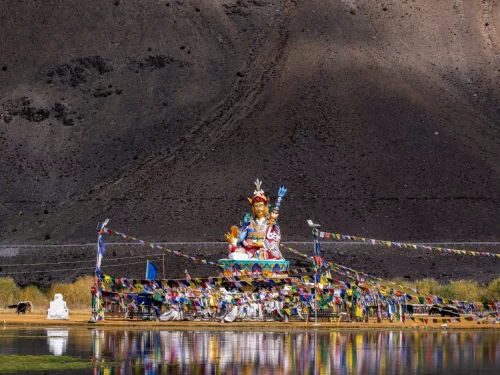
Guru Padmasambhava statue at Sani Lake near Padum village Zanskar Valley Ladakh during clear day, featuring prayer flags, motorcycles, barren mountain backdrop, perfect spiritual Zanskar tour package.  Monastery

Sani Monastery

Sani Monastery is one of the oldest Buddhist monasteries in the Zanskar region of Ladakh, closely associated with early Buddhist traditions and Padmasambhava.
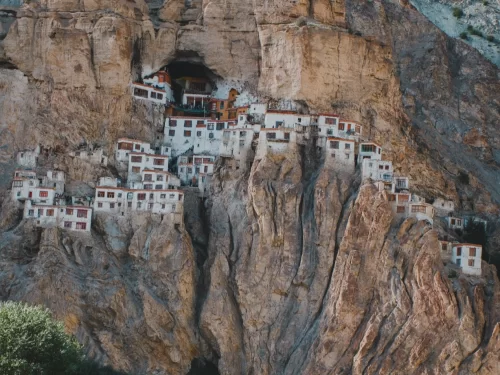
Zanskar Ladakh Phuktal Phugtal Gompa Buddhist cave monastery white buildings red roofs embedded rugged cliff cave entrance barren rocky Himalayan mountains landscape remote adventure trek pilgrimage tourism photography. Monastery

Phuktal Monastery

Phugtal Monastery is a remote cave monastery in the Zanskar region of Ladakh, built around a natural cave and known for its isolation and living Buddhist traditions.
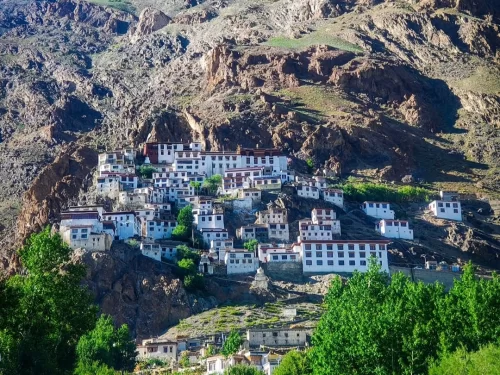
Karsha Monastery, largest Buddhist monastery in Zanskar Valley near Padum, Ladakh India. Monastery

Karsha Monastery

Karsha Monastery is a Tibetan Buddhist gompa and the largest and most important monastery in the Zanskar region of Ladakh, India.

Frequently Asked Questions About Bardan Monastery

Bardan Monastery is located in Zanskar Valley near Padum in the remote western part of Ladakh. It sits on a rocky hill overlooking the Stod River.
Bardan Monastery is approximately 460 to 480 kilometers from Leh and the journey usually takes two days by road depending on route and weather conditions.
Travelers reach Bardan Monastery by driving from Leh toward Kargil and then continuing into Zanskar Valley toward Padum. The route passes through high altitude mountain passes.
Visitors generally do not require a separate special permit specifically for Bardan Monastery when traveling via the Kargil Zanskar route though it is advisable to check current regulations before departure.
Bardan Monastery is usually open during daytime hours though exact visiting times may vary depending on monastic activities.
The best time to visit Bardan Monastery is between June and September when the road to Zanskar Valley is open and weather conditions are stable.
Bardan Monastery is generally not accessible during peak winter months because heavy snowfall closes the passes connecting Zanskar Valley to Leh.
Travelers typically spend 45 minutes to one hour exploring Bardan Monastery including time to visit prayer halls and enjoy views of the valley.
Bardan Monastery involves climbing steps and walking on uneven terrain so moderate physical effort is required. Senior citizens can visit if medically fit and moving carefully.
There are no major food facilities at Bardan Monastery itself though guesthouses and small hotels are available in Padum town nearby.
Road conditions toward Bardan Monastery include paved stretches mixed with rough and mountainous sections particularly across high passes. Weather can significantly affect travel time.
Bardan Monastery is commonly included in a multi day Zanskar Valley trip from Leh and is often combined with visits to Karsha Monastery and other monasteries in the region.

Loved this place ? Let’s Plan Your Ladakh Trip

Get customized Ladakh tour planning designed around altitude comfort, acclimatization time, weather windows, and real Himalayan road conditions. Whether you are visiting for high mountain passes, monasteries, lakes, or remote valley experiences, our exper

⚑ Quick Response | πŸ’° Free consultation | πŸ•’ 24Γ—7 expert support

×

Plan Your Trip