+91 9910402252
admin@chalbanjare.com


| Entry Fee | Free |
| Timings | 07:00 - 18:00 |
| Altitude (m) | 3660 |
| Ideal Visit Duration (hrs) | 2 |
| Best Time of Day | Morning |
| Crowd Level | Moderate |
| Distance from Padum (km) | 8 |
| Walking Difficulty | Moderate |
| Parking Available | Yes |
| Last Mile Access | Walk |
| Suitable for Kids | Yes |
| Suitable for Seniors | No |
| Wheelchair Friendly | No |
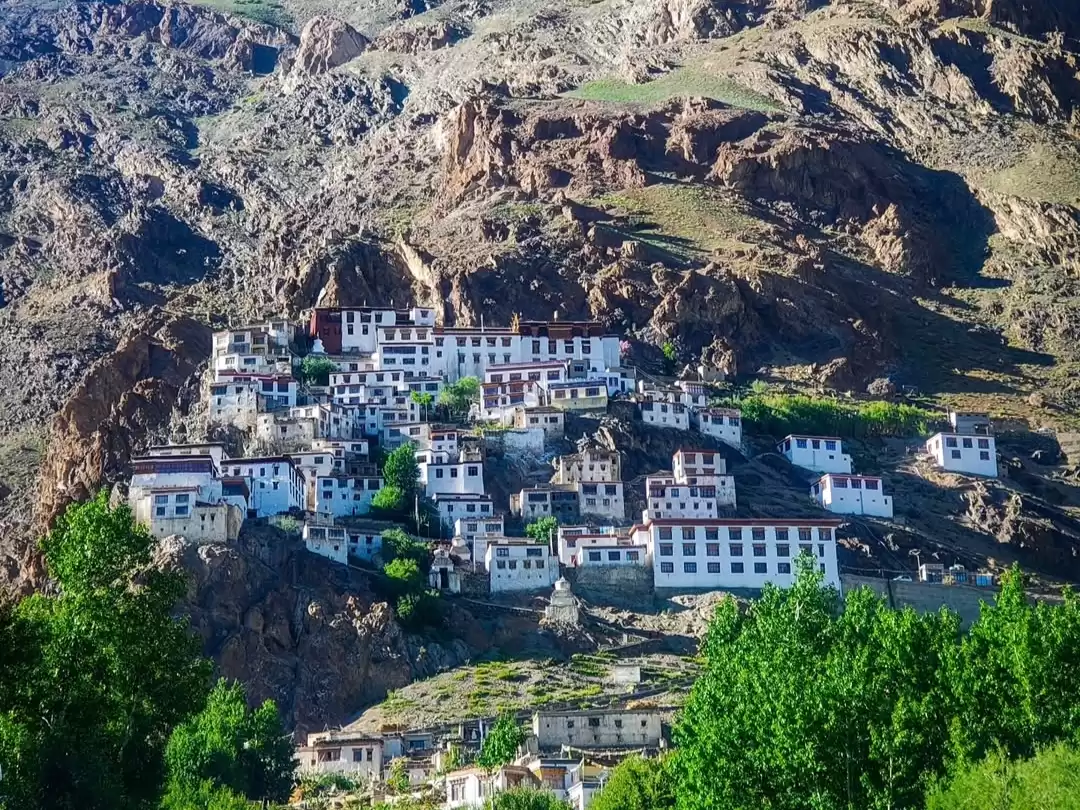
Karsha Monastery is visited not for convenience or spectacle, but for its role as the spiritual and cultural heart of Zanskar. It remains an active monastic institution, not a preserved monument, which allows travelers to observe real monastic life in one of the most remote inhabited valleys of Ladakh.
The atmosphere is quiet, expansive, and deeply grounded in daily routine. Prayer chants, the movement of resident monks, and the wind across the valley dominate the experience rather than tourist activity. Outside peak season, the monastery feels largely untouched, with long stretches of silence broken only by bells or prayers.
What distinguishes Karsha Monastery is its scale and continuity. As the largest monastery in Zanskar, it functions as a center for learning, ceremonies, and community life. Its hilltop placement above the confluence of rivers provides a commanding view of the valley, while its ancient murals and temples reflect centuries of uninterrupted Buddhist practice rather than restoration-driven preservation.
Karsha Monastery was founded in the 10th century by the Tibetan translator Phagspa Shesrab, a disciple associated with the early spread of Buddhism in the Zanskar region. Over centuries, it developed as the principal monastic institution of Zanskar and later became affiliated with the Gelug school of Tibetan Buddhism. Its long continuity reflects the region’s relative isolation, which helped preserve traditional monastic systems without major external disruption.
The monastery holds strong religious importance for local communities, serving as a center for education, seasonal rituals, and major ceremonies. It houses ancient prayer halls, stupas, and wall paintings that are still actively used rather than preserved solely as heritage artifacts. Annual festivals and prayer gatherings continue to follow traditional calendars, reinforcing its role as a living religious institution rather than a historical relic.
Karsha Monastery is also closely linked to the spiritual identity of Zanskar. Many local families maintain generational ties to the monastery through monastic education, donations, and participation in rituals. This ongoing relationship between the monastery and surrounding villages gives Karsha its lasting relevance in everyday religious life across the valley.
The best time to visit Karsha Monastery is between late May and early October, when road access to Zanskar is open and weather conditions are manageable. During these months, the monastery is fully active, and visitors can experience daily prayers, monastic routines, and clear views of the Padum Valley. Outside this window, heavy snowfall and road closures make travel difficult and unpredictable.
July to September offers the most stable conditions, with warmer daytime temperatures and reliable connectivity from Kargil or Manali routes. This period also coincides with the peak travel season in Zanskar, which means more visitors but better access to basic services and accommodations in Padum.
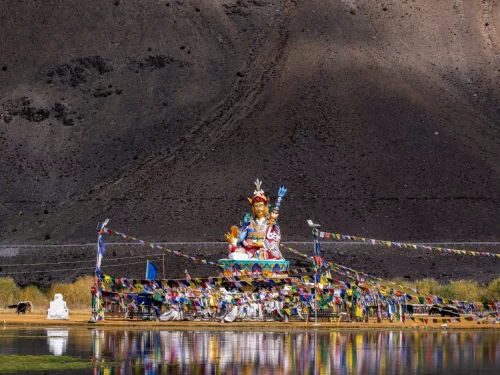 Monastery
Sani Monastery is one of the oldest Buddhist monasteries in the Zanskar region of Ladakh, closely associated with early Buddhist traditions and Padmasambhava.
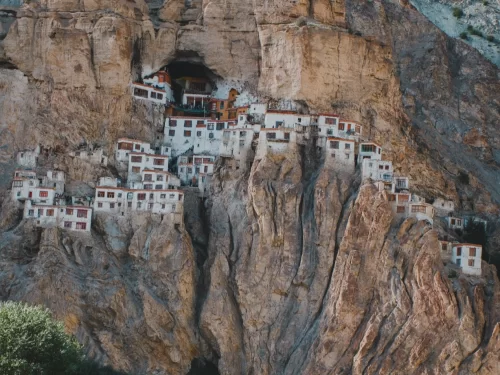 Monastery
Phugtal Monastery is a remote cave monastery in the Zanskar region of Ladakh, built around a natural cave and known for its isolation and living Buddhist traditions.
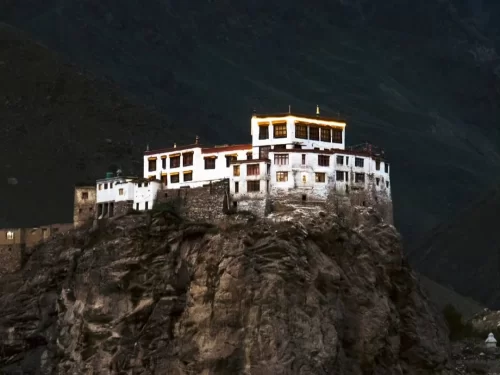 Mountain
Bardan Monastery is a historic 17th-century Buddhist monastery in the Zanskar Valley, known for its religious importance and remote Himalayan setting.
Get customized Ladakh tour planning designed around altitude comfort, acclimatization time, weather windows, and real Himalayan road conditions. Whether you are visiting for high mountain passes, monasteries, lakes, or remote valley experiences, our exper
⚡ Quick Response | 💰 Free consultation | 🕒 24×7 expert support

