+91 9910402252
admin@chalbanjare.com


| Entry Fee | Free |
| Timings | 07:00 - 18:00 |
| Altitude (m) | 3300 |
| Ideal Visit Duration (hrs) | 1 |
| Best Time of Day | Morning |
| Crowd Level | Low |
| Distance from Leh (km) | 20 |
| Walking Difficulty | Moderate |
| Parking Available | Yes |
| Last Mile Access | Walk |
| Suitable for Kids | Yes |
| Suitable for Seniors | No |
| Wheelchair Friendly | No |
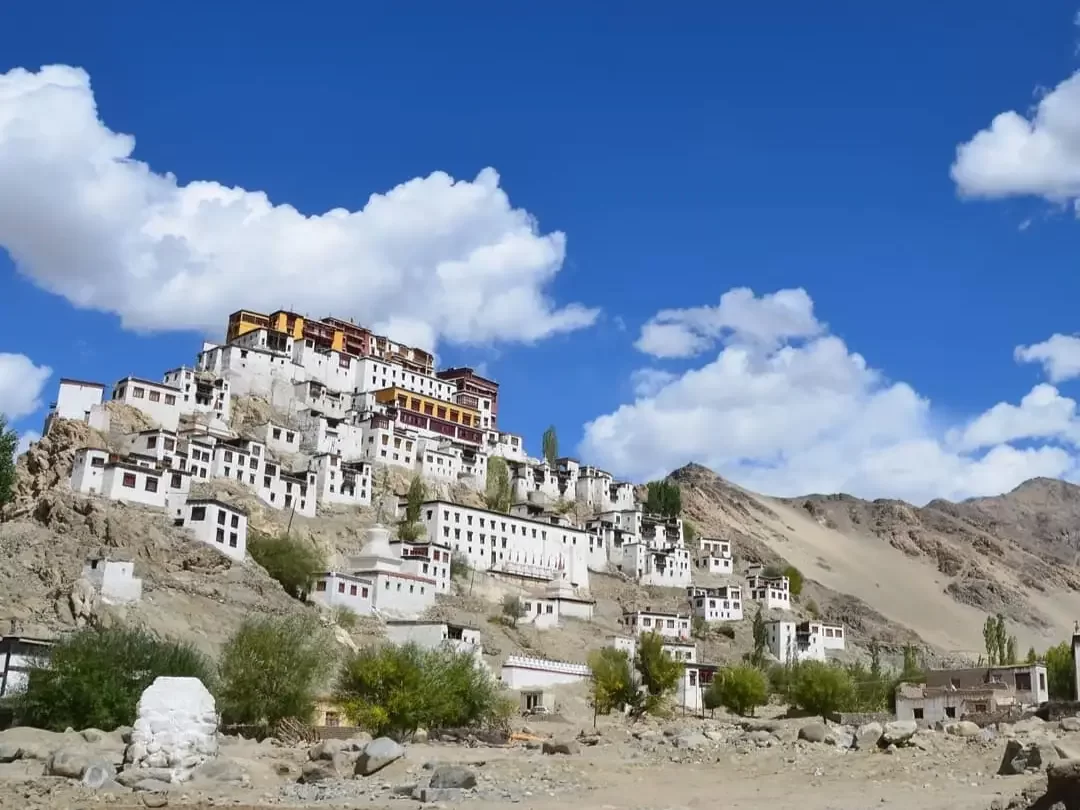
Rizong Monastery is visited by travelers who want to see an uncompromising example of monastic discipline in Ladakh. Unlike well known monasteries built for visibility or pilgrimage scale, Rizong represents a withdrawn and practice focused Buddhist life. The visit is meaningful for those interested in how monks live, study, and practice away from public exposure.
The atmosphere at Rizong Monastery is austere and quiet. The monastery sits in a narrow valley with rocky slopes enclosing the complex, creating a feeling of separation from surrounding villages and roads. Silence is a defining feature, broken only by prayer chants or wind. Visitors are few, and movement inside the complex is slow and deliberate.
Rizong Monastery is known for its strict adherence to Gelugpa monastic rules, including limited interaction with outsiders and a strong focus on meditation and discipline. The architecture is simple and functional, reflecting its purpose as a training and retreat center rather than a display monastery. Its isolation, combined with active daily practice, makes Rizong one of the most authentic examples of traditional monastic life near Leh.
Rizong Monastery was founded in 1831 by Lama Tsultim Nima and developed as a center of strict monastic training within the Gelugpa school of Tibetan Buddhism. From its beginning, the monastery was intended as a place of discipline, retreat, and focused study rather than public worship or pilgrimage. Its secluded valley location was deliberately chosen to minimize outside contact and distractions.
The monastery is known for enforcing rigorous monastic rules, including limited interaction with lay visitors and a strong emphasis on meditation, ethical conduct, and scriptural study. Rizong is also associated with the nearby Julichen nunnery, which supports women following a similarly disciplined spiritual path. The continued observance of these practices gives the monastery its enduring importance as a living center of Buddhist training rather than a historical monument.
Rizong Monastery can be visited during most of the Ladakh travel season, but timing matters because the monastery follows a strict daily routine and remains intentionally quiet. Choosing the right period ensures respectful access and a calmer experience.
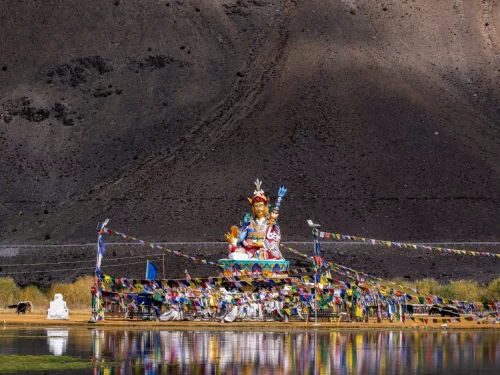 Monastery
Sani Monastery is one of the oldest Buddhist monasteries in the Zanskar region of Ladakh, closely associated with early Buddhist traditions and Padmasambhava.
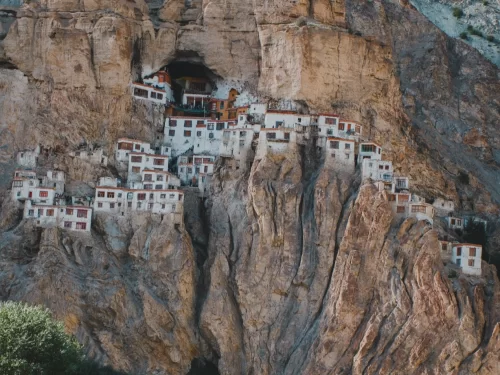 Monastery
Phugtal Monastery is a remote cave monastery in the Zanskar region of Ladakh, built around a natural cave and known for its isolation and living Buddhist traditions.
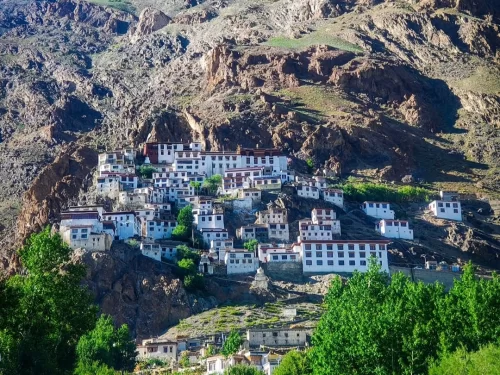 Monastery
Karsha Monastery is a Tibetan Buddhist gompa and the largest and most important monastery in the Zanskar region of Ladakh, India.
Get customized Ladakh tour planning designed around altitude comfort, acclimatization time, weather windows, and real Himalayan road conditions. Whether you are visiting for high mountain passes, monasteries, lakes, or remote valley experiences, our exper
⚡ Quick Response | 💰 Free consultation | 🕒 24×7 expert support