+91 9910402252
admin@chalbanjare.com


| Entry Fee | Free |
| Timings | 06:00 - 18:00 |
| Altitude (m) | 4400 |
| Ideal Visit Duration (hrs) | 1 |
| Best Time of Day | Morning |
| Crowd Level | Low |
| Distance from Leh (km) | 170 |
| Walking Difficulty | Moderate |
| Parking Available | No |
| Last Mile Access | Road |
| Suitable for Kids | No |
| Suitable for Seniors | No |
| Wheelchair Friendly | No |
| Entry Fee | No entry fee |
|---|---|
| Timings | Open throughout the day; best visited during daylight hours |
| Altitude (m) | Approximately 4400 meters above sea level |
| Ideal Visit Duration | 30 to 60 minutes |
| Best Time of Day | Late morning to early afternoon for visibility and warmth |
| Crowd Level | Low; mostly visited by offbeat travelers and photographers |
| Distance from City Centre (km) | Approximately 170 km from Leh town |
| Walking Difficulty | Easy to moderate; uneven and marshy ground in some sections |
| Parking Available | Informal roadside parking available near viewing areas |
| Last Mile Access | Motorable road; final stretch may be rough depending on weather |
| Suitable for Kids | Limited; high altitude and lack of facilities require caution |
| Suitable for Seniors | Not recommended unless well acclimatized and medically fit |
| Wheelchair Friendly | No; uneven terrain and lack of infrastructure |
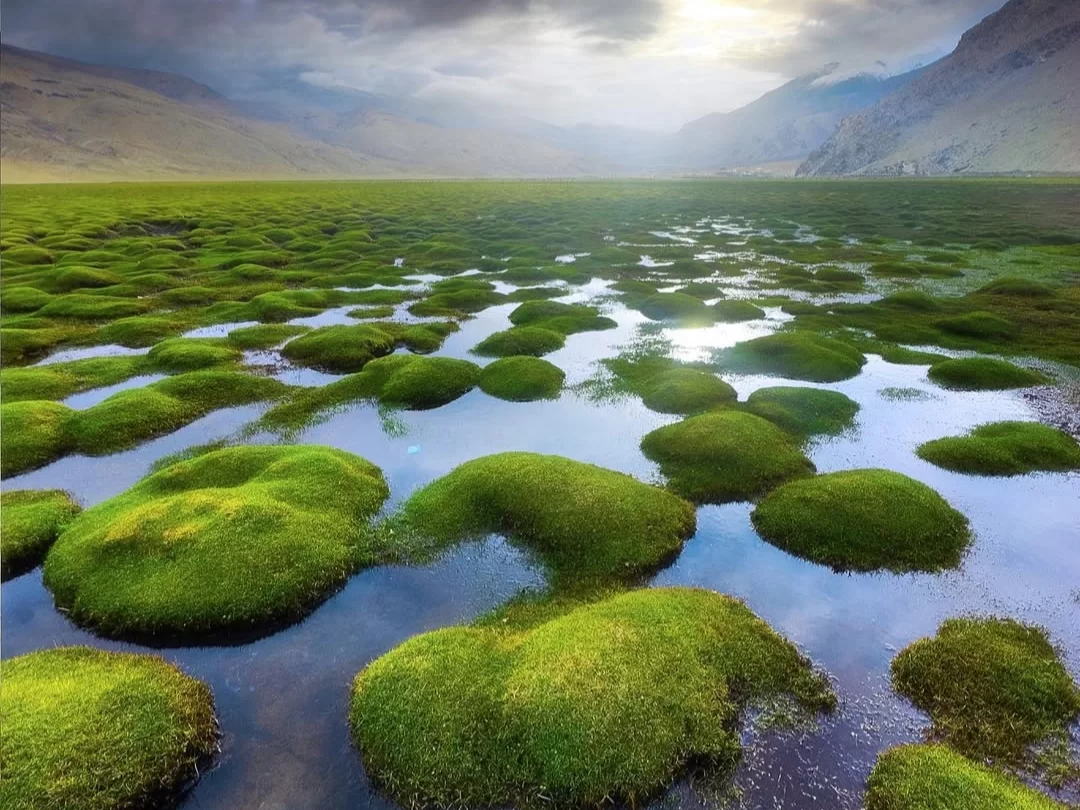
Puga Valley does not have a recorded human or dynastic history in the conventional sense. Its significance comes from geology rather than settlements, monuments, or religious traditions. The valley lies within an active geothermal zone formed by tectonic activity along the Indian and Eurasian plate boundary, which defines much of Ladakh’s landscape.
For decades, Puga Valley has been studied by geologists and energy researchers due to its visible geothermal features such as steaming ground, sulfur deposits, and hot springs. During the late 20th century, the area was identified as one of India’s most promising sites for geothermal energy potential, leading to scientific surveys and pilot studies rather than tourism-driven development.
Local pastoral communities historically used the valley only seasonally, mainly for grazing livestock, as the harsh climate, marshy terrain, and lack of fresh water made permanent habitation impractical. Even today, the area remains largely untouched by construction, preserving its raw, natural state.
Puga Valley’s importance today is scientific and environmental rather than cultural. It represents a rare natural laboratory where visitors can observe geothermal processes in an open Himalayan landscape, making it valuable for education, research, and responsible offbeat travel.
The best time to visit Puga Valley is from late May to early October, when high-altitude roads in eastern Ladakh are generally accessible and weather conditions are relatively stable. During this period, daytime temperatures allow short outdoor exploration without prolonged exposure to extreme cold, and visibility is usually clear enough to observe the valley’s geothermal features.
June to September is considered the most practical window for most travelers. Snow has melted from approach roads, and river crossings along the route are manageable. However, even in peak summer, Puga Valley remains cold and windy due to its elevation, and sudden weather changes are common.
October marks the start of rapid temperature drops, and early snowfall can block access roads without notice. From November to April, the valley is largely inaccessible because of heavy snow, frozen ground, and closed mountain passes, making travel unsafe and unreliable.
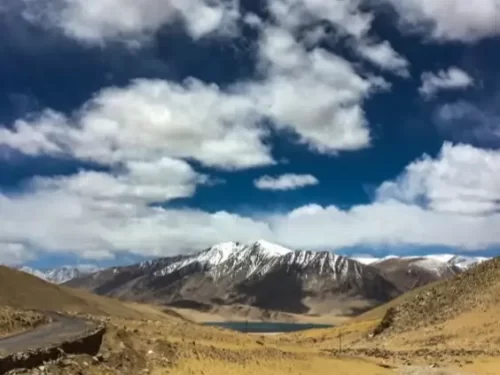 Mountain Pass
Namashang La is a high-altitude mountain pass situated at an elevation of approximately 4,960 meters (16,273 feet) in the Leh district of Ladakh.
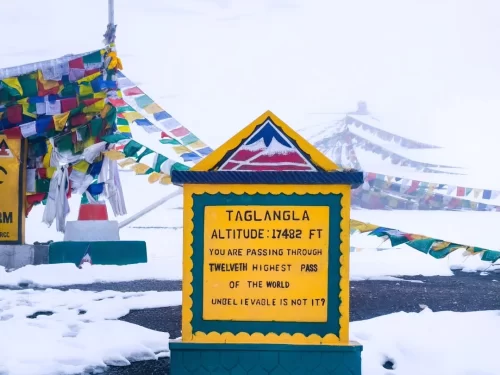 Mountain Pass
Tanglang La is a high-altitude mountain pass situated at an elevation of approximately 5,328 meters (17,480 feet) in the Ladakh region, often cited as the second-highest motorable pass on the Manali-Leh Highway.
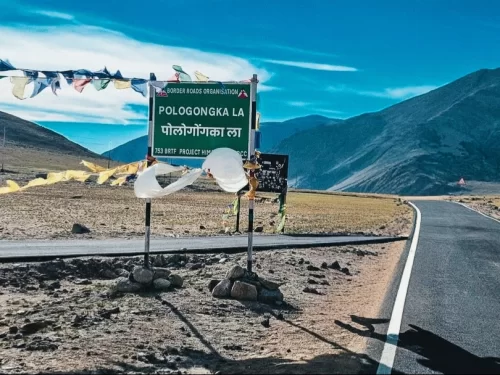 Mountain Pass
Pologongka La is a mountain pass situated at an elevation of approximately 4,940 meters (16,207 feet) in the Leh district of Ladakh.
Get customized Ladakh tour planning designed around altitude comfort, acclimatization time, weather windows, and real Himalayan road conditions. Whether you are visiting for high mountain passes, monasteries, lakes, or remote valley experiences, our exper
⚡ Quick Response | 💰 Free consultation | 🕒 24×7 expert support

