+91 9910402252
admin@chalbanjare.com


| Entry Fee (INR) | 30 |
| Timings | 07:00 - 18:00 |
| Altitude (m) | 3600 |
| Ideal Visit Duration (hrs) | 1 |
| Best Time of Day | Morning |
| Crowd Level | Low |
| Distance from Leh (km) | 15 |
| Walking Difficulty | Moderate |
| Parking Available | Yes |
| Last Mile Access | Walk |
| Suitable for Kids | Yes |
| Suitable for Seniors | No |
| Wheelchair Friendly | No |
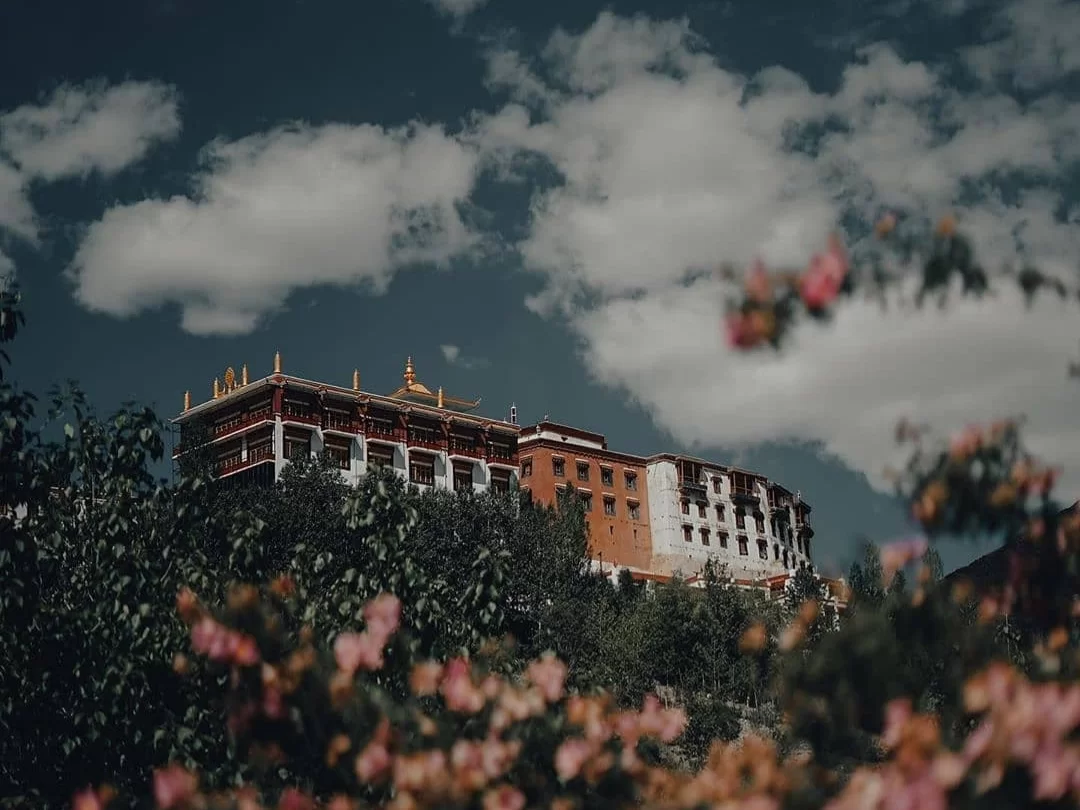
Phyang Monastery is best suited for travelers who want to explore a working Buddhist monastery without the crowds found at larger sites near Leh. The visit offers insight into everyday monastic life of the Gelugpa school rather than a curated tourist experience. It appeals to those interested in Ladakh religious traditions, architecture, and quieter locations close to Leh.
The atmosphere at Phyang Monastery is calm and understated. Its elevated position above Phyang village provides open views of the surrounding landscape, while the interior spaces remain silent and functional. Monks can often be seen moving between prayer halls and residential areas, and visitor flow is usually light, allowing for unhurried exploration.
Phyang Monastery is known for its strong association with the Gelugpa tradition and its annual Phyang Tsedup festival, where masked cham dances are performed as part of active religious practice. The monastery houses well-maintained prayer halls, traditional wall paintings, and statues that are still used during rituals. Its proximity to Leh combined with low visitor numbers makes it a practical yet culturally authentic stop.
Phyang Monastery was established in the early 16th century and is one of the oldest monasteries in the Leh region. It was founded under the patronage of King Tashi Namgyal and later developed as an important center of the Gelugpa school of Tibetan Buddhism. The monastery has evolved over centuries, with prayer halls and residential areas added gradually to support a growing monastic community.
The monastery continues to function as an active religious institution rather than a preserved heritage site. Daily prayers, seasonal rituals, and monastic training are still practiced here. Phyang Monastery is especially known for the Phyang Tsedup festival, during which cham mask dances are performed by monks as part of religious observance. Sacred statues, thangkas, and murals inside the monastery are integral to worship and teaching, reflecting living Buddhist traditions that remain central to local community life.
Phyang Monastery can be visited year round, but the overall experience depends on weather conditions, road accessibility, and local religious activity. Choosing the right season helps ensure comfortable travel and better understanding of monastic life.
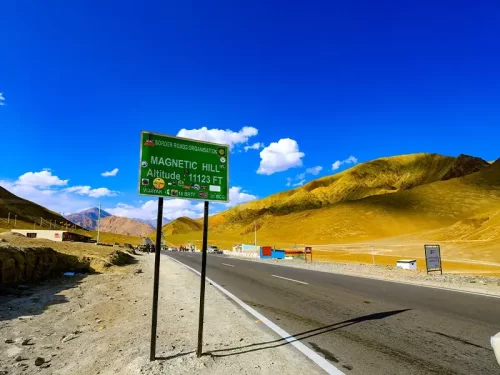 Tourist Attraction
Magnetic Hill is a gravity hill located at an elevation of approximately 3,350 meters (10,991 feet) on the Leh-Srinagar National Highway.
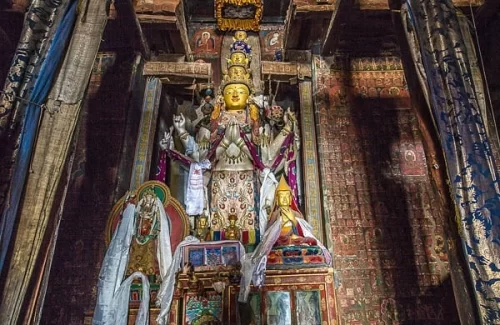 Monastery
Alchi Monastery is a historic Buddhist temple complex situated at an elevation of approximately 3,100 meters (10,170 feet) on the southern bank of the Indus River.
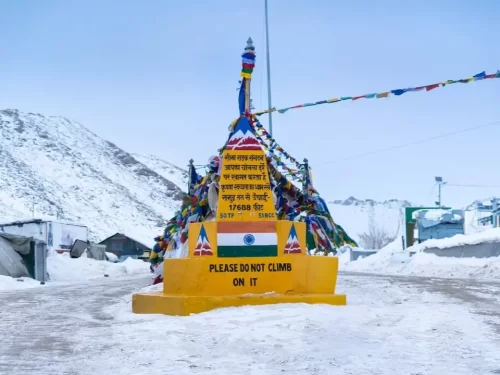 Mountain Pass
Chang La is a high-altitude mountain pass situated at an elevation of approximately 5,360 meters (17,585 feet) on the road between Leh and Pangong Tso.
Get customized Ladakh tour planning designed around altitude comfort, acclimatization time, weather windows, and real Himalayan road conditions. Whether you are visiting for high mountain passes, monasteries, lakes, or remote valley experiences, our exper
⚡ Quick Response | 💰 Free consultation | 🕒 24×7 expert support

