+91 9910402252
admin@chalbanjare.com


| Entry Fee | Free |
| Timings | 08:00 - 17:00 |
| Altitude (m) | 3700 |
| Ideal Visit Duration (hrs) | 1 |
| Best Time of Day | Morning |
| Crowd Level | Low |
| Distance from Leh (km) | 2 |
| Walking Difficulty | Hard |
| Parking Available | Yes |
| Last Mile Access | Road |
| Suitable for Kids | Yes |
| Suitable for Seniors | No |
| Wheelchair Friendly | No |
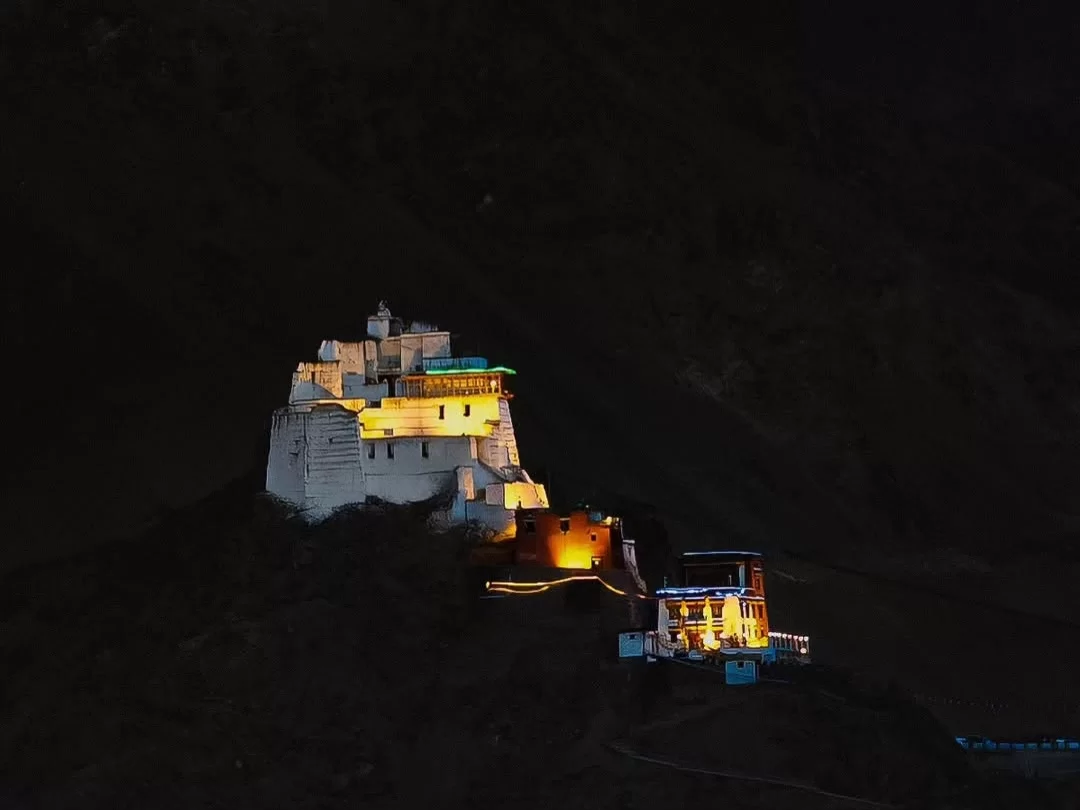
Namgyal Tsemo Monastery feels remote and exposed due to its hilltop position above Leh. The atmosphere is quiet and windswept, with long stretches of silence broken only by wind and distant town noise below. Because it is not a regularly active monastery, there are usually no monks present, which gives the place a stark, contemplative feel rather than a lived-in religious environment. Weather changes quickly here, and strong winds are common.
The main draw of Namgyal Tsemo Monastery is its location. From the hilltop, visitors get wide, unobstructed views of Leh town, the surrounding mountains, and parts of the Indus Valley. The monastery also houses a large statue of Maitreya Buddha, which adds religious significance despite the site being mostly inactive. Its historical link to the early Namgyal rulers and its strategic vantage point make it more meaningful for travelers interested in Ladakh's early political and religious landscape rather than active monastic life.
Namgyal Tsemo Monastery was built in the early 15th century during the reign of King Tashi Namgyal, one of the early rulers of Ladakh. It was constructed as part of a larger fortification system on the hilltop, which explains its strategic location overlooking Leh and the surrounding valleys. The site originally served both religious and defensive purposes.
The monastery is known for housing a large three storey statue of Maitreya Buddha, installed to symbolize protection of Leh and peace in the region. Unlike many monasteries that evolved into active religious centers, Namgyal Tsemo gradually lost its residential function as political and monastic centers shifted elsewhere in Leh.
Today, the structure stands mainly as a historical and religious landmark rather than an active monastery. Its significance lies in its connection to the early Namgyal dynasty and in offering insight into how religious sites were once integrated with the defense and governance of Ladakh.
The best time to visit Namgyal Tsemo Monastery is from May to September, when Leh is accessible and weather conditions are stable. During these months, the access road remains clear, and visibility from the hilltop is usually good. Even in summer, temperatures can feel cooler at this elevation, especially when wind picks up.
Visits outside the main season can be challenging. From October onward, cold temperatures and strong winds make the site uncomfortable, and winter snow can block or damage the steep access road. Spring in April can be quiet but still unpredictable due to lingering cold and poor road conditions.
 Tourist Attraction
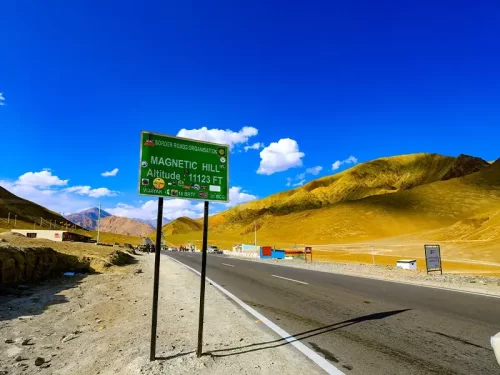
Magnetic Hill is a gravity hill located at an elevation of approximately 3,350 meters (10,991 feet) on the Leh-Srinagar National Highway.
 Monastery
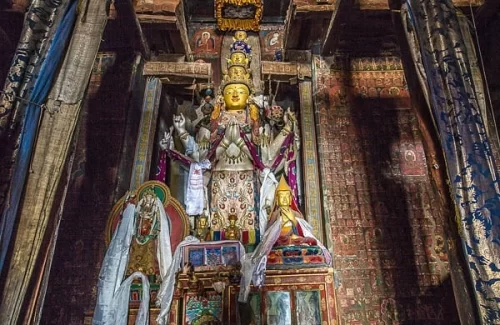
Alchi Monastery is a historic Buddhist temple complex situated at an elevation of approximately 3,100 meters (10,170 feet) on the southern bank of the Indus River.
 Mountain Pass
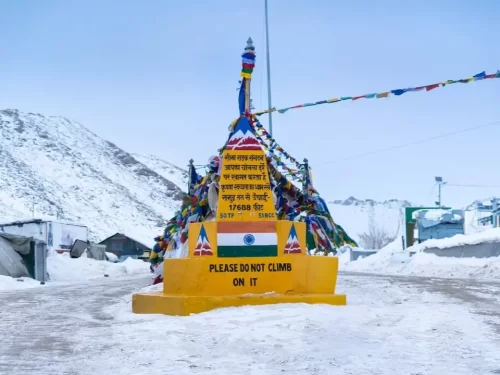
Chang La is a high-altitude mountain pass situated at an elevation of approximately 5,360 meters (17,585 feet) on the road between Leh and Pangong Tso.
Get customized Ladakh tour planning designed around altitude comfort, acclimatization time, weather windows, and real Himalayan road conditions. Whether you are visiting for high mountain passes, monasteries, lakes, or remote valley experiences, our exper
⚡ Quick Response | 💰 Free consultation | 🕒 24×7 expert support

