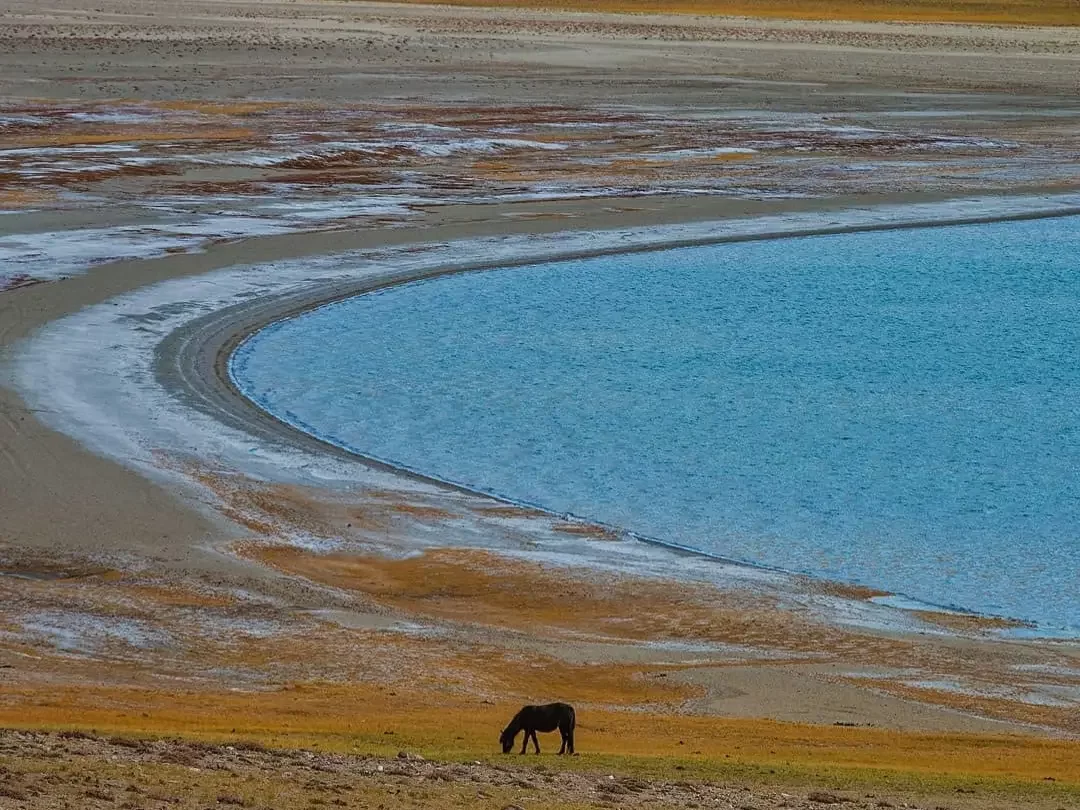
Quick Facts About Kyagar Tso
| Entry Fee |
Free |
| Timings |
06:00 - 18:00 |
| Altitude (m) |
4705 |
| Ideal Visit Duration (hrs) |
1 |
| Best Time of Day |
Morning |
| Crowd Level |
Low |
| Distance from Leh (km) |
185 |
| Walking Difficulty |
Easy |
| Parking Available |
Yes |
| Last Mile Access |
Road |
| Suitable for Kids |
Yes |
| Suitable for Seniors |
Yes |
| Wheelchair Friendly |
No |
Why Visit Kyagar Tso
Atmosphere The atmosphere at Kyagar Tso is defined by its raw, unfiltered silence and a sense of being on the very edge of the world. Located at a staggering 4,705 meters, it is higher and significantly more secluded than its famous neighbors, Pangong or Tso Moriri. The air is piercingly cold, even under a bright sun, and the wind across the Rupshu Valley creates a constant, low whistle. Visitors often describe a feeling of deep humility here; there are no commercial stalls, no noise, and often no other humans for miles. It is a landscape of stark contrasts, where the intense turquoise water meets a backdrop of barren, ochre-colored mountains, creating a scene that feels almost extraterrestrial.
What Makes it Special What makes Kyagar Tso special is its status as a "hidden" brackish lake that most travelers only see as a fleeting blue flash through a car window on the way to Tso Moriri. Unlike the larger lakes that have designated "tourist points," Kyagar Tso remains an authentic wilderness sanctuary. It is a critical stop for the Changpa nomads who graze their pashmina goats on the surrounding salty grasslands. Ecologically, it is one of the most reliable spots to observe the Kiang (Tibetan Wild Ass) in their natural state, often grazing right near the water's edge. Its small size allows the water to stay remarkably still, acting as a giant high-altitude mirror that reflects the Himalayan peaks with a clarity that larger, wind-chopped lakes cannot match.
Meta Title: Kyagar Tso Ladakh Guide | Why Visit & What Makes it Special Meta Keywords: Kyagar Tso, Kyagar Lake Ladakh, Rupshu Valley, Kiang wildlife Ladakh, high altitude lakes India, Kyagar Tso atmosphere Meta Description: Discover why Kyagar Tso is Ladakh's best-kept secret. Explore its unique turquoise waters, nomadic history, and raw high-altitude atmosphere.
History and Cultural Significance of Kyagar Tso
Kyagar Tso is a small, high-altitude brackish lake located in the Rupshu Valley at an elevation of approximately 4,705 meters. While it lacks the large-scale monastic infrastructure of other Ladakhi landmarks, its significance is deeply rooted in the migratory patterns of the Changpa nomads and the ancient logistics of the region. It serves as a vital staging point for nomadic herders moving between the pastures of Tso Kar and the larger Tso Moriri lake.
The historical importance of Kyagar Tso is primarily functional. It has served for centuries as a crucial watering hole and campsite for the caravans traversing the remote plateau. The lake acts as a geographical marker on the traditional route used by salt traders and pashmina wool producers who navigate the high-altitude desert. Because the water is brackish, it is less suitable for human consumption but remains essential for the hardy livestock—yaks and pashmina goats—that form the backbone of the local economy.
- Nomadic Encampments: The shores of Kyagar Tso are frequently used by the Changpa nomads for temporary summer camps (Rebo). Their presence here is a living history, maintaining a lifestyle that has adapted to the high-altitude environment over a millennium.
- Spiritual Offerings: Small stone cairns and prayer flags (Lhatos) are often found on the ridges overlooking the lake. These are placed by travelers and nomads to appease local spirits and seek protection for their livestock against the harsh elements and predators like the Tibetan Wolf.
- Caravan Rest Point: Historically, the lake provided a necessary break for traders before tackling the final stretch toward the settlement of Karzok. It remains a site where the relationship between the land and the nomadic survival strategy is most visible.
Best Time to Visit Kyagar Tso
Kyagar Tso is a small, high-altitude brackish lake located at an elevation of approximately 4,700 meters in the Ladakh region, situated along the route to the larger Tso Moriri. Because of its extreme elevation and exposed location on the Rupshu Plateau, the window for visiting is narrow. Timing your visit is essential not just for aesthetics, but for physical safety regarding road accessibility and extreme cold.
- Peak Season (June to August): This is the most viable time to visit. The roads from Leh via the Namshang La pass are generally clear of snow. Daytime temperatures are manageable, hovering between 10C and 20C, though the wind chill remains high. The water displays its most vibrant turquoise hues during these months.
- Shoulder Season (September to October): Late September offers exceptional clarity and deep blue skies, but temperatures at Kyagar Tso drop significantly faster than in Leh. By October, the lake begins to freeze at the edges, and night temperatures regularly fall well below -10C.
- Winter (November to April): Travel is not recommended for standard tourists. The lake freezes solid, and the surrounding plateau becomes an arctic desert. While the road is technically maintained for military use, the extreme risk of AMS (Acute Mountain Sickness) combined with sub-zero daytime temperatures and the lack of nearby rescue facilities makes it hazardous.
- Early Summer (May): The ice begins to break, but the ground can be extremely marshy. Roads may still be subject to temporary closures due to late-season snow on the passes.
For real-world planning, travelers should aim for the morning hours between 10:00 AM and 2:00 PM. After 2:00 PM, the winds across the Rupshu Plains become incredibly violent, making it difficult to stand near the lakeshore. For photographers, the "golden hour" in mid-September provides the most accurate color representation of the surrounding iron-rich mountains reflecting in the brackish water.
How to Reach Kyagar Tso
Kyagar Tso is a small, high-altitude saline lake situated at an elevation of approximately 4,705 meters (15,433 feet). It serves as a significant landmark on the route to the larger Tso Moriri lake. Located in the Rupshu Valley, it is often missed by travelers who rush past it, yet it offers some of the most accessible wildlife sightings in the region, particularly of the Tibetan Wild Ass (Kiang).
By Road from Leh
- Primary Route: The standard path is Leh - Karu - Upshi - Chumathang - Mahe Bridge - Kyagar Tso.
- Distance and Time: The lake is located about 190 kilometers from Leh. The journey typically takes 6 to 7 hours depending on the road conditions near the Mahe Bridge and the Puga valley turn-off.
- The Approach: Kyagar Tso sits right next to the main road connecting the Mahe check post to Karzok (Tso Moriri). You do not need to take a major detour; the road literally skirts the eastern edge of the lake.
Connection from Tso Kar
- The Backcountry Route: For those coming from Tso Kar, there is a rougher, more remote track via Polo Kongka La pass (4,970 meters) that connects the Tso Kar basin to the Puga Valley and then onto Kyagar Tso.
- Navigation: This route is significantly more rugged than the Leh-Chumathang highway and is recommended only for high-clearance 4x4 vehicles. It offers spectacular views of the sulphur springs at Puga before reaching the lake.
Transport and Logistics
- Private Vehicles: Most travelers reach Kyagar Tso via a hired taxi from Leh as part of a 2-day or 3-day Tso Moriri circuit. Ensure your driver is willing to stop, as many treat this only as a transit point.
- Self-Drive and Biking: This is a popular route for adventure motorcyclists. Be wary of the "sinking sands" near the lakeshore; the ground may look solid but can be extremely soft. Avoid riding off the established road.
- Inner Line Permit (ILP): You must produce your ILP at the Mahe Bridge check post. Without this, you will be turned back well before reaching the lake.
Important Travel Realities
- No Stay Options: There are no guesthouses, campsites, or eateries at Kyagar Tso. The nearest accommodation is in Karzok (30 km further) or basic homestays in Puga or Sumdo.
- Acclimatization: Because Kyagar Tso is higher than Leh, it is vital to have spent at least 2-3 nights in Leh before attempting this journey. A sudden stay at these altitudes can trigger severe AMS.
- Communication: There is absolutely no mobile network or satellite connectivity at the lake. The last point of contact is usually near the army transit camps at Mahe or the village of Chumathang.
Kyagar Tso is a small, high-altitude brackish lake located at approximately 4,705 meters (15,433 feet) in the Ladakh region. Situated in the Indus Valley between the more famous Tso Kar and Tso Moriri, it is often treated as a brief transit stop, but its unique ecosystem and stunning emerald-green waters offer a distinct experience for those who linger. It serves as a vital watering hole for nomadic livestock and local wildlife in the Rupshu Plateau.
What to Expect at Kyagar Tso
- Vibrant Emerald Waters: Unlike the deep blues of Pangong or the white shores of Tso Kar, Kyagar Tso is known for its intense turquoise and emerald hues, caused by the specific mineral composition and depth of the lake.
- Nomadic Encounters: The shores are a frequent grazing ground for the Changpa nomads and their herds of Pashmina goats and yaks. Expect to see traditional nomadic life unfolding in its most authentic form.
- Extreme Altitude Impact: Sitting higher than many other Ladakhi lakes, the air here is very thin. Even a short walk along the shore can be physically taxing, and the wind chill factor is significantly higher than in Leh.
- Birdlife and Biodiversity: Despite its small size, the lake attracts migratory birds such as Brahminy Ducks and Bar-headed Geese. The surrounding marshy patches are also prime territory for spotting Himalayan Marmots.
- Zero Commercial Infrastructure: There are no cafes, shops, or permanent guesthouses at Kyagar Tso. It is a raw, roadside stop where you must be self-sufficient for food and water.
- Intense Solar Radiation: Due to the altitude and the reflection off the water and surrounding salt-crusted earth, the sun is exceptionally strong. Expect immediate sunburn if skin is not protected with high-SPF sunblock.
- Variable Road Access: The road leading to the lake is a high-altitude mountain track that can be dusty or blocked by snow early or late in the season. It is a bumpy ride that requires a sturdy 4x4 or high-clearance vehicle.
- Photographic Scale: The lake is surrounded by soft, rolling mountains that lack vegetation, creating a surreal sense of scale and a "lunar" landscape that changes colors dramatically with the shifting sun.
Important Visitor Information
Kyagar Tso is a small, high-altitude brackish lake located on the Changthang Plateau at an elevation of 4,705 meters. Often overlooked as a mere transit point between Tso Kar and Tso Moriri, it offers one of the most serene and untouched environments in Ladakh. Its proximity to the road makes it accessible, yet its lack of commercial infrastructure keeps it raw and desolate.
Kyagar Tso
Crowd and Weather Notes
- Crowd Dynamics: Unlike Pangong Tso, Kyagar Tso is rarely crowded. Most travelers stop here for only 20 to 30 minutes for photography while en route to Korzok, leaving the lake shores empty for the rest of the day.
- Summer Weather: During the peak months of June to August, daytime temperatures range from 10C to 20C. However, the lack of tree cover and the high altitude mean the sun is extremely harsh, while the wind remains bitingly cold.
- Winter Conditions: From November to April, the lake is typically frozen solid. Temperatures can plummet to -30C. Access is highly dependent on the status of the Namshang La pass, which can be blocked by heavy snow.
- Wind Factor: The lake is situated in a basin that acts as a wind tunnel. Expect high-velocity gusts starting from mid-morning, which can significantly drop the real-feel temperature.
Peak and Quiet Hours
- Peak Hours: The most movement occurs between 11:00 AM and 3:00 PM when taxis from Leh or Tso Kar pass through toward Tso Moriri.
- Quiet Hours: Before 9:00 AM and after 4:00 PM, the area is virtually silent. The early morning is the best time to see the water as a perfect mirror before the winds stir the surface.
- Photography Tip: Late morning (around 10:30 AM) is when the sunlight hits the water at the right angle to reveal its signature turquoise and teal hues.
Dress Code and Packing
- Heavy Insulation: Even in summer, you must carry a heavy down jacket. The wind at Kyagar Tso can penetrate standard woolens easily.
- Modesty and Respect: While it is a natural site, the surrounding plains are grazing grounds for the Changpa nomads. Avoid wearing revealing clothing like short skirts or sleeveless tops out of respect for local conservative norms.
- Sun Gear: A wide-brimmed hat and polarized sunglasses are essential. The reflection of the sun off the brackish water and salt crusts can cause snow blindness or severe eye strain.
- Footwear: Wear waterproof trekking shoes. The "dry" ground near the lake can often be soft and marshy due to seasonal snowmelt.
Safety Notes
- Extreme Altitude: At 4,705 meters, Kyagar Tso is higher than Tso Kar and Leh. Do not visit this lake on your first or second day in Ladakh. Ensure you have spent at least 3 nights at lower altitudes to avoid Acute Mountain Sickness (AMS).
- Water Safety: The water is brackish and icy cold. Do not attempt to swim or wade in the lake, as the risk of hypothermia is immediate, and there are no medical facilities for over 150 KM.
- Wildlife Awareness: You will likely see Kiangs (Tibetan Wild Ass) and occasionally Tibetan Wolves. Do not approach them or offer food; maintain a distance of at least 100 meters.
- No Services: There are no shops, toilets, or puncture repair centers at Kyagar Tso. The nearest basic facilities are in Sumdo (20 KM north) or Korzok (22 KM south).
- Connectivity: There is zero mobile network or data at the lake. Inform your driver or base in Leh of your expected arrival time at your next destination.
Photography and Viewpoints at Kyagar Tso
Kyagar Tso is a small, high-altitude brackish lake located at approximately 4,700 meters in the Rupshu Valley. Unlike the sprawling Tso Kar, Kyagar Tso is intimate and characterized by its deep, intense turquoise water that changes hue depending on the angle of the sun. It serves as a vital stopover for the Changpa nomads and their livestock. For photographers, its accessibility right along the road to Tso Moriri makes it an excellent location for capturing the raw, unpolished beauty of the Ladakhi Changthang without the crowds.
- Roadside Panorama: The primary viewpoint is located directly on the main road. The elevated position of the asphalt provides a natural pedestal for wide-angle shots that capture the entire lake framed by the stark, treeless mountains.
- The Shoreline Reflection: Walking down to the water's edge allows for perfect mirror reflections of the surrounding peaks. Because the lake is relatively small and protected by hills, the water surface is often calmer than at larger lakes, providing a glass-like finish for photography.
- Nomadic Life Captures: This area is a frequent grazing ground for Pashmina goats and Yaks. Capturing the livestock against the turquoise water offers a unique cultural perspective that showcases the traditional lifestyle of the Rupshu nomads.
- Gradient Blue Hues: The lake is deepest in the center and shallow at the edges. This creates a stunning color gradient from transparent pale green to deep navy blue, which is best captured between 10:00 AM and 2:00 PM when the sun is directly overhead.
- Wildlife Spotting: While less famous than Tso Kar for birds, Kyagar Tso is a frequent haunt for Ruddy Shelducks (Brahminy Ducks) and the occasional Kiang. The surrounding marmot holes also provide opportunities for close-up wildlife photography for those with a patient eye.
Near By Attraction
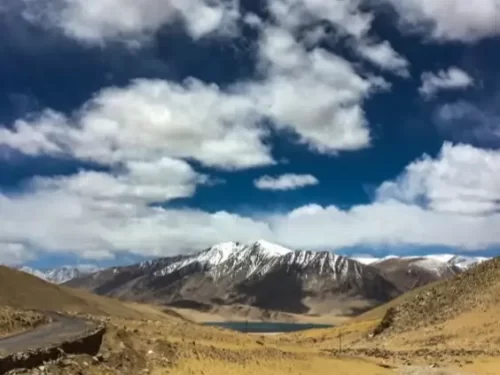 Mountain Pass
Namashang La Pass
Namashang La is a high-altitude mountain pass situated at an elevation of approximately 4,960 meters (16,273 feet) in the Leh district of Ladakh.
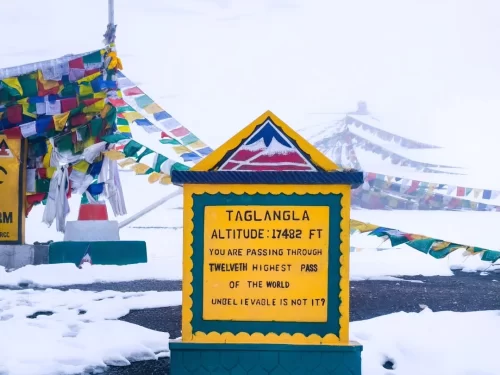 Mountain Pass
Tanglang La Pass
Tanglang La is a high-altitude mountain pass situated at an elevation of approximately 5,328 meters (17,480 feet) in the Ladakh region, often cited as the second-highest motorable pass on the Manali-Leh Highway.
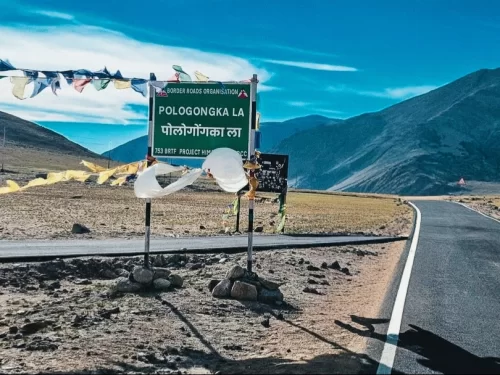 Mountain Pass
Pologongka La
Pologongka La is a mountain pass situated at an elevation of approximately 4,940 meters (16,207 feet) in the Leh district of Ladakh.