+91 9910402252
admin@chalbanjare.com


| Entry Fee | Free |
| Timings | 06:00 - 18:00 |
| Altitude (m) | 3050 |
| Ideal Visit Duration (hrs) | 2 |
| Best Time of Day | Morning |
| Crowd Level | High |
| Distance from Leh (km) | 125 |
| Walking Difficulty | Moderate |
| Parking Available | Yes |
| Last Mile Access | Walk |
| Suitable for Kids | Yes |
| Suitable for Seniors | Yes |
| Wheelchair Friendly | No |
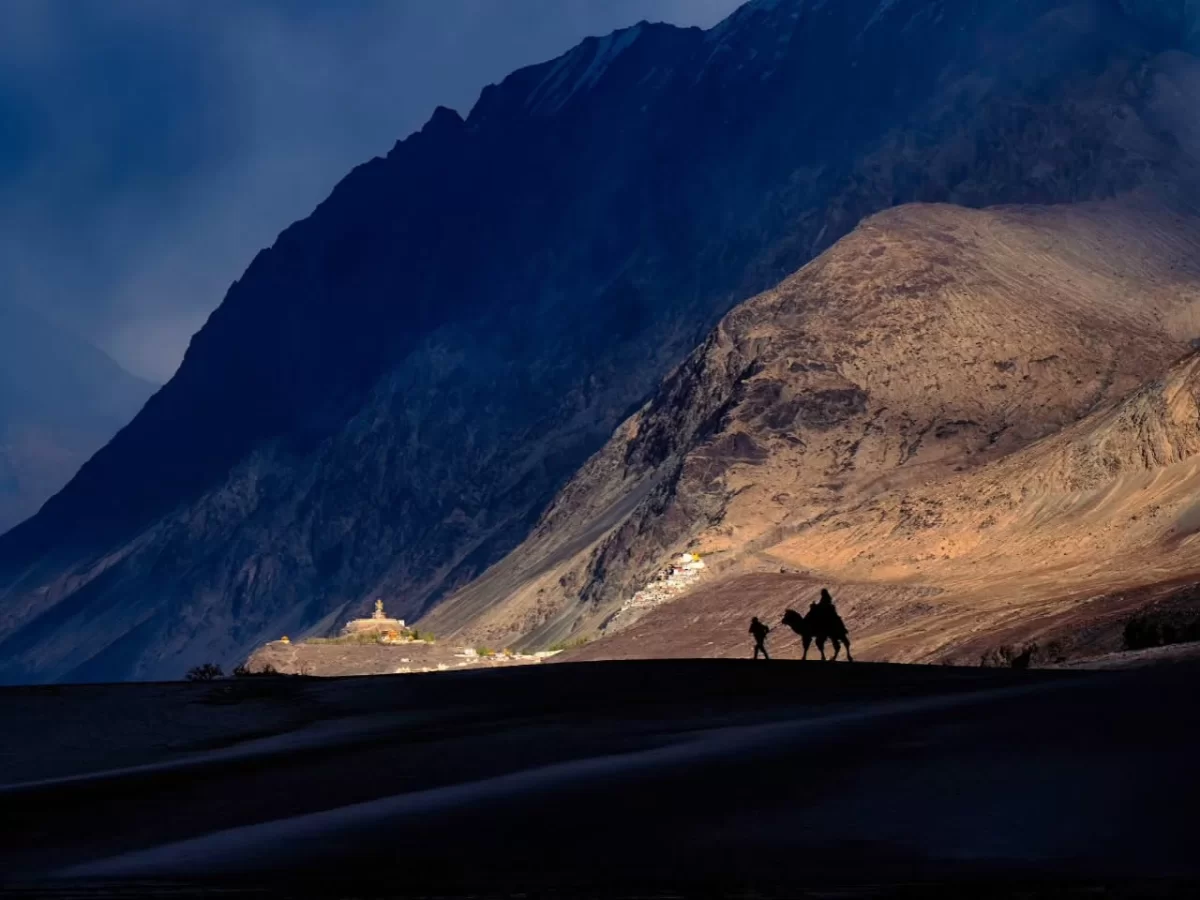
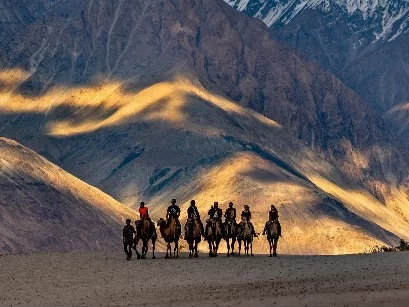
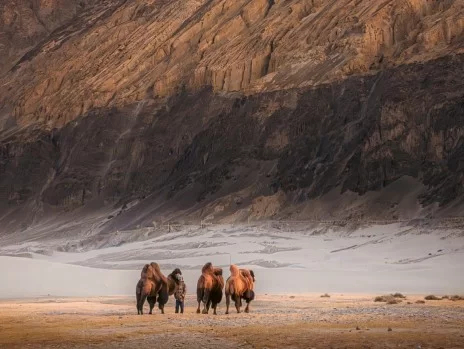
Hunder Sand Dunes offers a rare opportunity to experience a high-altitude cold desert set against the dramatic backdrop of the Karakoram mountain range. The atmosphere here is calm, open, and surreal, with vast stretches of white sand surrounded by rugged peaks and clear blue skies. The gentle sound of wind moving across the dunes and the slow pace of life in nearby Hunder village create a peaceful and immersive environment, ideal for travelers seeking natural beauty and quiet exploration.
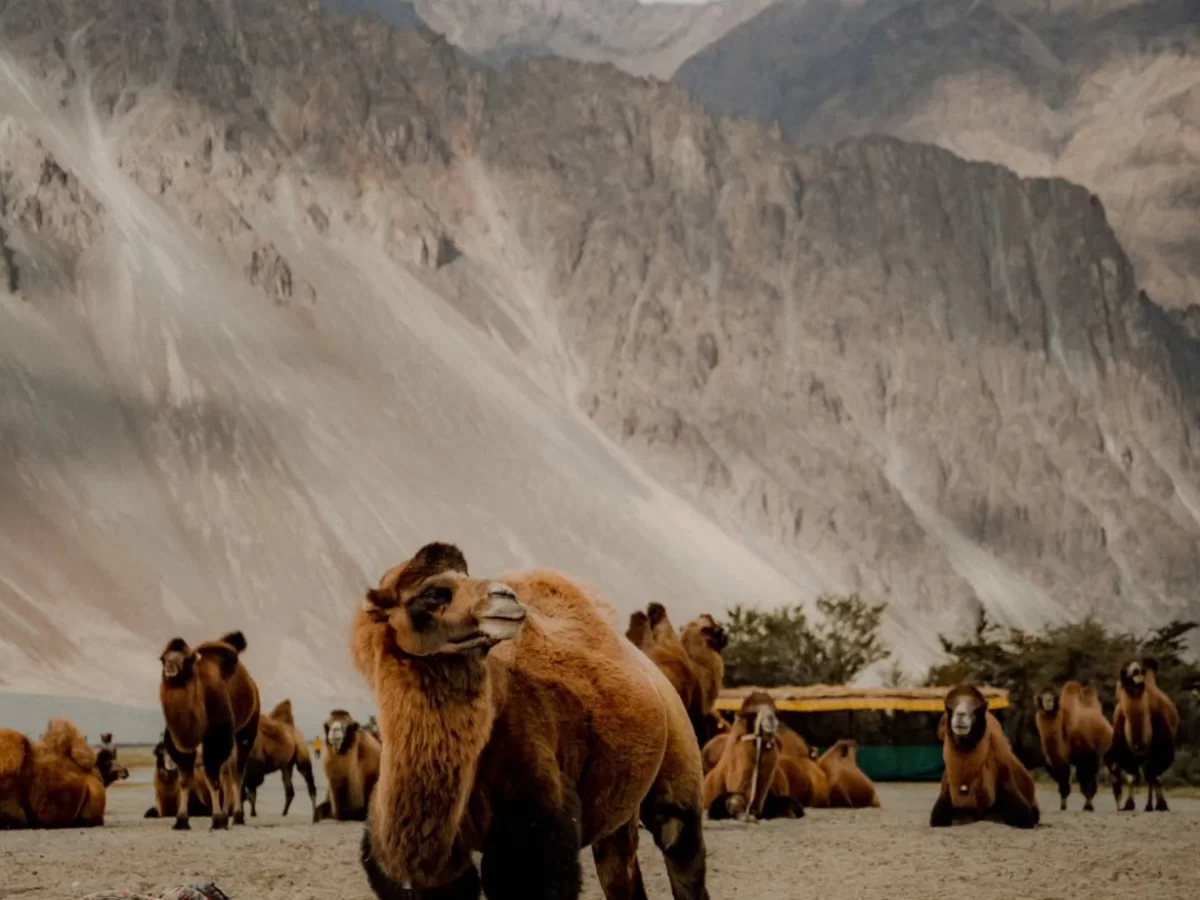
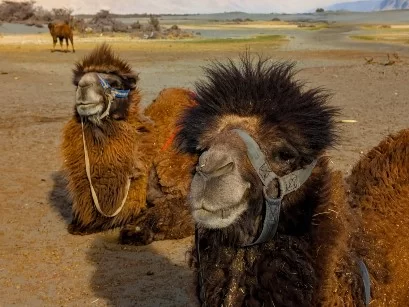
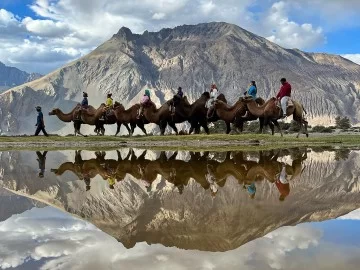
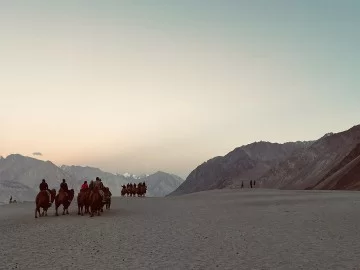
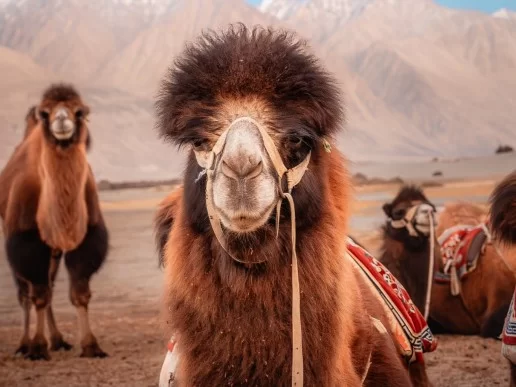
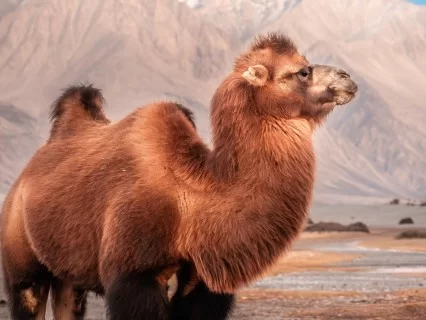
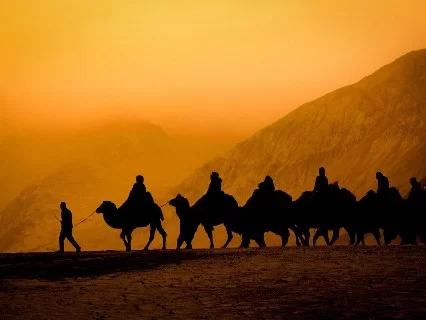
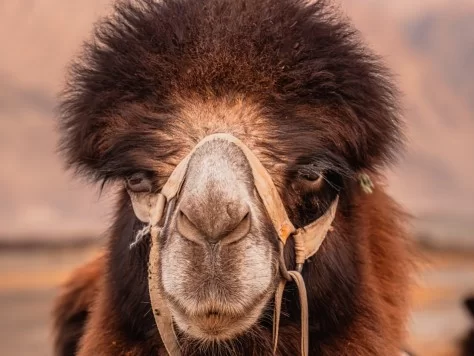
What makes Hunder Sand Dunes truly special is its uniqueness—few places in the world combine desert landscapes with Himalayan scenery at such an altitude. The presence of the endangered double-humped Bactrian camels, a legacy of ancient Silk Route trade, adds strong cultural and historical value. Visitors can enjoy camel safaris, capture breathtaking sunrise and sunset views, and witness the striking contrast between sand, mountains, and greenery along the Shyok River. This blend of nature, heritage, and visual drama makes Hunder Sand Dunes one of Ladakh’s most memorable attractions.
Hunder Sand Dunes are closely linked to the historical trade routes of Central Asia and the ancient Silk Route that once passed through Nubra Valley. Centuries ago, this region served as an important stopover for traders traveling between Ladakh, Tibet, and Central Asia. The movement of caravans across this route introduced the double-humped Bactrian camels, which remain one of the most distinctive features of Hunder today.
Over time, as trans-Himalayan trade declined, the region returned to a quieter agrarian lifestyle, with the sand dunes remaining as a natural and historical reminder of Nubra Valley’s trading past. Today, Hunder Sand Dunes hold historical importance rather than religious significance, symbolizing Ladakh’s role as a cultural crossroads between South Asia and Central Asia. The preservation of the camels and the landscape helps keep this historical legacy alive for visitors.
The best time to visit Hunder Sand Dunes is between May and September, when Nubra Valley is accessible via Khardung La Pass and weather conditions are suitable for sightseeing. During these months, daytime temperatures remain comfortable, skies are generally clear, and the landscape appears vibrant, making it ideal for camel safaris, photography, and relaxed exploration of the dunes.
July and August bring slightly warmer temperatures and increased tourist activity, while May, June, and September are preferred by travelers seeking fewer crowds and better visibility of the surrounding mountains. Winter months from October to April are not recommended due to extreme cold, heavy snowfall, and road closures, which limit access to the region.
 Observatory
Hanle Observatory is one of the world’s highest astronomical observatories, located in the cold desert of Ladakh and operated for deep-space research.
 Memorial
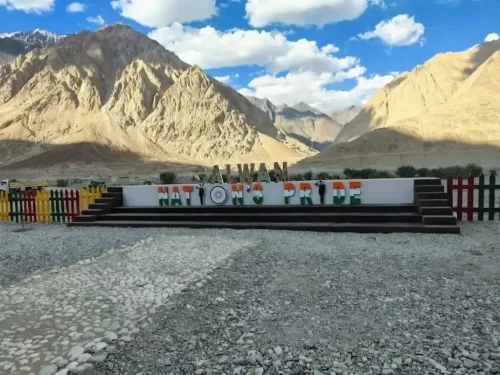
Galwan War Memorial is a national war memorial in eastern Ladakh built in memory of the Indian Army soldiers who lost their lives in the Galwan Valley clash.
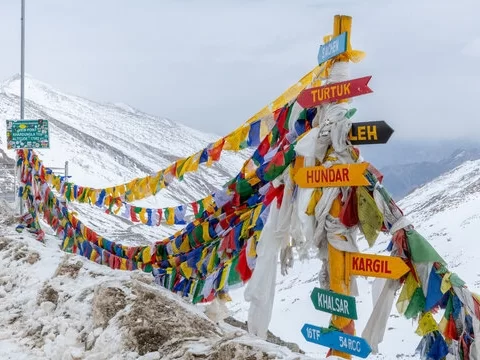 Mountain Pass
Khardung La is a legendary high-altitude mountain pass in Ladakh, famous for its extreme elevation, dramatic views, and gateway access to Nubra Valley.
Get customized Ladakh tour planning designed around altitude comfort, acclimatization time, weather windows, and real Himalayan road conditions. Whether you are visiting for high mountain passes, monasteries, lakes, or remote valley experiences, our exper
⚡ Quick Response | 💰 Free consultation | 🕒 24×7 expert support