Quick Facts About Galwan War Memorial
| Entry Fee | Free |
| Timings | 06:00 - 18:00 |
| Altitude (m) | 4300 |
| Ideal Visit Duration (hrs) | 1 |
| Best Time of Day | Morning |
| Crowd Level | Low |
| Distance from Leh (km) | 120 |
| Walking Difficulty | Easy |
| Parking Available | No |
| Last Mile Access | Road |
| Suitable for Kids | No |
| Suitable for Seniors | No |
| Wheelchair Friendly | No |
Why Visit Galwan War Memorial
Why Visit
Galwan War Memorial is visited to pay respect and understand a defining moment in recent Indian military history. The site is meant for remembrance and reflection, offering visitors a direct connection to the sacrifice of soldiers rather than a conventional travel experience.
Atmosphere
The atmosphere is solemn and controlled. Set in a stark high altitude landscape, the memorial is quiet, with movement regulated by the Indian Army. There are no crowds, vendors, or casual activity, reinforcing the seriousness and dignity of the location.
What Makes It Special
What makes Galwan War Memorial special is its immediacy and authenticity. Located close to the actual Galwan Valley region, it stands as a living reminder of contemporary events rather than distant history. The setting, isolation, and purpose combine to create an experience centered on respect, national memory, and awareness of the realities faced by soldiers in extreme terrain.
History of Galwan War Memorial
Galwan War Memorial was established to commemorate the Indian Army soldiers who lost their lives during the Galwan Valley clash in June 2020. The incident occurred in eastern Ladakh along the Line of Actual Control, marking one of the most serious military confrontations in the region in recent decades.
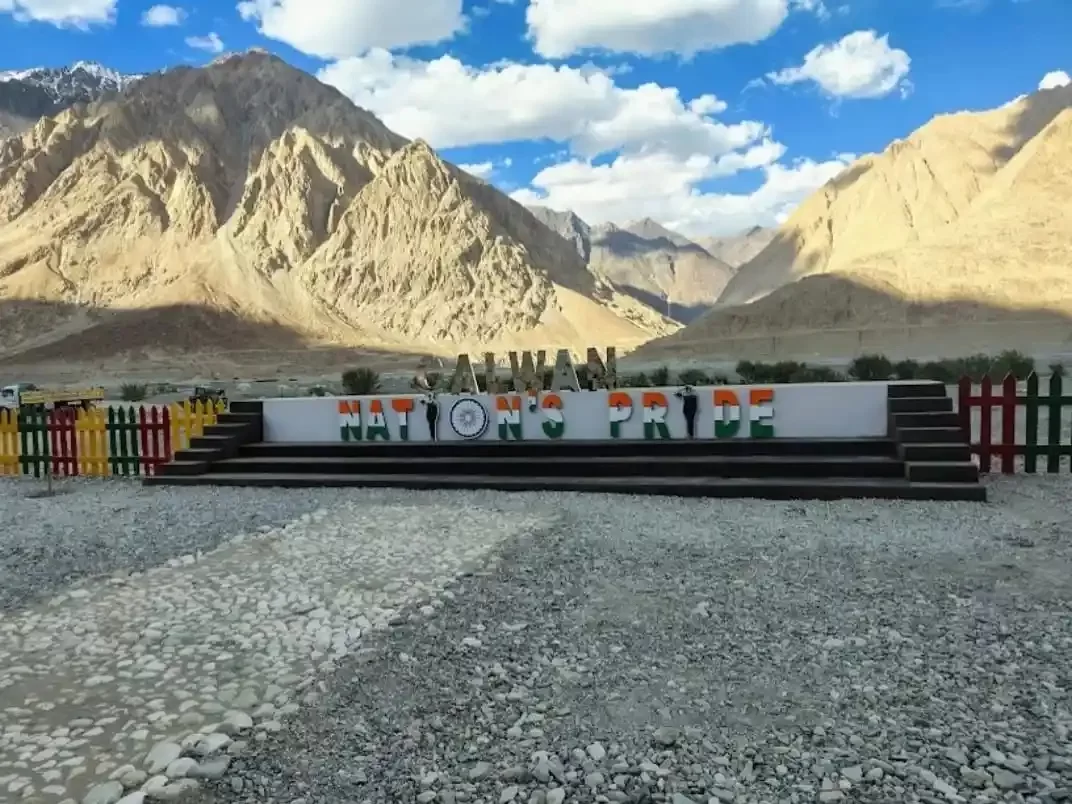
Following the clash, the memorial was constructed by the Indian Army near the Galwan River to honor the bravery and sacrifice of the soldiers who defended national sovereignty under extreme terrain and altitude conditions. The site was chosen for its proximity to the operational area, giving the memorial direct geographical relevance rather than symbolic distance.
Today, the Galwan War Memorial stands as a contemporary military landmark, representing modern Indian military history rather than ancient or colonial conflicts. Its significance lies in remembrance, national consciousness, and acknowledgment of the realities of border defense in high altitude regions.
Best Time to Visit Galwan War Memorial
The best time to visit Galwan War Memorial is during the short summer and early autumn period when roads in eastern Ladakh are accessible and weather conditions are comparatively stable. Due to its high altitude and sensitive location, timing and permissions matter more here than general sightseeing preferences.
- June to September is the most practical window, when road access from Leh is generally open
- July and August offer the most stable weather, though sudden rain or wind can still occur
- Early June may involve rough road conditions due to snowmelt and maintenance work
- September sees fewer visitors but colder temperatures, especially in the mornings
- October to May is not suitable due to extreme cold, snowfall, and access restrictions
Late morning to early afternoon is the safest time to visit, as temperatures are slightly higher and weather visibility is better. Visitors should always confirm local permissions and security advisories before planning the visit.
How to Reach Galwan War Memorial
- Galwan War Memorial is located in eastern Ladakh near the Galwan River, close to the Line of Actual Control
- The journey starts from Leh city, which is the nearest major base for travel and permits
- Travel follows the Leh to Durbuk route, continuing toward Shyok and further into the Galwan sector
- Only private vehicles with experienced local drivers are recommended due to road conditions and security checks
- Public transport does not operate on this route, making pre arranged transport essential
- An Inner Line Permit and specific security clearance are mandatory for Indian nationals
- Foreign nationals are not permitted to visit the Galwan War Memorial area
- Travel plans should remain flexible, as access may be restricted without prior notice due to security or weather conditions
What to Expect When You Visit Galwan War Memorial
- A solemn, respectful environment dedicated to remembrance rather than sightseeing
- Visible Indian Army presence with controlled movement and clear instructions
- A simple memorial layout focused on names, sacrifice, and national service
- High altitude conditions with thin air, cold winds, and strong sunlight
- Very limited facilities, with no shops, restrooms, or food services nearby
- Short visit duration, usually limited to quiet reflection and reading memorial details
- Restrictions on photography in certain areas as directed by security personnel
- An emotionally impactful experience shaped by location, silence, and context
Important Visitor Information for Galwan War Memorial
- Crowd levels remain very low due to restricted access and the sensitive nature of the location
- Weather conditions are harsh and unpredictable, with strong winds and cold temperatures even during summer months
- Peak visiting hours are late morning to early afternoon when road and weather conditions are comparatively safer
- Early mornings and late evenings are colder and may face access limitations or reduced visibility
- Visitors should dress respectfully and practically, keeping in mind the memorial’s solemn purpose
- Warm layered clothing is essential due to high altitude and sudden temperature drops
- Proper acclimatization is critical to avoid altitude related health issues
- Always follow instructions issued by Indian Army personnel and avoid restricted areas
Photography and Viewpoint at Galwan War Memorial
- Photography is allowed only in clearly permitted areas and strictly subject to instructions from Indian Army personnel
- Do not photograph military personnel, vehicles, checkpoints, or surrounding security infrastructure
- The memorial is set in a stark high altitude landscape, offering wide open views of the Galwan region rather than scenic viewpoints
- There are no designated viewing platforms or panoramic decks at the site
- Visual focus is on the memorial structure and its immediate surroundings, not landscape photography
- Late morning light provides better visibility and safer conditions for brief photography
- Tripods and extended photography sessions may not be permitted due to security protocols
- Photography here is documentary and respectful in nature, aligned with remembrance rather than travel aesthetics