+91 9910402252
admin@chalbanjare.com


| Entry Fee (INR) | 30 |
| Timings | 08:00 - 18:00 |
| Altitude (m) | 3300 |
| Ideal Visit Duration (hrs) | 2 |
| Best Time of Day | Morning |
| Crowd Level | Moderate |
| Distance from Leh (km) | 45 |
| Walking Difficulty | Moderate |
| Parking Available | Yes |
| Last Mile Access | Road |
| Suitable for Kids | Yes |
| Suitable for Seniors | No |
| Wheelchair Friendly | No |
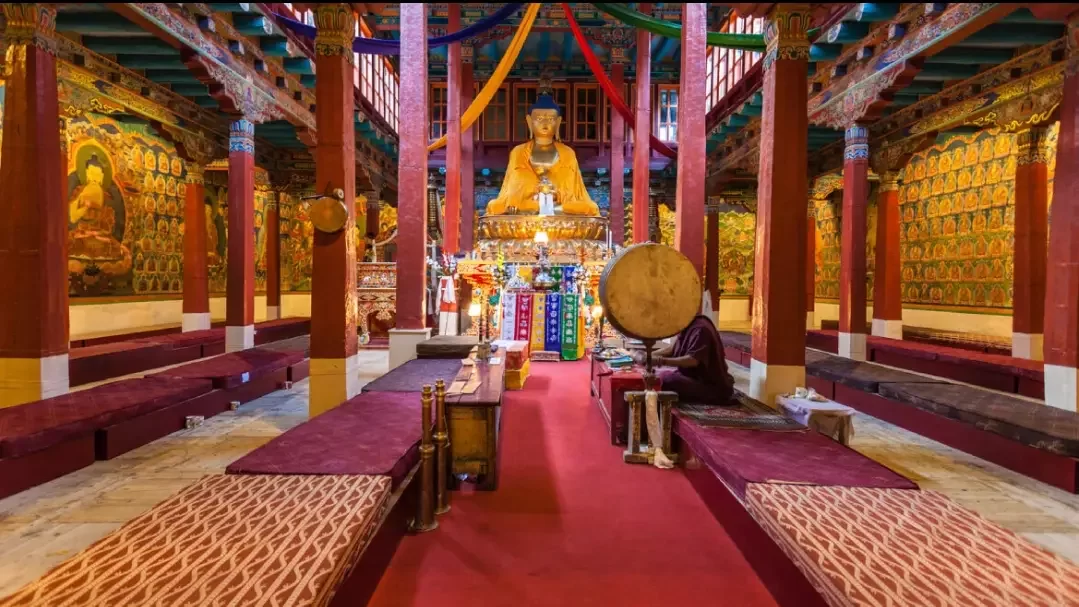
Hemis Monastery is a must-visit for those interested in experiencing Ladakh’s rich spiritual and cultural heritage. As one of the largest and oldest monasteries in the region, it offers insight into centuries-old Buddhist traditions, monastic life, and local religious practices. Unlike smaller or less active monasteries, Hemis is a living center with monks engaged in study, prayer, and rituals throughout the day.
The atmosphere at Hemis is vibrant yet disciplined. Visitors can witness morning prayers, study sessions, and occasional ceremonial events. The monastery’s hilltop location overlooking the Indus Valley adds a serene and expansive feeling, contrasting the bustling town of Leh below. During non-festival days, it is moderately busy, allowing a more contemplative experience.
What makes Hemis special is its annual Hemis Festival, held in July, which draws locals and pilgrims from across Ladakh. The festival features Cham dances, masked performances, and traditional rituals that are rare to see elsewhere. Beyond the festival, the monastery’s architecture, murals, and collection of sacred relics make it a visually and spiritually enriching destination.
Hemis Monastery was founded in 1672 by the Ladakhi king Sengge Namgyal and later expanded by his successors. It belongs to the Drukpa Kagyu sect of Tibetan Buddhism and has historically served as a major spiritual and educational center in central Ladakh. The monastery was strategically located on a hill overlooking the Indus Valley to provide both a commanding view of the region and a secluded environment for monastic life.
Over the centuries, Hemis became renowned for its extensive collection of sacred texts, thangkas, and ancient artifacts. Its annual Hemis Festival commemorates Guru Padmasambhava, attracting pilgrims and visitors from across Ladakh. The monastery continues to function as an active religious institution, with resident monks studying Buddhist philosophy, performing rituals, and preserving centuries-old traditions.
Despite being a major attraction, Hemis retains its authenticity as a living monastery. Visitors can observe the daily routines of monks, study halls, and prayer sessions, offering a genuine insight into Ladakhi Buddhist practices that have persisted for more than three centuries.
The best time to visit Hemis Monastery is between May and September, when the roads to Ladakh are open and weather conditions are stable. During this period, daytime temperatures are comfortable, skies are clear, and visibility is excellent for enjoying views of the monastery and the surrounding Indus Valley. This is also the time when festivals and rituals are most active.
The Hemis Festival, held in July, is the highlight for most visitors. While the festival is lively and colorful, it also brings the largest crowds. For a quieter experience with easier access to all areas of the monastery, early mornings or late afternoons outside the festival period are recommended.
Winter months from October to April are harsh, with snow and cold making travel difficult. Only experienced travelers prepared for extreme weather should attempt a winter visit.
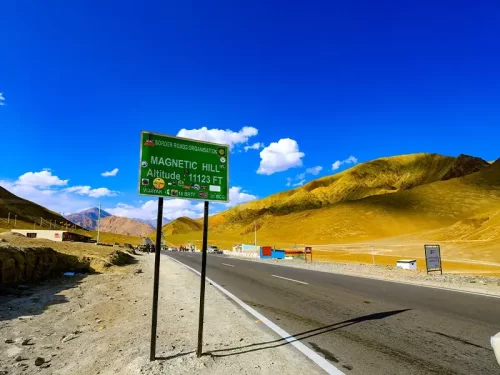 Tourist Attraction
Magnetic Hill is a gravity hill located at an elevation of approximately 3,350 meters (10,991 feet) on the Leh-Srinagar National Highway.
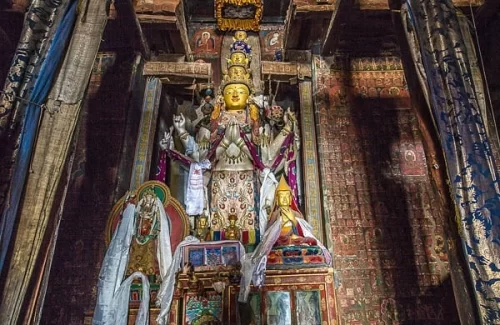 Monastery
Alchi Monastery is a historic Buddhist temple complex situated at an elevation of approximately 3,100 meters (10,170 feet) on the southern bank of the Indus River.
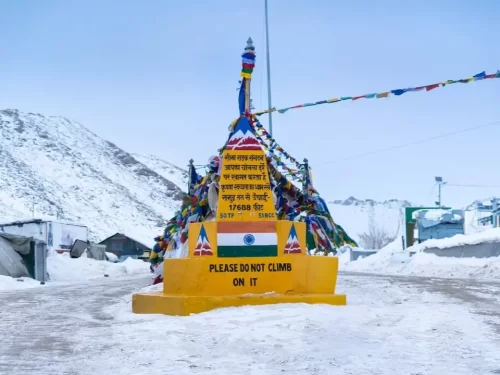 Mountain Pass
Chang La is a high-altitude mountain pass situated at an elevation of approximately 5,360 meters (17,585 feet) on the road between Leh and Pangong Tso.
Get customized Ladakh tour planning designed around altitude comfort, acclimatization time, weather windows, and real Himalayan road conditions. Whether you are visiting for high mountain passes, monasteries, lakes, or remote valley experiences, our exper
⚡ Quick Response | 💰 Free consultation | 🕒 24×7 expert support

