Quick Facts About Zoji La
| Entry Fee | Free |
| Timings | 06:00 - 18:00 |
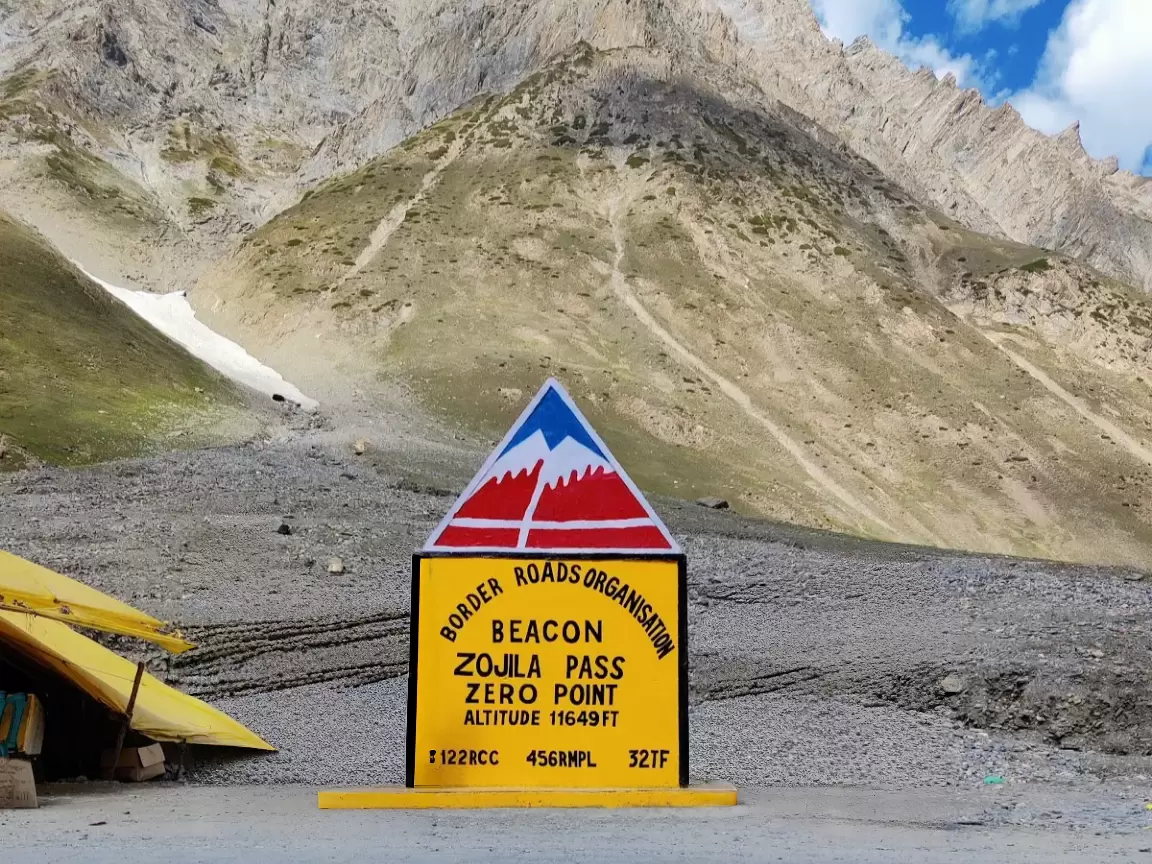
| Altitude (m) | 3528 |
| Ideal Visit Duration (hrs) | 1 |
| Best Time of Day | Morning |
| Crowd Level | Moderate |
| Distance from Srinagar (km) | 83 |
| Walking Difficulty | Easy |
| Parking Available | No |
| Last Mile Access | Road |
| Suitable for Kids | Yes |
| Suitable for Seniors | Yes |
| Wheelchair Friendly | No |
Why Visit Zoji La in Ladakh
Visitors come to Zoji La to traverse one of the highest and most dramatic mountain passes in the region, connecting Srinagar to Leh. It attracts travelers seeking adventure, scenic drives, and high-altitude landscapes.
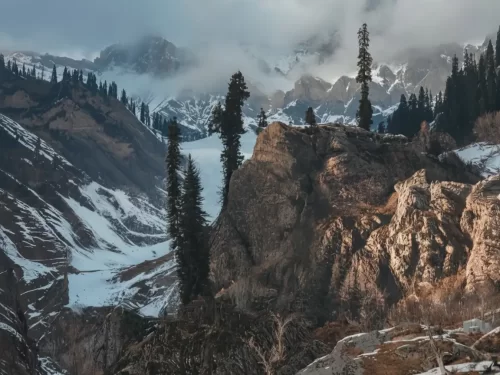
The on-ground atmosphere is rugged and windswept, with steep cliffs, snow-capped peaks, and occasional patches of snow even in summer. Travelers experience a sense of vastness and isolation, with the winding road offering panoramic views at every turn.
What makes Zoji La distinct for travelers is its combination of strategic significance, challenging driving conditions, and breathtaking Himalayan vistas. The pass provides a memorable experience for those interested in offbeat, high-altitude journeys and photography of dramatic landscapes.
History of Zoji La, Kashmir
Zoji La, a high mountain pass connecting Srinagar to Ladakh, has been historically significant as a trade and strategic route for centuries. It formed part of the ancient caravan paths linking Kashmir with Central Asia and Tibet, facilitating commerce and cultural exchange.
The pass gained military importance during various regional conflicts, including the campaigns of the Dogra rulers and later during the Indo-Pak wars, due to its elevation and control over access to the Leh region.
Zoji La’s challenging terrain and harsh climatic conditions have shaped travel and settlement patterns in the surrounding regions, making it both a vital passage for trade and a landmark of historical and logistical significance in the Himalayas.
Best Time to Visit Zoji La
Zoji La Pass is best visited during the summer months when the high-altitude pass is fully accessible, snow hazards are minimal, and road conditions are safer for travel between Srinagar and Leh.
- Ideal months: June to September, when the pass is open and weather conditions are relatively stable for vehicles and travelers.
- Weather during the best season: Cool to mild temperatures during the day, mostly clear skies, and minimal snow or ice on the roads.
- Periods to avoid: October to May due to heavy snowfall, road closures, and extreme cold, which make the pass dangerous and often impassable.
How to Reach Zoji La, Ladakh
Zoji La is a high-altitude mountain pass in Ladakh, Jammu & Kashmir, connecting Srinagar to Leh via the National Highway 1D. It is known for its dramatic landscapes and challenging driving conditions.
- Nearest Airport: Srinagar International Airport (Sheikh ul-Alam Airport), approximately 130 km from Zoji La. Flights operate from major Indian cities. From the airport, private taxis or shared cabs take around 4–5 hours via Sonamarg, depending on road conditions.
- Nearest Railway Station: Srinagar Railway Station, about 125 km away. Taxis or private vehicles are required for onward travel along the Srinagar–Leh highway.
- Road Access & Last-Mile Connectivity: Zoji La lies on NH1D, the main Srinagar–Leh route. The pass features steep gradients, sharp turns, and snow-covered sections in winter (usually November–April), making it inaccessible during heavy snowfall. Travelers should use high-clearance vehicles and check local weather updates. No public transport crosses the pass in adverse conditions.
What to Expect When You Visit Zoji La
- Zoji La is a high-altitude mountain pass connecting Srinagar to Leh, set amidst rugged Himalayan peaks. Expect snow-covered landscapes in winter and barren rocky slopes in summer, with strong winds common year-round.
- Facilities are minimal. There are no permanent visitor amenities; only occasional roadside stalls operate during the summer months. Restrooms and sheltered seating are not available.
- Accessibility involves driving on steep, narrow, and sometimes unstable mountain roads. Vehicles should be well-equipped for high-altitude conditions. Walking along the pass is possible but challenging due to altitude and terrain.
- Visitors mainly stop for photography, enjoy panoramic views, and experience the thrill of the pass. Traffic and local travelers can create short waits, especially during peak summer months.
- Typical visit duration is short, usually 15 to 30 minutes, as the pass is a transit point rather than a destination.
- Weather conditions significantly affect safety and comfort. Snow, rain, fog, and sudden storms can occur, making roads slippery and visibility low. Proper warm clothing, sturdy footwear, and caution are essential.
Important Visitor Information for Zoji La, Drass
- Crowd and Weather Notes: Zoji La is a high-altitude mountain pass, generally quiet except for travelers crossing en route to Leh. Summers (June to September) are accessible with mild weather, while winters (October to May) are snowbound and impassable due to heavy snow and avalanches.
- Peak and Quiet Visiting Hours: The pass is busiest between 9:00 AM and 3:00 PM, coinciding with vehicular movement. Early morning or late afternoon visits offer minimal crowds but extreme cold conditions.
- Dress Code: Warm, windproof clothing and sturdy boots are essential. Sunglasses and gloves are recommended due to strong sun and wind exposure at high altitude.
- Safety Notes and Practical Cautions: Roads can be slippery and prone to landslides, especially during rain or thaw. Altitude sickness is common; ascend slowly and stay hydrated. Follow local traffic and safety instructions strictly. Minimal facilities are available at the pass.
Photography and Viewpoints at Zoji La, Ladakh
- The summit of Zoji La Pass offers panoramic views of the surrounding Himalayan peaks and the winding Srinagar-Leh highway, ideal for dramatic wide-angle shots.
- Approach roads and hairpin bends provide dynamic perspective shots of the pass with vehicles or landscape leading lines enhancing composition.
- Early morning light highlights snow and rock textures, while late afternoon adds warm tones to the valley; midday light can be harsh and flatten details.
- Overcast or partially cloudy days are excellent for capturing contrasts between rocky slopes, snow patches, and clouds, creating moody, atmospheric images.
- Photography is allowed for tourists; due to military presence, drones or professional gear require prior permission, and visitors must follow safety protocols on the pass.
- Traffic and snowfall can affect access and viewpoints; early arrival during clear weather ensures unobstructed photography opportunities.