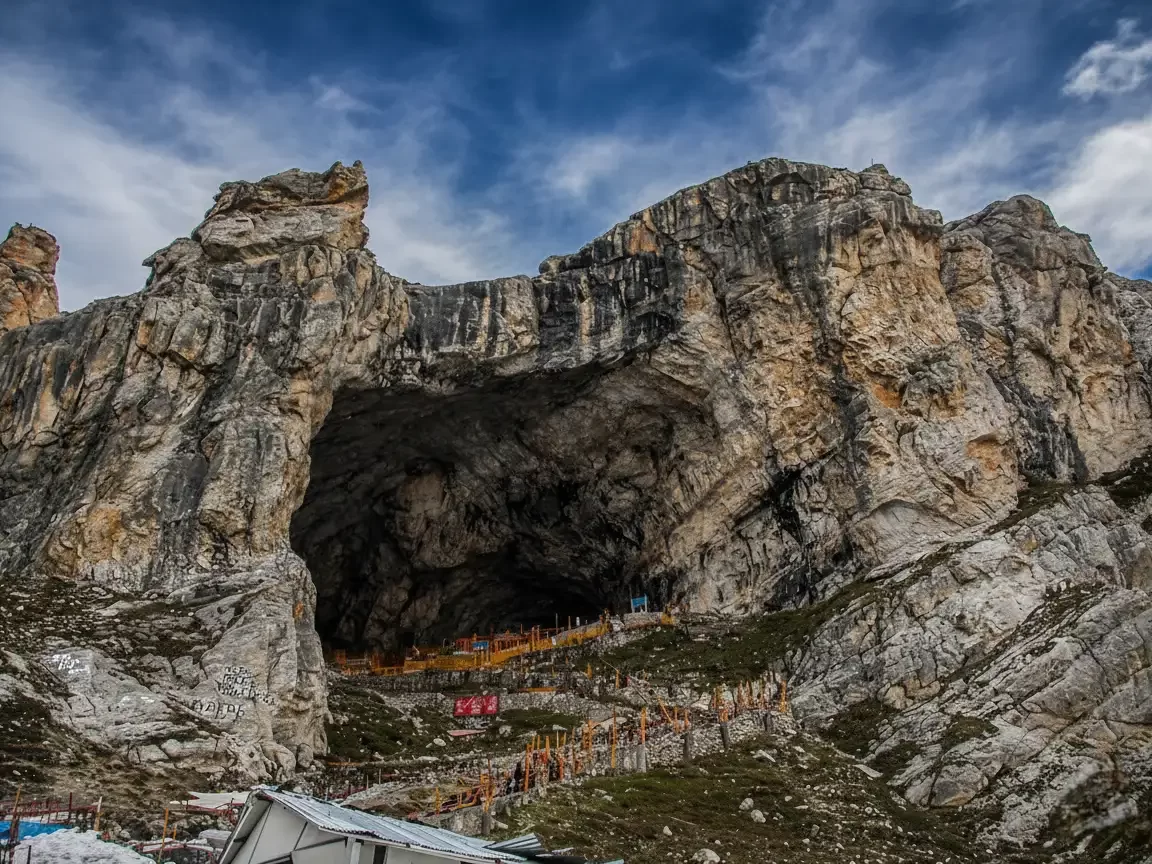
Amarnath Temple, Anantnag District, Jammu and Kashmir, India

Amarnath Temple , Sonamarg
Amarnath Temple is visited for its naturally forming ice stalagmite, considered a representation of Shiva Lingam. Pilgrims undertake a seasonal trek during the annual yatra, passing through mountainous terrain and designated routes like Pahalgam and Baltal.

Quick Facts About Amarnath Temple

Entry Fee Free
Timings 05:00 - 15:00
Altitude (m) 3888
Ideal Visit Duration (hrs) 2
Best Time of Day Morning
Crowd Level High
Distance from Srinagar (km) 141
Walking Difficulty Hard
Parking Available Yes
Last Mile Access Walk
Suitable for Kids No
Suitable for Seniors No
Wheelchair Friendly No

Why Visit Amarnath Temple in Jammu & Kashmir

Amarnath Temple draws pilgrims from across India to witness the naturally formed ice Shiva Lingam inside a high-altitude Himalayan cave. The journey, undertaken via the Pahalgam or Baltal routes, is as significant as the ????? itself, combining devotion with a physically demanding trek through alpine terrain.

The on-ground atmosphere is structured and intense, especially during the annual Amarnath Yatra. You’ll pass through multiple security checkpoints, organized camps, medical stations, and langars, all operating within a tightly managed system set against steep mountain paths and rapidly changing weather conditions.

What makes Amarnath Temple distinct is its seasonal accessibility and extreme altitude setting. Unlike conventional temple visits, this pilgrimage requires endurance, registration, and timing within a limited window, offering a rare combination of spiritual focus and high-altitude Himalayan exposure.

History of Amarnath Temple

The Amarnath Temple is an ancient cave shrine situated at an altitude of about 3,888 meters in the Himalayas of Jammu and Kashmir. It is dedicated to Lord Shiva and is centered around a naturally formed ice Shivling, which is considered the primary object of worship.

References to the Amarnath Cave appear in historical texts such as the Rajatarangini by Kalhana (12th century), indicating that the site has been known and revered for centuries. Its remote location meant that access remained limited, preserving its status as a high-altitude pilgrimage site for dedicated devotees.

Local tradition attributes the rediscovery of the cave in the 19th century to a shepherd named Buta Malik, who is said to have been guided to the site under unusual circumstances. This event contributed to the wider recognition of the shrine and its inclusion in organized pilgrimage routes.

The temple holds strong religious significance as it is believed to be the place where Lord Shiva revealed the secret of immortality, known as the Amar Katha, to Goddess Parvati. This belief underpins the annual Amarnath Yatra, during which pilgrims undertake a challenging trek to reach the sacred cave.

Best Time to Visit Amarnath Temple

The only practical and safe time to visit Amarnath Temple is during the annual pilgrimage window when routes are officially opened and maintained. Outside this period, extreme weather and heavy snowfall make access impossible.
  • Ideal months: Late June to early August (aligned with the official Amarnath Yatra schedule announced each year)
  • Weather conditions: Cold alpine climate with daytime temperatures ranging between 10°C to 15°C and near-freezing nights; snow patches remain along the trekking route, and sudden weather changes are common
  • Periods to avoid: September to May, as the region remains snowbound with closed access routes, high avalanche risk, and no administrative or medical support available

How to Reach Amarnath Temple (Jammu & Kashmir, India)

  • Nearest Airport: Srinagar International Airport (approx. 80–90 km from Pahalgam and 95 km from Baltal), well-connected with major Indian cities like Delhi and Mumbai. From the airport, taxis and pre-arranged transport services are available to reach base camps at Pahalgam or Baltal.
  • Nearest Railway Station: Jammu Tawi Railway Station (approx. 250–300 km away) is the closest major railhead. From Jammu, travelers must continue by road to Srinagar, Pahalgam, or Baltal via state-run buses, shared taxis, or private cabs. Travel time can range from 8 to 12 hours depending on traffic and weather.
  • Road Access & Last-Mile Connectivity: The pilgrimage is accessible via two main routes:
    Pahalgam Route (traditional, ~36–48 km trek): Longer but gradual, typically taking 3–5 days via Chandanwari, Sheshnag, and Panchtarni.
    Baltal Route (~14 km trek): Shorter but steep, often completed in 1–2 days.
    Both routes require trekking, though ponies, palkis (palanquins), and helicopter services (from Baltal or Pahalgam to Panchtarni) are available for part of the journey. From Panchtarni, a final 6 km trek to the cave is mandatory.
  • Travel Conditions & Limitations: The Amarnath Yatra is seasonal (typically June–August) and strictly regulated with mandatory registration and health certification. Weather conditions in the Himalayas are unpredictable, with risks of landslides, altitude sickness, and sudden closures. Road access to base camps may be temporarily disrupted due to security checks or weather conditions, so buffer time is essential.

What to Expect When You Visit Amarnath Temple, Jammu & Kashmir

  • Environment and surroundings: The Amarnath Temple is located at an altitude of around 3,888 meters in the Himalayas, surrounded by snow-clad peaks and rugged terrain. Weather conditions are highly unpredictable, with temperatures dropping sharply even during summer. Oxygen levels are lower at this altitude, which can affect visitors not acclimatized to high elevations.
  • Facilities and amenities: Basic facilities are available only during the annual pilgrimage season (typically June–August). Temporary camps provide food, medical aid, and resting points along the route, but amenities are minimal and often crowded. Clean drinking water, toilets, and shelter are available at designated stops, though hygiene standards may vary due to heavy footfall.
  • Accessibility and movement: Access to the temple is restricted to registered pilgrims with mandatory permits and health certificates. The journey involves either a multi-day trek from routes like Pahalgam or Baltal, or a helicopter ride to a nearby point followed by a short but steep walk. Paths can be narrow, slippery, and physically demanding, especially in adverse weather conditions.
  • Typical visitor behavior and conditions: The site experiences high volumes of pilgrims during the yatra season, leading to long queues and waiting times for ?????. Movement is regulated by security personnel, and strict timing schedules are followed. Visitors are expected to adhere to religious customs, maintain discipline, and follow safety instructions issued by authorities.
  • Limitations and constraints: Due to altitude, terrain, and weather, the pilgrimage may not be suitable for elderly individuals, young children, or those with heart or respiratory conditions. Mobile connectivity is limited or unavailable in many stretches. Landslides, sudden weather changes, and route closures can disrupt travel plans without prior notice.

Important Visitor Information for Amarnath Temple

  • Crowd & Weather Conditions: The pilgrimage to Amarnath Temple takes place during the annual Amarnath Yatra (typically June to August), when the region experiences cold temperatures, unpredictable rain, and occasional snowfall even in summer. The cave area remains extremely cold due to high altitude (approx. 3,888 meters), and oxygen levels are lower.
  • Peak & Quiet Visiting Hours: Early morning hours (around 5:00 AM to 9:00 AM) are considered ideal for darshan, offering relatively shorter queues and stable weather. Late morning to afternoon sees heavy pilgrim rush and increased risk of weather disruptions along trekking routes.
  • Dress Code: There is no formal religious dress code, but visitors must wear heavy woolens, thermal layers, waterproof jackets, gloves, and sturdy trekking shoes due to sub-zero temperatures and rugged terrain. Traditional modest clothing is recommended inside the cave.
  • Safety & Practical Cautions: Mandatory registration and medical fitness certification are required before undertaking the yatra. Due to high altitude, risks of Acute Mountain Sickness (AMS) are significant—pilgrims should acclimatize properly and avoid overexertion. Follow official routes via Pahalgam or Baltal only, adhere strictly to security advisories, and avoid traveling during landslides or extreme weather alerts.

Photography and Viewpoints at Amarnath Temple

  • The primary viewpoint for photography is along the trekking route leading to the sacred cave, especially near Panchtarni and Sangam Top, where elevated angles offer sweeping views of the Himalayan ???? and the glacier-fed terrain surrounding the shrine.
  • Direct photography inside the Amarnath Cave, where the naturally formed ice ??????? is located, is strictly prohibited due to religious protocols and security regulations enforced by the Shri Amarnathji Shrine Board.
  • Early morning (between 6:00 AM and 9:00 AM) provides the most favorable lighting conditions, with soft natural light illuminating the snow-covered peaks and minimizing harsh shadows across the rugged landscape.
  • Afternoon hours often bring unpredictable weather, including cloud cover and reduced visibility, which can limit long-range mountain photography and impact clarity.
  • Crowd density increases significantly during peak yatra days (July–August), particularly near the cave entrance, making it challenging to capture unobstructed frames; planning shots during early trekking hours improves access to clearer viewpoints.
  • Security checkpoints along both Baltal and Pahalgam routes may restrict the use of drones, professional equipment, or tripods, and all photography activities are subject to inspection by local authorities.
  • Key natural frames include the Amravati stream near the cave and the snow bridges formed along the trail, which provide strong foreground elements for landscape compositions unique to this pilgrimage route.

Near By Attraction

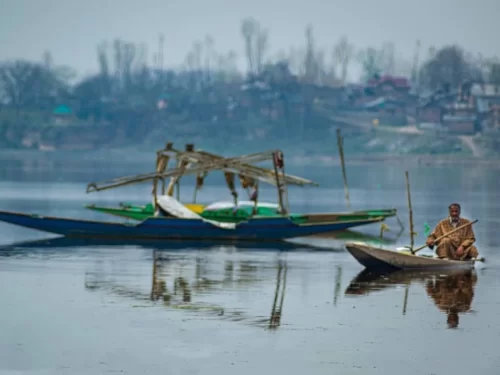
Mansabal Lake Ganderbal serene freshwater lake with traditional boats and scenic Himalayan surroundings in Kashmir Lake

Mansabal Lake

Mansabal Lake is a freshwater lake located in Ganderbal district, about 30 km north of Srinagar.
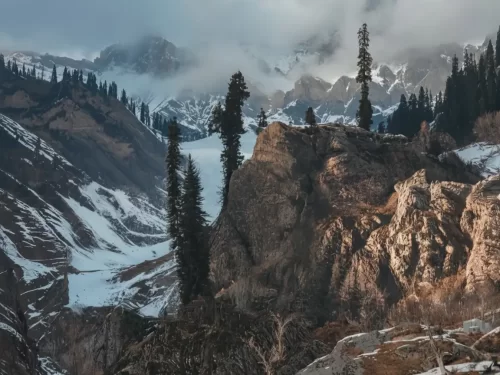
Pine trees at Sonamarg valley during misty morning, featuring snowy peaks & glaciers, perfect adventure experience Kashmir tour packages. Glacier

Thajiwas Glacier

Thajiwas Glacier is a seasonal snow and ice glacier located near Sonamarg in Ganderbal district of Jammu and Kashmir.
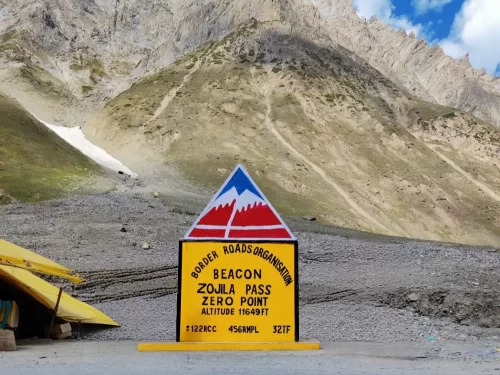
Zojila Pass sign at Sonamarg route during sunny day, featuring border roads board & mountains, perfect adventure experience Kashmir tour packages.  Mountain Pass

Zoji La

Zoji La is a high-altitude mountain pass on National Highway 1 connecting the Kashmir Valley with Ladakh.

Frequently Asked Questions About Amarnath Temple

Loved this place ? Let’s Plan Your Jammu and Kashmir Trip

Get customized Jammu and Kashmir tour planning designed around seasonal weather patterns, valley travel routes, snow conditions, and realistic hill road timing. Whether you are visiting for scenic landscapes, serene lakes, spiritual journeys, meadow stays

⚑ Quick Response | πŸ’° Free consultation | πŸ•’ 24Γ—7 expert support

×

Plan Your Trip