Quick Facts About Mansabal Lake
| Entry Fee | Free |
| Timings | 06:00 - 18:00 |
| Altitude (m) | 1584 |
| Ideal Visit Duration (hrs) | 2 |
| Best Time of Day | Morning |
| Crowd Level | Low |
| Distance from Srinagar (km) | 30 |
| Walking Difficulty | Easy |
| Parking Available | Yes |
| Last Mile Access | Walk |
| Suitable for Kids | Yes |
| Suitable for Seniors | Yes |
| Wheelchair Friendly | No |
Why Visit Mansabal Lake in Ganderbal
Visitors come to Mansabal Lake to enjoy its serene waters surrounded by willow trees and the Himalayan foothills. The lake is popular among birdwatchers, nature lovers, and those seeking a quiet retreat close to Srinagar.
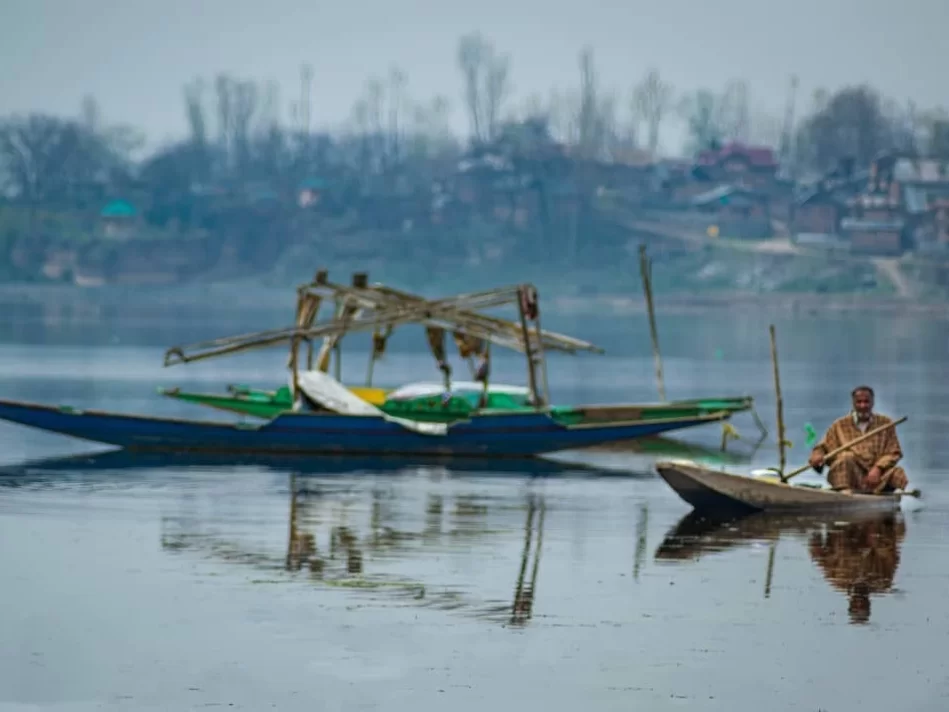
The on-ground atmosphere is calm and reflective, with gentle ripples on the water and a backdrop of snow-dusted mountains in winter. Traditional shikaras (wooden boats) and local fishing activity add to the tranquil, authentic ambiance.
What makes Mansabal Lake distinct for travelers is its combination of peaceful waters, rich birdlife, and scenic mountain views. It provides an offbeat experience compared to more crowded lakes, making it ideal for photography, birdwatching, and quiet reflection.
History of Mansabal Lake, Ganderbal
Mansabal Lake, also known as Manasbal, has been a notable freshwater body in Kashmir since at least the 15th century. It is historically mentioned in local records for its role in irrigation and as a habitat for migratory birds.
The lake is surrounded by Mughal-era gardens and shrines, reflecting the region’s cultural landscape during the Mughal period. These nearby structures highlight the integration of natural water bodies into the aesthetic and functional planning of the valley.
Over time, Mansabal Lake has remained important for local communities, both for fishing and agriculture, while also attracting travelers and naturalists interested in its ecological and historical context within the Kashmir Valley.
Best Time to Visit Mansabal Lake
Mansabal Lake is best visited during late spring to early autumn when the lake is fully thawed, the surrounding landscape is lush, and boating or walking along the shores is comfortable and safe.
- Ideal months: April to October, with May to September offering the most pleasant weather for sightseeing and photography.
- Weather during the best season: Mild to warm daytime temperatures, clear skies, and calm lake waters, ideal for outdoor activities.
- Periods to avoid: November to March due to freezing temperatures, snow-covered roads, and frozen lake conditions that restrict access and activities.
How to Reach Mansabal Lake, Ganderbal
Mansabal Lake, also known as Manasbal, is a serene freshwater lake in Ganderbal district, Jammu & Kashmir, surrounded by willow trees and traditional villages. It is popular for birdwatching and peaceful scenic visits.
- Nearest Airport: Srinagar International Airport (Sheikh ul-Alam Airport), approximately 32 km away. The airport connects to major Indian cities. From the airport, taxis or private cabs take around 1–1.5 hours to reach the lake, depending on traffic.
- Nearest Railway Station: Srinagar Railway Station, about 25 km from Mansabal Lake. Visitors can hire taxis or local cabs for the onward journey.
- Road Access & Last-Mile Connectivity: The lake is accessible via the Srinagar–Ganderbal road, then a local road to Manasbal village. Private vehicles and taxis are recommended. During heavy rains or winter, minor flooding or icy patches may affect the last-mile road, so checking conditions in advance is advisable.
What to Expect When You Visit Mansabal Lake
- Mansabal Lake is a freshwater lake surrounded by gentle hills and small wetlands. Expect a calm, scenic environment with clear waters reflecting nearby mountains and willow trees along the shore.
- Facilities are limited. There are no restrooms or eateries on-site, though small local tea stalls may be found nearby. Carry water and snacks if planning to stay longer.
- Accessibility involves walking along narrow earthen paths and small embankments. The terrain is uneven and can be muddy during monsoon; the site is not suitable for wheelchairs.
- Visitors typically enjoy nature walks, photography, and birdwatching. The lake is peaceful, with minimal crowds except during local festival days.
- Time spent usually ranges from 30 minutes to 2 hours, depending on interest in photography and wildlife observation.
- Weather affects the experience: summers are pleasant and ideal for visiting, monsoon can make paths slippery, and winters are cold with occasional frost along the lake edges. Appropriate clothing and footwear are recommended.
Important Visitor Information for Mansabal Lake, Ganderbal
- Crowd and Weather Notes: Mansabal Lake remains relatively tranquil, with most visitors arriving from April to October. Summers are mild and pleasant, while winters bring freezing temperatures and possible ice coverage, limiting access. Monsoon rains may make surrounding paths muddy.
- Peak and Quiet Visiting Hours: Peak visiting hours are typically between 10:00 AM and 2:00 PM. Early mornings (8:30 AM to 10:00 AM) or late afternoons (after 3:00 PM) provide a peaceful experience with better lighting for photography.
- Dress Code: Comfortable, modest clothing is recommended. Sturdy walking shoes are essential for navigating the lakeside terrain and uneven pathways.
- Safety Notes and Practical Cautions: The lake has shallow marshy areas; avoid stepping into waterlogged zones. Carry water and sun protection, as on-site amenities are minimal. Respect local practices and do not litter near the lake.
Photography and Viewpoints at Mansabal Lake, Ganderbal
- The lakeside offers the best wide-angle shots, capturing the mirror-like reflections of surrounding mountains and dense lotus patches on calm water.
- Approach paths along the lake’s northern and southern banks provide framing for close-ups of lotus flowers, waterfowl, and reed-lined shores.
- Early morning light (6–9 am) produces soft reflections and misty effects, while late afternoon light adds warm tones to the mountains and enhances color contrast.
- Overcast days help in photographing details of lotus flowers and water surfaces without glare, particularly during the blooming season (July–August).
- Photography is generally permitted for tourists; drones or professional setups may require local permission, and care should be taken not to disturb wildlife.
- Weekends and peak bloom periods can see more visitors; arriving early ensures unobstructed views and quieter compositions.