Quick Facts About Thajiwas Glacier
| Entry Fee | Free |
| Timings | 07:00 - 17:00 |
| Altitude (m) | 2950 |
| Ideal Visit Duration (hrs) | 3 |
| Best Time of Day | Morning |
| Crowd Level | Moderate |
| Distance from Srinagar (km) | 80 |
| Walking Difficulty | Moderate |
| Parking Available | Yes |
| Last Mile Access | Trek |
| Suitable for Kids | Yes |
| Suitable for Seniors | No |
| Wheelchair Friendly | No |
Why Visit Thajiwas Glacier in Sonamarg
Visitors come to Thajiwas Glacier to witness the striking blue-white ice formations and the surrounding Himalayan scenery. It attracts nature lovers, trekkers, and photographers seeking a relatively accessible glacier experience.
The on-ground atmosphere is crisp and serene, with cool air, melting streams, and alpine meadows surrounding the glacier. The trek to the glacier is moderate, allowing travelers to enjoy close-up views of ice formations and snowfields in a peaceful setting.
What makes Thajiwas Glacier distinct for travelers is its accessibility from Sonamarg town combined with its visually impressive ice landscapes. Unlike more remote glaciers, it offers a short trekking experience with panoramic views, making it suitable for day trips and photography enthusiasts.
History of Thajiwas Glacier, Sonamarg
Thajiwas Glacier is a relatively recent natural formation, created by the accumulation and compaction of snow from the surrounding Himalayan peaks over the past few centuries. Unlike man-made or religious sites, it does not have a recorded historical construction or founder.
The glacier has been traditionally significant to local shepherd communities and residents of Sonamarg, who relied on its meltwater for grazing and seasonal water needs. It also forms part of the natural heritage of the region, illustrating ongoing glacial processes in the Himalayas.
Today, Thajiwas Glacier is visited for its pristine ice formations, alpine meadows, and proximity to trekking routes. Its historical relevance lies in its continuous role as a natural landmark and resource for both humans and wildlife in the region.
Best Time to Visit Thajiwas Glacier
Thajiwas Glacier is best visited during the warmer months when trekking paths are accessible, the snow is stable, and the surrounding landscape is fully visible, providing a safe and scenic experience.
- Ideal months: May to September, when the weather is mild and trails are free from heavy snow accumulation.
- Weather during the best season: Cool to moderate temperatures, clear skies, and stable snow conditions suitable for short treks and photography.
- Periods to avoid: October to April due to heavy snowfall, slippery paths, and risk of avalanches, making access difficult and unsafe.
How to Reach Thajiwas Glacier, Sonamarg
Thajiwas Glacier is a popular trekking destination near Sonamarg in Jammu & Kashmir, renowned for its striking alpine scenery and glacial streams. Access involves road travel and a short trek from the nearest village.
- Nearest Airport: Srinagar International Airport (Sheikh ul-Alam Airport), approximately 80 km from Sonamarg. Flights operate from Delhi, Mumbai, Bengaluru, and other major cities. From the airport, taxis or private cabs take 2–3 hours to reach Sonamarg, depending on traffic and road conditions.
- Nearest Railway Station: Srinagar Railway Station, about 75 km from Sonamarg. Taxis or pre-arranged cabs are required for onward travel.
- Road Access & Last-Mile Connectivity: Thajiwas Glacier is accessible via the Sonamarg–Thajiwas trail. Visitors park in Sonamarg and trek 1.5–2 km to the glacier; pony rides are available for the less fit. During winter and early spring, snow and slippery paths may limit access, so suitable footwear and local guidance are recommended.
What to Expect When You Visit Thajiwas Glacier
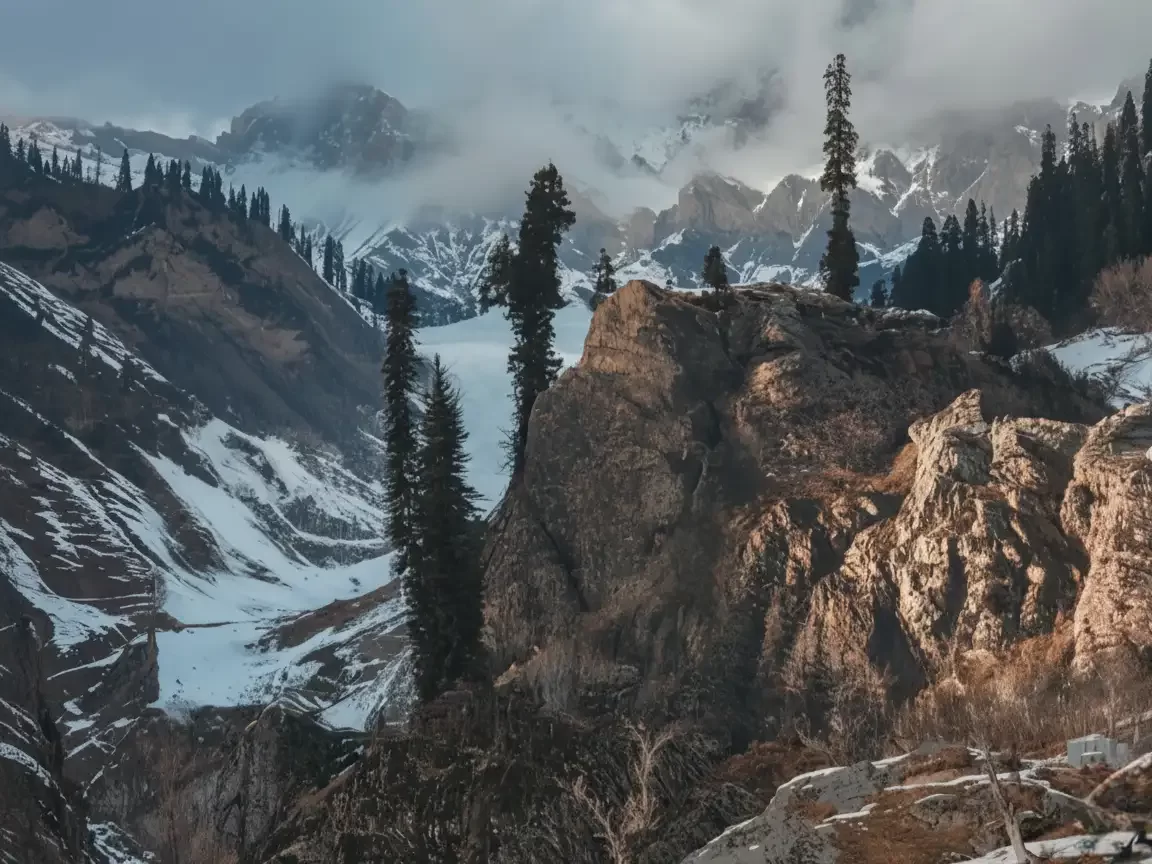
- Thajiwas Glacier is nestled in the upper reaches of the Himalayas near Sonamarg, surrounded by alpine meadows and pine forests. Expect a pristine snowy landscape with visible crevasses and meltwater streams during summer months.
- Facilities are minimal and seasonal. There are no permanent cafes or restrooms at the glacier itself. Basic temporary stalls may operate during peak tourist season near the parking area.
- Accessibility requires walking from the parking area along uneven, sometimes slippery paths. Short treks of 30–60 minutes are typical; proper trekking shoes are recommended. Wheelchair access is not available.
- Visitors generally trek, take photographs, and explore the ice formations. The area can be crowded during weekends and holidays, but weekdays are usually quieter.
- Typical visit duration ranges from 1 to 3 hours depending on trekking distance and photography stops.
- Weather conditions change rapidly. Snow and ice are present year-round, with summer offering more accessible paths. Cold temperatures and occasional rain or snowfall require warm clothing, layered outfits, and sun protection for reflective snow glare.
Important Visitor Information for Thajiwas Glacier, Sonamarg
- Crowd and Weather Notes: Thajiwas Glacier is most visited from May to September when the snow is manageable and paths are accessible. Summers are cool, while winters bring heavy snow, making trekking difficult and risky. Early season may have partially frozen streams and slippery patches.
- Peak and Quiet Visiting Hours: Peak visiting hours are from 10:00 AM to 3:00 PM when guided treks and local pony rides are popular. Early mornings (before 10:00 AM) offer a quieter experience with fewer tourists and better light for photography.
- Dress Code: Layered warm clothing, waterproof jackets, and sturdy trekking shoes are recommended. Sunglasses and gloves are advised to protect against sun glare on ice. Modest attire is suggested out of respect for local culture.
- Safety Notes and Practical Cautions: The glacier has uneven, icy terrain; slipping hazards are high. Trek cautiously and follow local guides’ instructions. Altitude and cold may cause fatigue or mild altitude sickness. Carry water, snacks, and minimal essentials, as on-site facilities are very limited.
Photography and Viewpoints at Thajiwas Glacier, Sonamarg
- The glacier front and surrounding snowfields offer wide-angle compositions that capture the scale of the ice formations against the Himalayan backdrop.
- Side trails along the moraine provide opportunities for close-up shots of crevasses, ice textures, and glacial streams, enhancing detail in foregrounds.
- Morning light (8–11 am) illuminates the glacier’s surface, producing crisp contrasts and shadows; late afternoon softens the ice’s brightness and adds warmth to surrounding rocks.
- Overcast days reduce glare and provide even lighting for photographing textures and color variations in the ice and snow.
- Photography is allowed for personal use; drones may require permission from local authorities, and visitors should avoid stepping on fragile ice formations.
- Peak visitor season can be crowded; early arrival ensures clearer frames and safer access to key viewpoints near the glacier edge.