+91 9910402252
admin@chalbanjare.com


| Entry Fee | Free |
| Timings | Daytime |
| Altitude (m) | 1585 |
| Ideal Visit Duration (hrs) | 3 |
| Best Time of Day | Morning |
| Crowd Level | Low |
| Distance from Srinagar (km) | 55 |
| Walking Difficulty | Easy |
| Parking Available | Yes |
| Last Mile Access | Road |
| Suitable for Kids | Yes |
| Suitable for Seniors | Yes |
| Wheelchair Friendly | Limited |
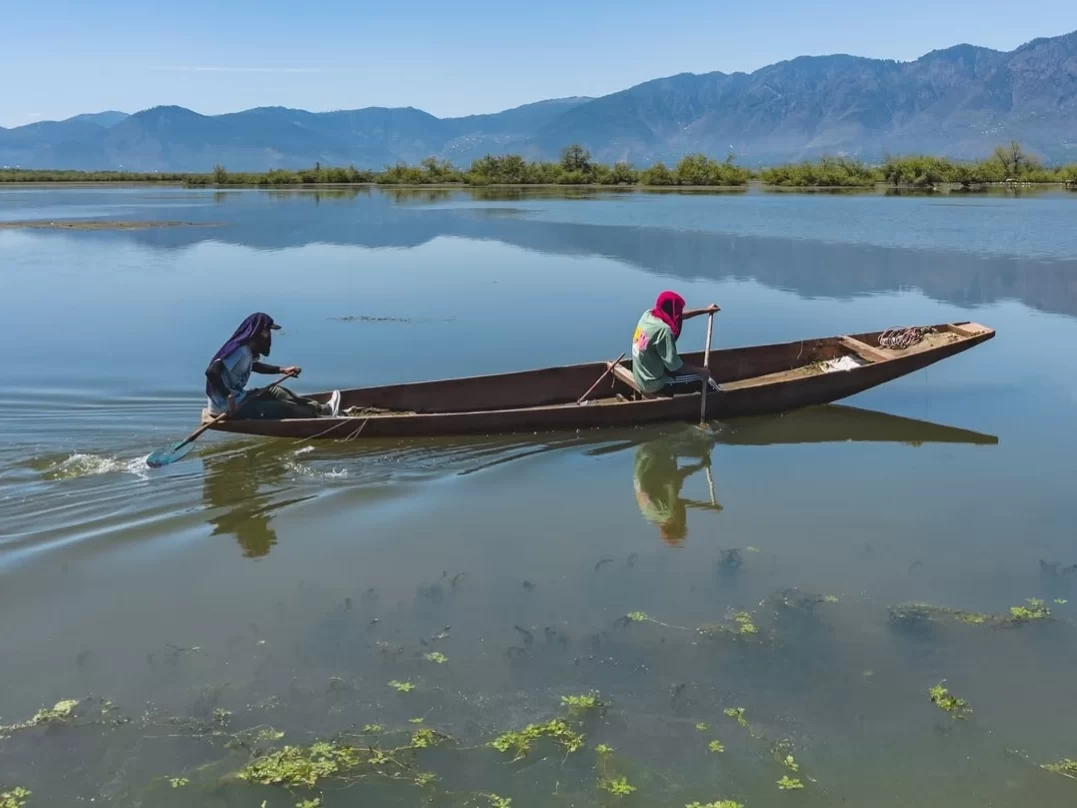
Visitors come to Wular Lake to experience one of Asia’s largest freshwater lakes, known for its expansive water body and surrounding wetlands. It attracts travelers interested in nature, birdwatching, and rural lakeside landscapes rather than commercial tourist hubs.
The on-ground atmosphere is calm and open, with gently sloping shores, marshy areas, and small fishing villages dotting the periphery. The lake’s size and stillness create a peaceful environment, especially during early mornings and late afternoons.
What makes Wular Lake distinct for travelers is its scale and ecological significance, offering views of migratory birds, floating vegetation, and local fishing activity. It suits visitors who value wide, natural landscapes and quiet observation over structured facilities or sightseeing circuits.
Wular Lake is one of the largest freshwater lakes in Asia, formed naturally by tectonic activity along the Jhelum River basin. Historically, it has served as a vital resource for local communities, providing fish, irrigation water, and seasonal flood control for surrounding settlements.
Throughout history, the lake’s islands and wetlands were sparsely inhabited due to seasonal flooding, but they supported small-scale fishing and reed harvesting by nearby villages. Wular also played a role in local transport and trade, acting as a natural waterway for moving goods in the region.
While the lake itself has no associated monuments or formal settlements, its historical significance lies in its ecological and economic role for the Kashmir Valley. It has shaped human activity, settlement patterns, and livelihoods for centuries, making it a critical natural landmark rather than a constructed or cultural heritage site.
Wular Lake is best visited when water levels are moderate, surrounding landscapes are accessible, and road conditions from Srinagar or Bandipora are safe, ensuring a full lakeside experience.
 Lake
Lake
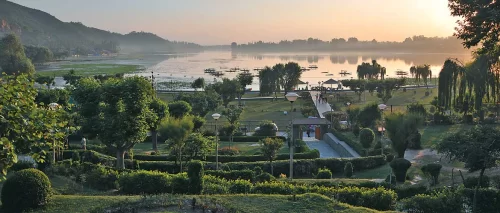
Manasbal Lake is a freshwater lake located in Ganderbal district, Jammu and Kashmir, surrounded by villages and gardens in the Kashmir Valley.
 Garden
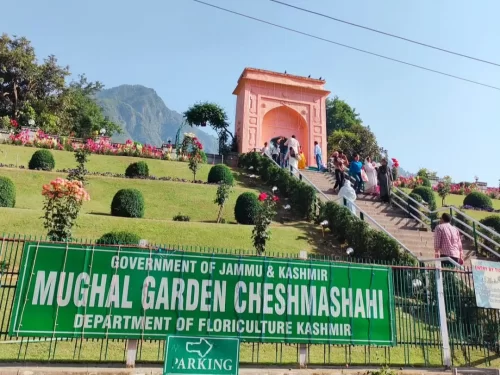
Mughal Garden refers to a group of historic terraced gardens located in Srinagar, Jammu and Kashmir, developed during the Mughal era and including famous sites such as Shalimar Bagh, Nishat Bagh, and Chashme Shahi.
 Market / Bazaar
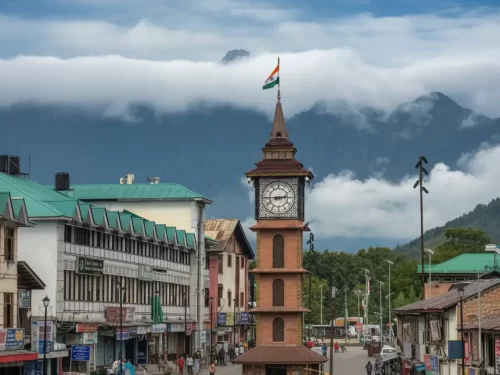
Lal Chowk is a central public square and commercial hub located in the heart of Srinagar city.
Get customized Jammu and Kashmir tour planning designed around seasonal weather patterns, valley travel routes, snow conditions, and realistic hill road timing. Whether you are visiting for scenic landscapes, serene lakes, spiritual journeys, meadow stays
⚡ Quick Response | 💰 Free consultation | 🕒 24×7 expert support

