Quick Facts About Shalimar Bagh
| Entry Fee | 25 |
| Timings | 07:00 - 18:00 |
| Altitude (m) | 1585 |
| Ideal Visit Duration (hrs) | 2 |
| Best Time of Day | Morning |
| Crowd Level | Moderate |
| Distance from Srinagar (km) | 5 |
| Walking Difficulty | Easy |
| Parking Available | Yes |
| Last Mile Access | Walk |
| Suitable for Kids | Yes |
| Suitable for Seniors | Yes |
| Wheelchair Friendly | Yes |
Why Visit Shalimar Bagh in Srinagar
Visitors come to Shalimar Bagh to experience one of Srinagar’s most prominent Mughal gardens, admired for its terraced layout, water channels, and historical significance. It attracts travelers interested in heritage, architecture, and leisurely garden walks.
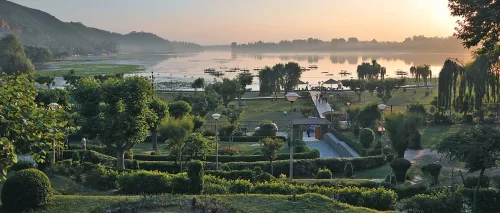
The on-ground atmosphere is serene yet vibrant, with fountains, chinar trees, and manicured lawns creating a balanced blend of natural beauty and structured design. Pathways and shaded areas make it comfortable for walking and photography.
What makes Shalimar Bagh distinct for travelers is its combination of Mughal architectural elegance, riverside location, and rich historical context. The garden’s design, coupled with the backdrop of Dal Lake and surrounding hills, offers a unique, immersive cultural experience.
History of Shalimar Bagh, Srinagar
Shalimar Bagh was built in 1619 by Mughal Emperor Jahangir for his wife Nur Jahan, making it one of the earliest and most prominent Mughal gardens in Kashmir. It served as a royal pleasure garden and a retreat from the city.
The garden follows the Persian-style charbagh layout with terraced levels, cascading fountains, and chinar trees, reflecting the Mughal emphasis on symmetry, water channels, and scenic vistas. It was historically used for leisure, poetry gatherings, and imperial ceremonies.
Over centuries, Shalimar Bagh has retained its historical and cultural significance, showcasing Mughal horticultural artistry. It continues to attract visitors for its landscaped terraces, architectural features, and views of Dal Lake.
Best Time to Visit Shalimar Bagh
Shalimar Bagh is best visited during spring and early autumn when the Mughal gardens are at their most vibrant, the weather is comfortable, and the surrounding Zabarwan hills are clearly visible.
- Ideal months: March to June and September to October, when flowers bloom and temperatures are moderate for strolling through the terraces.
- Weather during the best season: Mild to warm days, clear skies, and pleasant conditions for walking, photography, and enjoying the garden's fountains and pathways.
- Periods to avoid: November to February due to cold temperatures, occasional snowfall, and partially inaccessible garden areas.
How to Reach Shalimar Bagh, Srinagar
Shalimar Bagh is a historic Mughal garden in Srinagar, Jammu & Kashmir, known for its symmetrical terraces, fountains, and floral designs. It lies on the eastern side of Dal Lake and is a major tourist attraction within the city.
- Nearest Airport: Srinagar International Airport (Sheikh ul-Alam Airport), approximately 20 km away. Flights connect from Delhi, Mumbai, Bengaluru, and other major Indian cities. Taxis or app-based cabs take about 45–60 minutes to reach the garden depending on traffic.
- Nearest Railway Station: Srinagar Railway Station, around 13 km from Shalimar Bagh. Local taxis and auto-rickshaws are available for direct access.
- Road Access & Last-Mile Connectivity: The garden is reachable via Boulevard Road along Dal Lake, then a short drive through city streets. Private vehicles, taxis, and auto-rickshaws can reach the entrance. Parking is limited, so using a taxi or ride-hailing service is recommended. During peak tourist season, expect moderate traffic.
What to Expect When You Visit Shalimar Bagh
- Shalimar Bagh is a historic Mughal garden situated on the banks of Dal Lake. Expect terraced lawns, symmetrical flower beds, water channels, fountains, and views of the surrounding mountains.
- Facilities are moderate. There are paved walkways, benches, and some shaded areas. Restrooms are available near the entrance, but there are no cafes or dining options inside the garden.
- Accessibility involves walking along stone paths and gentle steps within the garden. While most areas are walkable, the stepped terraces may be challenging for seniors or those with mobility issues. Wheelchair access is limited.
- Visitors usually stroll through the garden, take photographs, and observe historical architecture. The atmosphere is serene but can become moderately crowded during weekends and peak tourist season.
- Typical visit duration ranges from 45 minutes to 1.5 hours, depending on time spent exploring the terraces and enjoying views of Dal Lake.
- Weather affects the experience: spring and summer are pleasant, monsoon may make paths slippery, and winters are cold. Appropriate clothing and footwear are recommended.
Important Visitor Information for Shalimar Bagh, Srinagar
- Crowd and Weather Notes: Shalimar Bagh experiences the highest footfall from April to October, especially during weekends and spring bloom. Summers are pleasant, while winters are cold with sparse visitors. Early mornings are generally quieter for photography and leisurely walks.
- Peak and Quiet Visiting Hours: Peak visiting hours are between 11:00 AM and 3:00 PM. Early morning (8:00 AM to 10:00 AM) or late afternoon (after 4:00 PM) visits provide a peaceful experience with fewer tourists.
- Dress Code: Modest and comfortable clothing is recommended. Comfortable walking shoes are advised as the garden has pathways, steps, and terraces.
- Safety Notes and Practical Cautions: Some pathways and steps can be slippery during rain or dew. Carry water, sun protection, and supervise children around water features. On-site amenities are limited.
Photography and Viewpoints at Shalimar Bagh, Srinagar
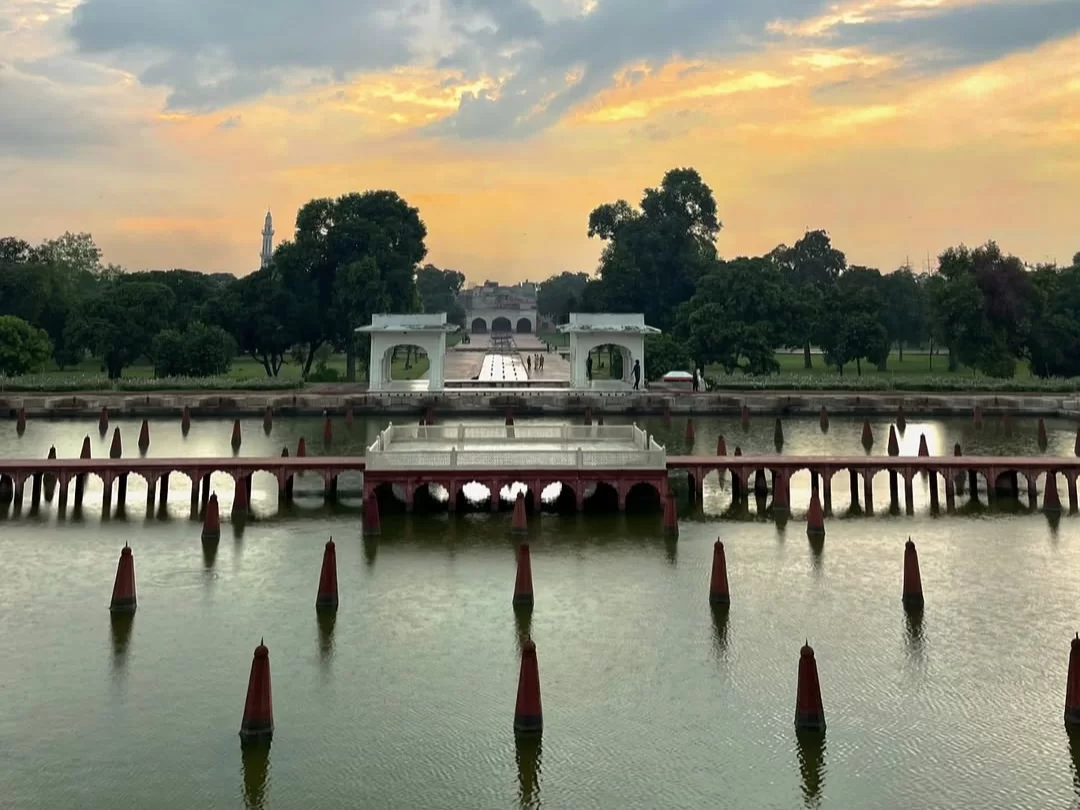
- The central water channel and cascading fountains offer wide-angle shots that emphasize the Mughal garden’s symmetry and its backdrop against Dal Lake.
- Side pathways and elevated terraces provide framing for close-ups of marble pavilions, floral beds, and intricate stone carvings.
- Early morning light (7–10 am) softly illuminates gardens and fountains, while late afternoon light adds warmth and enhances water reflections.
- Overcast days provide even lighting for capturing architectural details and flower colors without harsh shadows or glare.
- Photography is allowed for personal use; drones and professional setups may require permission from park authorities. Visitors should avoid stepping on flower beds.
- Weekends and peak tourist periods can be crowded; early arrival ensures unobstructed shots and better access to key viewpoints throughout the garden.