Quick Facts About Lal Chowk
| Entry Fee | Free |
| Timings | 10:00 - 20:00 |
| Altitude (m) | 1585 |
| Ideal Visit Duration (hrs) | 2 |
| Best Time of Day | Morning |
| Crowd Level | High |
| Distance from Srinagar (km) | 0 |
| Walking Difficulty | Easy |
| Parking Available | No |
| Last Mile Access | Walk |
| Suitable for Kids | Yes |
| Suitable for Seniors | Yes |
| Wheelchair Friendly | Yes |
Why Visit Lal Chowk in Srinagar
Visitors come to Lal Chowk to experience the central hub of Srinagar, known for its historical significance, political landmarks, and bustling commercial activity. It attracts travelers interested in the city’s urban culture and contemporary life.
The on-ground atmosphere is lively and dynamic, with shops, local eateries, and government buildings surrounding the open square. Crowds fluctuate throughout the day, creating a mix of energetic city vibes and casual exploration.
What makes Lal Chowk distinct for travelers is its role as both a historical and commercial center, offering insights into Srinagar’s civic life. The presence of iconic landmarks, combined with street-level commerce, makes it a focal point for cultural observation and urban photography.
History of Lal Chowk, Srinagar
Lal Chowk, established in the early 20th century, emerged as a central commercial and political hub in Srinagar. Its name, meaning “Red Square,” reflects its association with political movements and public gatherings in the region.
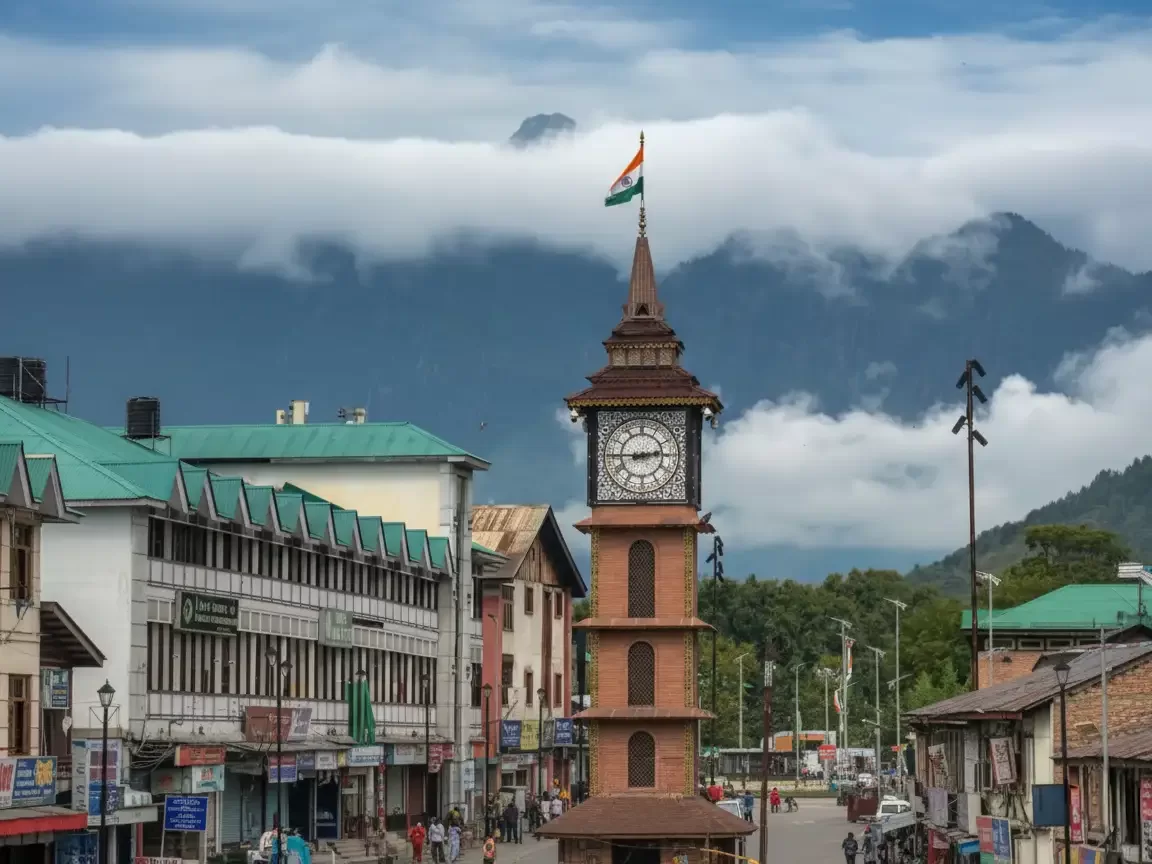
The area gained prominence during the struggle for Indian independence and later became a site for political rallies, speeches, and civic events. Its clock tower, constructed in the early 20th century, remains an iconic landmark symbolizing Srinagar’s urban development.
Today, Lal Chowk serves as a focal point of Srinagar’s civic, commercial, and cultural life. Its historical significance lies in its role as a center for public discourse, urban growth, and the city’s modern socio-political identity.
Best Time to Visit Lal Chowk
Lal Chowk is best visited during spring and autumn when the weather is pleasant, streets are lively, and sightseeing around Srinagar city is comfortable and enjoyable.
- Ideal months: March to June and September to October, when temperatures are moderate and outdoor walking is comfortable.
- Weather during the best season: Mild to warm days, clear skies, and calm conditions suitable for exploring shops, landmarks, and nearby attractions.
- Periods to avoid: November to February due to cold winter temperatures, occasional snowfall, and limited outdoor activity options.
How to Reach Lal Chowk, Srinagar
Lal Chowk is the commercial and political hub of Srinagar, Jammu & Kashmir, known for its historic clock tower, bustling markets, and central city location. It is easily accessible from different parts of the city.
- Nearest Airport: Srinagar International Airport (Sheikh ul-Alam Airport), approximately 12 km away. Flights connect from Delhi, Mumbai, Bengaluru, and other major Indian cities. Taxis or app-based cabs take around 30–40 minutes depending on traffic.
- Nearest Railway Station: Srinagar Railway Station, about 8 km from Lal Chowk. Local taxis, auto-rickshaws, and cycle rickshaws provide convenient access to the area.
- Road Access & Last-Mile Connectivity: Lal Chowk is well-connected via city roads. Private vehicles, taxis, and local buses can reach the area, though traffic congestion is common during peak hours. Limited parking is available; using taxis or ride-hailing services is recommended for ease of access.
What to Expect When You Visit Lal Chowk
- Lal Chowk is the commercial and historic center of Srinagar city. Expect bustling streets, government buildings, shops, and local markets with a mix of pedestrians, vehicles, and occasional street vendors.
- Facilities include basic urban amenities such as benches, local eateries nearby, and public restrooms in commercial areas. There are no dedicated tourist facilities or guided services directly at the chowk.
- Accessibility is straightforward via city roads. Walking within the market area is possible, but crowded streets and vehicular traffic require caution. Wheelchair navigation may be difficult due to uneven pavements and congested lanes.
- Visitors typically explore shops, observe local life, and take photographs of historic landmarks such as the clock tower. The area is lively, especially during daytime, with moderate crowding.
- Typical visit duration ranges from 30 minutes to 1 hour, depending on shopping or sightseeing interest.
- Weather impacts comfort: summers are moderate, winters can be cold, and rainy days may make streets slippery. Appropriate clothing and caution while walking are recommended.
Important Visitor Information for Lal Chowk, Srinagar
- Crowd and Weather Notes: Lal Chowk is busy throughout the year, with peak crowds during festivals, public events, and weekends. Summers are pleasant, while winters are cold. Traffic congestion can be high during peak hours.
- Peak and Quiet Visiting Hours: Peak hours are between 11:00 AM and 5:00 PM. Early mornings (before 10:00 AM) or late evenings (after 6:00 PM) offer a less crowded experience.
- Dress Code: Casual, modest clothing is appropriate. Comfortable walking shoes are recommended for navigating busy streets and sidewalks.
- Safety Notes and Practical Cautions: Lal Chowk is a commercial and traffic-heavy area; stay aware of vehicles and pickpockets. Avoid carrying large valuables, follow traffic rules, and use pedestrian crossings. Facilities like ATMs and eateries are available, but exercise caution during peak crowds.
Photography and Viewpoints at Lal Chowk, Srinagar
- The central square offers wide-angle shots capturing the iconic clock tower, surrounding shops, and urban streetscape in a single frame.
- Approach streets and corners provide framing opportunities for close-ups of architectural details, market activity, and signage.
- Early morning light (7–10 am) produces softer shadows and clearer streets, while late afternoon light enhances the vibrancy of shop fronts and street colors.
- Overcast days are ideal for even lighting, reducing glare from building façades and reflective surfaces on streets.
- Photography is allowed for tourists; however, interiors of nearby government buildings or restricted areas are off-limits. Tripods and professional equipment may require permission.
- Peak hours, especially midday, are crowded; visiting early or late ensures unobstructed shots and better control over compositions of the busy square.