Quick Facts About Nishat Bagh
| Entry Fee | 25 |
| Timings | 07:00 - 18:00 |
| Altitude (m) | 1585 |
| Ideal Visit Duration (hrs) | 2 |
| Best Time of Day | Morning |
| Crowd Level | Moderate |
| Distance from Srinagar (km) | 6 |
| Walking Difficulty | Easy |
| Parking Available | Yes |
| Last Mile Access | Walk |
| Suitable for Kids | Yes |
| Suitable for Seniors | Yes |
| Wheelchair Friendly | Yes |
Why Visit Nishat Bagh in Srinagar
Visitors come to Nishat Bagh to explore one of the largest Mughal gardens in Srinagar, known for its terraced design and stunning views of Dal Lake. It attracts travelers interested in heritage, landscape architecture, and scenic strolls.
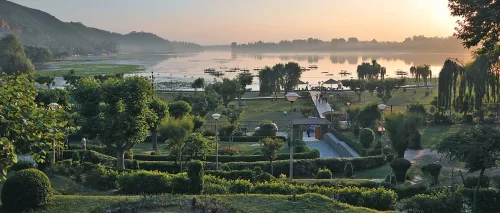
The on-ground atmosphere is peaceful and visually harmonious, with cascading water channels, flowerbeds, and cypress trees creating a structured yet natural environment. The garden’s open terraces offer space for leisurely walks and photography.
What makes Nishat Bagh distinct for travelers is its elevated position overlooking Dal Lake, providing uninterrupted panoramic views. The combination of Mughal garden design and lakeside scenery offers a memorable cultural and visual experience unlike other city gardens.
History of Nishat Bagh, Srinagar
Nishat Bagh was built in 1633 by Asif Khan, the elder brother of Empress Nur Jahan, as a Mughal pleasure garden overlooking Dal Lake. It is the second-largest Mughal garden in Kashmir and was designed to serve as a private retreat for the elite.
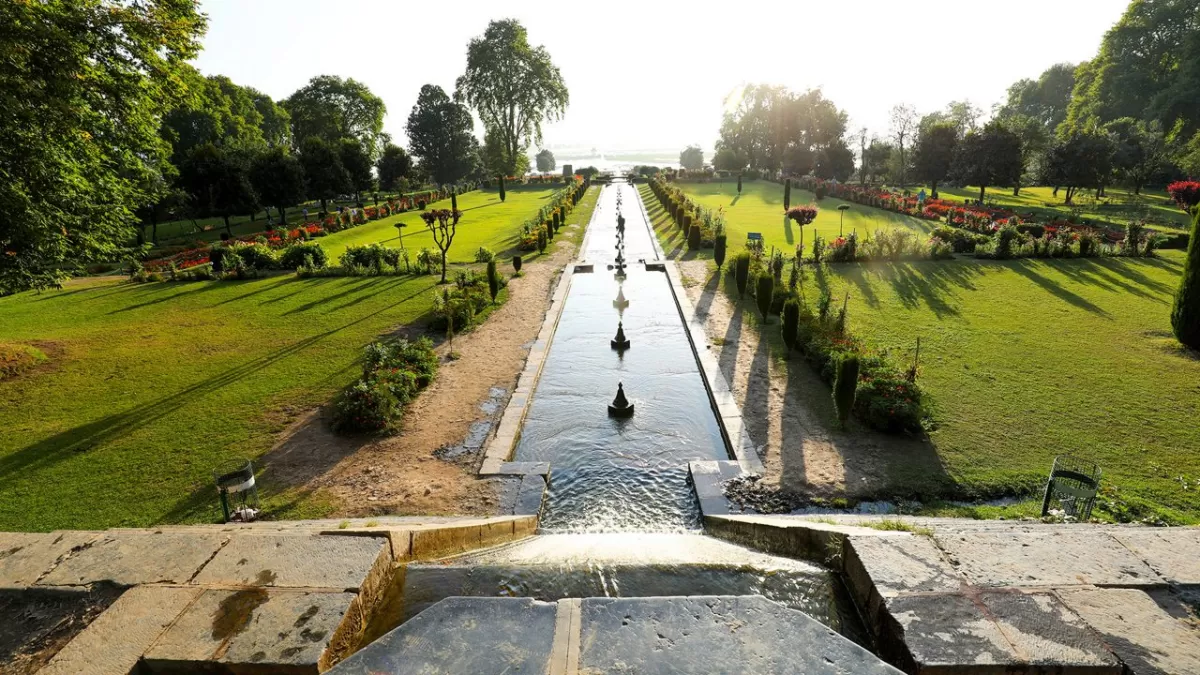
The garden features twelve terraced levels symbolizing the twelve zodiac signs, with cascading fountains, symmetrical flowerbeds, and cypress-lined pathways, exemplifying the Persian-inspired Mughal charbagh style. It historically hosted gatherings, poetry recitals, and leisure activities for the Mughal nobility.
Nishat Bagh continues to be an important cultural and historical landmark, representing Mughal landscaping sophistication. Its terraces, water features, and vistas of Dal Lake attract visitors seeking both scenic beauty and insight into 17th-century Mughal aesthetics.
Best Time to Visit Nishat Bagh
Nishat Bagh is best visited during spring and early autumn when the terraced gardens are in full bloom, the weather is pleasant, and views of Dal Lake and the surrounding hills are unobstructed.
- Ideal months: March to June and September to October, offering vibrant flowers and comfortable temperatures for walking and photography.
- Weather during the best season: Mild to warm days, clear skies, and calm conditions for exploring the garden’s water features and terraces.
- Periods to avoid: November to February due to cold winter temperatures, possible snowfall, and reduced accessibility within the garden.
How to Reach Nishat Bagh, Srinagar
Nishat Bagh is a famous Mughal garden in Srinagar, Jammu & Kashmir, located on the eastern shores of Dal Lake. It is renowned for its terraced layout and scenic views of the lake and surrounding mountains.
- Nearest Airport: Srinagar International Airport (Sheikh ul-Alam Airport), approximately 22 km away. The airport has regular flights from Delhi, Mumbai, Bengaluru, and other major cities. Taxis or app-based cabs take around 45–60 minutes depending on traffic.
- Nearest Railway Station: Srinagar Railway Station, about 15 km from Nishat Bagh. Visitors can hire taxis or auto-rickshaws to reach the garden.
- Road Access & Last-Mile Connectivity: Nishat Bagh is accessible via Boulevard Road along Dal Lake. Private vehicles, taxis, and auto-rickshaws can reach the entrance. Parking near the garden is limited, and during peak tourist season, traffic may slow access, so allocating extra time is advisable.
What to Expect When You Visit Nishat Bagh
- Nishat Bagh is a terraced Mughal garden on the eastern banks of Dal Lake. Expect symmetrical lawns, cascading water channels, flower beds, and scenic views of the lake backed by the Zabarwan mountains.
- Facilities are adequate. Visitors will find paved walkways, benches, and some shaded areas. Restrooms are available near the entrance, but there are no cafes inside the garden.
- Accessibility involves walking on stone paths and gently sloping terraces. Some steps are present between levels, making it moderately challenging for seniors or visitors with mobility issues. Wheelchair access is limited to lower terraces.
- Visitors generally stroll through the terraces, take photographs, and enjoy the lake view. The atmosphere is peaceful but can get busy during weekends and festival seasons.
- Typical visit duration ranges from 45 minutes to 1.5 hours, depending on interest in photography and exploring all terrace levels.
- Weather affects the experience: spring offers the best blooms, summer is pleasant, monsoon may make paths slippery, and winters are cold. Wear appropriate footwear and layered clothing for comfort.
Important Visitor Information for Nishat Bagh, Srinagar
- Crowd and Weather Notes: Nishat Bagh attracts most visitors from April to October, especially during spring and early summer. Summers are pleasant, while winters are cold with minimal visitors. Early mornings are quieter and ideal for photography.
- Peak and Quiet Visiting Hours: Peak hours are between 11:00 AM and 3:00 PM. Early morning (8:00 AM to 10:00 AM) or late afternoon (after 4:00 PM) visits offer a more peaceful experience with fewer tourists.
- Dress Code: Modest and comfortable clothing is recommended. Wear comfortable shoes as the garden features stepped terraces and walking paths.
- Safety Notes and Practical Cautions: Steps and terraces may be slippery during rain or morning dew. Supervise children near water channels and flower beds. Carry water and sun protection; facilities on-site are limited.
Photography and Viewpoints at Nishat Bagh, Srinagar
- The central water channel and terraced layout provide excellent wide-angle shots capturing the Mughal garden’s symmetry and the Zabarwan Range in the background.
- Upper terraces and side pathways allow framing for close-ups of fountains, floral beds, and decorative pavilions.
- Morning light (7–10 am) softly illuminates the terraces and water features, while late afternoon light adds warm tones to stonework and enhances reflections on the channels.
- Overcast days help capture even lighting for flower beds and architectural details without glare, especially during peak bloom seasons.
- Photography is permitted for personal use; drones or professional equipment require prior permission from authorities, and visitors should stay on designated paths to protect plants.
- Peak hours and weekends can be crowded; early visits allow clearer frames and better access to central viewpoints across the garden.