Quick Facts About Strawberry Valley
| Entry Fee | Free |
| Timings | 06:00 - 18:00 |
| Altitude (m) | 2650 |
| Ideal Visit Duration (hrs) | 1 |
| Best Time of Day | Morning |
| Crowd Level | Low |
| Distance from Gulmarg (km) | 2 |
| Walking Difficulty | Moderate |
| Parking Available | No |
| Last Mile Access | Walk |
| Suitable for Kids | Yes |
| Suitable for Seniors | Yes |
| Wheelchair Friendly | No |
Why Visit Strawberry Valley in Gulmarg
Visitors come to Strawberry Valley for a short, nature-focused walk away from Gulmarg’s main activity zones. It is typically visited by travelers looking for a quieter spot to relax, stroll, and enjoy open meadow scenery without structured sightseeing.
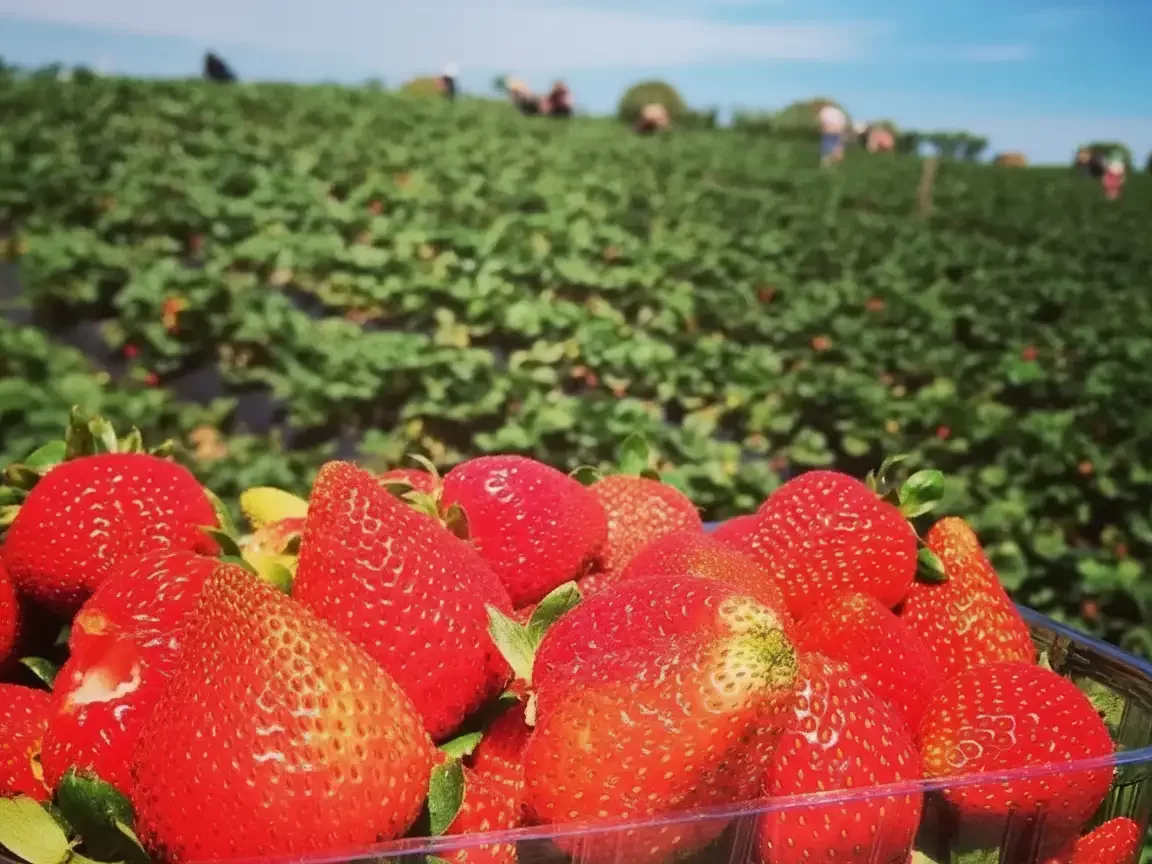
The on-ground atmosphere is calm and uncrowded, with grassy stretches, gentle slopes, and views of surrounding pine-covered hills. During summer, small strawberry plants can be seen growing naturally, adding a seasonal character to the landscape.
What makes Strawberry Valley distinct for travelers is its simplicity and low footfall, offering a peaceful alternative to busier areas of Gulmarg. It suits visitors who prefer slow walks, light photography, and time spent in natural surroundings rather than attractions or activities.
History of Strawberry Valley, Gulmarg
Strawberry Valley does not have a recorded historical background linked to dynasties, settlements, or major events. Historically, the area functioned as part of Gulmarg’s open meadow system, used primarily for seasonal grazing and natural regeneration rather than permanent habitation or agriculture.
The name “Strawberry Valley” emerged in recent decades, inspired by the presence of wild strawberries that naturally grow in the grassy patches during summer. This informal naming reflects modern visitor experiences rather than historical or administrative recognition.
Its relevance today is tied to Gulmarg’s evolution as a leisure destination, where previously utilitarian grasslands gradually became identified as quiet scenic pockets for short walks and photography. The valley’s history is therefore defined by natural use and recent tourism association, not by cultural, religious, or architectural heritage.
Best Time to Visit Strawberry Valley Gulmarg
Strawberry Valley in Gulmarg is best experienced during the short summer period when the meadows are green, local strawberry cultivation is active, and the valley can be reached on foot or horseback without weather-related difficulties.
- Ideal months: June to August, when strawberry plants are visible and the valley landscape is at its most vibrant.
- Weather during the best season: Cool to mild daytime temperatures, clear skies, lush grasslands, and comfortable conditions for walking and short exploration.
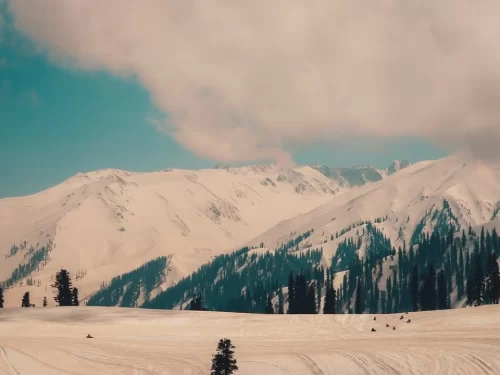
- Periods to avoid: November to April due to snowfall, muddy or snow-covered trails, and limited accessibility from Gulmarg.
How to Reach Strawberry Valley, Gulmarg
- Nearest Airport: Srinagar International Airport (Sheikh ul-Alam Airport), approximately 55 km from Gulmarg. The airport has regular flights from major Indian cities. From the airport, taxis to Gulmarg are easily available, with travel time usually between 2 to 3 hours depending on traffic and weather.
- Nearest Railway Station: Srinagar Railway Station (Nowgam), about 50 km away. It is connected to the Banihal section of the Kashmir rail network. From the station, visitors must hire a taxi to reach Gulmarg, as there is no direct public transport to the resort town.
- Road Access & Last-Mile Connectivity: Strawberry Valley is located close to the main Gulmarg meadow and can be reached on foot from central Gulmarg within 15 to 25 minutes. No motorable road leads directly to the valley. The walking trail is easy and suitable for most visitors, but during winter months, heavy snowfall can restrict access or make paths slippery, limiting entry based on weather conditions.
What to Expect When You Visit Strawberry Valley Gulmarg
- The environment at Strawberry Valley Gulmarg is open and meadow-based, surrounded by pine forests and gentle slopes. The area feels quiet and natural, without landscaping or defined viewpoints.
- There are no facilities on site. Visitors should not expect restrooms, shops, food stalls, or seating, and must carry water and basic necessities from Gulmarg.
- Accessibility involves walking from the main Gulmarg area along grassy and dirt paths. The terrain is uneven and can be slippery after rain or during snowmelt.
- Movement within the valley is unrestricted, but walking is slow due to soft ground and open meadow conditions rather than paved paths.
- Visitor presence is generally low. Most people stop briefly for photography or short walks, and the area rarely feels crowded.
- Weather has a strong impact on comfort. The open meadow offers little shelter from sun, wind, or cold, and conditions can change quickly even during summer.
Important Visitor Information for Strawberry Valley, Gulmarg
- Crowd and Weather Notes: Strawberry Valley remains quieter than Gulmarg’s main meadow, though visitor numbers rise during peak summer months from June to August. Weather stays cool even in summer, with sudden fog, light rain, and temperature drops common in the afternoon.
- Peak and Quiet Visiting Hours: Late morning to early afternoon is the most practical time to visit, offering better visibility and comfortable walking conditions. Early mornings can be damp and cold, while evenings often bring fog and reduced visibility.
- Dress Code: No formal dress code applies, but warm layers are recommended due to Gulmarg’s alpine climate. Comfortable walking shoes are important, as the valley is accessed on foot through grassy and uneven terrain.
- Safety Notes and Practical Cautions: There are no facilities, shops, or shelters in Strawberry Valley. Paths can become slippery after rain, and weather changes quickly. Visitors should return before late afternoon and avoid venturing off visible trails.
Photography and Viewpoints at Strawberry Valley, Gulmarg
- The open meadow stretch of Strawberry Valley offers the best viewpoints, with rolling grasslands in the foreground and dense pine forests forming a natural backdrop.
- Wide frames work best from the slightly raised meadow edges, allowing photographers to capture the valley’s gentle slopes without nearby tourist activity entering the shot.
- Morning light between 7 am and 9 am is ideal, as soft sunlight highlights the green tones of the meadow and keeps shadows minimal across the open landscape.
- Late afternoon light adds warmer tones to the grass but can create uneven shadows due to surrounding trees, making exposure control more challenging.
- Photography is permitted for personal use, with no formal restrictions, but visitors should avoid stepping into fenced or cultivated areas to protect the meadow.
- The valley remains relatively uncrowded compared to central Gulmarg, though occasional pony movement and walkers may affect uninterrupted wide-angle shots.