Quick Facts About Apharwat Peak
| Entry Fee | Free |
| Timings | 06:00 - 18:00 |
| Altitude (m) | 2300 |
| Ideal Visit Duration (hrs) | 1 |
| Best Time of Day | Morning |
| Crowd Level | Moderate |
| Distance from Srinagar (km) | 30 |
| Walking Difficulty | Moderate |
| Parking Available | No |
| Last Mile Access | Walk |
| Suitable for Kids | Yes |
| Suitable for Seniors | No |
| Wheelchair Friendly | No |
Why Visit Apharwat Peak in Gulmarg
Visitors come to Apharwat Peak to reach one of the highest accessible points around Gulmarg, known for its wide mountain views and long-lasting snow cover. It is a key stop for travelers using the Gulmarg Gondola and for those interested in high-altitude scenery rather than meadow landscapes.
The on-ground atmosphere is cold, exposed, and expansive, with strong winds and open ridgelines dominating the experience. Even during summer, snow patches and low temperatures shape how long visitors can comfortably stay at the peak.
What makes Apharwat Peak distinct for travelers is its altitude and scale, offering views that extend deep into surrounding mountain ranges and, on clear days, across the Line of Control area. It suits visitors prepared for thin air, limited facilities, and brief but intense high-altitude exposure.
History of Apharwat Peak, Gulmarg
Apharwat Peak has no recorded history related to settlements, rulers, or constructed heritage. Its significance has always been geographical, shaped by its high altitude, steep gradients, and prolonged snow cover rather than human occupation.
Historically, the upper slopes of Apharwat were accessed only seasonally by local shepherds moving livestock across alpine meadows during short summer windows. Harsh weather conditions and heavy snowfall kept the peak largely isolated for most of the year.
Apharwat Peak entered broader awareness in the modern era with the development of Gulmarg as a hill resort and, later, with the introduction of cable car access. Its historical relevance is therefore rooted in long-standing natural isolation and terrain-driven land use, not in cultural or political history.
Best Time to Visit Apharwat Peak Gulmarg
Apharwat Peak is best visited when the Gondola operates smoothly and weather conditions allow safe movement at very high altitude, as visibility, wind, and snow conditions directly shape the experience.
- Ideal months: May to October for sightseeing and views; January to February for experienced snow enthusiasts when Gondola Phase 2 is operational.
- Weather during the best season: Cold temperatures year-round, strong winds at the summit, clear panoramic views on calm summer days, and deep snow cover during peak winter.
- Periods to avoid: Late March to April and November due to unstable snow, frequent Gondola suspensions, poor visibility, and rapid weather changes.
How to Reach Apharwat Peak, Gulmarg
- Nearest Airport: Srinagar International Airport (Sheikh ul-Alam Airport), approximately 60 km from Gulmarg. The airport has regular flights from major Indian cities. From the airport, taxis to Gulmarg are easily available, and the journey usually takes 2.5 to 3 hours depending on traffic, weather, and security checks.
- Nearest Railway Station: Srinagar Railway Station (Nowgam), around 55 km away. It is connected to the Banihal section of the Kashmir rail network. From the station, visitors must hire a taxi to reach Gulmarg, as there is no direct rail or public bus connectivity to the resort town.
- Road Access & Last-Mile Connectivity: Apharwat Peak is accessed via the Gulmarg Gondola cable car. Visitors must first reach Gulmarg by road through Tangmarg. From Gulmarg, the Gondola Phase I operates up to Kongdoori, and Phase II continues to Apharwat Peak. There is no motorable road beyond Gulmarg. Gondola operations are weather-dependent and may be suspended due to strong winds, snowfall, or low visibility, especially during winter.
What to Expect When You Visit Apharwat Peak
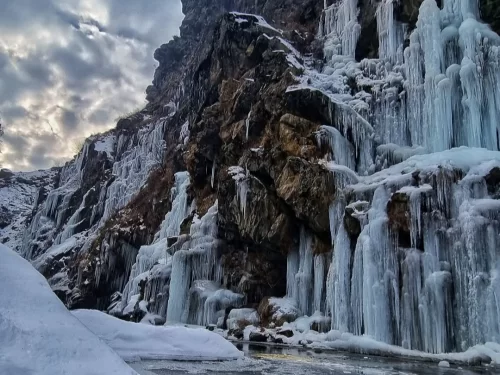
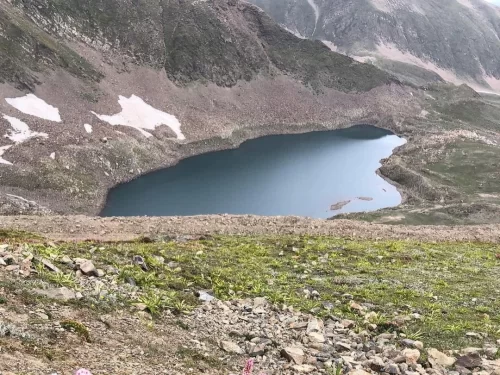
- The environment at Apharwat Peak is high-altitude and exposed, with rocky terrain, snowfields, and wide mountain views. The setting feels raw and cold rather than developed or sheltered.
- Facilities are extremely limited. Apart from basic ropeway stations, there are no restrooms, food outlets, or heated shelters at higher levels.
- Accessibility depends on the Gulmarg Gondola and weather conditions. Sudden closures due to wind, snow, or visibility are common and beyond visitor control.
- Movement beyond designated areas is restricted. Walking on snow and loose rock requires caution, and venturing off marked zones is unsafe due to steep drops and avalanche risk.
- Visitor behavior involves short stops for views and photographs. Prolonged stays are uncommon because of cold temperatures and low oxygen levels.
- Weather changes rapidly. Strong winds, snowfall, and whiteout conditions can occur without warning, making the experience highly weather-dependent.
Important Visitor Information for Apharwat Peak, Gulmarg
- Crowd and Weather Notes: Apharwat Peak attracts significant visitor numbers during the gondola operating season, especially in summer and peak winter snowfall periods. Weather conditions change rapidly, with strong winds, dense fog, and sudden temperature drops common at higher altitudes.
- Peak and Quiet Visiting Hours: Peak hours are late morning to early afternoon when most visitors reach Phase 2 of the Gulmarg Gondola. Early arrivals offer clearer views and comparatively calmer conditions, while late afternoons often see reduced visibility.
- Dress Code: No formal dress code applies, but heavy winter clothing, gloves, and insulated footwear are essential throughout the year due to extreme cold and wind exposure at the summit.
- Safety Notes and Practical Cautions: Apharwat Peak lies close to the Line of Control, and access is restricted beyond designated points. Visitors must follow all instructions issued by gondola staff and security personnel. Avoid venturing into unmarked snowfields, as avalanche-prone zones exist beyond permitted areas.
Photography and Viewpoints at Apharwat Peak, Gulmarg
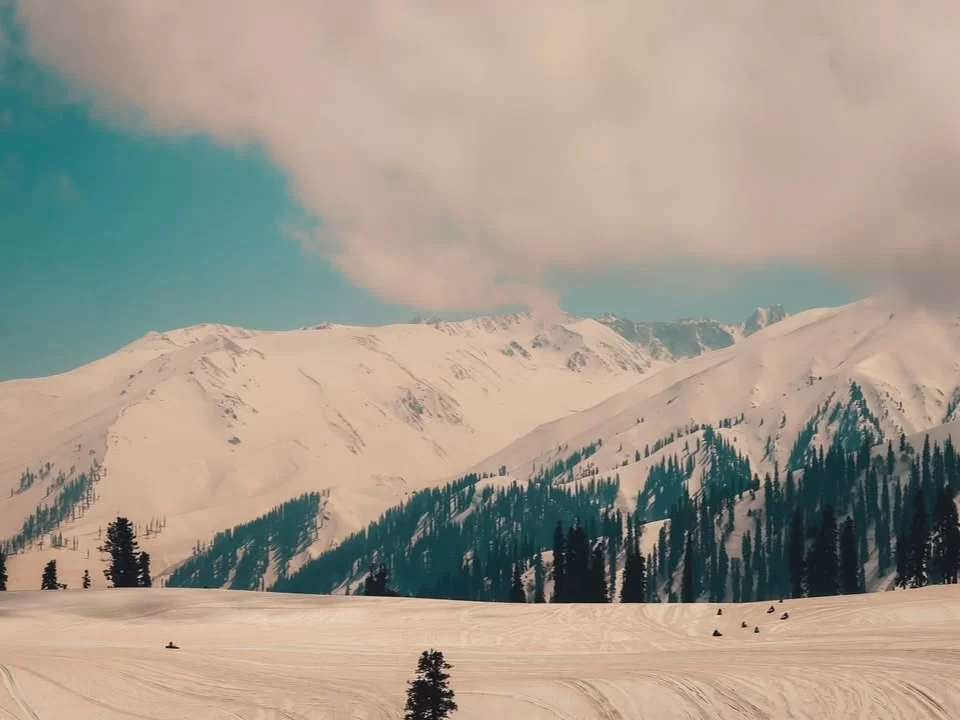
- The summit area near the Phase II gondola station offers the widest viewpoints, with panoramic views of snow-covered ridges, alpine slopes, and distant Himalayan ranges.
- Natural ridgelines slightly away from the station provide cleaner frames by reducing visual clutter from cables and structures, ideal for expansive landscape shots.
- Morning light between 9 am and 11 am works best for photography, as visibility is usually clearer before clouds and strong winds develop at higher altitude.
- Late afternoon conditions change quickly, with shifting clouds and harsh side light that can obscure distant peaks and reduce contrast consistency.
- Photography is allowed for personal use, but movement beyond designated areas is restricted due to avalanche risk and military-sensitive zones.
- Crowds concentrate near the gondola exit points, especially during peak season, which can limit uninterrupted viewpoints unless you walk a short distance away.