Quick Facts About Alpather Lake
| Entry Fee | Free |
| Timings | 09:00 - 17:00 |
| Altitude (m) | 4390 |
| Ideal Visit Duration (hrs) | 1 |
| Best Time of Day | Morning |
| Crowd Level | Moderate |
| Distance from Gulmarg (km) | 13 |
| Walking Difficulty | Moderate |
| Parking Available | No |
| Last Mile Access | Trek |
| Suitable for Kids | No |
| Suitable for Seniors | No |
| Wheelchair Friendly | No |
Why Visit Alpather Lake near Gulmarg
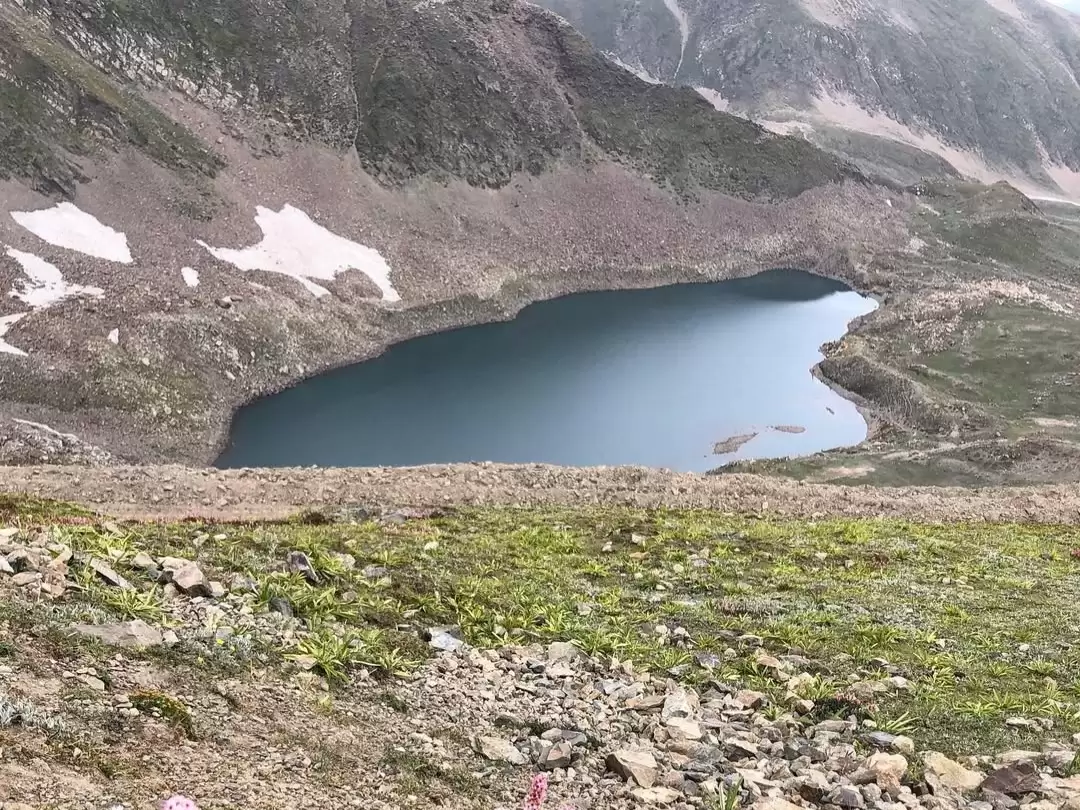
Visitors come to Alpather Lake to see a high-altitude alpine lake set at the base of rocky ridgelines, often remaining partially frozen well into summer. It attracts travelers who want a raw mountain landscape beyond Gulmarg’s main meadow areas.
The on-ground atmosphere is stark and quiet, with minimal vegetation, cold winds, and dramatic terrain dominating the setting. The lake feels isolated, and weather conditions can change quickly, reinforcing the sense of being in a high Himalayan environment.
What makes Alpather Lake distinct for travelers is its seasonal character and remote feel, offering a visually striking contrast to Gulmarg’s greener zones. It suits visitors who are comfortable with basic access conditions and value natural scenery over facilities or comfort.
History of Alpather Lake, Gulmarg
Alpather Lake has no documented history connected to settlements, dynasties, or constructed heritage. It is a natural high-altitude lake formed through glacial and snowmelt processes in the upper reaches beyond Gulmarg, near the Apharwat range.
Historically, the lake area remained largely inaccessible for most of the year due to heavy snowfall and rugged terrain. It was known primarily to local shepherds and seasonal travelers who passed through the high meadows during brief summer months.
Alpather Lake gained wider recognition only in recent decades with improved access to higher slopes of Gulmarg. Its historical relevance lies in its long-standing natural isolation and unchanged landscape rather than human activity, making it a geographic feature shaped almost entirely by climate and terrain.
Best Time to Visit Alpather Lake Gulmarg
Alpather Lake near Gulmarg is best visited during the short summer window when the trekking route is snow-free, access from Apharwat is possible, and the frozen lake begins to thaw, revealing its dramatic alpine setting.
- Ideal months: June to September, when the trail from Gulmarg via Apharwat is accessible and weather conditions are relatively stable.
- Weather during the best season: Cold to cool temperatures even in summer, lingering snow patches around the lake, strong winds, and clear views on fair-weather days.
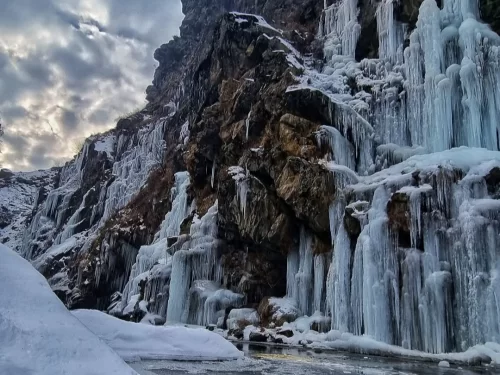
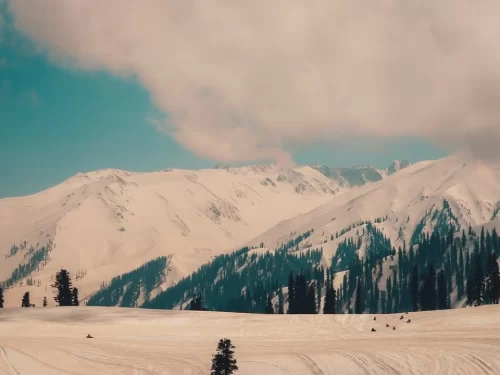
- Periods to avoid: October to May due to heavy snowfall, completely frozen lake surface, closed access routes, and high risk from extreme cold and sudden weather changes.
How to Reach Alpather Lake, Gulmarg
- Nearest Airport: Srinagar International Airport (Sheikh ul-Alam Airport), approximately 60 km from Gulmarg. The airport has regular flights from major Indian cities. From the airport, taxis to Gulmarg are readily available, and the drive usually takes 2.5 to 3 hours depending on traffic and weather conditions.
- Nearest Railway Station: Srinagar Railway Station (Nowgam), about 55 km away. It is connected to the Banihal section of the Kashmir rail network. From the station, visitors must hire a taxi to reach Gulmarg, as there is no direct rail or bus connectivity beyond Tangmarg.
- Road Access & Last-Mile Connectivity: Alpather Lake is located near the Apharwat Peak area and is not accessible by road. Visitors must first reach Gulmarg by road via Tangmarg. From Gulmarg, the Gondola cable car is taken up to Phase II (Apharwat). From the upper station, Alpather Lake is reached by a short trek of around 1.5 to 2 km over uneven terrain. The lake remains frozen for most of the winter, and access may be restricted due to snow, strong winds, or Gondola closures caused by weather conditions.
What to Expect When You Visit Alpather Lake
- The environment at Alpather Lake is stark and high-altitude, with a rocky basin often surrounded by snow even in summer. The setting feels remote and exposed rather than scenic in a landscaped sense.
- There are no facilities at the lake. No restrooms, shops, shelters, or food options are available, so visitors must carry water, snacks, and warm clothing.
- Accessibility requires effort. Reaching the lake typically involves a long hike or pony ride over uneven terrain from Apharwat or Gulmarg areas, which can be physically demanding.
- Movement around the lake is limited by rocks, loose stones, and snow patches. Walking can be slippery, and there are no marked paths or safety railings.
- Visitor numbers are generally low due to the effort required to reach the lake. Most visitors spend a short time here for viewing and photography before returning.
- Weather conditions are harsh and unpredictable. Cold winds, sudden snowfall, or fog are common, and temperatures can drop quickly even on clear days.
Important Visitor Information for Alpather Lake, Gulmarg
- Crowd and Weather Notes: Alpather Lake remains lightly visited due to its remote location beyond Khilanmarg. Weather is cold even in peak summer, with strong winds and sudden cloud cover common. Snow often surrounds the lake until early summer, and temperatures drop sharply in the afternoon.
- Peak and Quiet Visiting Hours: Late morning to early afternoon offers the safest window for visiting, with better visibility and relatively stable weather. Early mornings are extremely cold, while late afternoons increase the risk of fog and rapid weather changes.
- Dress Code: No formal dress code applies, but heavy woolens, windproof jackets, gloves, and trekking shoes are essential due to exposed terrain and low temperatures year-round.
- Safety Notes and Practical Cautions: There are no facilities, shelters, or medical support near Alpather Lake. The approach involves trekking or pony rides over uneven and rocky terrain. Visitors should avoid walking on snow-covered or icy edges of the lake and must return before weather conditions deteriorate.
Photography and Viewpoints at Alpather Lake, Gulmarg
- The rocky shoreline on the western edge offers the clearest viewpoints, where still water reflects surrounding cliffs and seasonal snow patches.
- Wide-angle shots work best from a slightly elevated position above the lake, allowing the full bowl-shaped setting to be captured without foreground clutter.
- Morning light between 8 am and 10 am provides softer reflections and clearer mountain detail, as wind tends to pick up later in the day and disturb the water surface.
- Late afternoon light adds contrast to the rocky slopes, but shadows fall quickly due to surrounding terrain, reducing usable shooting time.
- Photography is allowed for personal use, with no formal restrictions, but visitors should avoid venturing onto snow-covered or unstable rocks near the water.
- Crowds are generally low due to the trekking approach, offering quiet conditions for photography, though cloud cover can build rapidly and limit visibility.