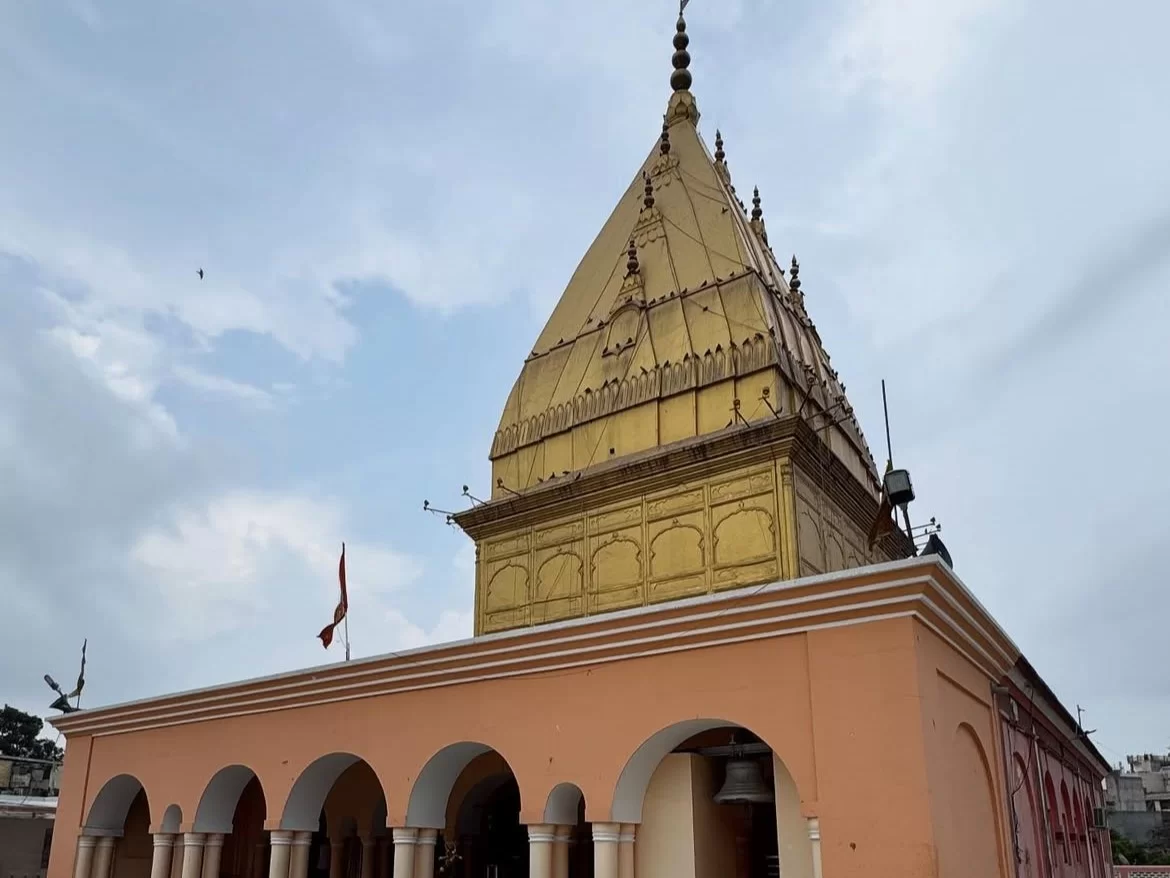
Shri Ranbireshwar Temple, Niranjani Akhara, Jammu, Jammu and Kashmir, India

Shri Ranbireshwar Temple , Jammu
Shri Ranbireshwar Temple is known for its large Shiva Lingam and multiple smaller lingams placed across the temple hall. Built during the reign of Maharaja Ranbir Singh, it remains an important site for daily worship and Shivratri observances.

Quick Facts About Shri Ranbireshwar Temple

Entry Fee Free
Timings 05:00 - 21:00
Altitude (m) 327
Ideal Visit Duration (hrs) 1
Best Time of Day Morning
Crowd Level Moderate
Distance from Jammu (km) 2
Walking Difficulty Easy
Parking Available No
Last Mile Access Road
Suitable for Kids Yes
Suitable for Seniors Yes
Wheelchair Friendly No

Why Visit Shri Ranbireshwar Temple, Niranjani Akhara in Jammu

Shri Ranbireshwar Temple is one of the Shiva temples in Jammu, known for its large central Shiva Lingam and the row of smaller crystal and stone lingams placed along the hall. Devotees visit to perform jalabhishek and offer prayers in a spacious indoor setting that accommodates continuous footfall.

The on-ground atmosphere is calm and structured compared to busier shrines, with a steady rhythm of devotees, priests, and ritual activity throughout the day. Located near Shalimar Road, the temple remains accessible yet maintains a focused devotional environment within its enclosed complex.

What makes Shri Ranbireshwar Temple distinct is its linear arrangement of multiple lingams and the scale of its main sanctum within a city setting. Unlike hilltop or cave temples, it offers a direct, uncluttered darshan experience centered on Shiva worship in an organized indoor space.

History of Shri Ranbireshwar Temple, Niranjani Akhara, Jammu

Shri Ranbireshwar Temple, situated in Jammu city, is a significant temple dedicated to Lord Shiva. The temple was constructed in 1883 by Maharaja Ranbir Singh, reflecting the Dogra dynasty’s support for Hindu religious institutions.

The temple is renowned for its large Shiva Lingam carved from a single stone, accompanied by several smaller lingams within the complex. It has historically served as a center for Shaivite worship in the region.

Its connection with Niranjani Akhara, a well-known Hindu monastic order, enhances the temple’s spiritual importance, linking it with ascetic practices and broader religious traditions.

Shri Ranbireshwar Temple continues to be a key place of worship in Jammu, preserving its historical legacy and remaining central to local religious life.

Best Time to Visit Shri Ranbireshwar Temple, Niranjani Akhara

Shri Ranbireshwar Temple, located within the historic Niranjani Akhara in Jammu, is best experienced during the cooler months when the weather is comfortable and temple activities are in full swing.
  • Ideal months: October to March, including Maha Shivratri for special rituals and festivities
  • Weather conditions: Mild to cool with temperatures ranging from 10°C to 25°C, perfect for exploring the temple complex and participating in devotional ceremonies
  • Periods to avoid: May to June due to extreme summer heat, often above 40°C, and July to August during monsoon rains, which can make local travel and temple visits uncomfortable

How to Reach Shri Ranbireshwar Temple, Niranjani Akhara (Jammu, Jammu & Kashmir, India)

  • Nearest Airport: Jammu Airport (Satwari Airport), approximately 7 km from Shri Ranbireshwar Temple, is the nearest airport. It is connected to major Indian cities such as Delhi, Srinagar, and Mumbai. Taxis and auto-rickshaws are available outside the airport, and the drive to the temple typically takes 20–30 minutes depending on traffic.
  • Nearest Railway Station: Jammu Tawi Railway Station, around 6 km from the temple, is the closest railhead with direct connectivity to Delhi, Kolkata, and other major cities. From the station, taxis, auto-rickshaws, and e-rickshaws can take visitors to the temple in about 15–20 minutes.
  • Road Access & Last-Mile Connectivity: Jammu is well-connected by NH-44 and other state highways. Regular bus services, private taxis, and shared cabs operate to the city. The temple is located within the narrow lanes of the old city near Niranjani Akhara, restricting direct vehicle access. Visitors usually walk the final 150–300 meters, though cycle-rickshaws and e-rickshaws can drop passengers at the nearest accessible point.
  • Travel Conditions & Limitations: The temple area experiences high foot traffic, especially during religious events and festivals. Parking nearby is limited, and city traffic congestion can delay travel. Security checks are in place at the temple entrance, and visitors are advised to plan extra time for peak hours.

What to Expect When You Visit Shri Ranbireshwar Temple, Niranjani Akhara, Varanasi

  • Environment and surroundings: The temple is situated in the historic and densely populated lanes of Varanasi, near the ghats of the Ganges. Expect narrow streets, bustling local markets, and a mix of residential and religious structures. The temple courtyard is serene compared to the crowded surroundings, but ambient noise from street activity is constant.
  • Facilities and amenities: Basic amenities include areas for shoes, small drinking water points, and limited seating inside the courtyard. There are no large restrooms or food facilities within the temple itself, though local eateries are available nearby. The temple premises are generally clean but can become congested during major religious events.
  • Accessibility and movement: Access is on foot through narrow lanes; larger vehicles cannot approach the temple directly. Movement inside the temple follows designated paths for devotees, especially near the inner sanctum. Steps and uneven flooring may pose challenges for elderly visitors or those with mobility issues.
  • Typical visitor behavior and conditions: The temple sees steady devotional activity throughout the day, with peak crowds during festivals like Maha Shivaratri. Visitors are expected to follow traditional customs, including removing footwear and maintaining silence inside the sanctum. Queuing is informal, and patience is required during crowded periods.
  • Limitations and constraints: Limited facilities for food, seating, and restrooms may affect comfort during long visits. The narrow surrounding lanes can become congested, especially during festival seasons. Photography is generally restricted inside the sanctum, and visitors should be prepared for occasional waiting times for darshan.

Important Visitor Information for Shri Ranbireshwar Temple, Niranjani Akhara, Varanasi

  • Crowd & Weather Conditions: Situated in Varanasi, the temple sees significant footfall year-round, with peak crowds during Mahashivratri and other Hindu festivals. Summers (April–June) are hot and humid, while winters (November–February) offer comfortable visiting conditions.
  • Peak & Quiet Visiting Hours: Early morning (5:30 AM to 8:30 AM) is ideal for a peaceful darshan, coinciding with the first aarti. Late evening (7:00 PM to 9:00 PM) also sees moderate crowds, while midday tends to be busiest.
  • Dress Code: Modest attire is recommended. Men should avoid sleeveless shirts, and women should wear clothing that covers shoulders and knees. Traditional Indian wear is preferred inside the sanctum.
  • Safety & Practical Cautions: The temple premises are generally safe, but visitors should be cautious in crowded areas to prevent loss of personal belongings. Photography may be restricted inside the inner sanctum—always follow guidance from temple authorities. The stone floors can be slippery, particularly near the water tank; appropriate footwear is advised.

Photography and Viewpoints at Shri Ranbireshwar Temple, Niranjani Akhara, Jammu

  • The central courtyard of the temple offers the best vantage point for capturing the main shikhara along with the surrounding akhara buildings, providing a balanced architectural composition.
  • Photography inside the sanctum is strictly prohibited due to religious customs; visitors are only allowed to photograph from designated outer areas.
  • Early morning (6:00 AM–9:00 AM) provides soft, diffused light that highlights the temple’s sandstone textures and reduces harsh shadows on intricate carvings.
  • Late afternoon light casts dramatic shadows on the exterior walls, enhancing depth for architectural shots, but direct sunlight may create glare on polished surfaces.
  • Crowds peak during daily aarti and festivals, especially in the central courtyard, so capturing unobstructed frames is easiest during off-peak hours or early mornings.
  • Drone photography is not permitted, and tripods may be restricted inside the akhara premises, so handheld or compact setups are recommended for safety and compliance.
  • Side alleys and entry gates provide contextual shots of the temple complex within the surrounding heritage neighborhood, giving an authentic sense of place.

Near By Attraction

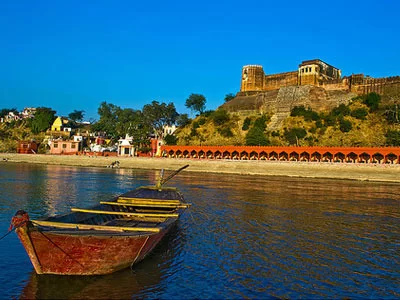
Akhnoor Fort Fort

Akhnoor Fort

Akhnoor Fort is a historic fort located on the banks of the Chenab River in Akhnoor, Jammu, Jammu and Kashmir, built during the Dogra period over earlier archaeological remains.
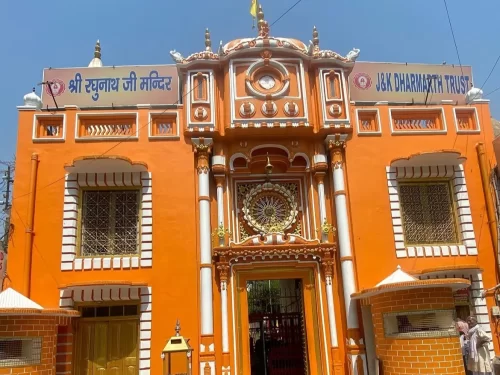
Shri Raghunath Temple Jammu Pilgrimage Site

Shri Raghunath Temple

A prominent Hindu temple complex dedicated to Lord Rama, located in the old city area of Jammu.

Peer Ki Gali signboard during sunny day, featuring Mughal road marker, snowy Pir Panjal mountains, perfect adventure experience Kashmir tour packages.  Mountain Pass

Pir Ki Gali

Pir Ki Gali is a mountain pass and spiritual site situated at an elevation of approximately 3,490 meters (11,450 feet) in the Pir Panjal Range of the Himalayas.

Frequently Asked Questions About Shri Ranbireshwar Temple

Loved this place ? Let’s Plan Your Jammu and Kashmir Trip

Get customized Jammu and Kashmir tour planning designed around seasonal weather patterns, valley travel routes, snow conditions, and realistic hill road timing. Whether you are visiting for scenic landscapes, serene lakes, spiritual journeys, meadow stays

⚑ Quick Response | πŸ’° Free consultation | πŸ•’ 24Γ—7 expert support

×

Plan Your Trip