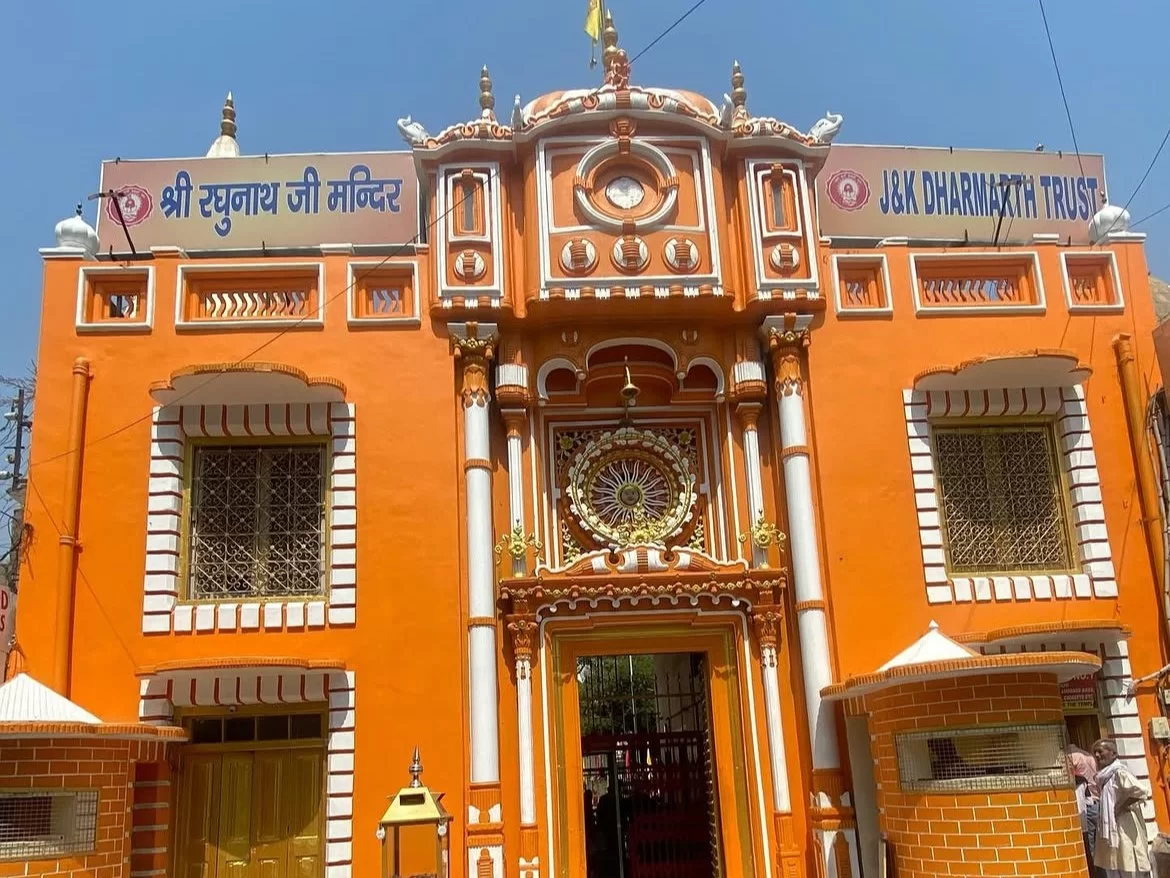
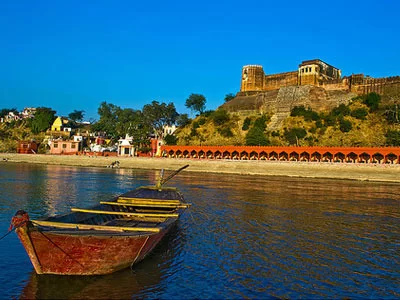
Shri Raghunath Temple, Jammu, Jammu and Kashmir, India

Shri Raghunath Temple , Jammu
Shri Raghunath Temple is visited for its series of shrines dedicated to various Hindu deities and its historical significance linked to the Dogra rulers. The temple complex also houses a collection of ancient manuscripts and serves as a key religious center in the region.

Quick Facts About Shri Raghunath Temple

Entry Fee Free
Timings 06:00 - 20:00
Altitude (m) 327
Ideal Visit Duration (hrs) 2
Best Time of Day Morning
Crowd Level Moderate
Distance from Jammu (km) 1
Walking Difficulty Easy
Parking Available No
Last Mile Access Road
Suitable for Kids Yes
Suitable for Seniors Yes
Wheelchair Friendly No

Why Visit Shri Raghunath Temple in Jammu

Shri Raghunath Temple is a key pilgrimage site in Jammu, known for its dedication to Lord Rama and its extensive complex housing multiple shrines. Visitors come to offer prayers, explore the inner courtyards, and see the detailed idol arrangements representing various Hindu deities.

The atmosphere inside the temple is structured and devotional, with steady footfall throughout the day, especially during aartis. Located in the busy Raghunath Bazaar area, the surroundings are lively, with shops, local vendors, and security presence adding to the on-ground experience.

What makes Shri Raghunath Temple distinct is its scale and layout within an urban setting. Unlike isolated hill temples, it offers a layered temple experience with multiple sanctums in one complex, making it easily accessible while still maintaining a strong devotional environment.

History of Shri Raghunath Temple, Jammu

Shri Raghunath Temple, located in Jammu city, is one of the largest temple complexes in North India dedicated to Lord Rama. The temple was commissioned by Maharaja Gulab Singh, the founder of the Dogra dynasty, in 1835 and was later completed by his son Maharaja Ranbir Singh in 1860.

The temple complex reflects the religious priorities of the Dogra rulers, who promoted Hindu traditions and temple architecture in the region. It consists of a main shrine dedicated to Lord Rama, along with multiple smaller shrines devoted to various deities from the Hindu pantheon.

Beyond its architectural significance, Shri Raghunath Temple became an important center for Sanskrit learning and religious scholarship during the Dogra ????. The temple library once housed a notable collection of manuscripts and religious texts, contributing to its cultural importance.

Over time, the temple has remained a key religious and cultural landmark in Jammu, continuing to attract devotees and visitors while reflecting the historical legacy of the Dogra period in the region.

Best Time to Visit Shri Raghunath Temple

Shri Raghunath Temple in Jammu can be visited year-round, but the most comfortable and spiritually vibrant experience comes during the cooler months and major Hindu festivals when the temple atmosphere is at its peak.
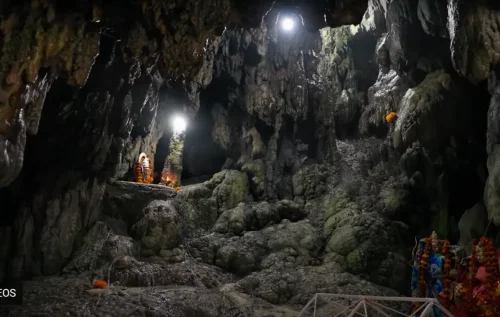
  • Ideal months: October to March, when the weather is pleasant for temple visits and local exploration
  • Weather conditions: Mild to cool climate with temperatures ranging from 10°C to 25°C, making it comfortable for walking around the temple complex and nearby ????? areas
  • Periods to avoid: May to June due to intense summer heat (often above 40°C), and peak monsoon weeks (July–August) when humidity and occasional heavy rains can disrupt travel plans

How to Reach Shri Raghunath Temple (Jammu, Jammu & Kashmir, India)

  • Nearest Airport: Jammu Airport (Satwari Airport), located approximately 6 km from Shri Raghunath Temple, is the closest airport. It has regular flights from major cities like Delhi, Srinagar, and Mumbai. Taxis and auto-rickshaws are readily available outside the airport for a 15–25 minute drive to the temple in Jammu city.
  • Nearest Railway Station: Jammu Tawi Railway Station, about 5 km from the temple, is the main rail hub in North India with direct connectivity to cities such as Delhi, Kolkata, and Chennai. From the station, local transport including auto-rickshaws, e-rickshaws, and taxis can reach the temple within 15–20 minutes, depending on city traffic.
  • Road Access & Last-Mile Connectivity: Jammu is well-connected by national highways (NH-44) to cities like Delhi, Amritsar, and Srinagar. Intercity buses (government and private) as well as taxis operate frequently to Jammu. Shri Raghunath Temple is located in the busy Raghunath Bazaar area, where narrow lanes restrict vehicle entry. Visitors typically need to walk the final 200–500 meters through the market; cycle-rickshaws and e-rickshaws are available up to the closest accessible point.
  • Travel Conditions & Limitations: The temple lies in a high-security zone in central Jammu, with routine security checks at entry points. Traffic congestion is common in Raghunath Bazaar, especially during festivals and peak hours. Parking is limited nearby, so using local transport or being dropped off at the nearest entry point is recommended.

What to Expect When You Visit Shri Raghunath Temple, Jammu

  • Environment and surroundings: Shri Raghunath Temple is located in the busy Raghunath Bazaar area of Jammu city. The surroundings are densely packed with shops, local vendors, and steady foot traffic. The temple complex itself offers a contrast, with relatively inner courtyards and traditional North Indian temple architecture.
  • Facilities and amenities: Basic visitor facilities such as shoe storage areas, drinking water, and rest areas are available within or near the temple premises. Washrooms are limited and may not always meet high cleanliness expectations. Numerous shops outside the temple sell ???? items, prasad, and souvenirs.
  • Accessibility and movement: The temple is easily accessible by road from most parts of Jammu. However, vehicles are not allowed right up to the entrance due to security restrictions, so visitors should expect a short walk through the market area. Security checks are mandatory, and carrying large bags or electronic items may be restricted.
  • Typical visitor behavior and conditions: The temple attracts a steady flow of devotees throughout the day, with higher crowds during festivals like Ram Navami and weekends. Visitors usually move in an organized queue system for ?????. Maintaining decorum, removing footwear, and following temple protocols are expected.
  • Limitations and constraints: The crowded bazaar approach can feel congested, especially during peak hours. Parking is limited nearby, often requiring visitors to park at a distance. Photography inside the temple complex is generally restricted, and security presence is noticeable due to the temple’s historical significance.

Important Visitor Information for Shri Raghunath Temple, Jammu

  • Crowd & Weather Conditions: Located in Jammu city, Shri Raghunath Temple experiences steady footfall year-round, with peak crowds during festivals like Navratri and Ram Navami. Summers (April–June) can be quite hot, while winters (December–February) are mild and more comfortable for temple visits.
  • Peak & Quiet Visiting Hours: Early morning (6:00 AM to 9:00 AM) and late evening aartis attract the highest number of devotees. Midday hours are relatively quieter, making them suitable for a more peaceful darshan experience.
  • Dress Code: Visitors are expected to wear modest and respectful attire. Avoid shorts, sleeveless tops, or revealing clothing, as this is an actively worshipped religious site with traditional norms.
  • Safety & Practical Cautions: Security checks are mandatory at the entrance, and carrying mobile phones, cameras, and bags inside may be restricted—locker facilities are available nearby. Follow instructions from temple authorities and security personnel at all times. The surrounding market area can get crowded, so keep personal belongings secure.

Photography and Viewpoints at Shri Raghunath Temple, Jammu

  • The main courtyard offers the most effective angle to capture the cluster of gold-plated spires, especially when framed from the central entrance axis of the temple complex.
  • Photography inside the inner sanctum is strictly prohibited due to religious customs and security protocols; visitors must deposit phones and cameras at designated counters before entry.
  • Early morning (around 6:00 AM–8:30 AM) provides the best natural lighting, highlighting the golden spires with softer tones and minimal glare.
  • In the late afternoon, angled sunlight enhances architectural textures, though surrounding buildings may cast partial shadows across the complex.
  • The temple is located within a dense market area in Jammu, leading to heavy footfall during prayer hours and festivals, which can restrict clear, unobstructed shots.
  • Strict security screening is in place, and photography is generally limited to outer areas of the complex under supervision.
  • Approach streets and entry lanes provide contextual urban shots, capturing the temple within the rhythm of daily life and pilgrimage movement in the city.

Near By Attraction

Akhnoor Fort Fort

Akhnoor Fort

Akhnoor Fort is a historic fort located on the banks of the Chenab River in Akhnoor, Jammu, Jammu and Kashmir, built during the Dogra period over earlier archaeological remains.
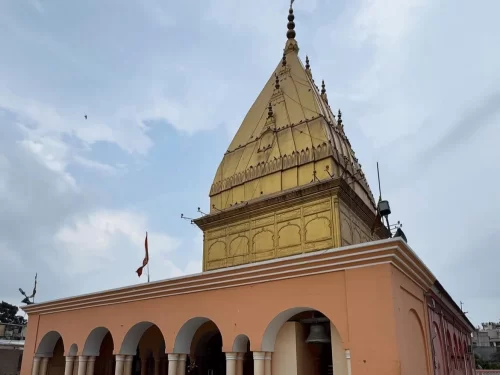
Shri Ranbireshwar Temple Pilgrimage Site

Shri Ranbireshwar Temple

A historic Hindu temple dedicated to Lord Shiva, located in the Niranjani Akhara area of Jammu.

Peer Ki Gali signboard during sunny day, featuring Mughal road marker, snowy Pir Panjal mountains, perfect adventure experience Kashmir tour packages.  Mountain Pass

Pir Ki Gali

Pir Ki Gali is a mountain pass and spiritual site situated at an elevation of approximately 3,490 meters (11,450 feet) in the Pir Panjal Range of the Himalayas.

Frequently Asked Questions About Shri Raghunath Temple

Loved this place ? Let’s Plan Your Jammu and Kashmir Trip

Get customized Jammu and Kashmir tour planning designed around seasonal weather patterns, valley travel routes, snow conditions, and realistic hill road timing. Whether you are visiting for scenic landscapes, serene lakes, spiritual journeys, meadow stays

⚑ Quick Response | πŸ’° Free consultation | πŸ•’ 24Γ—7 expert support

×

Plan Your Trip