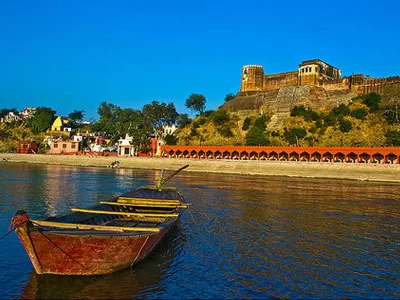
Akhnoor Fort, Akhnoor, Jammu, Jammu and Kashmir, India

Akhnoor Fort , Jammu
Visitors come to explore its river-facing fort walls, archaeological significance, and historical importance as a strategic defense point in the region. The site also contains ancient remains linked to early settlement layers, making it both a heritage and archaeological destination in Jammu.

Quick Facts About Akhnoor Fort

Akhnoor Fort Quick Facts

Entry Fee No entry fee
Timings Generally open from 9:00 AM to 6:00 PM daily.
Altitude (m) Approximately 301 m above sea level
Ideal Visit Duration 1–2 hours
Best Time of Day Evening time for Chenab River views and pleasant weather
Crowd Level Low to moderate; peaceful on weekdays
Distance from City Centre (km) Approximately 28 km from Jammu city
Walking Difficulty Easy to Moderate; includes walking inside fort complex and riverfront areas
Parking Available Yes, parking is available near the fort entrance
Last Mile Access Direct road access via Akhnoor town followed by a short walk to the fort
Suitable for Kids Yes
Suitable for Seniors Yes
Wheelchair Friendly Partially; some areas are accessible but uneven surfaces and steps may limit full movement

Why Visit Akhnoor Fort Jammu & Kashmir

Visitors come to Akhnoor Fort to explore a historic riverside fort that reflects the region’s strategic importance along the Chenab River and its layered history across different eras.

The atmosphere is calm and heritage-focused, with old stone structures, fort walls, and river views creating a quiet environment for exploration and photography.

What makes Akhnoor Fort distinct is its location overlooking the Chenab River, its archaeological significance linked to ancient civilizations, and its role as a historical stronghold in Jammu’s regional history.

History of Akhnoor Fort

Akhnoor Fort is a historic riverside fort located on the banks of the Chenab River in the Jammu region of Jammu and Kashmir. The fort is believed to have been constructed in the early 19th century by Raja Tegh Singh, although the site itself holds archaeological significance dating back to earlier periods.

The location of Akhnoor has revealed evidence of ancient civilizations, including remains associated with the Harappan culture, indicating that the region was inhabited thousands of years before the fort was built. Over time, the fort served as a strategic military and administrative center for the Dogra rulers.

Today, Akhnoor Fort stands as an important heritage monument, reflecting both the ancient history and the later princely-era architecture of Jammu. It attracts visitors interested in archaeology, history, and the cultural legacy of the Chenab Valley.

Best Time to Visit Akhnoor Fort

Akhnoor Fort is best visited from October to March when Jammu experiences pleasant weather, making it comfortable to explore the historic fort, river views, and archaeological remains along the Chenab River.
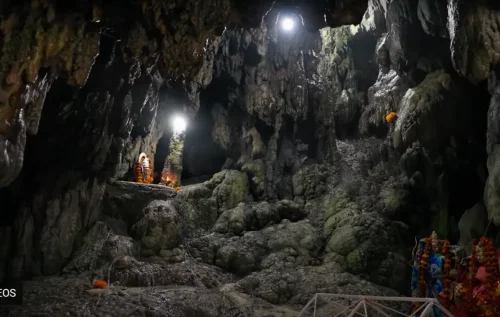
  • Ideal months: October to March is the most favorable period to visit Akhnoor Fort, offering comfortable temperatures and excellent conditions for heritage sightseeing.
  • Weather conditions during the best season: Cool mornings, pleasant afternoons, and dry weather provide ideal conditions for exploring the fort ramparts, ancient structures, and enjoying scenic views of the Chenab River valley.
  • Periods to avoid: April to June can be extremely hot in the Jammu region, making outdoor exploration less comfortable during the day. The monsoon season from July to September brings occasional heavy rainfall, which may affect movement and visibility around the fort area.

How to Reach Akhnoor Fort

  • Nearest Airport: Jammu Airport (Satwari), located approximately 35 km from Akhnoor Fort, is the nearest airport. Taxis and local transport are readily available for the onward journey.
  • Nearest Railway Station: Jammu Tawi Railway Station, about 28 km away, is the nearest major railway station and offers excellent connectivity to major cities across India.
  • Road Access and Last-Mile Connectivity: Akhnoor Fort is situated on the banks of the Chenab River in Akhnoor town, Jammu district. It is easily accessible by road from Jammu via well-maintained highways. Visitors can reach the fort by private vehicle, taxi, auto-rickshaw, or local bus services. The final approach is fully motorable, with parking available near the fort complex, followed by a short walk to explore the historical structure and river viewpoints. The site remains accessible throughout the year and is a popular heritage attraction near Jammu city.

What to Expect When You Visit Akhnoor Fort

  • Environment and Surroundings: Akhnoor Fort is a historic riverside fort located on the banks of the Chenab River in Jammu & Kashmir. Visitors can expect a scenic setting with river views, ancient fort walls, archaeological remains, and a calm heritage atmosphere surrounded by hills and open landscapes.
  • Facilities and Amenities: Basic visitor facilities such as parking areas, viewing points, and informational signage are available near the site. Additional restaurants, accommodation, and transport services can be found in Akhnoor town and Jammu city.
  • Accessibility and Movement: The fort is accessible by road and can be explored on foot. Visitors should expect walking across uneven historic surfaces, stone structures, and open courtyards while exploring different sections of the fort.
  • Visitor Conditions: Most visitors come for historical exploration, photography, and river views. The site is generally less crowded, offering a quiet experience. Summers can be hot, while winters remain cool, and river conditions may vary seasonally affecting the surrounding landscape.

Important Visitor Information for Akhnoor Fort

  • Akhnoor Fort experiences higher visitor numbers during weekends, public holidays, and the winter tourism season from October to March when weather conditions are most comfortable.
  • Early morning and late afternoon hours generally offer the best experience for exploring the fort, with pleasant temperatures and better lighting for photography.
  • Summer months can be hot in the Jammu region, while monsoon rains may make stone pathways and riverside areas slippery.
  • No specific dress code applies, though comfortable clothing, sun protection, and sturdy footwear are recommended for walking through the fort complex.
  • Visitors should exercise caution near fort edges and riverside viewpoints, avoid climbing on fragile structures, and follow archaeological site preservation guidelines.

Photography and Viewpoints at Akhnoor Fort

  • The best photographs are captured from the fort ramparts overlooking the Chenab River, where the massive stone walls, flowing river, and surrounding hills create a powerful historic landscape.
  • Early morning provides soft natural light, calm river reflections, and fewer visitors, making it ideal for photographing the fort’s architecture and riverside setting.
  • The elevated bastions offer wide-angle views of the Chenab River valley, allowing compositions that highlight both the fort’s strategic location and natural surroundings.
  • The arched gateways, stone corridors, and Mughal-era structural elements are best photographed during daylight hours when textures and craftsmanship are clearly visible.
  • Sunset photography is particularly rewarding, with golden light reflecting over the river and enhancing the silhouette of the fort walls.
  • Photography is generally permitted in public areas, but visitors should avoid unsafe edges of the ramparts and follow ASI site guidelines.
  • Weekdays and early mornings usually provide quieter conditions, while weekends and local holidays may bring more visitors to the fort premises.

Near By Attraction

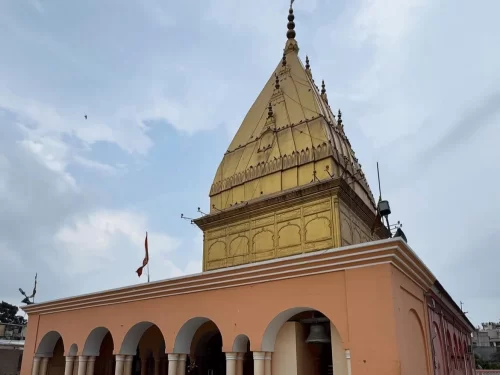
Shri Ranbireshwar Temple Pilgrimage Site

Shri Ranbireshwar Temple

A historic Hindu temple dedicated to Lord Shiva, located in the Niranjani Akhara area of Jammu.
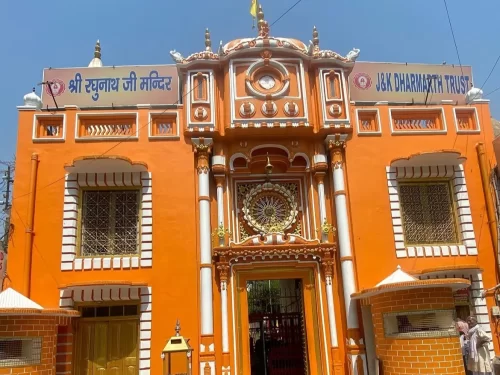
Shri Raghunath Temple Jammu Pilgrimage Site

Shri Raghunath Temple

A prominent Hindu temple complex dedicated to Lord Rama, located in the old city area of Jammu.

Peer Ki Gali signboard during sunny day, featuring Mughal road marker, snowy Pir Panjal mountains, perfect adventure experience Kashmir tour packages.  Mountain Pass

Pir Ki Gali

Pir Ki Gali is a mountain pass and spiritual site situated at an elevation of approximately 3,490 meters (11,450 feet) in the Pir Panjal Range of the Himalayas.

Frequently Asked Questions About Akhnoor Fort

Akhnoor Fort is worth visiting if you enjoy history, archaeology, and peaceful heritage sites. Its riverside location along the Chenab River, historic fort walls, and archaeological importance make it an interesting stop for travelers exploring Jammu beyond the city's temples and markets.
Akhnoor Fort is generally open daily from 9:00 AM to 6:00 PM. Visiting during the morning or late afternoon is more comfortable, especially in cooler months, and also provides pleasant lighting for sightseeing and photography.
There is no entry fee to visit Akhnoor Fort. Visitors can explore the historic fort complex and enjoy the surrounding river views without purchasing an admission ticket, making it a budget friendly heritage attraction near Jammu.
Most visitors spend around one to two hours exploring Akhnoor Fort. This gives enough time to walk through the fort complex, appreciate the historic architecture, enjoy Chenab River viewpoints, and take photographs without rushing.
Yes, parking is available near the entrance to Akhnoor Fort. After parking, visitors only need a short walk to reach the fort complex, making access convenient for those arriving by private vehicle or taxi.
Akhnoor Fort is about 28 kilometers from Jammu city and can be reached by road using private vehicles, taxis, auto rickshaws, or local buses. The fort has direct road connectivity through Akhnoor town and remains accessible throughout the year.
October to March is considered the best time to visit Akhnoor Fort because the weather is pleasant for walking around the heritage site. Summers can be very hot, while the monsoon season may bring rain that affects outdoor exploration.
Yes, Akhnoor Fort is suitable for both senior citizens and children. Visitors should remember that some sections include uneven historic surfaces and steps, so moving carefully and wearing comfortable footwear is recommended.
Akhnoor Fort is partially wheelchair accessible. Some areas can be reached more easily, but uneven stone surfaces, historic pathways, and steps may limit complete wheelchair movement throughout the entire fort complex.
Photography is generally allowed in public areas of Akhnoor Fort. The fort ramparts, Chenab River views, gateways, and stone architecture provide excellent photography opportunities, especially during early morning or around sunset.
Carry comfortable walking shoes, drinking water, sun protection, and weather appropriate clothing when visiting Akhnoor Fort. Since visitors explore the fort on foot across historic surfaces, sturdy footwear helps improve comfort and safety.
Popular nearby attractions include Shri Ranbireshwar Temple, Shri Raghunath Temple, and Pir Ki Gali. Many travelers combine these places with Akhnoor Fort while exploring important heritage, pilgrimage, and scenic destinations around the Jammu region.

Loved this place ? Let’s Plan Your Jammu and Kashmir Trip

Get customized Jammu and Kashmir tour planning designed around seasonal weather patterns, valley travel routes, snow conditions, and realistic hill road timing. Whether you are visiting for scenic landscapes, serene lakes, spiritual journeys, meadow stays

⚡ Quick Response | 💰 Free consultation | 🕒 24×7 expert support

×

Plan Your Trip